


X Report 14 Apr 2025
SpaceX sets a new reuse record with Falcon 9's 27th flight, continuing its Starlink deployment while facing challenges with Starship development.


![COSMOS 2294 [GLONASS] Satellite Image](/images/sat/23398.jpg)
Launch Date
November 20, 1994
Launch Site
Launch Pad
LC200/39
Launch Vehicle
Proton-K/DM-2
NORAD ID
23398
International Designator
1994-076C
Epoch
Sat, 04 Jul 2026 04:51:25 GMT
Apogee
Calculating...
Perigee
Calculating...
Inclination
64.85°
Right Ascension
68.23°
Eccentricity
Calculating...
Argument of Perigee
32.37°
Period
675.73 min
Mean Motion
2.13 rev/day
Latitude
Calculating...
Longitude
Calculating...
Altitude
Calculating...
Velocity
Calculating...
Name
COSMOS 2294 [GLONASS]
Alternative Name
Kosmos-2296
Type
Status
Owner
VKS
Country
Russia
Constellation
N/A
Related Satellites
Major Events
N/A
1 23398U 94076C 26185.20237797 -.00000013 00000-0 00000-0 0 9995
2 23398 64.8460 68.2291 0005364 32.3697 149.7600 2.13101781246048
Source: Celestrak
Length
4
Diameter
1.5
Span
7.8
Dry Mass
1200
Launch Mass
1300
Shape
Cyl + Ant + 2 Pan
Radar Cross Section
1.9493
Visual Magnitude
Unknown
Color
Unknown
Material Composition
Unknown
Payload
Uragan No. 64L
Purpose
Navigation
Mission
Navigation
Manufacturer
POL
Life Expectancy
3 years
Bus
Uragan
Configuration
3-Axis stabilized
Motor
?
Equipment
?
Power System
2 deployable solar arrays, batteries
ADCS
Unknown
Transmitter Frequency
Unknown
Learn more about satellites and other related topics.
SpaceX sets a new reuse record with Falcon 9's 27th flight, continuing its Starlink deployment while facing challenges with Starship development.

Uncover the top companies dominating the satellite industry. From SpaceX to One Web, learn who's leading in space assets. Full list inside.

SpaceX gears up for two major Starlink launches, while regulatory challenges slow progress in India.
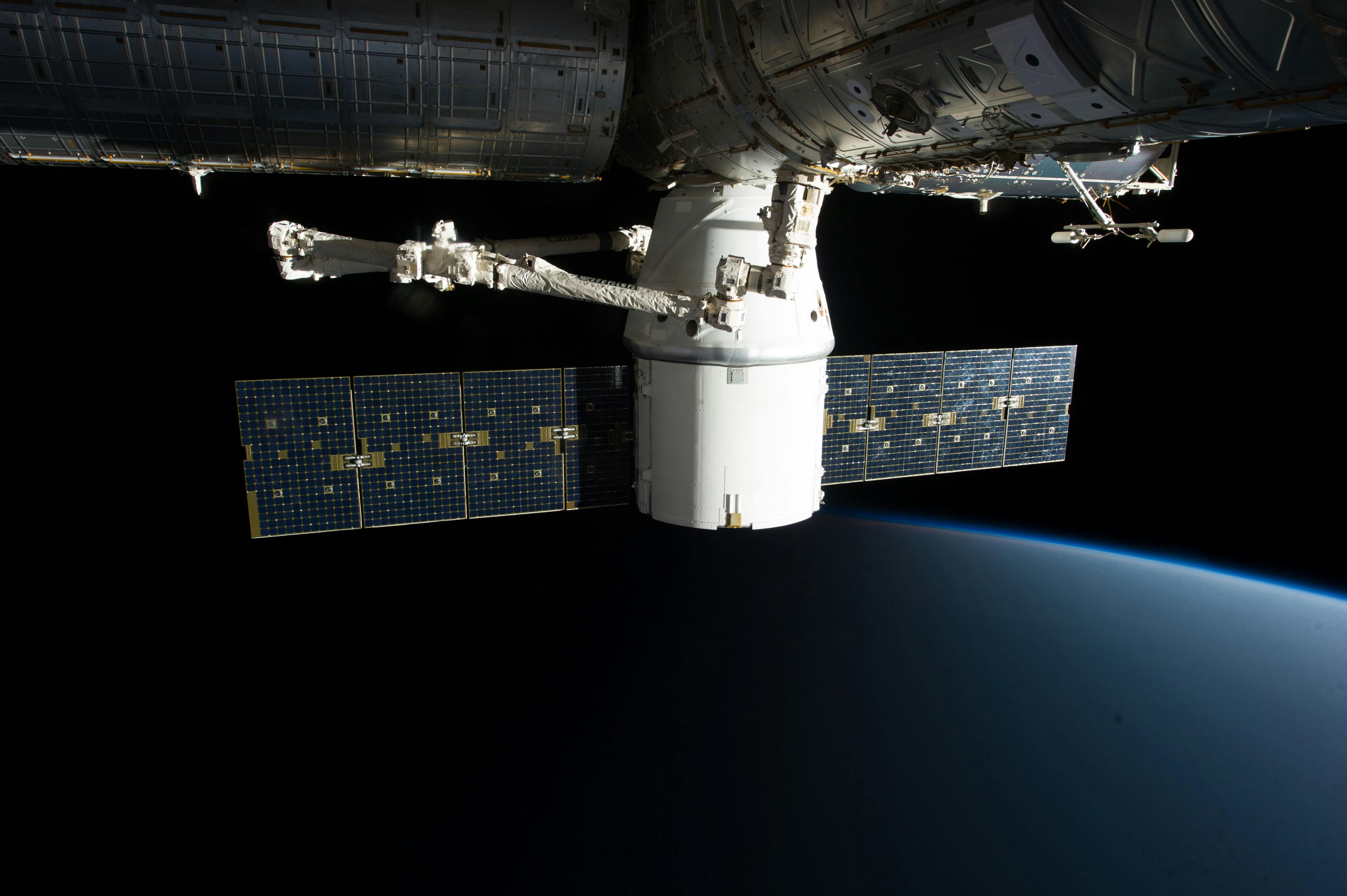
SpaceX and NASA swap Crew Dragon for Crew-10 mission; exciting 'space jellyfish' phenomena from recent launch.

Space Force deploys new radar in Alaska for orbital tracking. SDA awards $3.5B for 72 missile defense satellites. Anysignal raises $24M for autonomous RF sensing technology.
Today's Space Brief covers reentries, the impact of NOAA dismissals on space weather tracking, a strategic academic partnership probing cosmic mysteries, and a newly unveiled space motto.

SpaceX continues to push forward with its ambitious plans as the FAA investigates Starship debris reports, while Starlink maintains robust satellite operations.

As humanity increasingly relies on satellites, the escalating space junk problem poses a dire threat to our space-based infrastructure. With debris counts reaching alarming levels, urgent action is needed to prevent a cascade of collisions that could make key orbits unusable.