

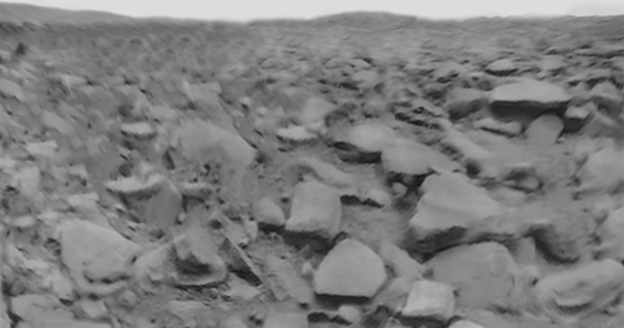
The Day We First Landed on Venus
On December 15, 1970, a battered Soviet probe accomplished something no spacecraft had done before - it survived landing on another world and lived to tell about it.


Launch Date
March 15, 1965
Launch Site
Launch Pad
LC41/15
Launch Vehicle
Kosmos 65S3
NORAD ID
02339
International Designator
1965-020EJ
Decay Date
11/12/1966
Name
SL-8 DEB
Alternative Name
deb Kosmos 65S3 No. 4L
Type
Status
Owner
RVSN
Country
USSR
Constellation
N/A
Related Satellites
Major Events
N/A
Length
0
Diameter
0
Span
0
Dry Mass
0
Launch Mass
0
Shape
N/A
Radar Cross Section
Unknown
Visual Magnitude
Unknown
Color
Unknown
Material Composition
Unknown
Payload
Unknown
Purpose
Unknown
Mission
Unknown
Manufacturer
Unknown
Life Expectancy
Unknown
Bus
Unknown
Configuration
Unknown
Motor
Unknown
Equipment
Unknown
Power System
Unknown
ADCS
Unknown
Transmitter Frequency
Unknown
Learn more about satellites and other related topics.
On December 15, 1970, a battered Soviet probe accomplished something no spacecraft had done before - it survived landing on another world and lived to tell about it.

SpaceX receives FAA approval for its 10th Starship test flight scheduled for August 24, while also making strides in construction at the Cape and contesting broadband funding in Virginia.
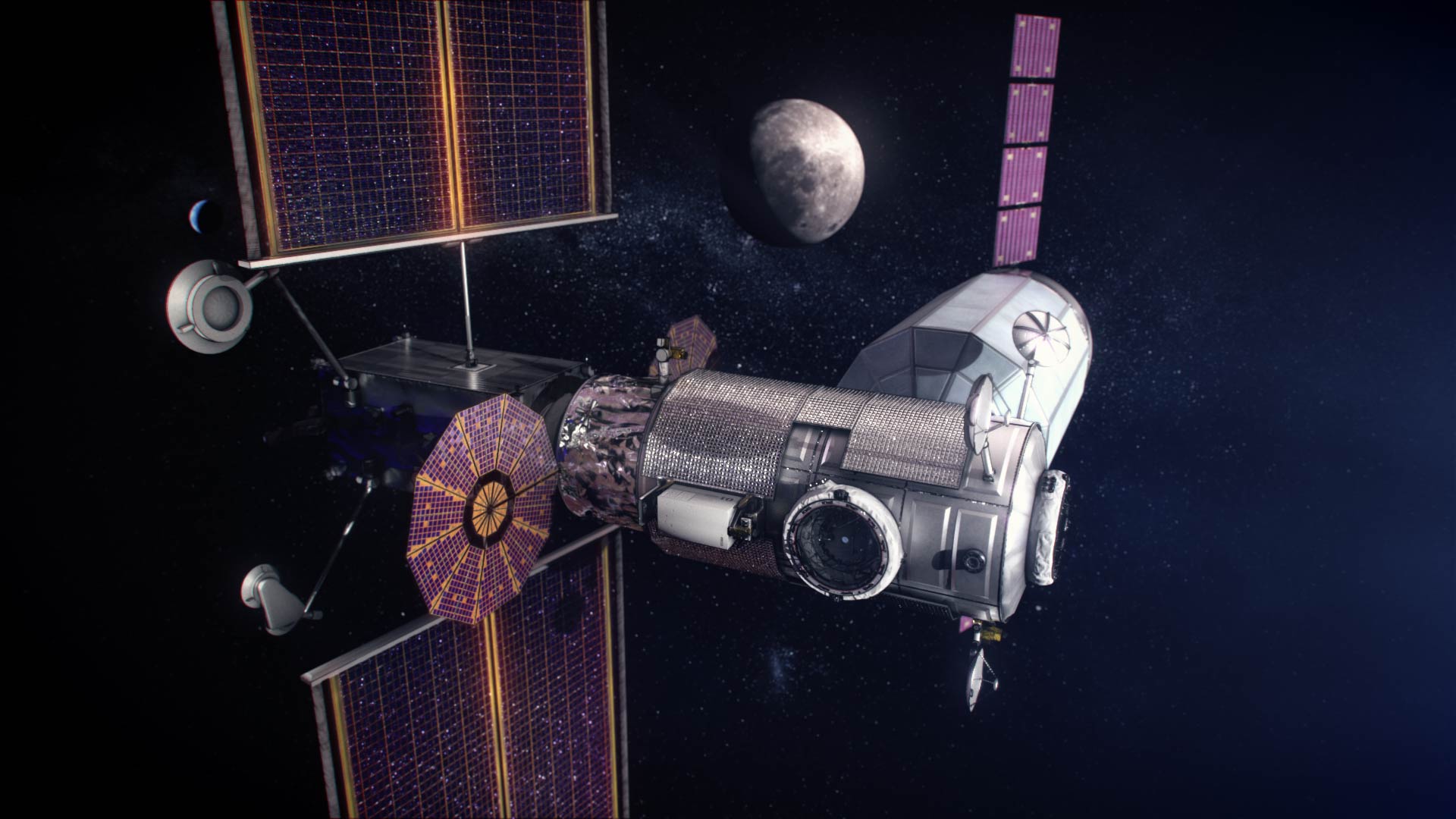
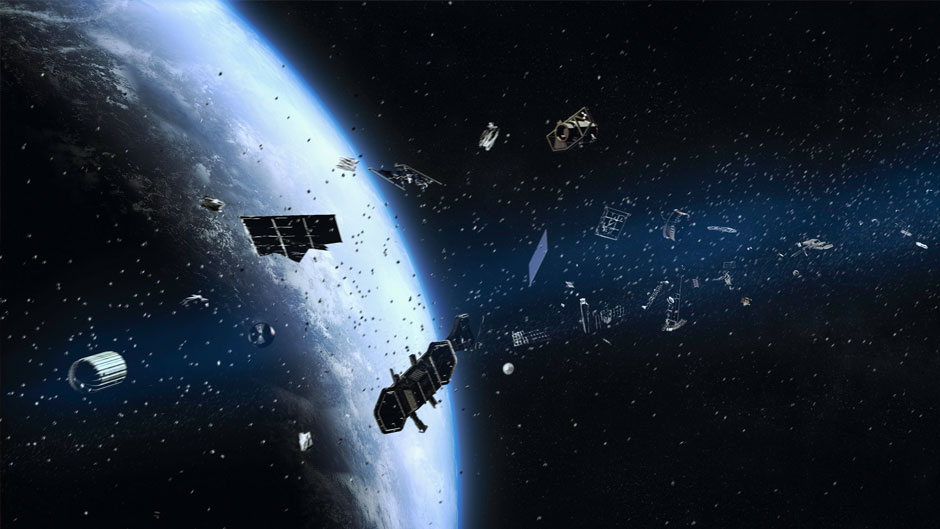
The volume of space between Earth and the Moon is roughly a thousand times larger than the orbit we actually watch, and almost none of it is under surveillance. As the U.S. and China race to build lunar outposts, the Space Force is scrambling to put eyes on a region it has been effectively blind to.
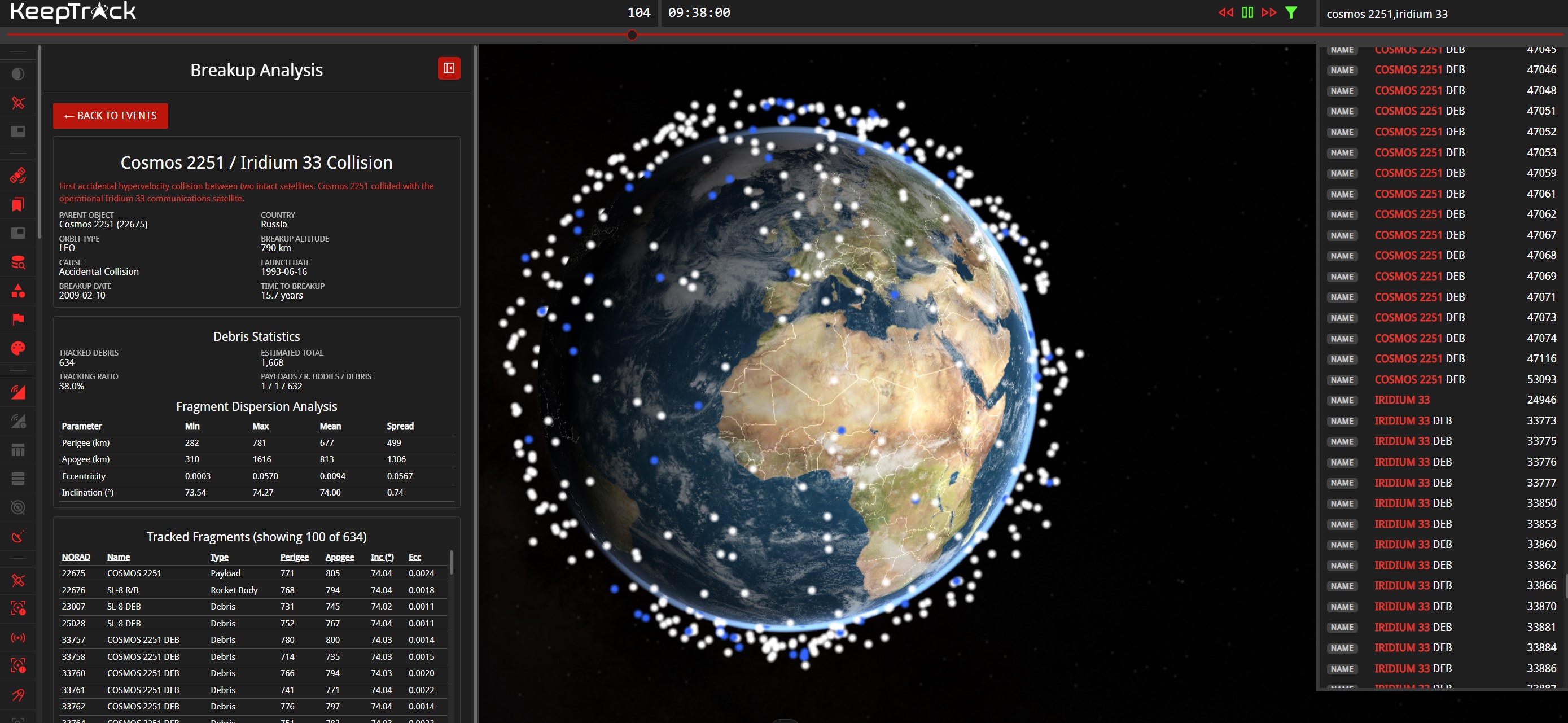
On February 10, 2009, an active Iridium communications satellite and a derelict Soviet military spacecraft slammed into each other 789 kilometers above Siberia. The collision produced more than 2,300 pieces of trackable debris that are still up there. Seventeen years later, the Iridium-Cosmos collision remains the event that made space debris a policy problem the world could no longer ignore.

Fifty-four years ago, a Saturn V rocket lifted off carrying three astronauts determined to prove America could still reach the Moon after the near-disaster of Apollo 13
Artemis 2 astronauts arrive at KSC for April 1 launch. Four-person crew will fly lunar free-return trajectory, first crewed lunar mission since Apollo 17 in 1972.

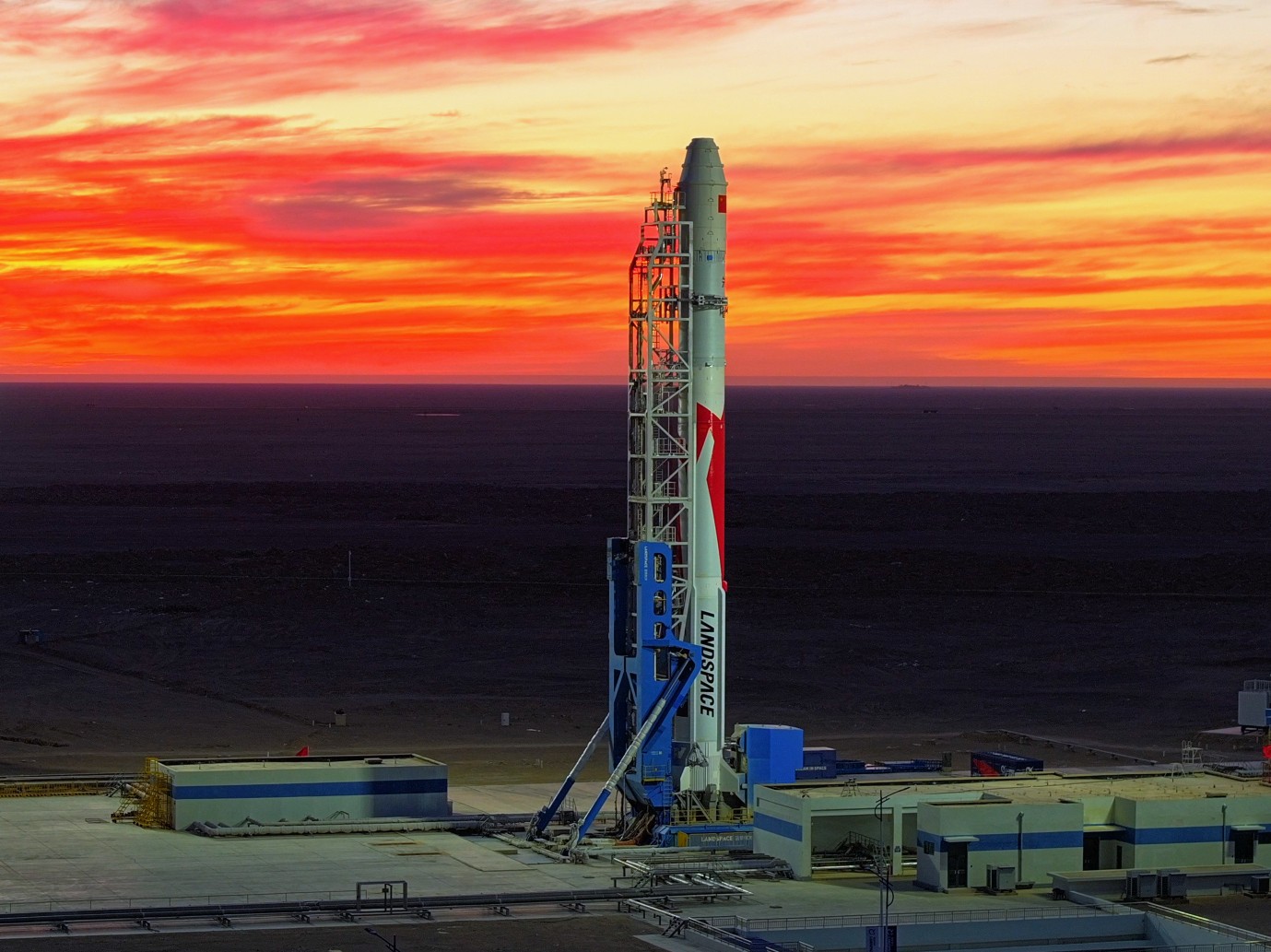
Pentagon puts LEO constellation layers on hold during acquisition review. SpaceX and xAI join $100M autonomous drone contest. China's Zenk Space completes first stage static fire.

SpaceX continues its collaboration with the NRO, while gearing up for lunar missions and a contract for NASA's Dragonfly mission to Titan.