

SpaceX Hits 600 Rocket Landings, Wins $175M Mars Deal | KeepTrack X Report
SpaceX's 600th Falcon 9 booster landing coincides with a $175M NASA Mars contract win and the final GPS III satellite launch this week.



Launch Date
August 9, 1992
Launch Site
JSC
Launch Pad
LA2B
Launch Vehicle
Chang Zheng 2D
NORAD ID
23280
International Designator
1992-051E
Decay Date
8/27/1992
Name
FSW-2 1 DEB
Alternative Name
Centaur AC-73 (duplicate)
Type
Status
Owner
GD
Country
United States
Constellation
N/A
Related Satellites
Major Events
N/A
Length
0
Diameter
0
Span
0
Dry Mass
0
Launch Mass
0
Shape
N/A
Radar Cross Section
Unknown
Visual Magnitude
Unknown
Color
Unknown
Material Composition
Unknown
Payload
Unknown
Purpose
Unknown
Mission
Unknown
Manufacturer
Unknown
Life Expectancy
Unknown
Bus
Unknown
Configuration
Unknown
Motor
Unknown
Equipment
Unknown
Power System
Unknown
ADCS
Unknown
Transmitter Frequency
Unknown
Learn more about satellites and other related topics.
SpaceX's 600th Falcon 9 booster landing coincides with a $175M NASA Mars contract win and the final GPS III satellite launch this week.
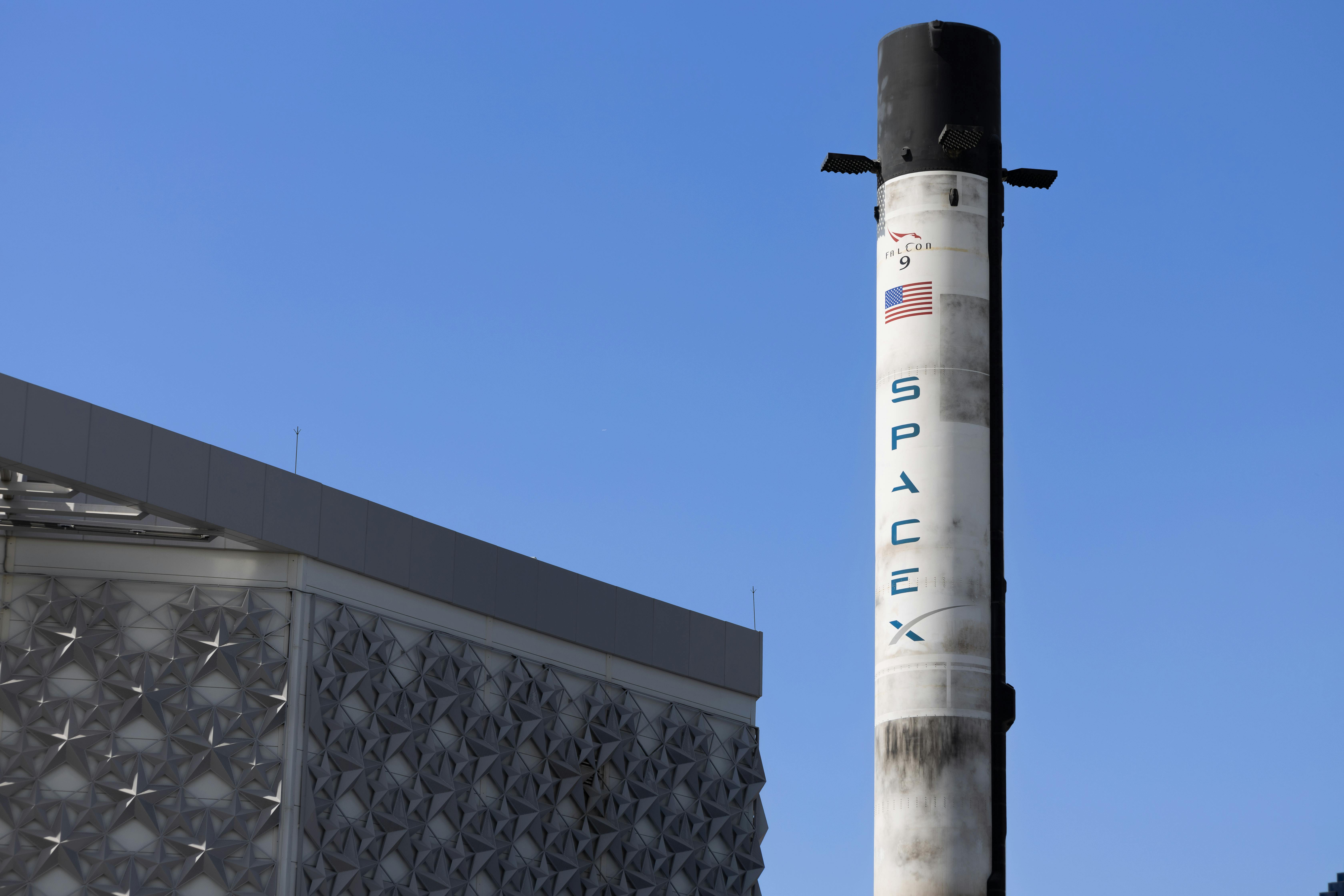
SpaceX successfully launches two rideshare missions to mid-inclination orbits, expanding their satellite deployment capabilities.
China confirms first one-year human spaceflight and Pakistani astronaut for Tiangong. Air Force develops X-68A missile-launching drone. Poland unveils $51B defense spending plan.

SpaceX gains regulatory approval for a new Starship test flight, further expands its role in U.S. defense, and successfully launches 26 additional Starlink satellites. United Airlines also rolls out Starlink Wi-Fi on its flights.

Scientists use earthquake sensors to track space debris reentry via sonic boom detection. SpaceX launches 25 Starlink satellites in seventh mission of 2026. NASA and DOE partner for lunar nuclear power.

SpaceX makes headlines with record-breaking launch operations, while plans for an IPO signal major changes in the company's trajectory and could inspire industry-wide movements.
Today's brief highlights key advancements in space technology and innovative military initiatives. Featuring deep space tracking system upgrades, a push towards quantum communications in orbit, and critical radar developments.

For nearly two decades, the U.S. Air Force and Space Force have been the world's unofficial civilian space traffic control system. The Department of Commerce's Traffic Coordination System for Space (TraCSS) is now taking over that job for commercial satellite operators - in stages, against persistent congressional pressure to kill the program, and with Department of Defense advocates pushing to make it happen before it is too late.