


Space Brief 29 Nov 2024
Today's brief covers China's Beidou satellite plans, SpaceX's Starship advancements, potential Space Command HQ relocation, and more.


Launch Date
August 3, 1994
Launch Site
Launch Pad
LC36A
Launch Vehicle
Atlas IIA
NORAD ID
23193
International Designator
1994-047B
Decay Date
4/22/1998
Name
ATLAS 2A CENTAUR R/B
Alternative Name
Centaur AC-107
Type
Status
Owner
MMA
Country
United States
Constellation
N/A
Related Satellites
Major Events
N/A
Length
10.1
Diameter
3.1
Span
10.1
Dry Mass
2095
Launch Mass
2095
Shape
Cyl
Radar Cross Section
24.8184
Visual Magnitude
Unknown
Color
Unknown
Material Composition
Unknown
Payload
Centaur IIA(4N) AC-107
Purpose
Unknown
Mission
Unknown
Manufacturer
MMSD
Life Expectancy
Unknown
Bus
Centaur
Configuration
Unknown
Motor
Unknown
Equipment
Unknown
Power System
Unknown
ADCS
Unknown
Transmitter Frequency
Unknown
Learn more about satellites and other related topics.
Today's brief covers China's Beidou satellite plans, SpaceX's Starship advancements, potential Space Command HQ relocation, and more.
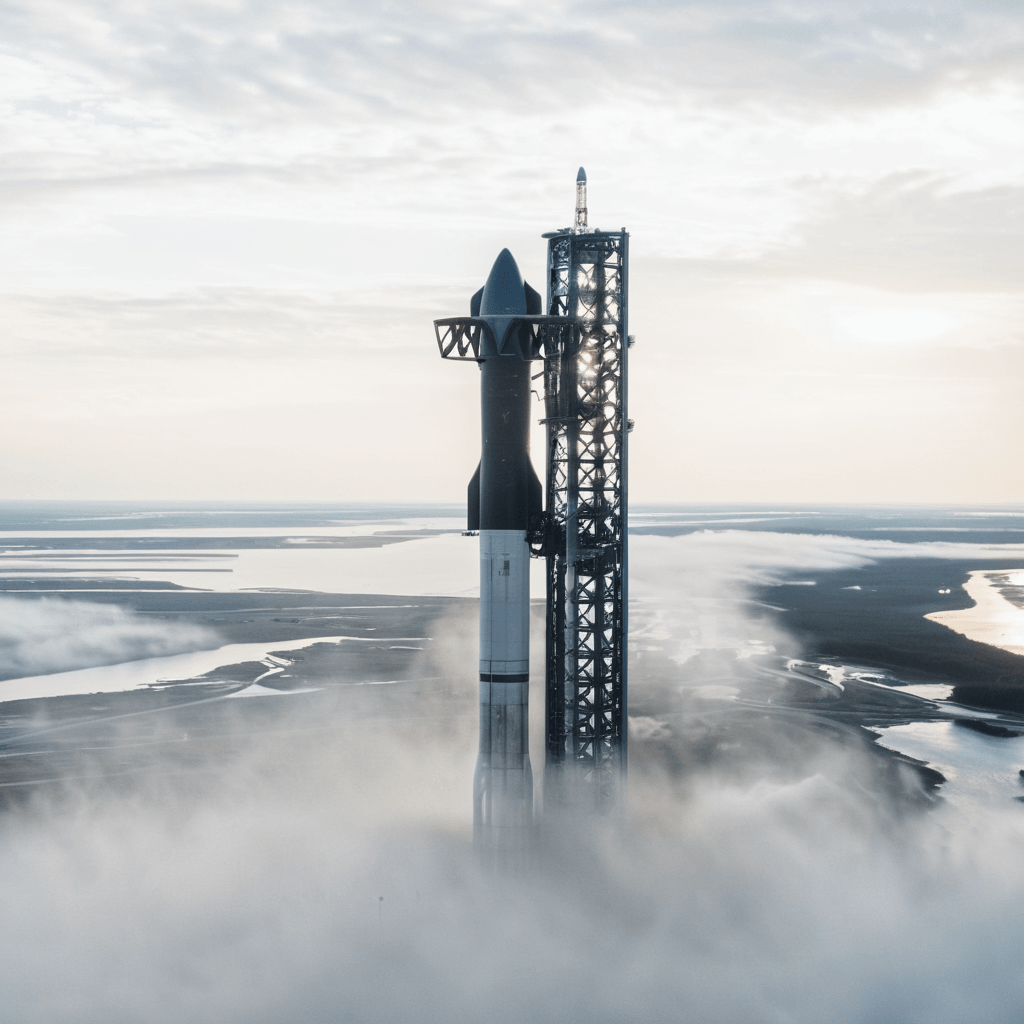
As the largest and most powerful rocket ever built, it's designed for full reusability and rapid launch turnaround. SpaceX claims it could carry over 100 tons to low Earth orbit at a fraction of current costs.

MDA Space acquires Blue Canyon Technologies for $620 million, and NASA's 2028 Aeolus Mars orbiter goes to a California startup instead of SpaceX.

Congress passes FY2026 spending bill reinstating NASA funding. Slingshot Aerospace wins $27M Space Force contract for AI satellite training. Portal Space selects Atomic-6 debris shield for 2026 mission.
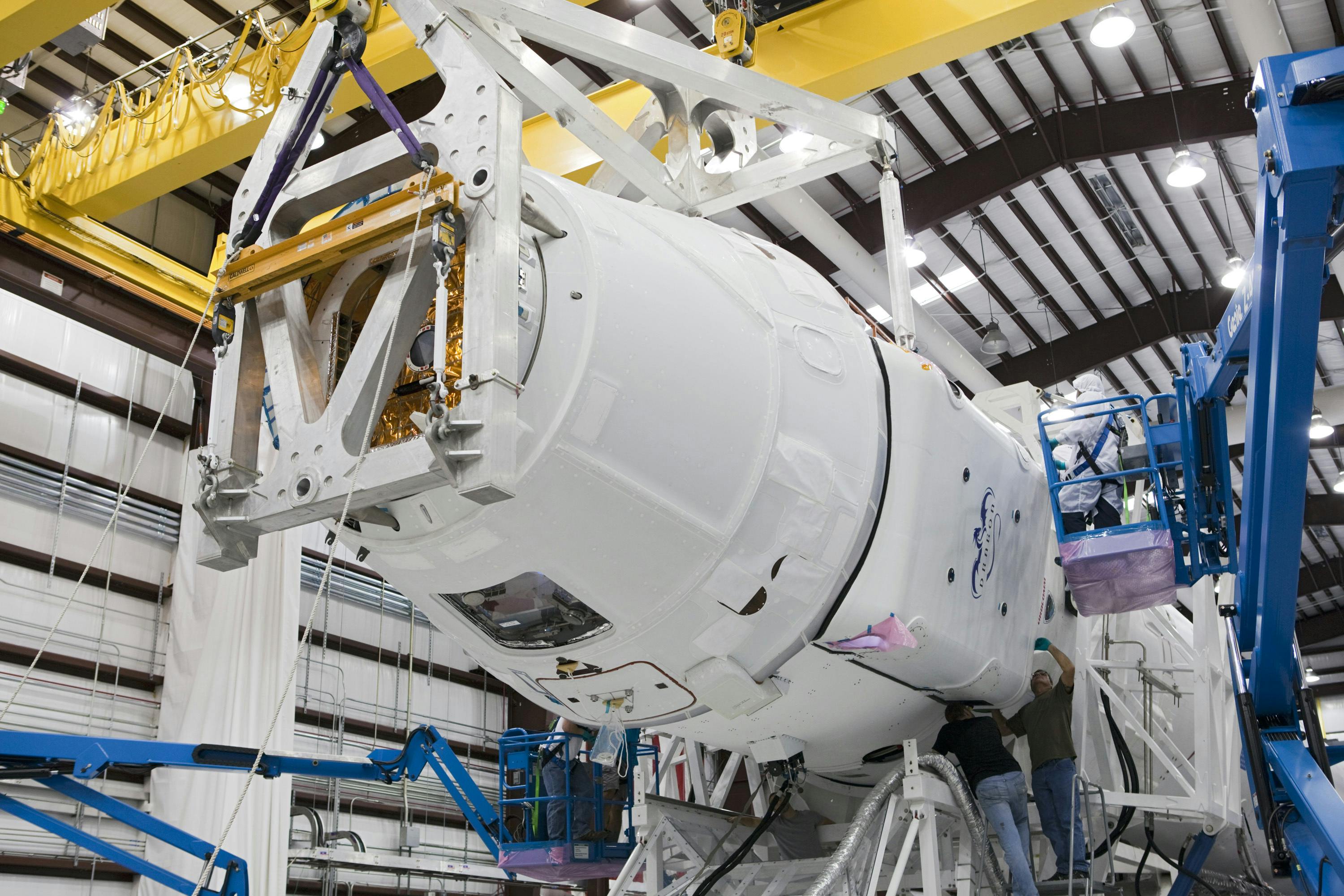
Elon Musk denies Starlink price reductions are driven by Amazon Kuiper competition. SpaceX launches 29 Starlink satellites in 18th constellation mission of 2026. Five more coming this week.
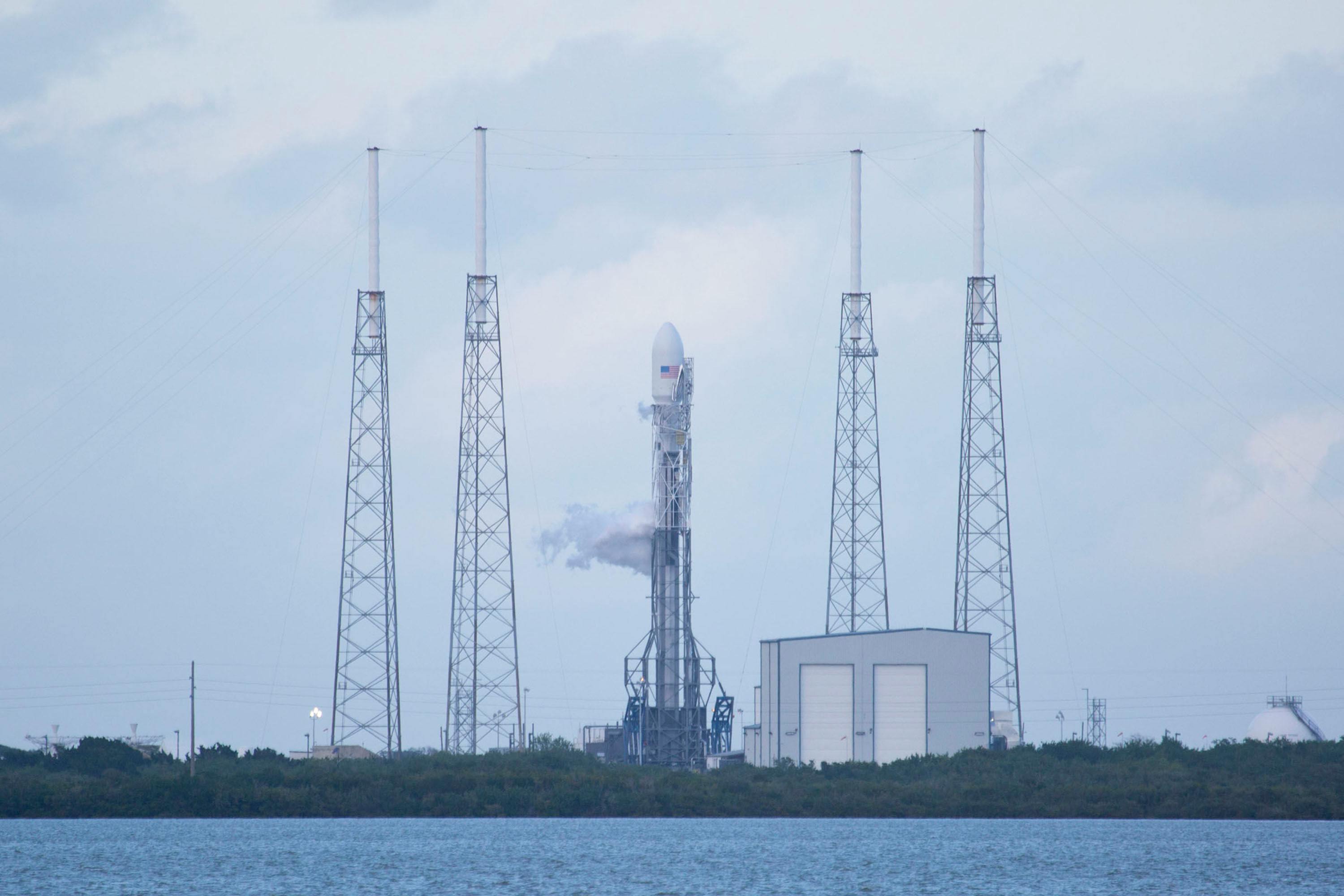
The FAA has approved Starship Flight 9, paving the way for an upcoming test launch, while SpaceX's Dragon spacecraft is set to undock from the ISS after weather delays.

China hits record 92 orbital launches in 2025. Vandenberg opens new launch site for providers. Former ULA CEO Tory Bruno joins Blue Origin for national security projects.
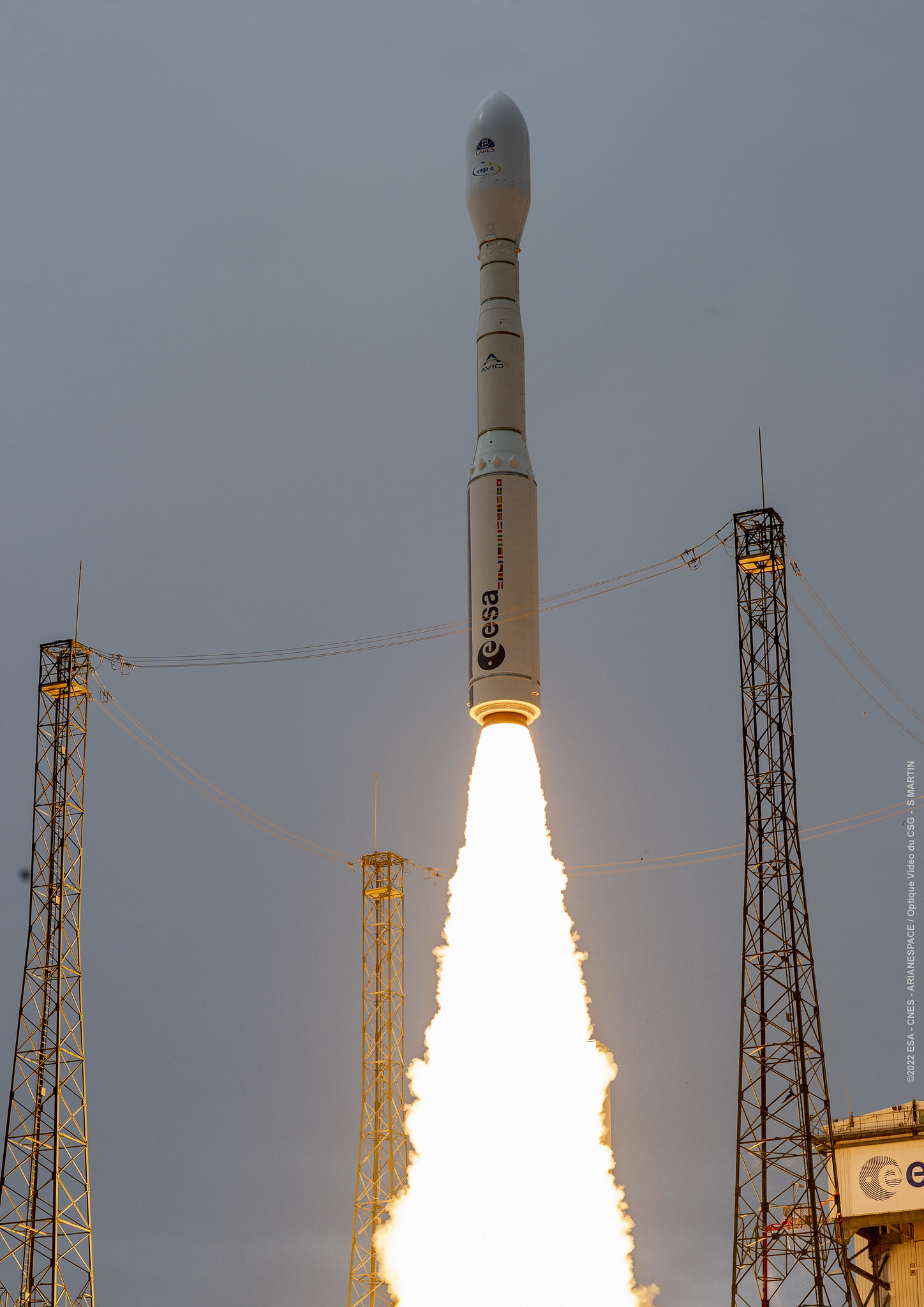
NASA's Artemis 3 lunar landing mission schedule continues slipping over 2 months after revised plans announced, with no crew or surface activity details released publicly yet.