


X Report 22 Apr 2025
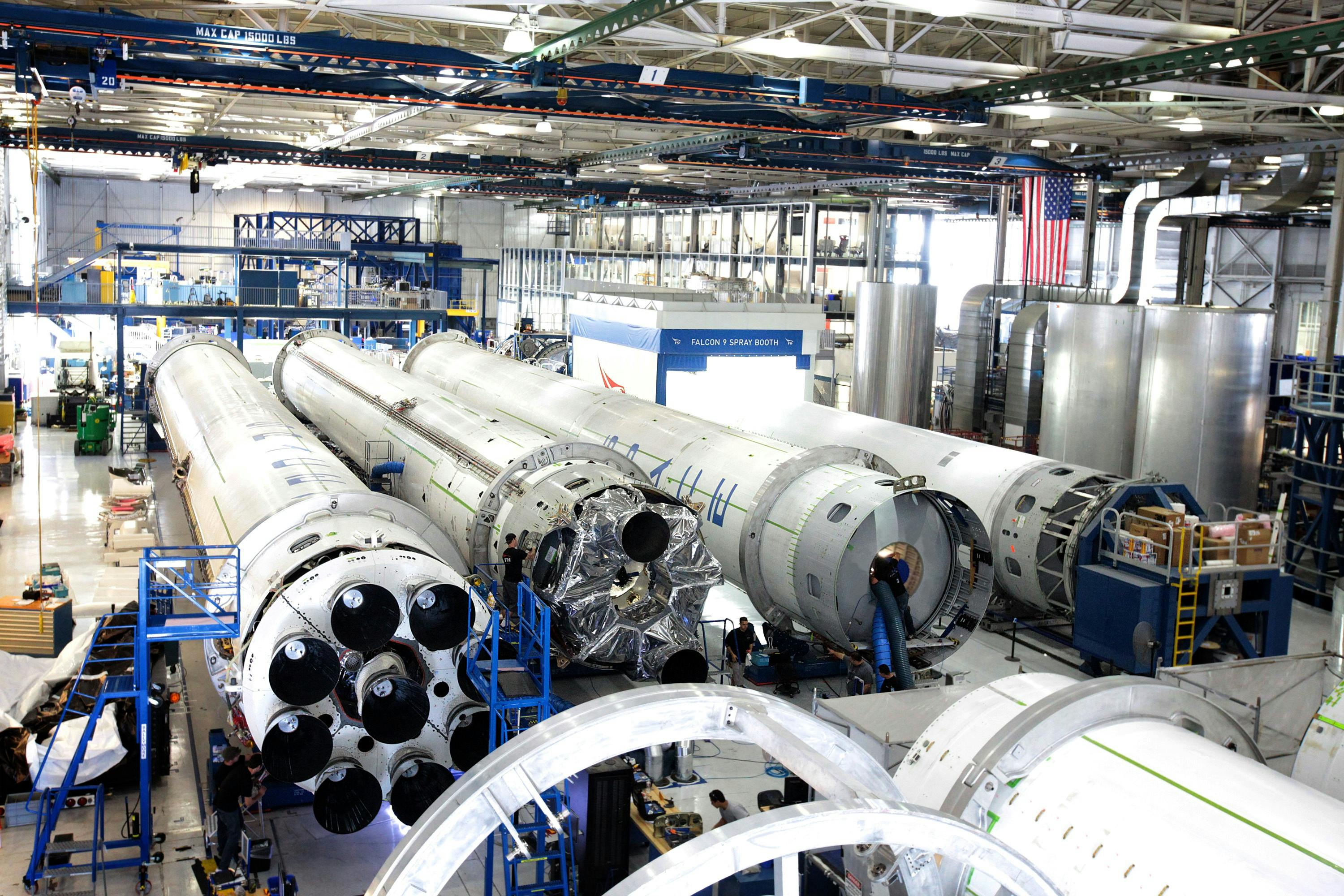
Amid multiple new launches, SpaceX marks its 300th orbital flight milestone at Cape Canaveral while pushing forward with cargo and reentry missions.


Launch Date
August 8, 1989
Launch Site
Launch Pad
LC39B
Launch Vehicle
Space Shuttle
NORAD ID
23159
International Designator
1989-061N
Epoch
Fri, 03 Jul 2026 13:34:23 GMT
Apogee
Calculating...
Perigee
Calculating...
Inclination
56.94°
Right Ascension
290.14°
Eccentricity
Calculating...
Argument of Perigee
75.80°
Period
120.42 min
Mean Motion
11.96 rev/day
Latitude
Calculating...
Longitude
Calculating...
Altitude
Calculating...
Velocity
Calculating...
Name
USA 40 R/B DEB
Alternative Name
deb USA-40
Type
Status
Owner
AFSSD2
Country
United States
Constellation
N/A
Related Satellites
Major Events
N/A
1 23159U 89061N 26184.56554903 .00029915 00000-0 64279-2 0 9998
2 23159 56.9447 290.1377 1555489 75.8015 301.0176 11.95852302260999
Source: Celestrak
Length
0
Diameter
0
Span
0
Dry Mass
0
Launch Mass
0
Shape
N/A
Radar Cross Section
Unknown
Visual Magnitude
Unknown
Color
Unknown
Material Composition
Unknown
Payload
Unknown
Purpose
Unknown
Mission
Unknown
Manufacturer
Unknown
Life Expectancy
Unknown
Bus
Unknown
Configuration
Unknown
Motor
Unknown
Equipment
Unknown
Power System
Unknown
ADCS
Unknown
Transmitter Frequency
Unknown
Learn more about satellites and other related topics.
Amid multiple new launches, SpaceX marks its 300th orbital flight milestone at Cape Canaveral while pushing forward with cargo and reentry missions.
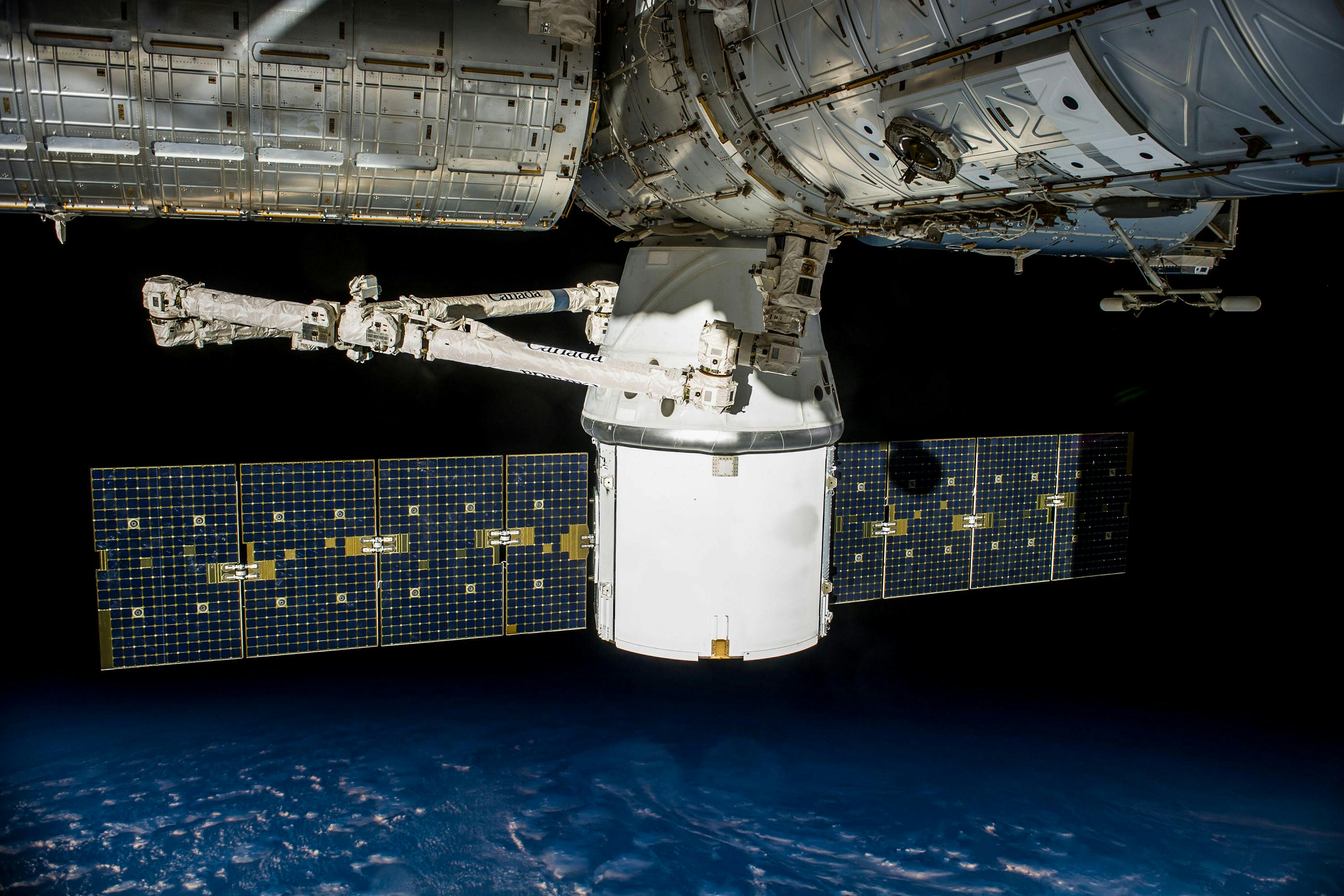
SpaceX launched NROL-179 from Vandenberg at 1:50 a.m. PDT June 19, carrying Starshield spy satellites for the National Reconnaissance Office.

Today's brief covers SpaceX's NROL-153 launch, US Space Force activities in Greenland, Starlink's record-breaking flight, and a OneWeb satellite glitch. Plus, our Satellite Spotlight shines on Duchifat-1.
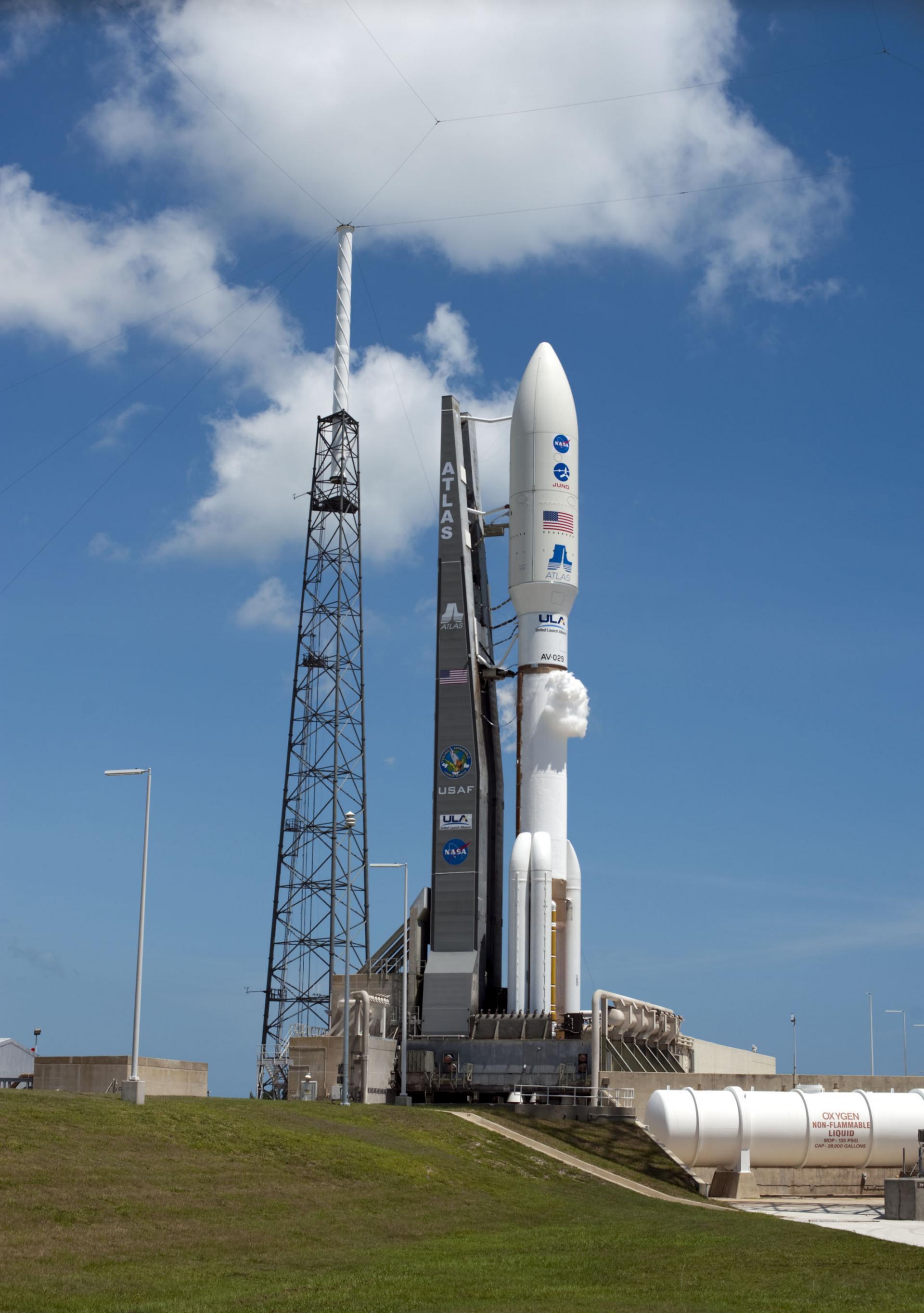
U.S. GSSAP satellites execute coordinated GEO maneuvers for continuous surveillance of Chinese Shijian-29 spacecraft. Handoff approach maintains coverage with zero gaps.
SpaceX prepares for a record-setting launch of Starlink satellites, while Iridium faces challenges against SpaceX's expanding services.
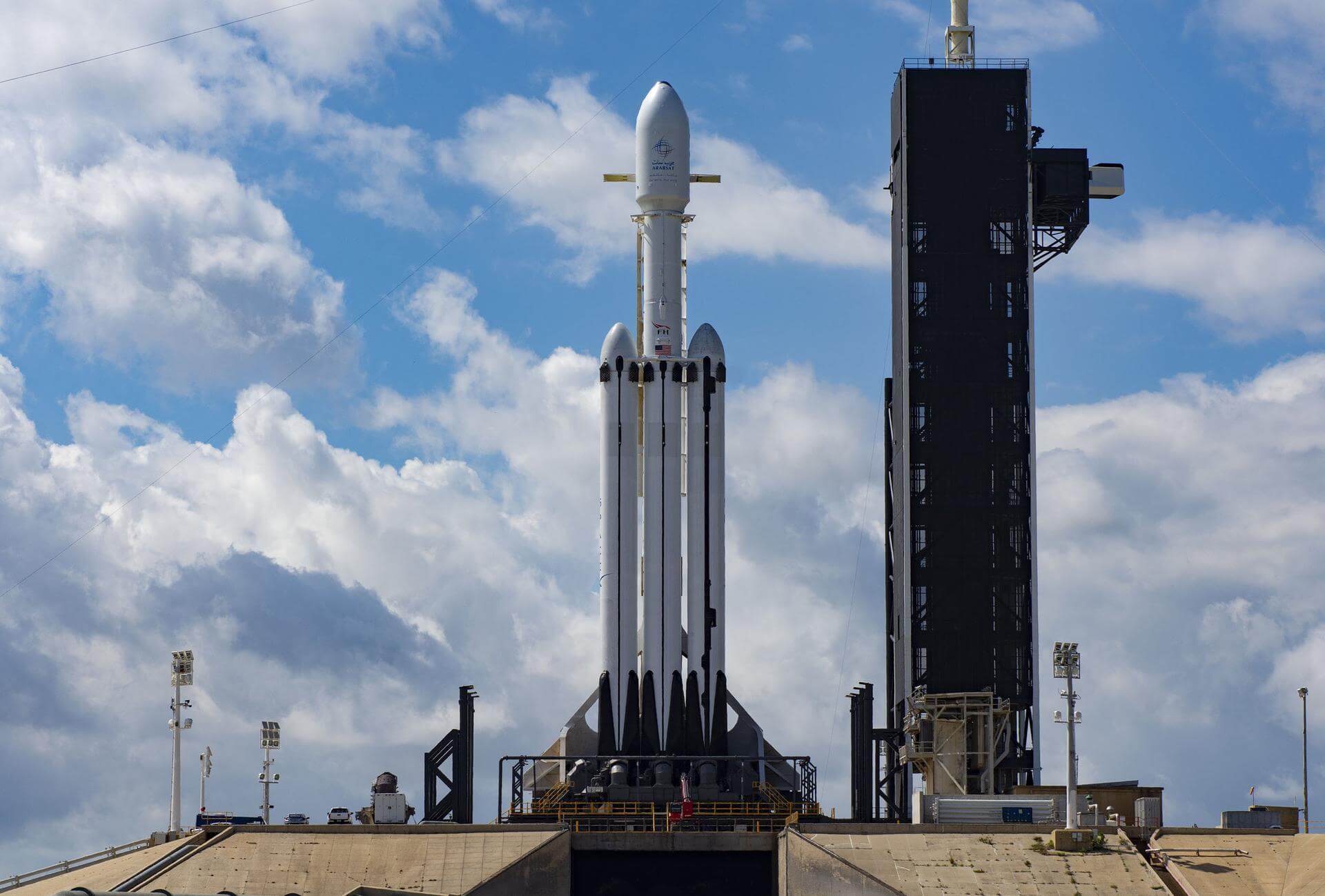
Pentagon requests $8 billion for space-based moving target tracking constellation in FY2027 budget. New NORAD IDs expected as Space Force expands orbital ISR capabilities.

Forty-one years ago, astronaut Bruce McCandless II became the first human to float completely free in space, pushing the boundaries of both technology and human courage
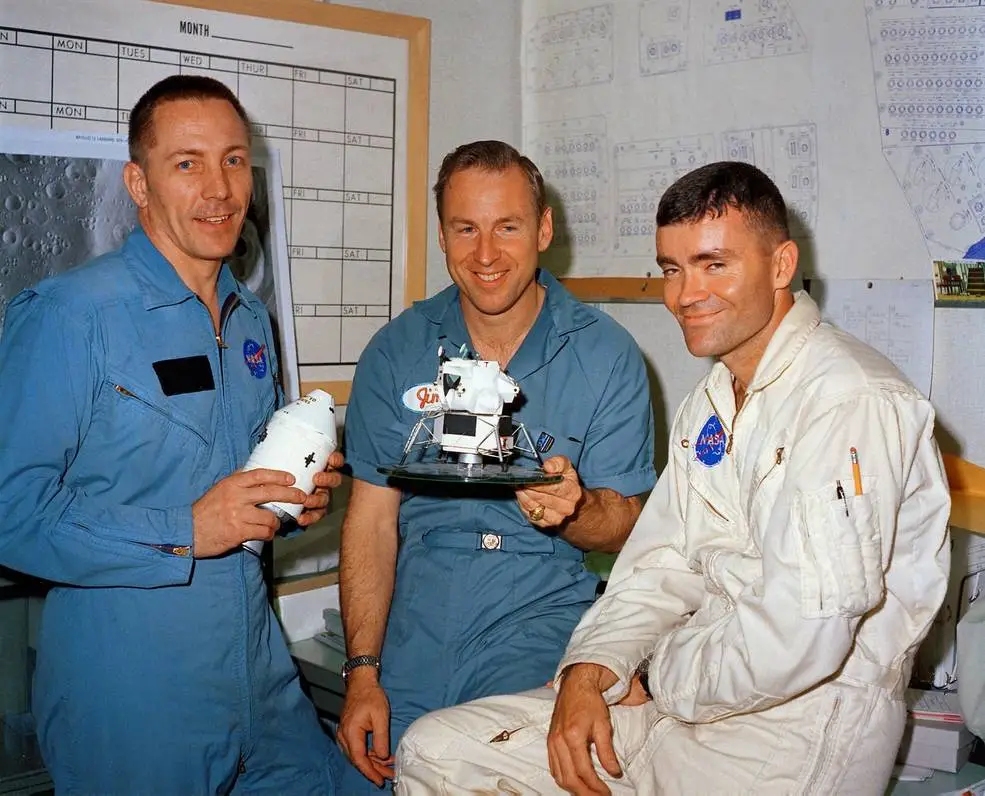
An overlooked thermostat, eight hours of overheating on a Florida launch pad, and 200,000 miles of coasting through deep space. Then Oxygen Tank No. 2 tore itself apart, and three men had to figure out how to come home alive in a spacecraft designed to land on the Moon.