


Space Brief 21 Jul 2025
Today's brief covers SpaceX's latest Starlink launch, fascinating exoplanet discoveries, and strategic lunar developments by China and South Korea.



Launch Date
July 24, 1983
Launch Site
Launch Pad
LC31
Launch Vehicle
Vostok 8A92M
NORAD ID
23149
International Designator
1983-075AT
Decay Date
11/11/1994
Name
COSMOS 1484 DEB
Alternative Name
deb Kosmos-1484
Type
Status
Owner
VNIEMR
Country
USSR
Constellation
N/A
Related Satellites
Major Events
N/A
Length
0
Diameter
0
Span
0
Dry Mass
0
Launch Mass
0
Shape
N/A
Radar Cross Section
0.0025
Visual Magnitude
Unknown
Color
Unknown
Material Composition
Unknown
Payload
Unknown
Purpose
Unknown
Mission
Unknown
Manufacturer
Unknown
Life Expectancy
Unknown
Bus
Unknown
Configuration
Unknown
Motor
Unknown
Equipment
Unknown
Power System
Unknown
ADCS
Unknown
Transmitter Frequency
Unknown
Learn more about satellites and other related topics.
Today's brief covers SpaceX's latest Starlink launch, fascinating exoplanet discoveries, and strategic lunar developments by China and South Korea.

Pentagon's $50B Iran supplemental request signals major investment in missile defense and ISR satellites. Amazon reshuffles LEO government leadership amid Kuiper competition.

GAO warns SDA missile-tracking satellite program overestimates tech readiness. SPACECOM pushes expanded on-orbit warfighting exercises. Congress advocates for enhanced GPS anti-jam capabilities.

Today's highlights include the release of a mystery object by Russian military satellites, SpaceX Fram2 mission insights, Amazon's upcoming satellite launch, and more.
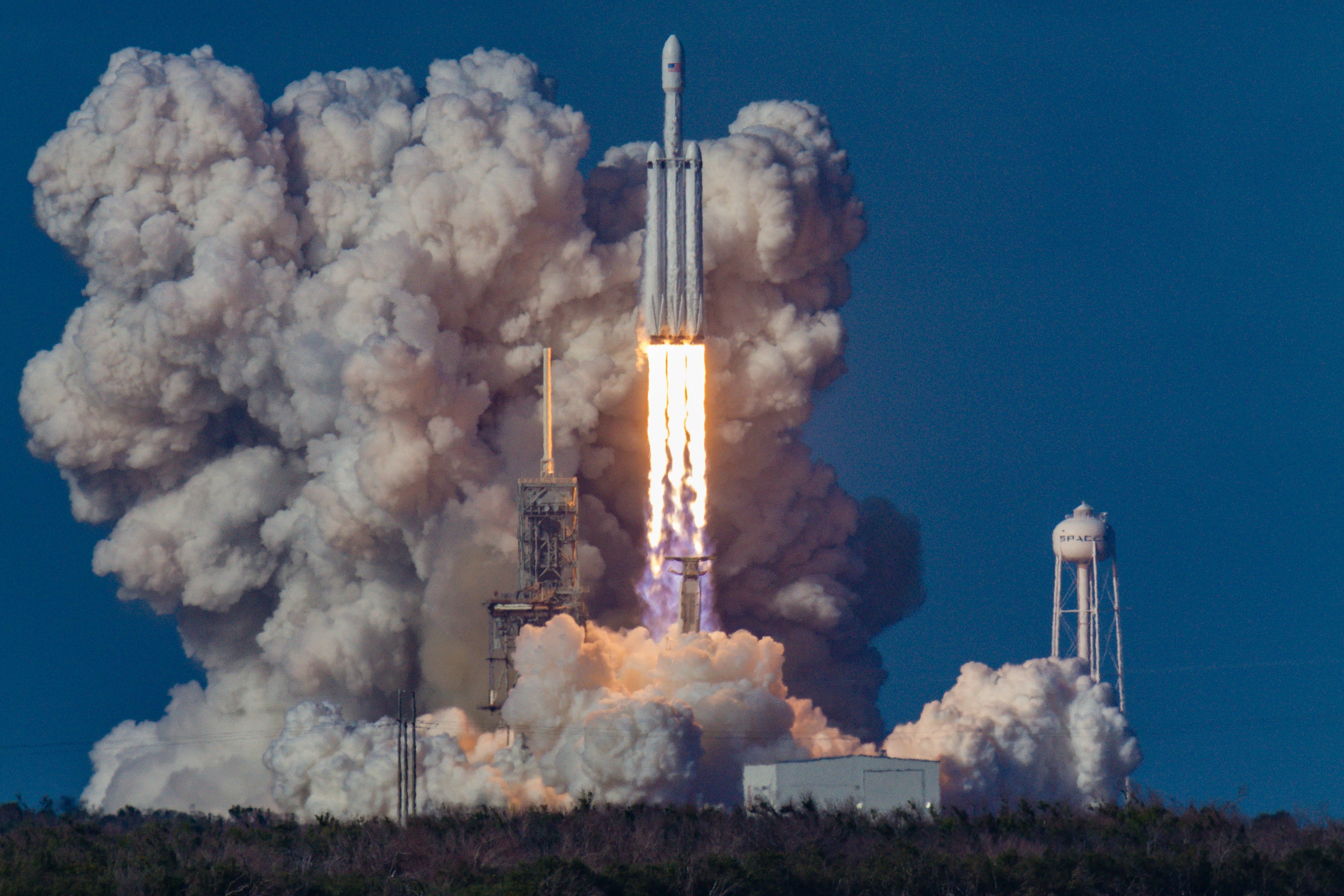
Trump reportedly asked Musk to donate SpaceX equity to seed children's savings accounts as Starlink tops 10,706 working satellites in orbit.
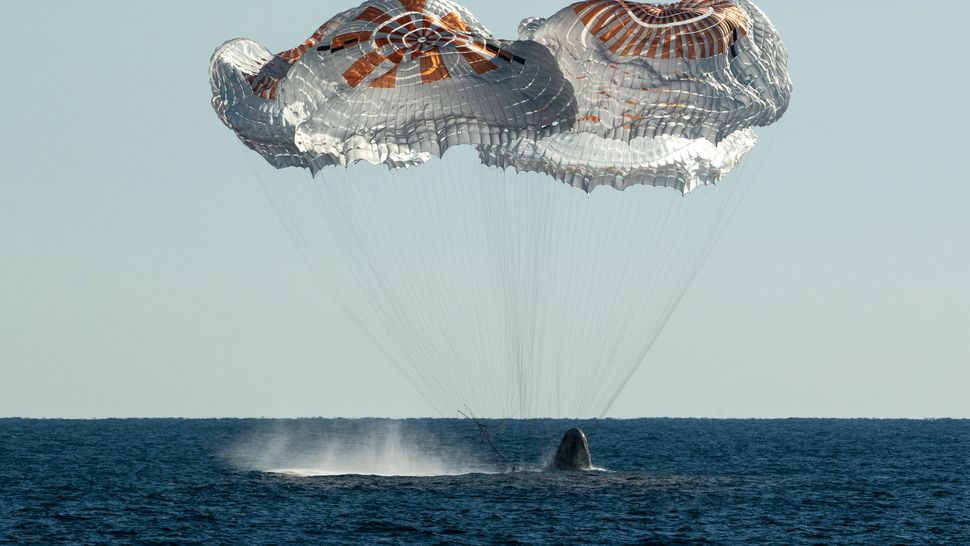
Today's highlights include Crew-8's return amid weather delays, new space tourism announcements by Deep Blue Aerospace, and Europe's efforts to combat space debris. Plus, another successful SpaceX launch and the ESA backed Zero Debris Charter gains international traction.
SpaceX makes headlines with dual Starlink launches, Rocket Lab inaugurates new launch complex, while AI's impact on space missions and satellite technology continues to stir discussions.

The Kessler Syndrome threatens humanity's future in space as cascading satellite collisions create exponential debris growth. With 36,000+ tracked objects and recent incidents accelerating risks, we face a critical juncture: implement solutions now or potentially lose access to low Earth orbit forever.