

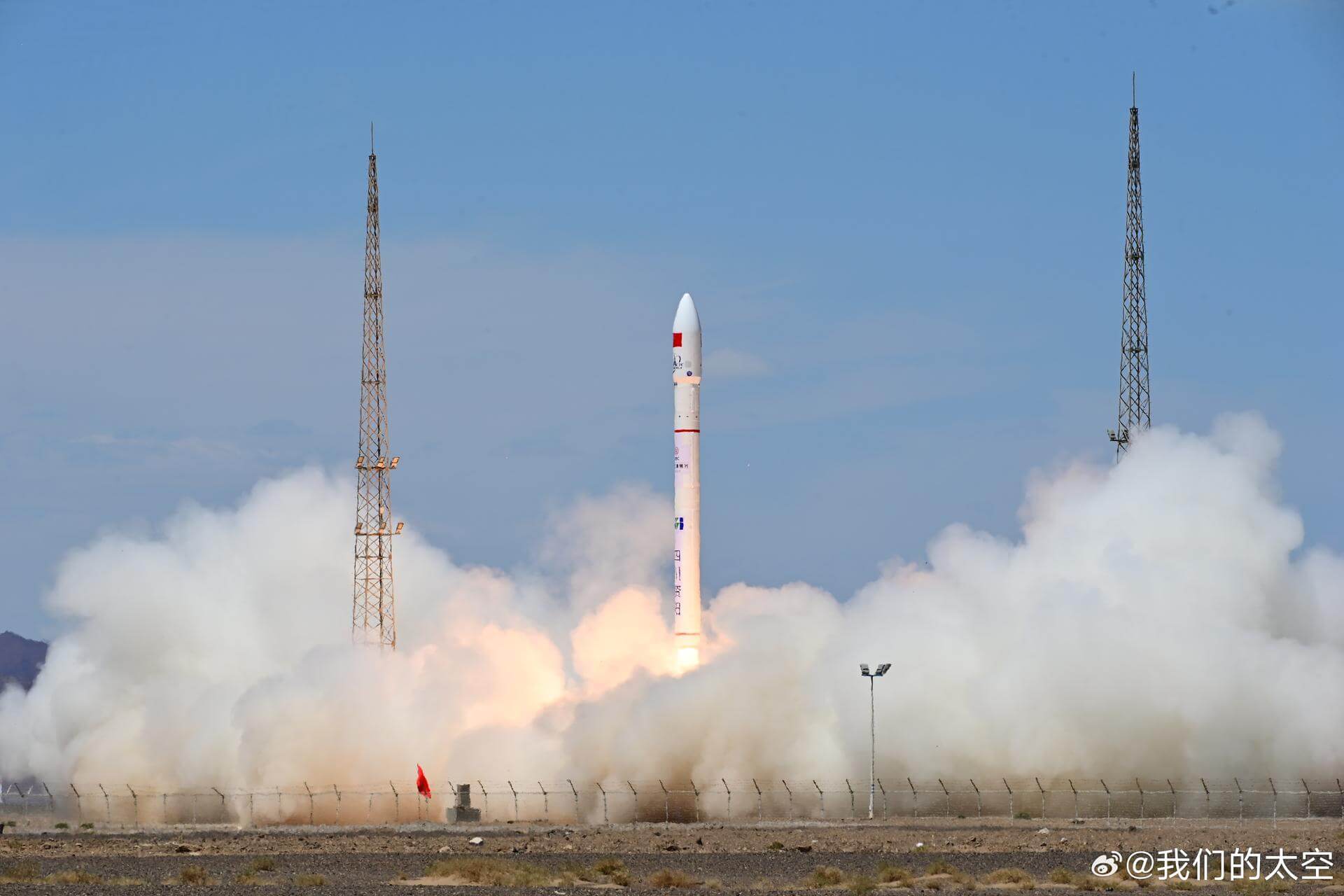
Space Brief 13 Mar 2025
Today's space brief highlights intriguing military satellite developments, new space launch strategies to counteract observation threats, and potential European defense industry advancements.


Launch Date
May 20, 1994
Launch Site
Launch Pad
LC81/23
Launch Vehicle
Proton-K/DM-2
NORAD ID
23117
International Designator
1994-030F
Decay Date
9/29/2001
Name
SL-12 R/B(AUX MOTOR)
Alternative Name
DM2-71L SOZ-2
Type
Status
Owner
RVSNR
Country
Russia
Constellation
N/A
Related Satellites
Major Events
N/A
Length
1.1
Diameter
0.5
Span
1.1
Dry Mass
60
Launch Mass
120
Shape
Cyl
Radar Cross Section
0.9344
Visual Magnitude
Unknown
Color
Unknown
Material Composition
Unknown
Payload
SOZ
Purpose
Unknown
Mission
Unknown
Manufacturer
RKKE
Life Expectancy
Unknown
Bus
SOZ
Configuration
Unknown
Motor
Unknown
Equipment
Unknown
Power System
Unknown
ADCS
Unknown
Transmitter Frequency
Unknown
Learn more about satellites and other related topics.
Today's space brief highlights intriguing military satellite developments, new space launch strategies to counteract observation threats, and potential European defense industry advancements.
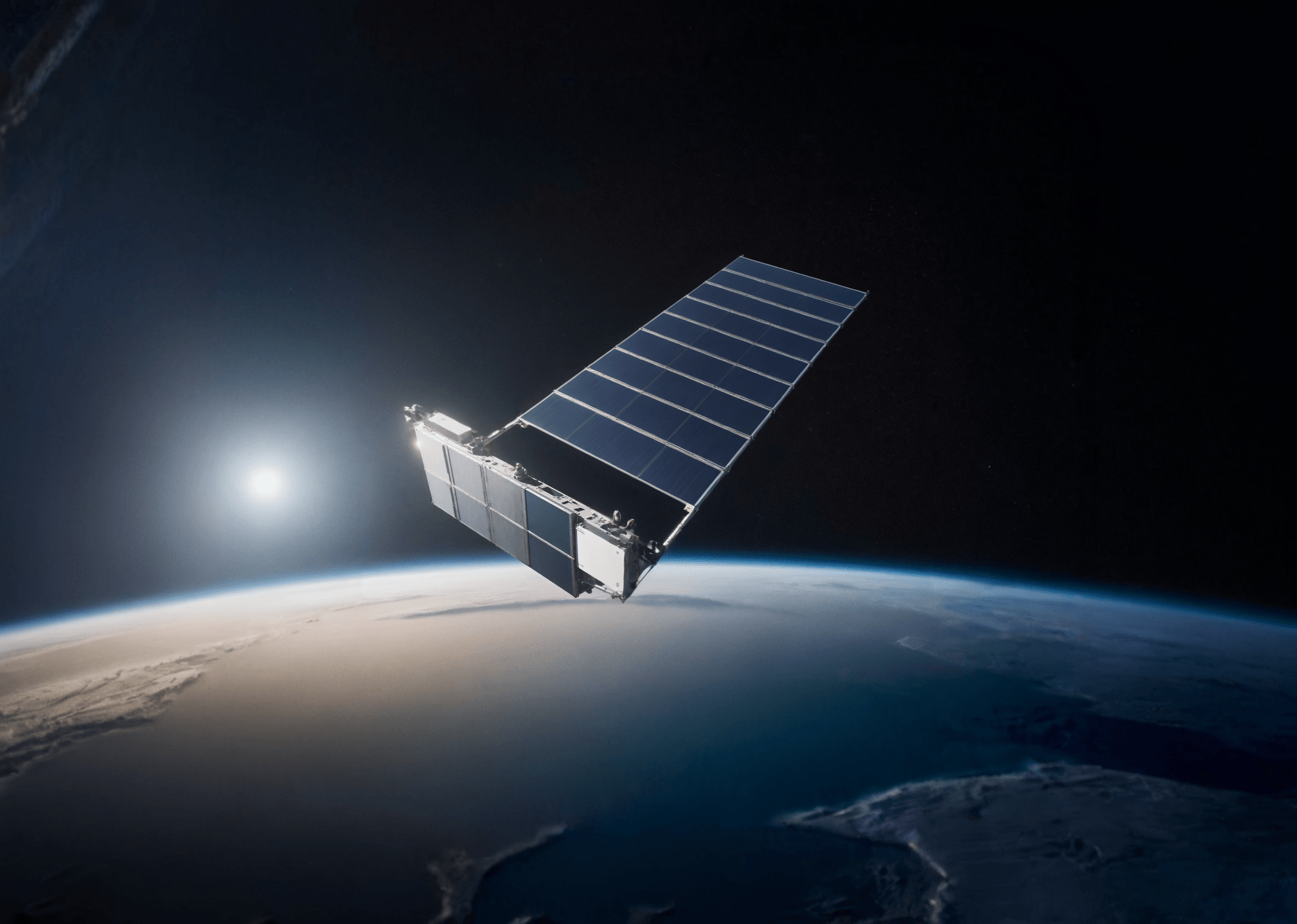
As of March 2024, SpaceX's Starlink has made remarkable strides in its quest to provide global broadband internet access. With an astounding number of satellites already in orbit and ambitious plans for expansion, Starlink is on track to dominate Earth's orbit in the coming years.

SpaceX targets seven rocket launches from six global sites this week including two Falcon 9 missions from California. 29 Starlink satellites successfully deployed from Cape Canaveral on January 18.
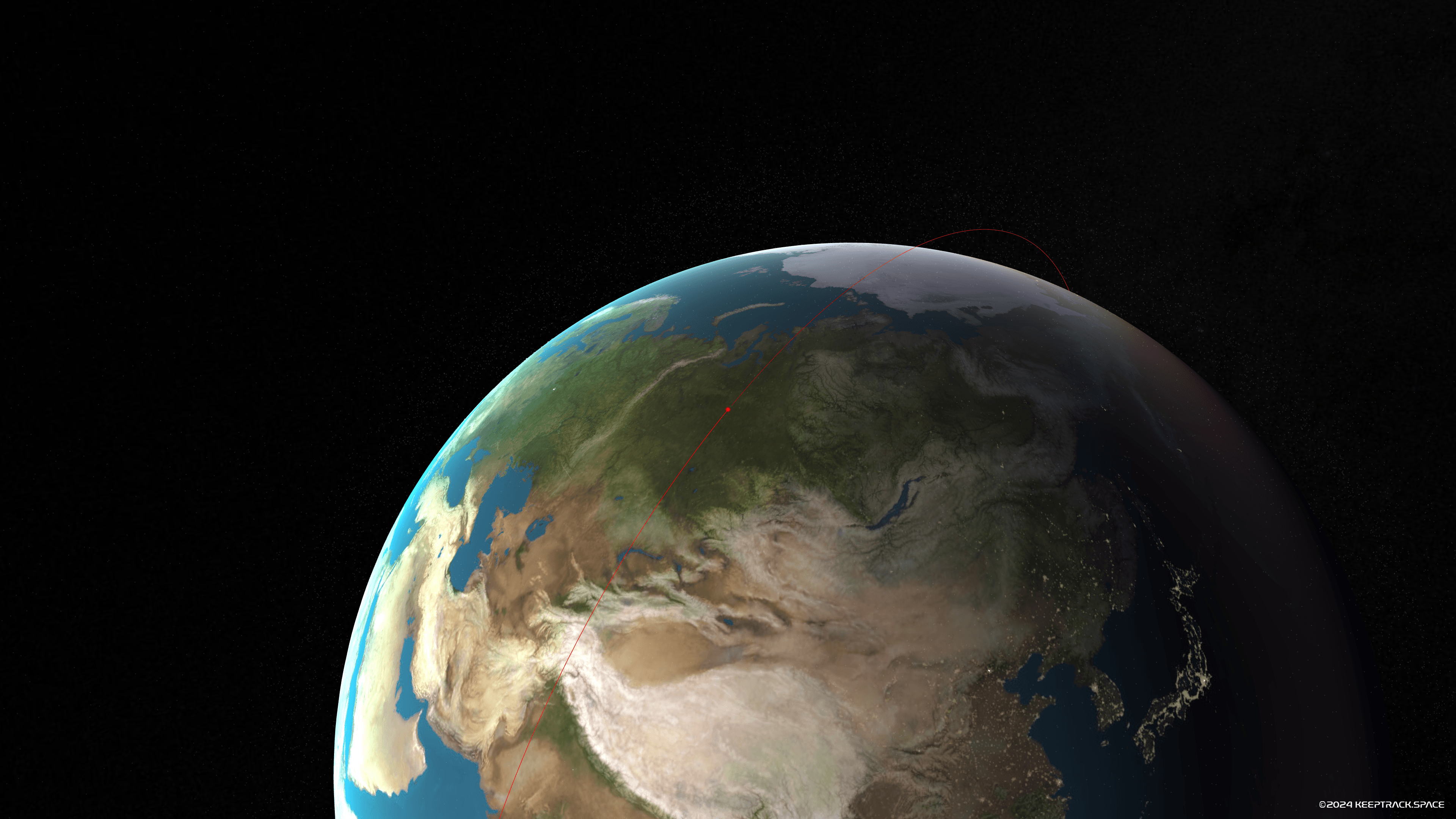
ESA's Cluster mission coming to an end, Europe's contributions to Artemis III, JUICE's groundbreaking maneuvers, Yaogan EO satellites, and amateur astronomers discovering exoplanets.

Today's brief covers the Army's move to create a space career field for enlisted soldiers, Terran Orbital's involvement in a Space Force tech program, advancements in missile warning systems, a first flight test by Inversion Space, and more.

Falcon Heavy flew for the first time in eighteen months on April 29, 2026, expending its center core to push Viasat's final ViaSat-3 satellite toward geostationary orbit. The mission is a flagship rocket doing what only it can still do, for an operator betting six tons of high-throughput hardware on a market Starlink is rapidly redefining.

Artemis II grabbed the headlines, but six other missions are quietly approaching milestones that could reshape what we know about Mercury, Mars, asteroids, exoplanets, and the Moon's south pole. Here is what is actually happening with each of them.
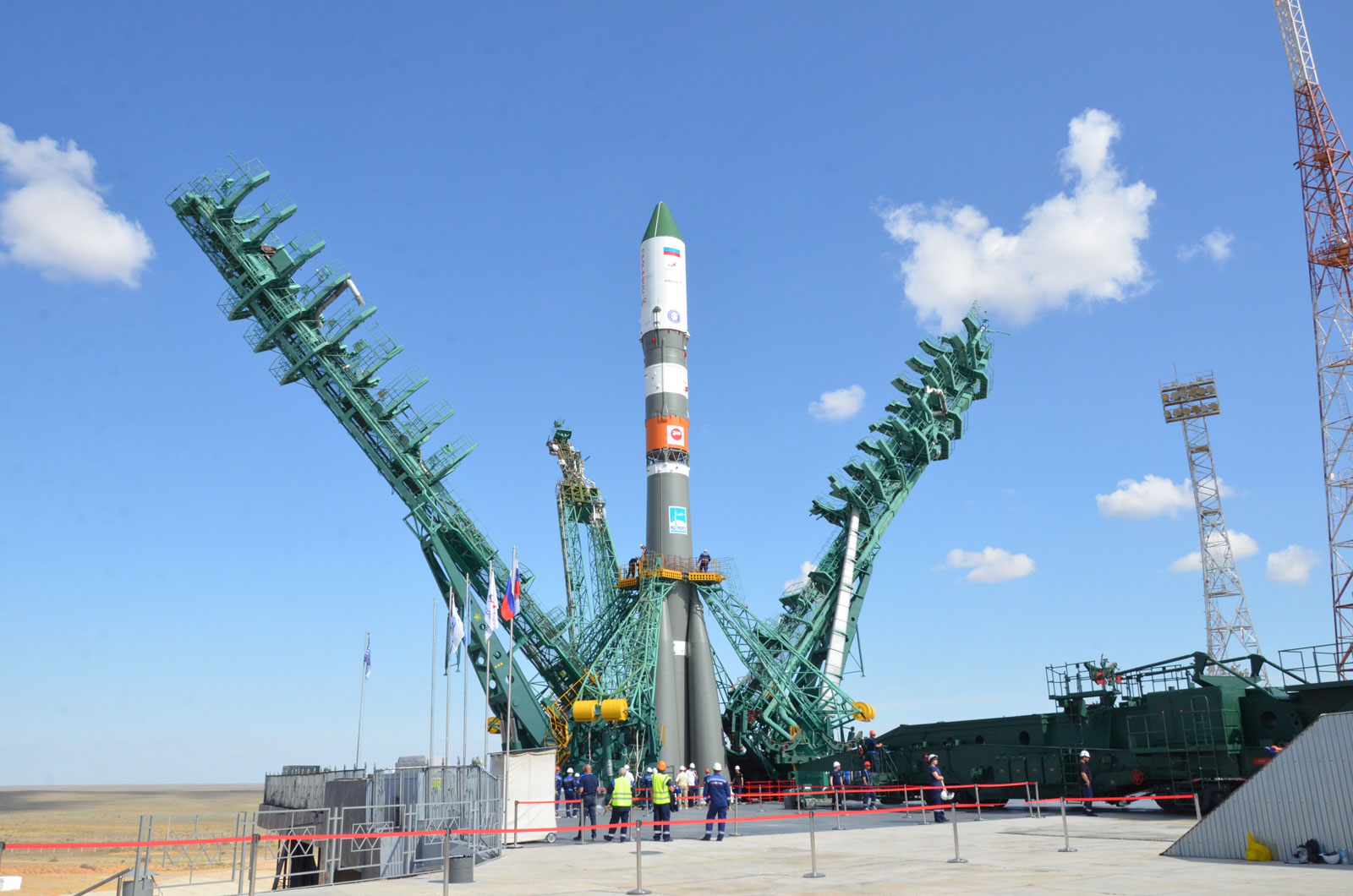
Today's briefing highlights major advancements in tactical satellite communications for military applications, the expansion of an IoT satellite constellation by China's Geespace, and significant developments in lunar communications and surveillance systems.