


Space Brief 7 Jun 2025
Today's brief covers the latest in satellite launches, military implications in space funding, and notable reentry delays.



Launch Date
November 18, 1989
Launch Site
AFWTR
Launch Pad
SLC2W
Launch Vehicle
Delta 5920-8
NORAD ID
23065
International Designator
1989-089BL
Decay Date
9/24/1998
Name
COBE DEB
Alternative Name
deb COBE
Type
Status
Owner
GSFC
Country
United States
Constellation
N/A
Related Satellites
Major Events
N/A
Length
0
Diameter
0
Span
0
Dry Mass
0
Launch Mass
0
Shape
N/A
Radar Cross Section
0.0096
Visual Magnitude
Unknown
Color
Unknown
Material Composition
Unknown
Payload
Unknown
Purpose
Unknown
Mission
Unknown
Manufacturer
Unknown
Life Expectancy
Unknown
Bus
Unknown
Configuration
Unknown
Motor
Unknown
Equipment
Unknown
Power System
Unknown
ADCS
Unknown
Transmitter Frequency
Unknown
Learn more about satellites and other related topics.
Today's brief covers the latest in satellite launches, military implications in space funding, and notable reentry delays.
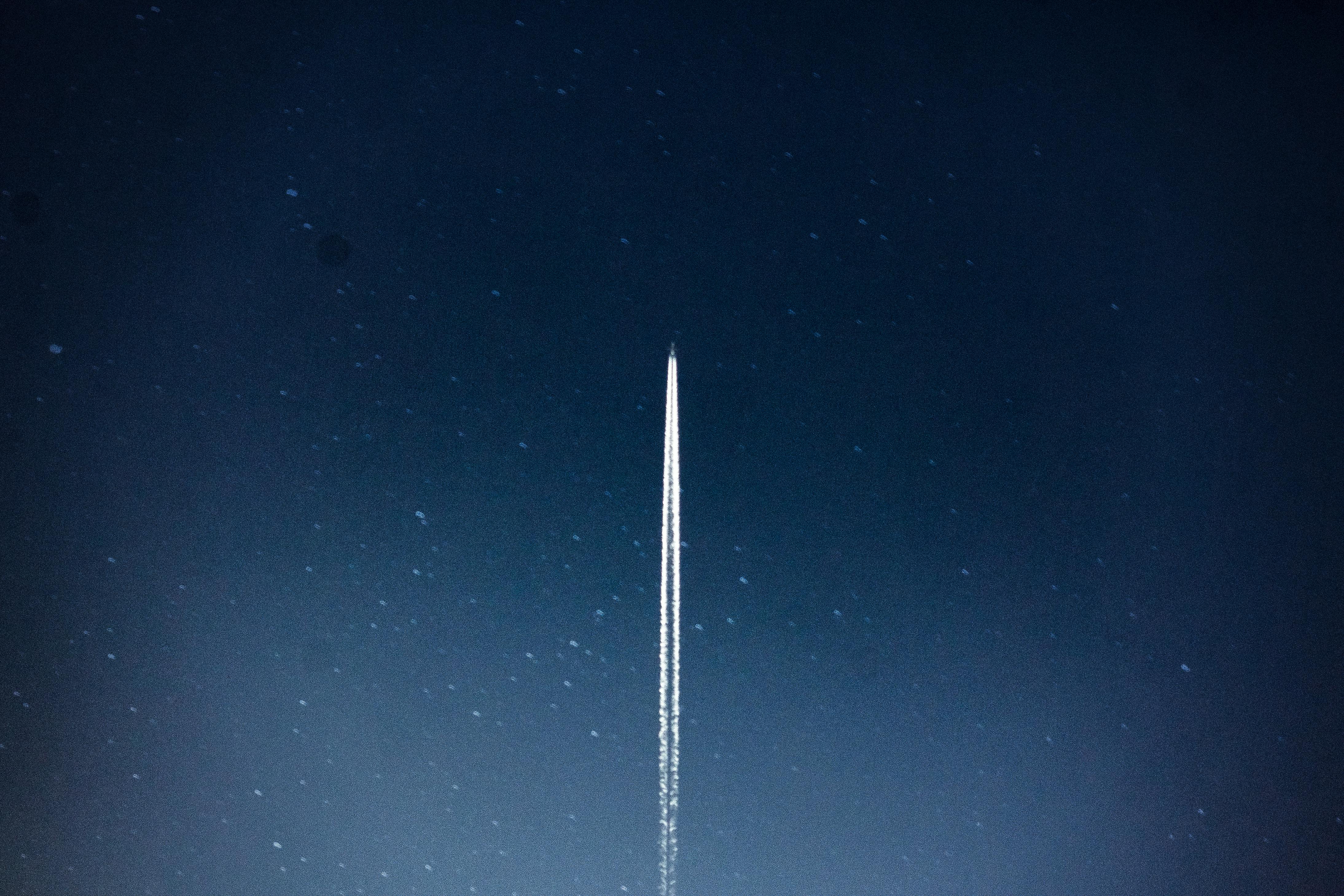
Key updates include the impending Falcon 9 launch for Transporter-14, insights on Starship's explosion, and a last-minute abort of the Starlink 10-23 mission.
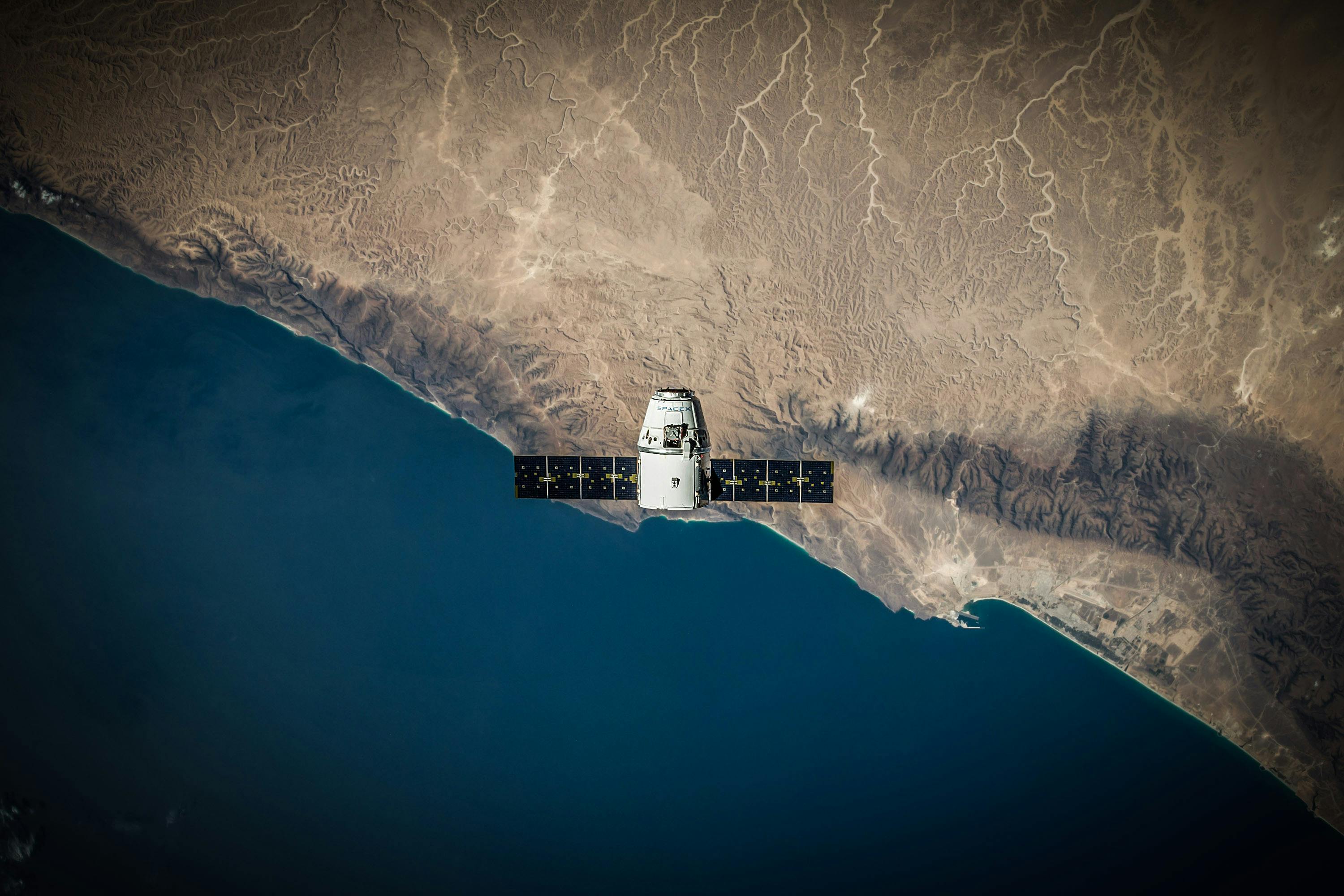
Elon Musk pushed back on orbital crowding concerns as SpaceX eyes data centers in space, with 10,584 Starlink satellites currently operational.
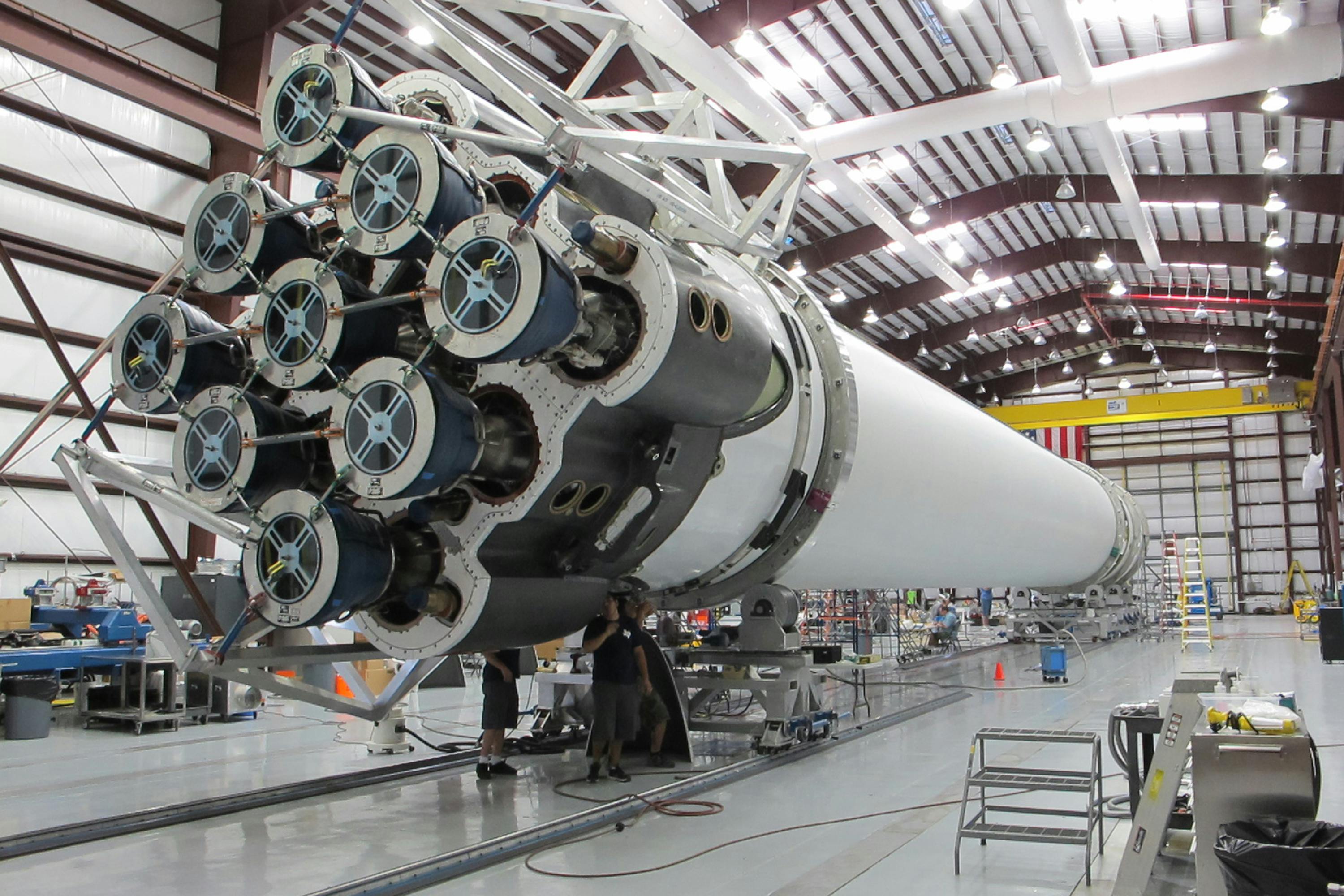
SpaceX ignited all 33 next-gen Raptor V3 engines on the Super Heavy booster at Starbase, Texas, marking a critical milestone toward the next Starship flight.

Today's space news highlights include U.S. military satellite deployments, innovative AI aboard the Chinese space station, and breakthroughs in interplanetary communications.

Europe's Arctic gateway to orbit. How Norway's Andøya Spaceport is positioning itself as the continent's answer to launch congestion - and what the failed Isar Aerospace test flight means for the road ahead.
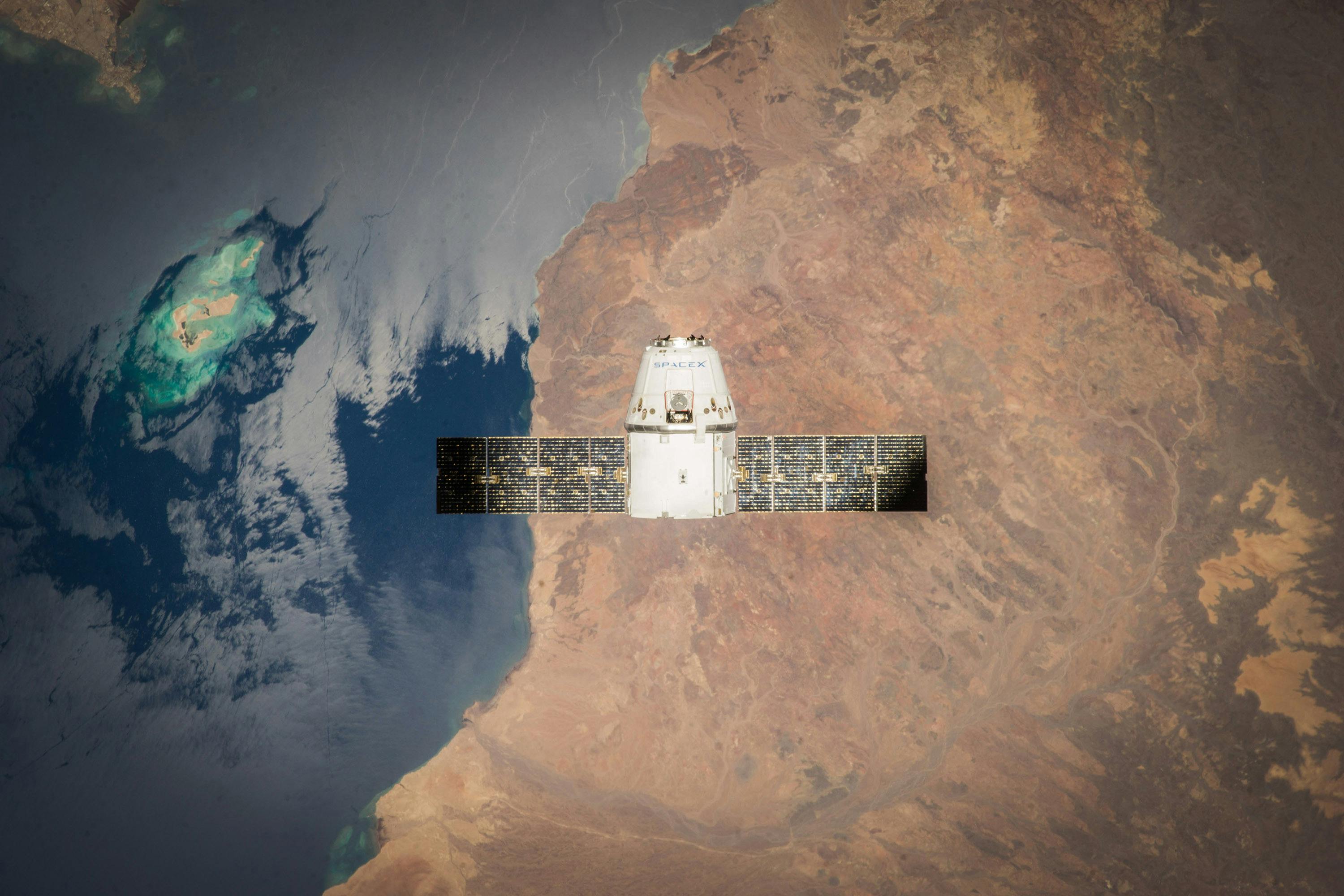
SpaceX celebrates significant milestones with the launch of Falcon 9 and developments in the Starship program, while Elon Musk addresses media narratives surrounding Starlink's humanitarian efforts.
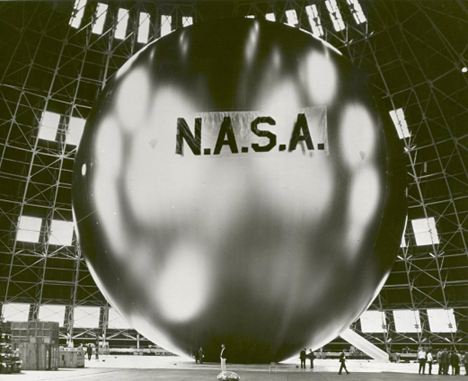
When a 135-foot inflatable mirror bounced a radio signal from England to Russia, it became the first joint US-Soviet space venture - and changed how we think about satellite communication.