


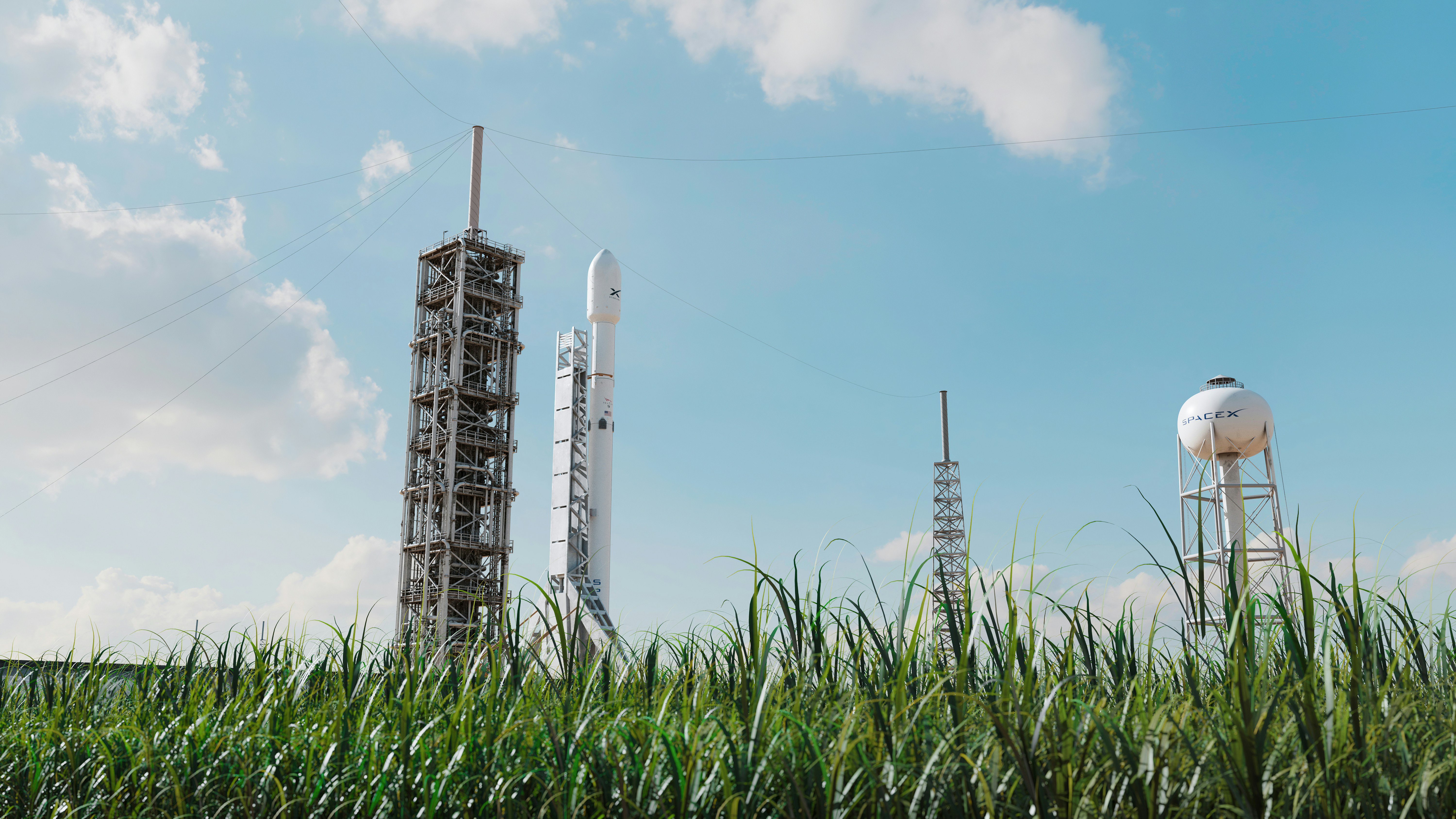
X Report 29 Dec 2024
SpaceX wraps up 2024 with successful Starlink and Astranis launches, while reflecting on a monumental year for the Starship program.


Launch Date
March 10, 1994
Launch Site
Launch Pad
LC17A
Launch Vehicle
Delta 7925
NORAD ID
23027
International Designator
1994-016A
Epoch
Thu, 02 Jul 2026 12:13:38 GMT
Apogee
Calculating...
Perigee
Calculating...
Inclination
53.09°
Right Ascension
273.46°
Eccentricity
Calculating...
Argument of Perigee
218.24°
Period
771.39 min
Mean Motion
1.87 rev/day
Latitude
Calculating...
Longitude
Calculating...
Altitude
Calculating...
Velocity
Calculating...
Name
NAVSTAR 36 (USA 100)
Alternative Name
GPS IIA-15
Type
Status
Owner
AFSMC
Country
United States
Constellation
N/A
Related Satellites
Major Events
N/A
1 23027U 94016A 26183.50947441 -.00000020 00000-0 00000+0 0 9990
2 23027 53.0935 273.4632 0034525 218.2355 142.5508 1.86675120233518
Source: Celestrak
Length
2.4
Diameter
1.8
Span
5.3
Dry Mass
860
Launch Mass
860
Shape
Box + 2 Pan
Radar Cross Section
1.9565
Visual Magnitude
Unknown
Color
Unknown
Material Composition
Unknown
Payload
GPS SVN 36
Purpose
Navigation
Mission
Navigation
Manufacturer
RWISB
Life Expectancy
7.5 years
Bus
GPS
Configuration
3-Axis stabilized
Motor
Star 37XFP
Equipment
?
Power System
2 deployable solar arrays, batteries
ADCS
Unknown
Transmitter Frequency
Unknown
Learn more about satellites and other related topics.
SpaceX wraps up 2024 with successful Starlink and Astranis launches, while reflecting on a monumental year for the Starship program.

Booster B1067 sets new Falcon 9 reuse record with 35th successful flight, deploying 29 Starlink satellites. Quantum Space pursues public markets via SPAC.
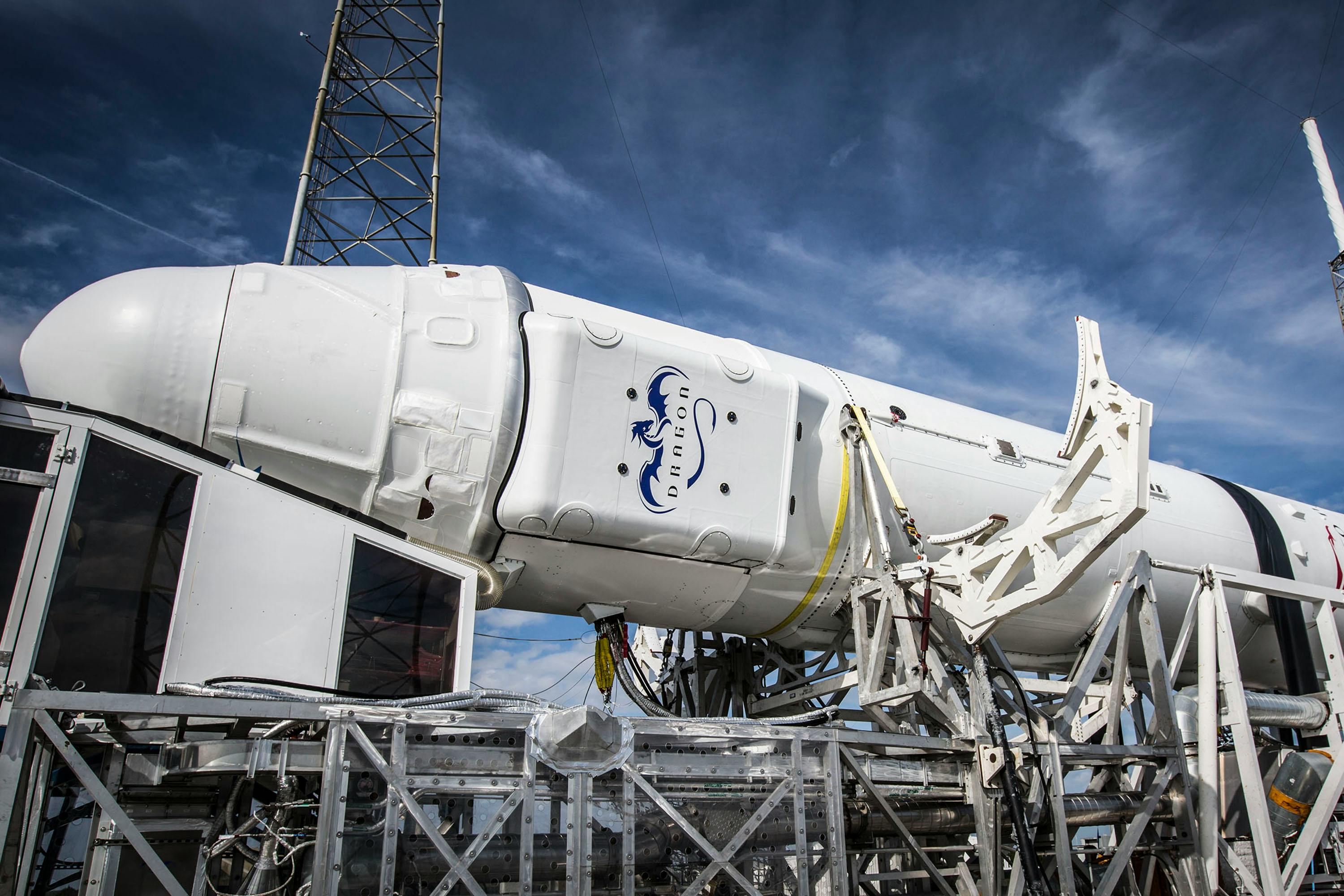
A second Starlink satellite malfunction in just over three months has generated on-orbit debris, raising fresh questions about SpaceX's 10,151-strong working constellation.

SpaceX's ongoing challenges with the Starship Flight 10 launch are prominent today, as weather and technical issues continue to push back the schedule. Meanwhile, successful cargo missions to the ISS highlight the company's ongoing commitment to space operations.
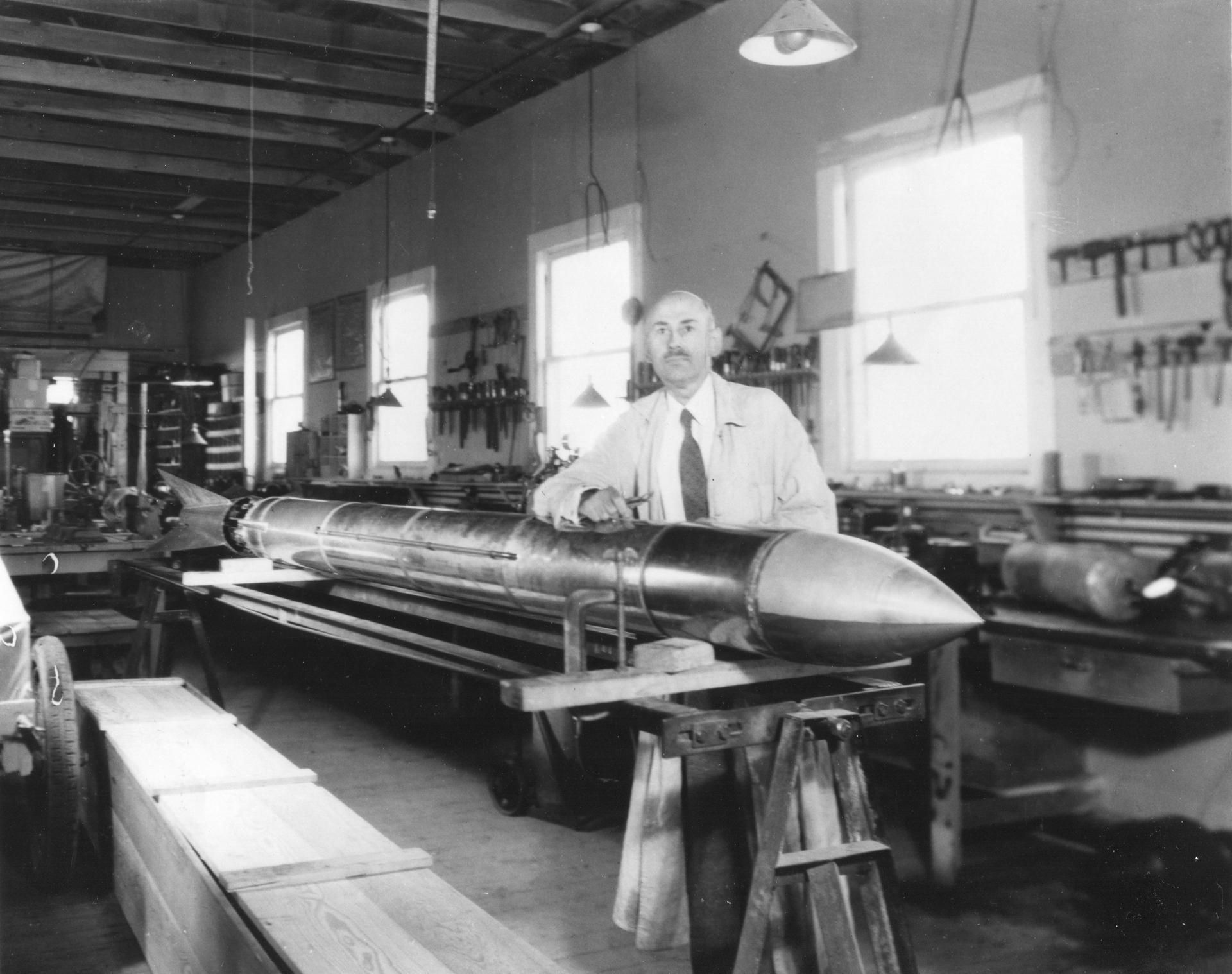
On February 2, 1909, Robert Goddard made a revolutionary breakthrough in his notebook: liquid oxygen and liquid hydrogen could achieve 50% efficiency in converting heat energy to kinetic energy for rocket propulsion

Blue Origin's New Glenn suffered a damaging anomaly during hotfire testing at Launch Complex 36, grounding the heavy-lift rocket indefinitely with no return-to-flight timeline announced.
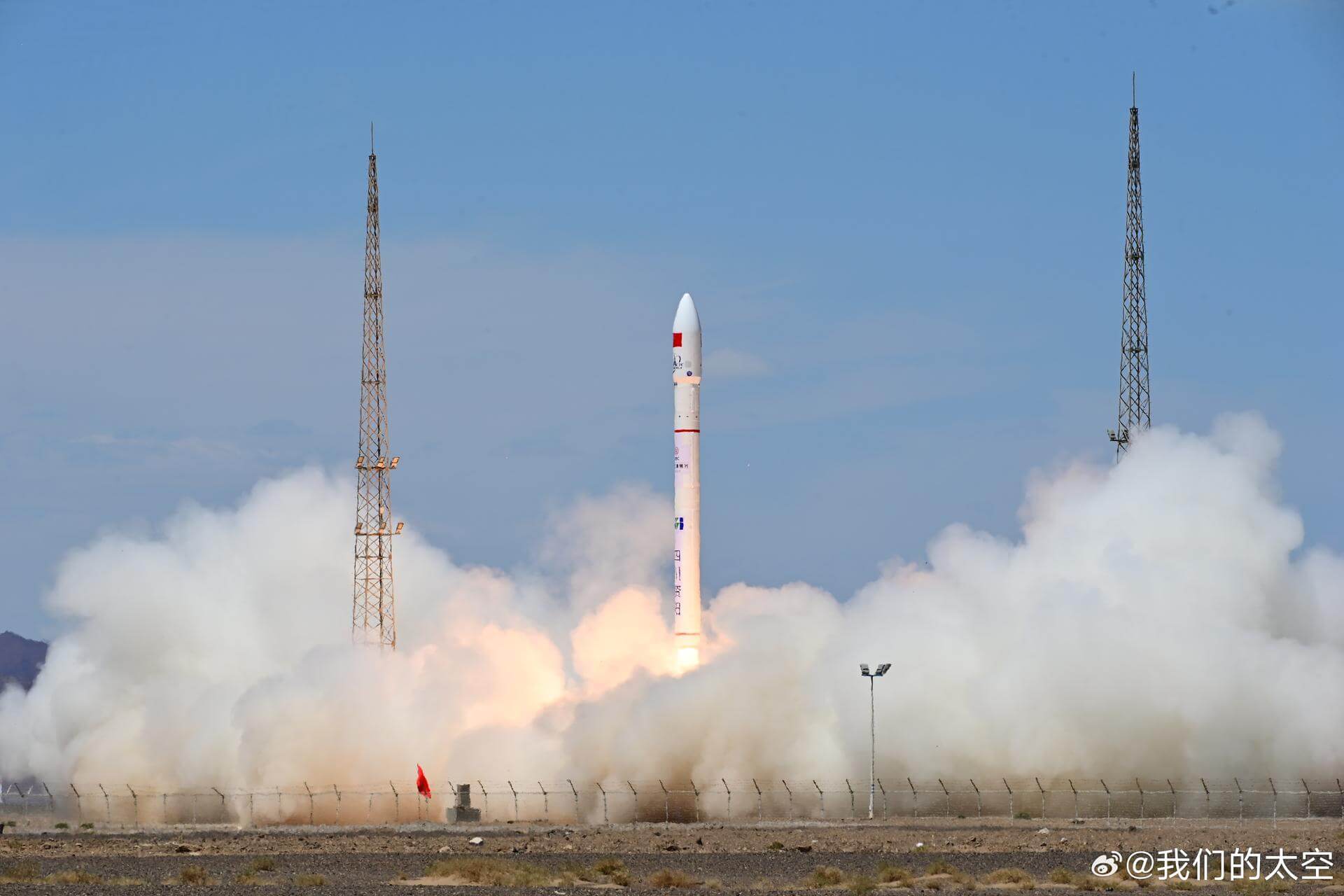
Today's Space Brief covers imminent launches, new developments in space technology, and strategic military contributions to satellite defense systems.

Today's brief highlights significant advancements in satellite launches, new defense contracts, and technological integrations between major firms in the space sector.