

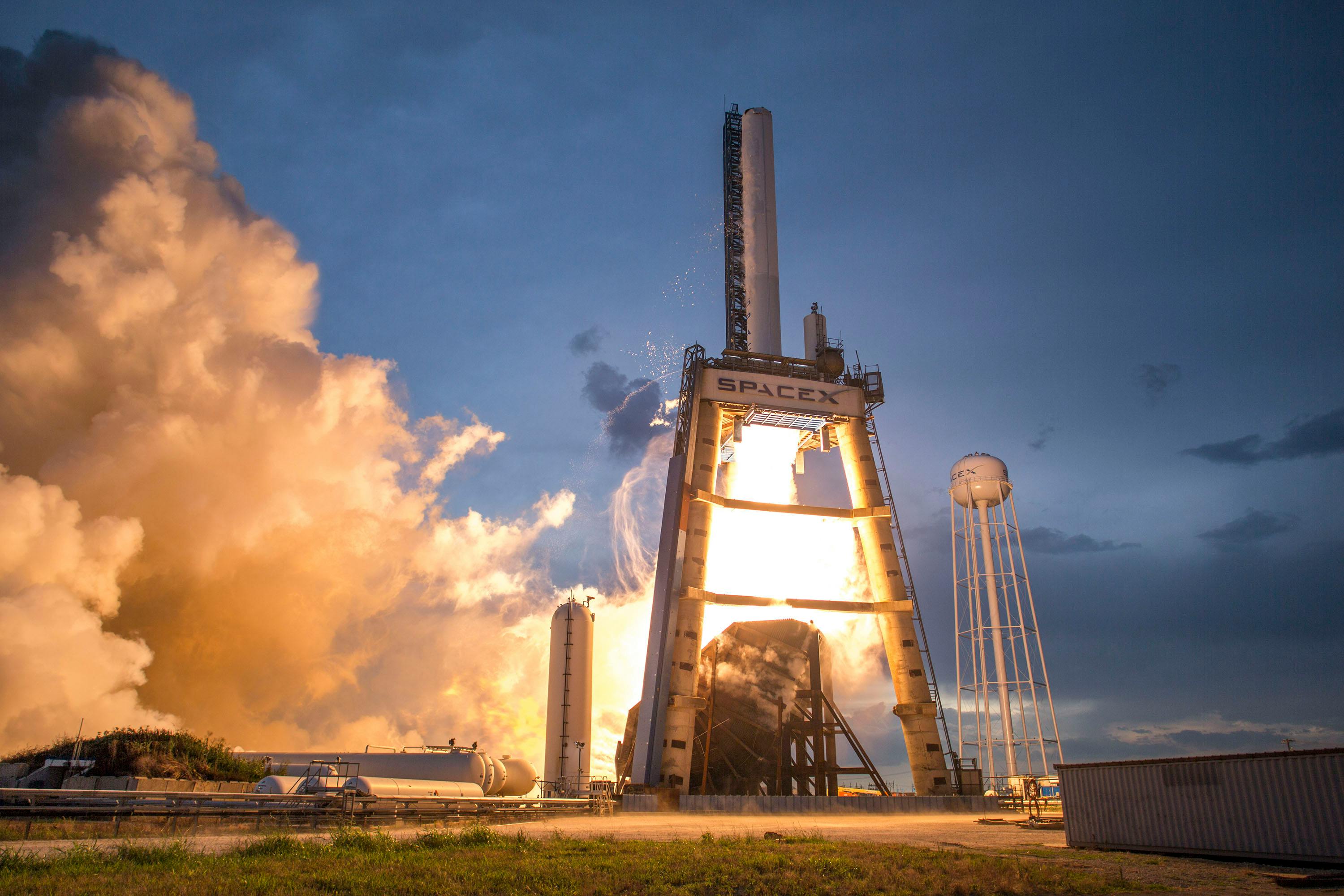
X Report 2 Oct 2025
Today's briefing covers Starlink's role in disaster recovery in the Philippines, insights into the evolving direct-to-device market, and news of European plans for a reusable upper stage rocket inspired by SpaceX's Starship.


Launch Date
February 5, 1994
Launch Site
Launch Pad
LC81/23
Launch Vehicle
Proton-K/DM-2
NORAD ID
22985
International Designator
1994-008E
Decay Date
11/28/1994
Name
SL-12 R/B(AUX MOTOR)
Alternative Name
DM2-83L SOZ-1
Type
Status
Owner
RVSNR
Country
Russia
Constellation
N/A
Related Satellites
Major Events
N/A
Length
1.1
Diameter
0.5
Span
1.1
Dry Mass
60
Launch Mass
120
Shape
Cyl
Radar Cross Section
1.2589
Visual Magnitude
Unknown
Color
Unknown
Material Composition
Unknown
Payload
SOZ
Purpose
Unknown
Mission
Unknown
Manufacturer
RKKE
Life Expectancy
Unknown
Bus
SOZ
Configuration
Unknown
Motor
Unknown
Equipment
Unknown
Power System
Unknown
ADCS
Unknown
Transmitter Frequency
Unknown
Learn more about satellites and other related topics.
Today's briefing covers Starlink's role in disaster recovery in the Philippines, insights into the evolving direct-to-device market, and news of European plans for a reusable upper stage rocket inspired by SpaceX's Starship.
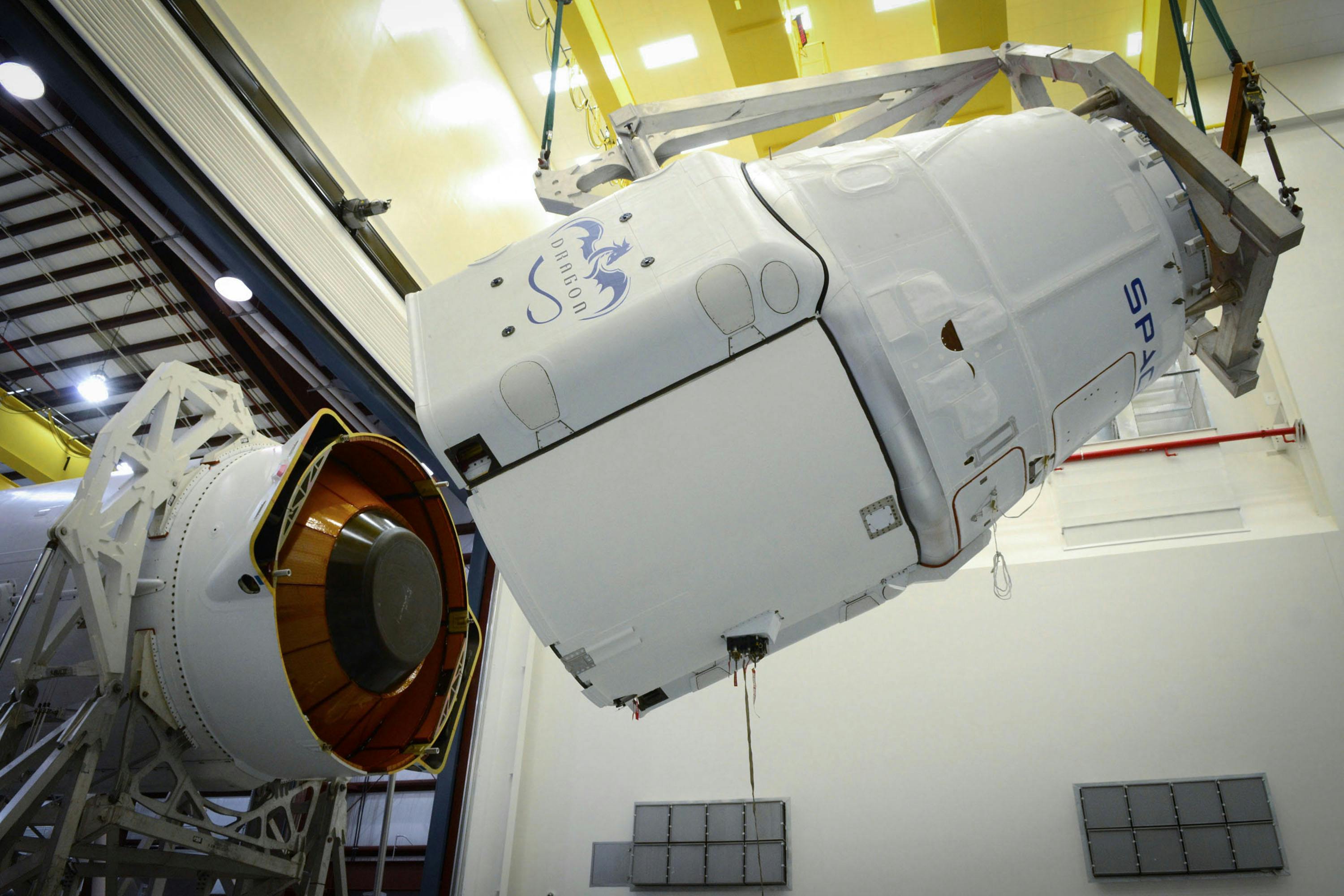
SpaceX successfully launched the Transporter-15 rideshare mission, deploying 140 payloads including significant international contributions. Meanwhile, the company progresses with Booster 19 stacking after the recent Booster 18 anomaly.

SpaceX conducted significant test firings and further expanded its satellite fleet, while the EU scrutinizes Starlink's market impact amid ongoing space industry negotiations.
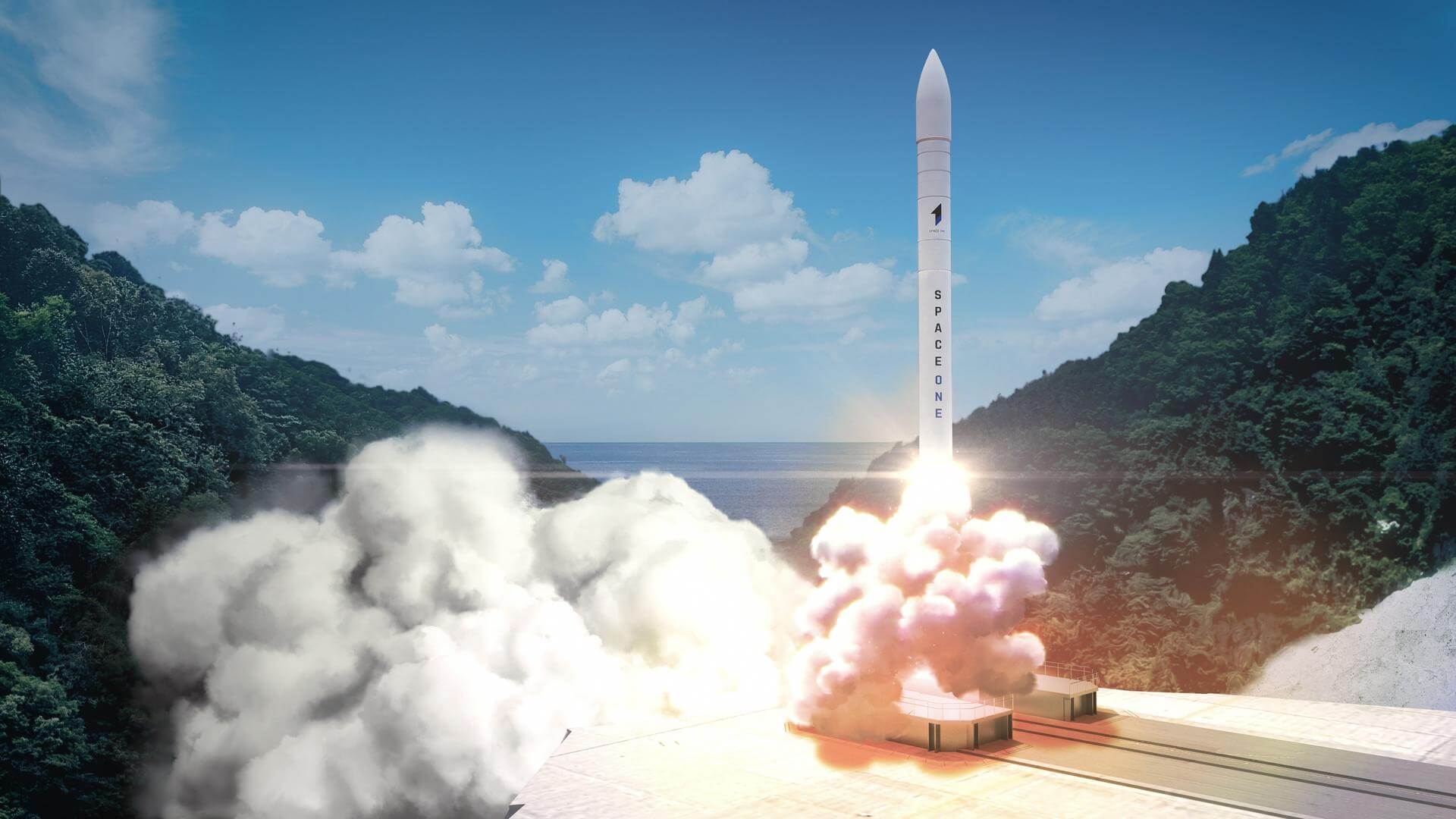
Today's brief covers significant advancements in materials technology for space applications, a U.S. Navy contract for rocket production facilities, and NATO's upcoming classified cloud system.
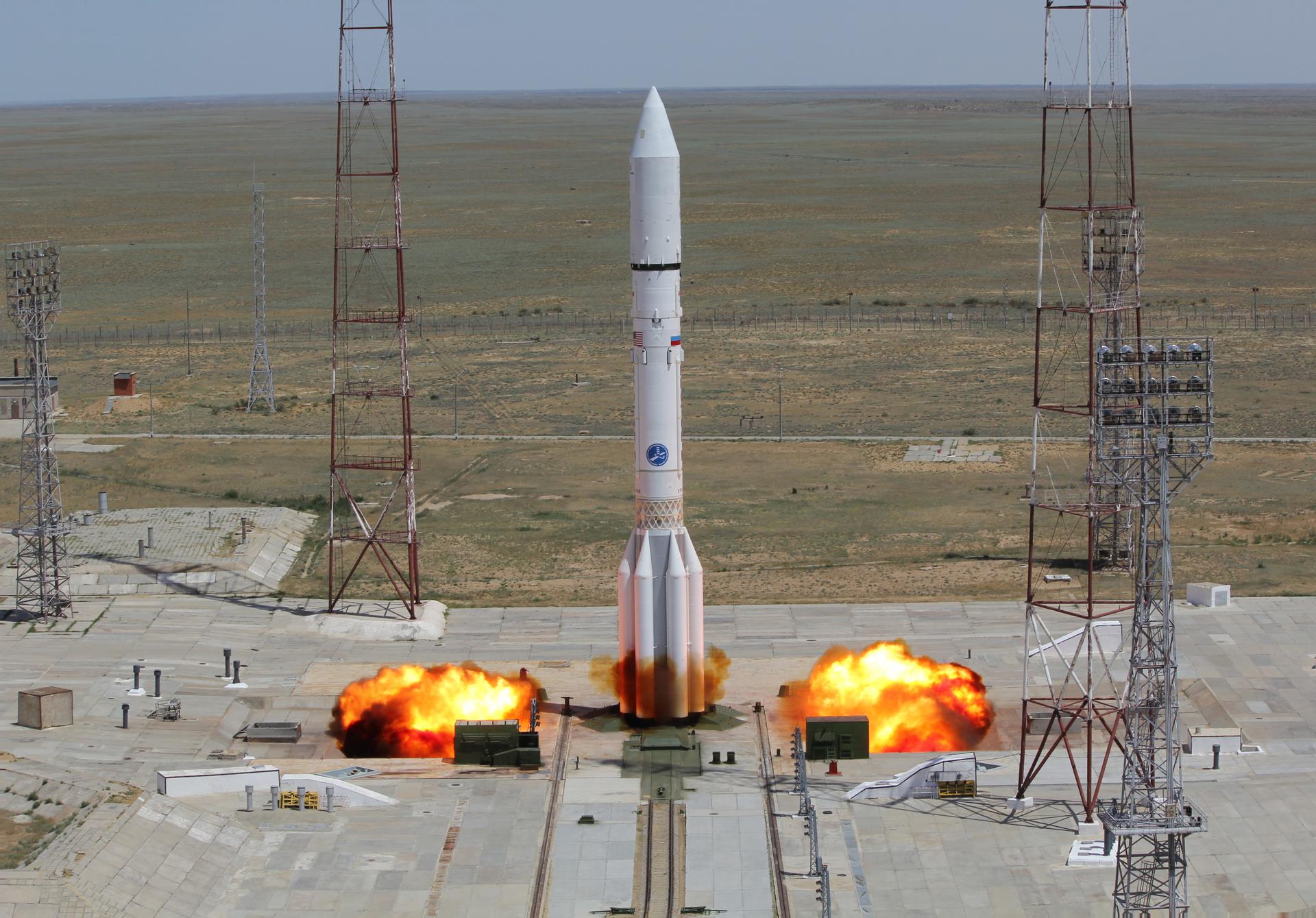
NASA conducts critical Artemis 2 rocket fueling test. Saudi Space Agency announces global DebriSolver competition winners. SpaceX and Bezos push orbital data center plans.

Space Force allocated $26B in 2026 defense appropriations backing Golden Dome initiative. FY26 defense bill adds $8B but sidelines $28B munitions request. First Qatari-Emirati joint defense venture formed.
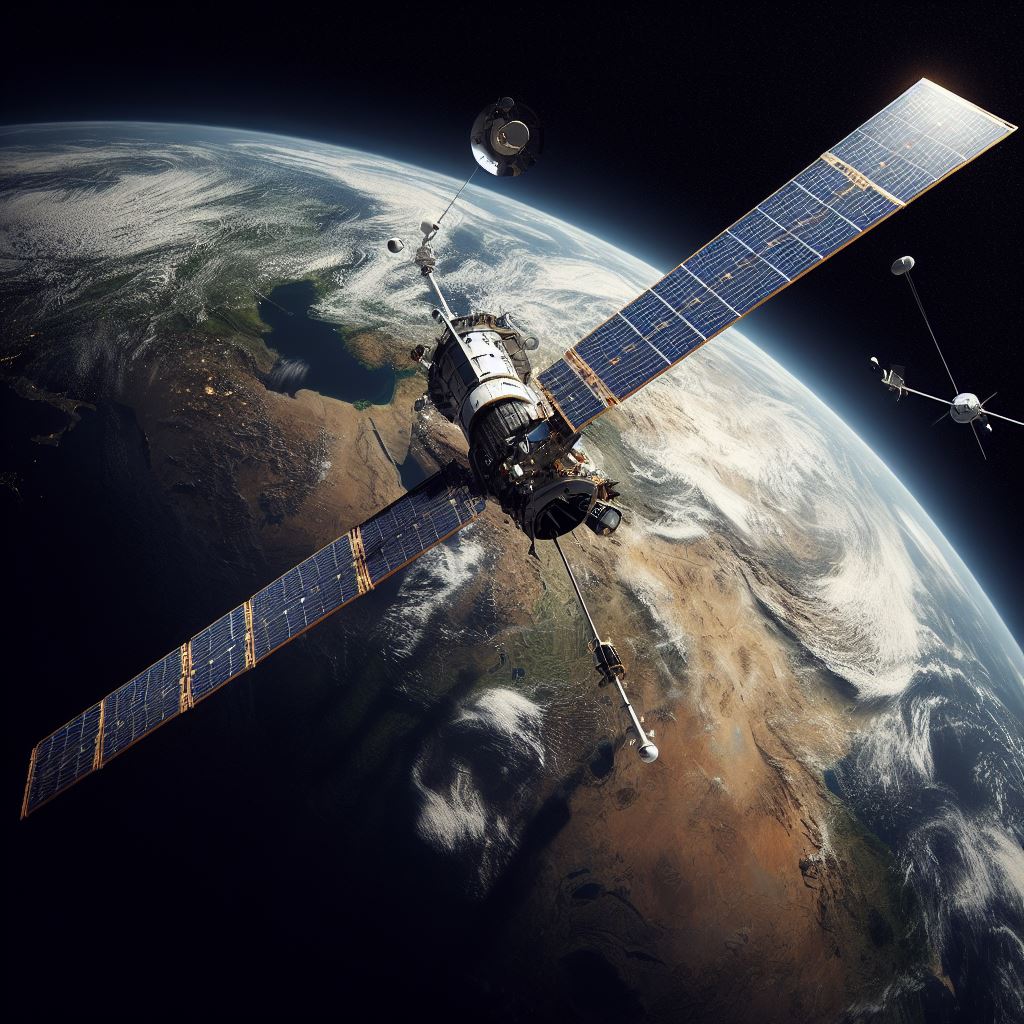
Uncover the top companies dominating the satellite industry. From SpaceX to One Web, learn who's leading in space assets. Full list inside.

In 2024, China launched 68 orbital missions. In 2025, the number jumped to 97. In 2026, state media and Western analysts agree the target is 140 or more. Most of that growth is being driven by two state-backed mega-constellations, a half-dozen private launch companies hitting stride, and a deliberate national pivot toward commercial space. Beijing is no longer trying to catch SpaceX. It is trying to build an industrial base that outlasts one.