


X Report 11 Aug 2025
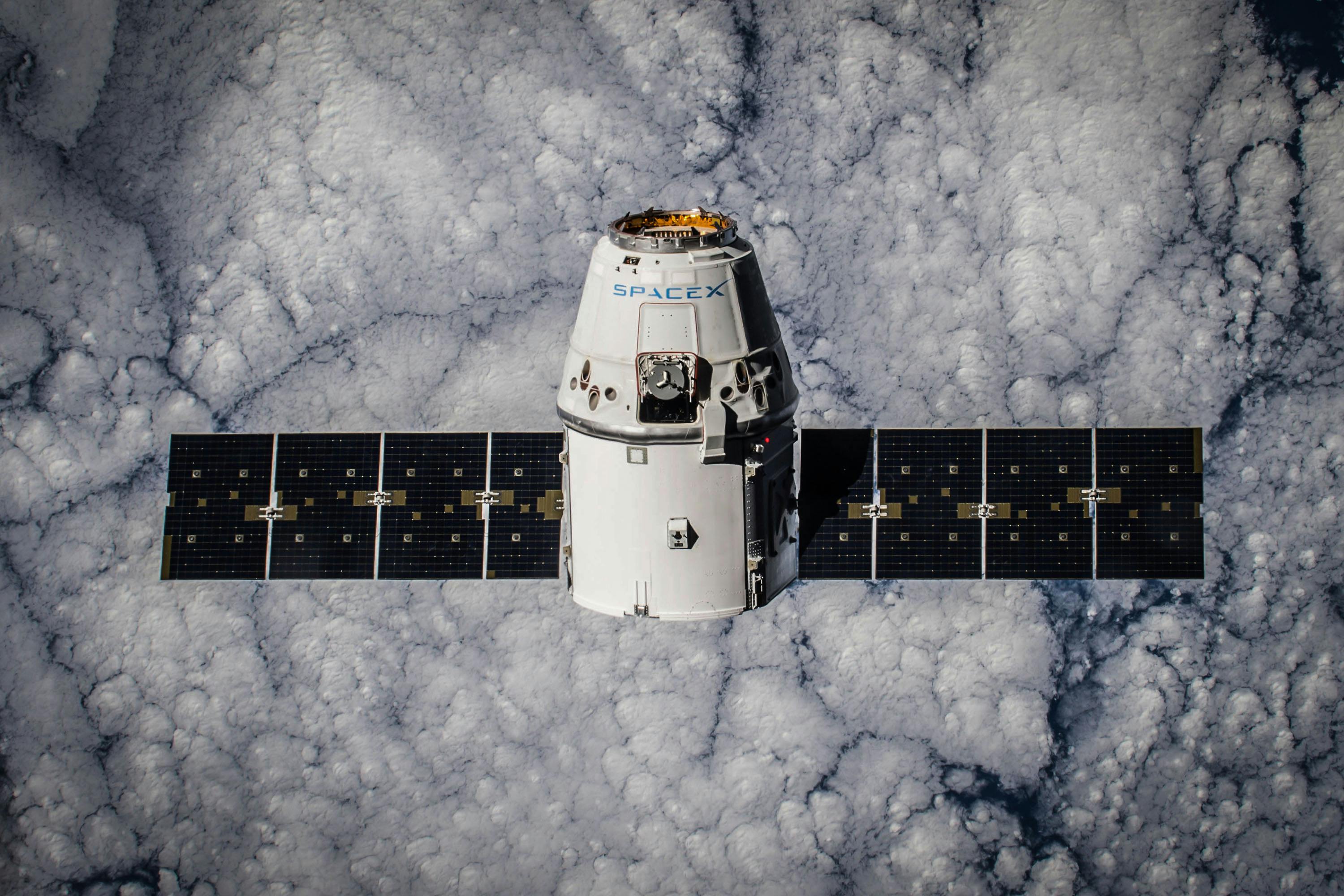
Severe weather conditions disrupt the launch of Amazon’s Project Kuiper satellites, highlighting ongoing challenges in satellite deployment amidst increasing competition in the space industry.


Launch Date
December 22, 1993
Launch Site
PLMSC
Launch Pad
LC43/3
Launch Vehicle
Molniya 8K78M
NORAD ID
22949
International Designator
1993-079A
Epoch
Wed, 01 Jul 2026 22:19:29 GMT
Apogee
Calculating...
Perigee
Calculating...
Inclination
64.88°
Right Ascension
281.66°
Eccentricity
Calculating...
Argument of Perigee
269.14°
Period
709.82 min
Mean Motion
2.03 rev/day
Latitude
Calculating...
Longitude
Calculating...
Altitude
Calculating...
Velocity
Calculating...
Name
MOLNIYA 1-87
Alternative Name
Molniya-1T
Type
Status
Owner
VKS
Country
Russia
Constellation
N/A
Related Satellites
Major Events
N/A
1 22949U 93079A 26182.93019904 .00000934 00000-0 00000-0 0 9994
2 22949 64.8766 281.6645 6779167 269.1389 19.2774 2.02867171104861
Source: Celestrak
Length
4.4
Diameter
1.4
Span
8.6
Dry Mass
1620
Launch Mass
1670
Shape
Cyl + Cone + 6 Pan
Radar Cross Section
12.1555
Visual Magnitude
Unknown
Color
Unknown
Material Composition
Unknown
Payload
Molniya-1T No. 95L
Purpose
Communication
Mission
Communication
Manufacturer
NPOPM
Life Expectancy
3 years
Bus
Molniya-1T
Configuration
KAUR-2
Motor
KDU-414A (S5.114)
Equipment
Unknown
Power System
6 deployable solar arrays, batteries
ADCS
Unknown
Transmitter Frequency
Unknown
Learn more about satellites and other related topics.
Severe weather conditions disrupt the launch of Amazon’s Project Kuiper satellites, highlighting ongoing challenges in satellite deployment amidst increasing competition in the space industry.

Boeing opens new facility to boost missile-tracking sensor production for military satellites. Tory Bruno joins Blue Origin for national security projects. 25 Starlink sats launched.
SpaceX prepares for a historic Falcon 9 landing attempt in The Bahamas, while also contributing to FAA air traffic control modernization.
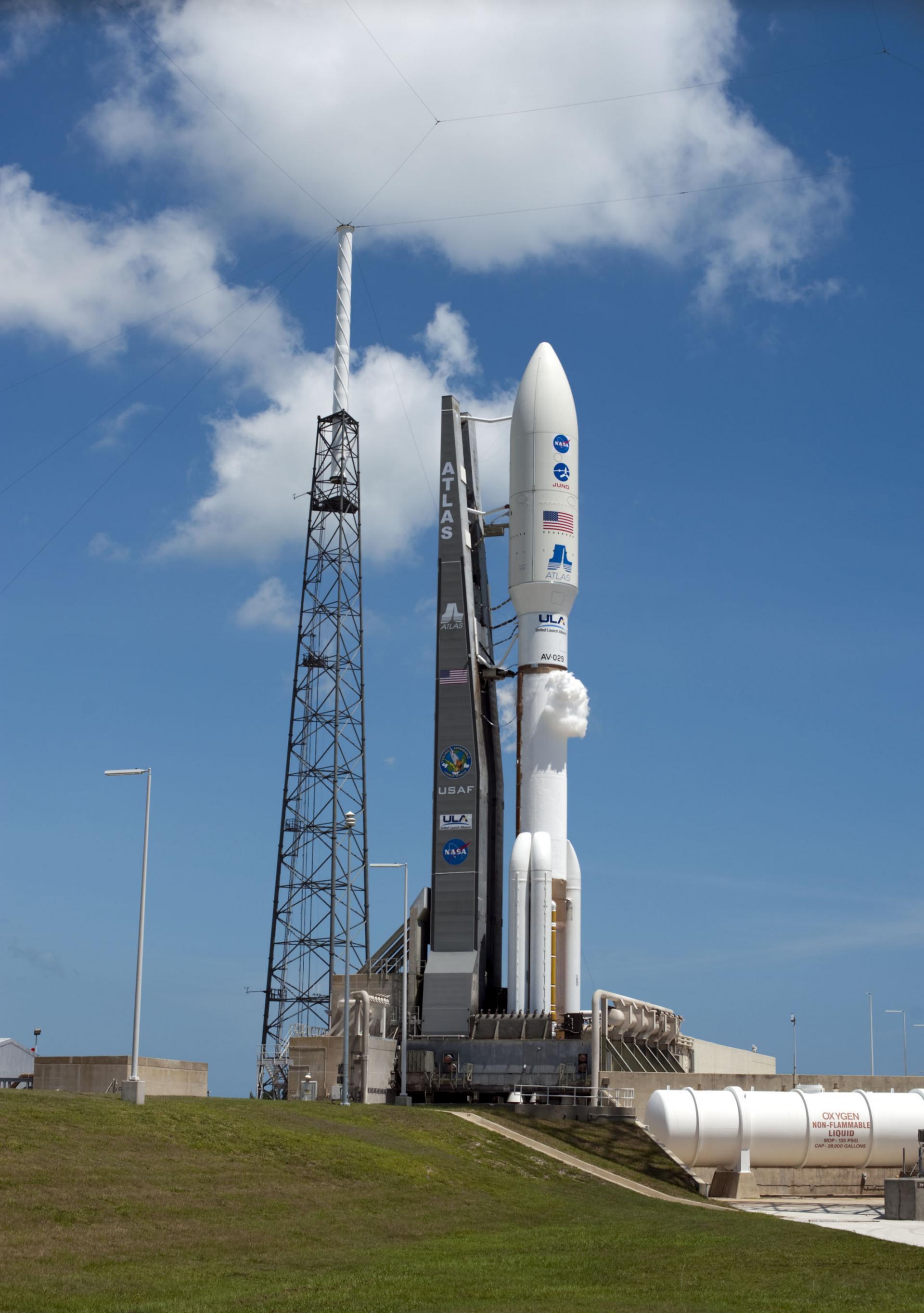
Falcon Heavy launched ViaSat-3 F3 on April 27, its 12th flight, with the first dual landing zone recovery. Plus Soyuz-5's demo flight nears at Baikonur.

Today's brief covers China's Beidou satellite plans, SpaceX's Starship advancements, potential Space Command HQ relocation, and more.

NASA confirms first-ever ISS medical evacuation for January 14 via Crew Dragon. SpaceX launches 29 Starlink satellites in third mission of 2026. Artemis 2 moon mission timeline unaffected.
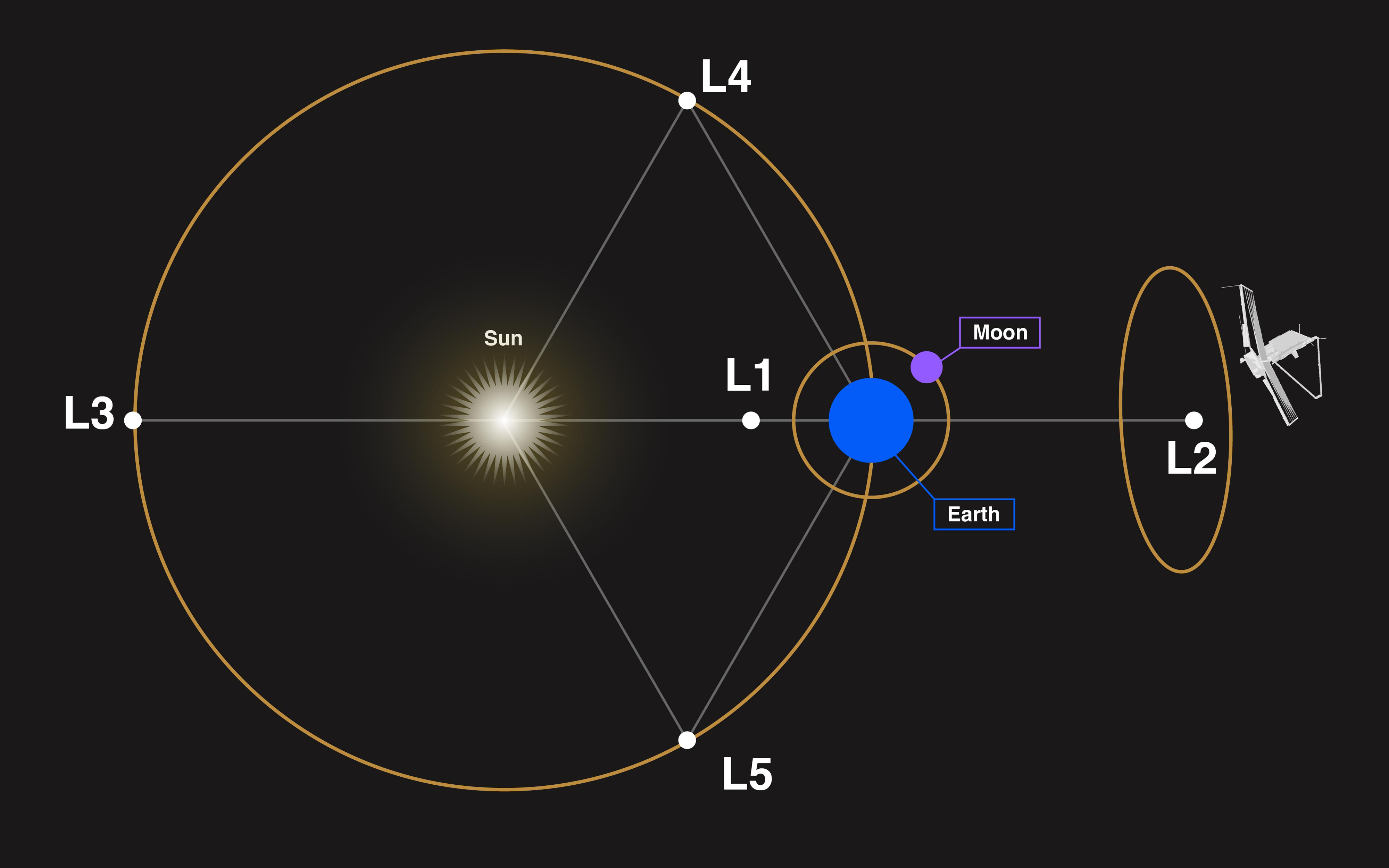
Five spots in the Earth-Sun system where the gravitational tug of two massive bodies and the pull of circular motion all cancel out, creating gravitational parking spaces where spacecraft can sit for decades with almost no fuel.
SpaceX celebrates a year of industry milestones, including the successful deployment of Starlink satellites and innovative advancements in rocket technology.