


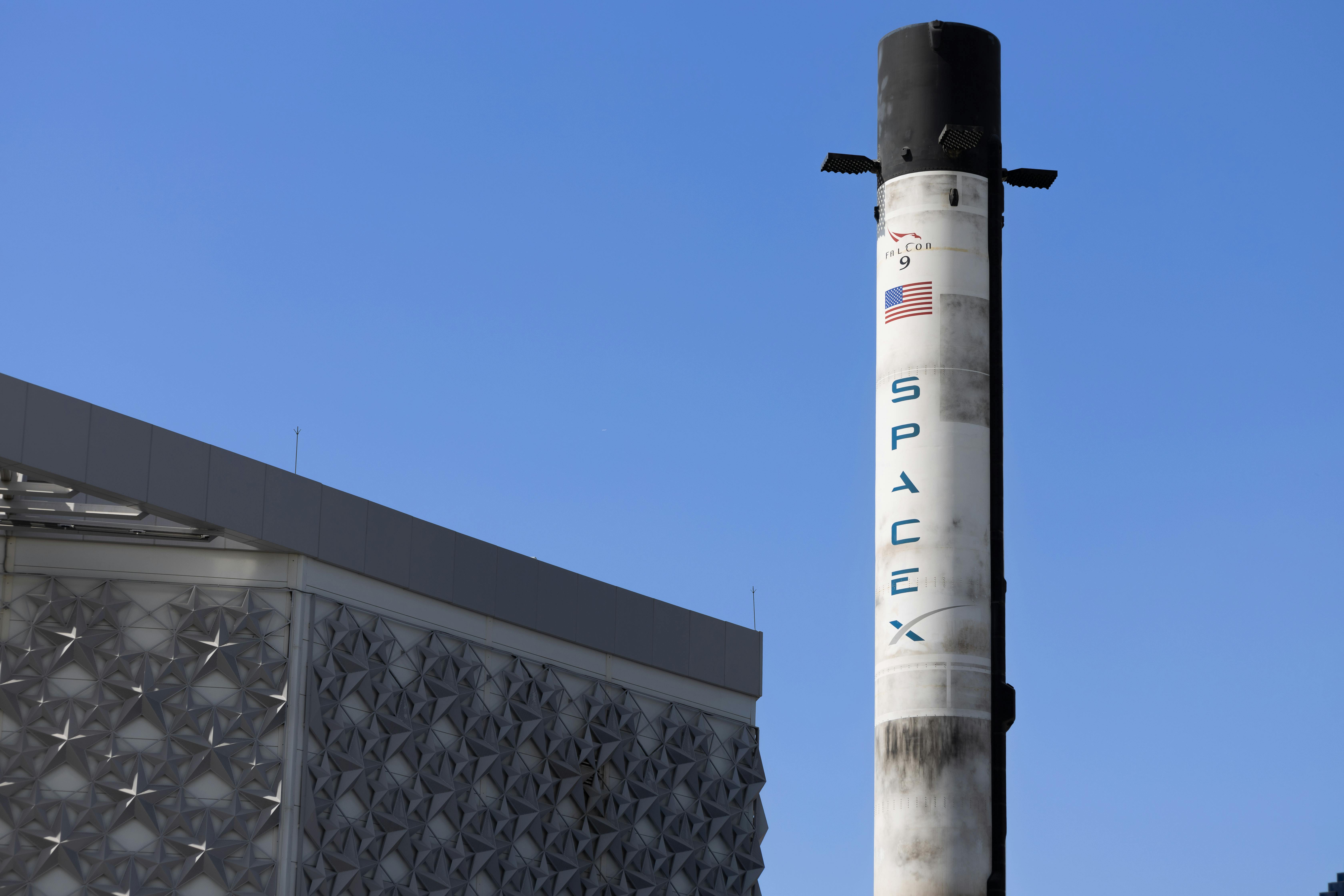
NASA Awards Private Mars Orbiter Contract for 2028 | KeepTrack X Report
A California firm wins NASA's Aeolus Mars orbiter contract, targeting 2028 launch for the first daily global Martian environment measurements.


Launch Date
December 18, 1993
Launch Site
FRGUI
Launch Pad
ELA2
Launch Vehicle
Ariane 44L
NORAD ID
22930
International Designator
1993-078A
Epoch
Sat, 04 Jul 2026 05:27:47 GMT
Apogee
Calculating...
Perigee
Calculating...
Inclination
12.15°
Right Ascension
33.79°
Eccentricity
Calculating...
Argument of Perigee
183.26°
Period
1454.75 min
Mean Motion
0.99 rev/day
Latitude
Calculating...
Longitude
Calculating...
Altitude
Calculating...
Velocity
Calculating...
Name
DIRECTV 1 (DBS 1)
Alternative Name
DirecTV 1
Type
Status
Owner
DTV/HCI
Country
United States
Constellation
N/A
Related Satellites
Major Events
N/A
1 22930U 93078A 26185.22763071 -.00000036 00000-0 00000-0 0 9993
2 22930 12.1456 33.7852 0007400 183.2624 174.6419 0.98985906126186
Source: Celestrak
Length
2.6
Diameter
2.3
Span
26.2
Dry Mass
1270
Launch Mass
2860
Shape
Box + 2 Pan
Radar Cross Section
12.1006
Visual Magnitude
Unknown
Color
Unknown
Material Composition
Unknown
Payload
DBS 1
Purpose
Communication (Direct Broadcasting)
Mission
Communication (Direct Broadcasting)
Manufacturer
HSES
Life Expectancy
12 years
Bus
HS-601
Configuration
HS-601
Motor
R-4D-11
Equipment
16 Ku-band transponders
Power System
2 deployable solar arrays, batteries
ADCS
Unknown
Transmitter Frequency
Unknown
Learn more about satellites and other related topics.
A California firm wins NASA's Aeolus Mars orbiter contract, targeting 2028 launch for the first daily global Martian environment measurements.
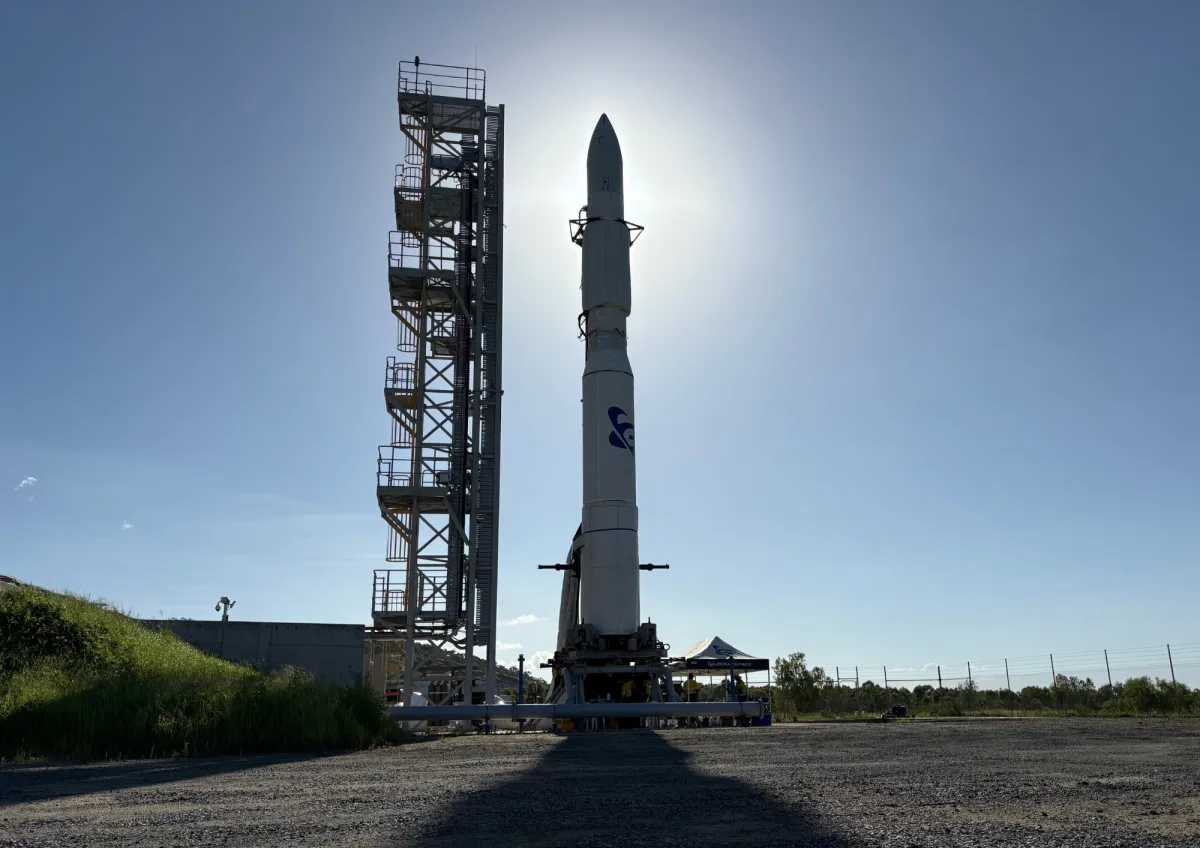
Today's brief covers secret Space Force payloads monitoring China's satellites, collaborations reducing satellite tracking delays, and new AI projects for military operations.

Today's brief covers SpaceX's latest Starlink launch, updates on Crew-8's return, and preparations for the SLS Artemis II mission.

SpaceX's secretive Starfall reentry demo launched June 23 as Starmind AI constellation targets 1M orbital compute nodes.
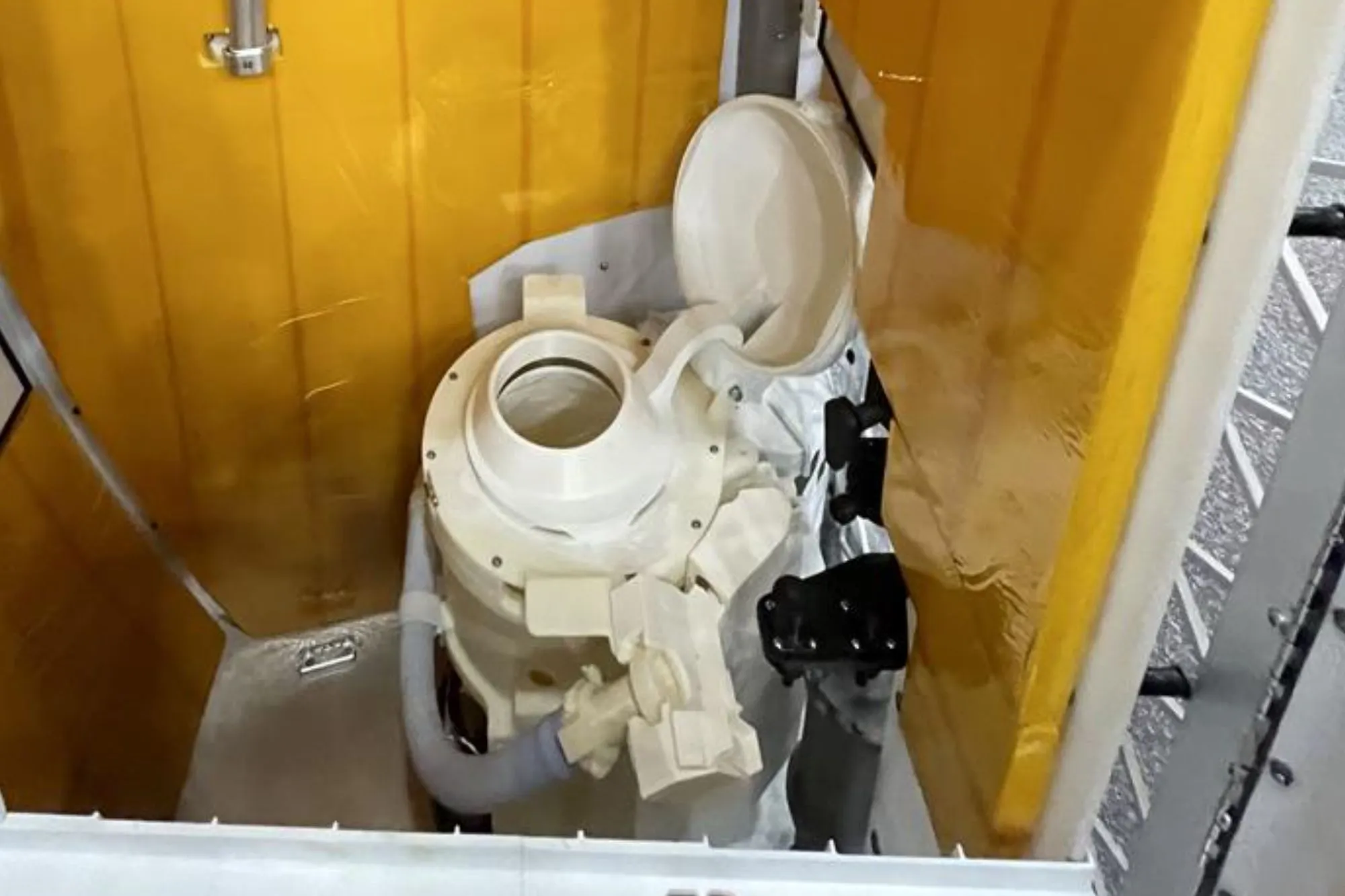
Sixty years of space toilet engineering, a decade of development, and a $30 million contract - and the Artemis II crew still had to pee in bags on Day 1.
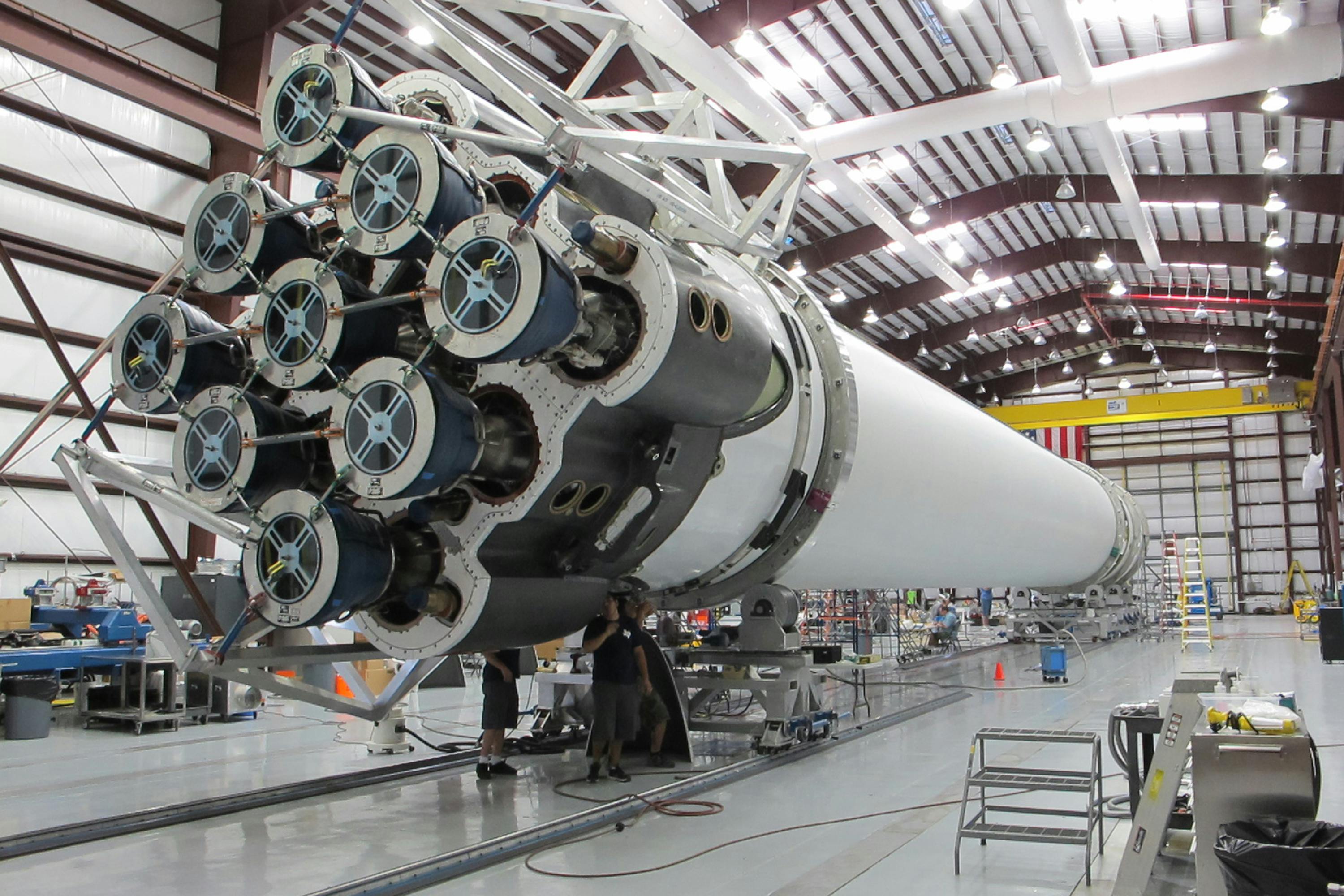
SpaceX launched 25 Starlink satellites from Vandenberg SFB on March 8, growing a constellation now totaling 9,924 active orbital nodes.

SpaceX's Falcon Heavy flew for the first time in 18 months on April 29, while Starlink hit 51 Falcon 9 launches in 2026 with 10,280 satellites working.
Today's brief covers SpaceX's Starship launch approval, Antares' nuclear funding, and shifts in global space defense strategies.