


X Report 4 Dec 2024
SpaceX's Falcon 9 achieves a milestone with its 24th launch for Starlink, while competitive moves continue in the satellite internet market.


Launch Date
December 16, 1993
Launch Site
Launch Pad
LC36B
Launch Vehicle
Atlas IIAS
NORAD ID
22928
International Designator
1993-077B
Decay Date
12/17/1998
Name
ATLAS 2AS CENTAUR R/B
Alternative Name
Centaur AC-108
Type
Status
Owner
GDSSD
Country
United States
Constellation
N/A
Related Satellites
Major Events
N/A
Length
10.1
Diameter
3.1
Span
10.1
Dry Mass
2095
Launch Mass
2095
Shape
Cyl
Radar Cross Section
22.6692
Visual Magnitude
Unknown
Color
Unknown
Material Composition
Unknown
Payload
Centaur IIA(4N) AC-108
Purpose
Unknown
Mission
Unknown
Manufacturer
LMASD
Life Expectancy
Unknown
Bus
Centaur
Configuration
Unknown
Motor
Unknown
Equipment
Unknown
Power System
Unknown
ADCS
Unknown
Transmitter Frequency
Unknown
Learn more about satellites and other related topics.
SpaceX's Falcon 9 achieves a milestone with its 24th launch for Starlink, while competitive moves continue in the satellite internet market.
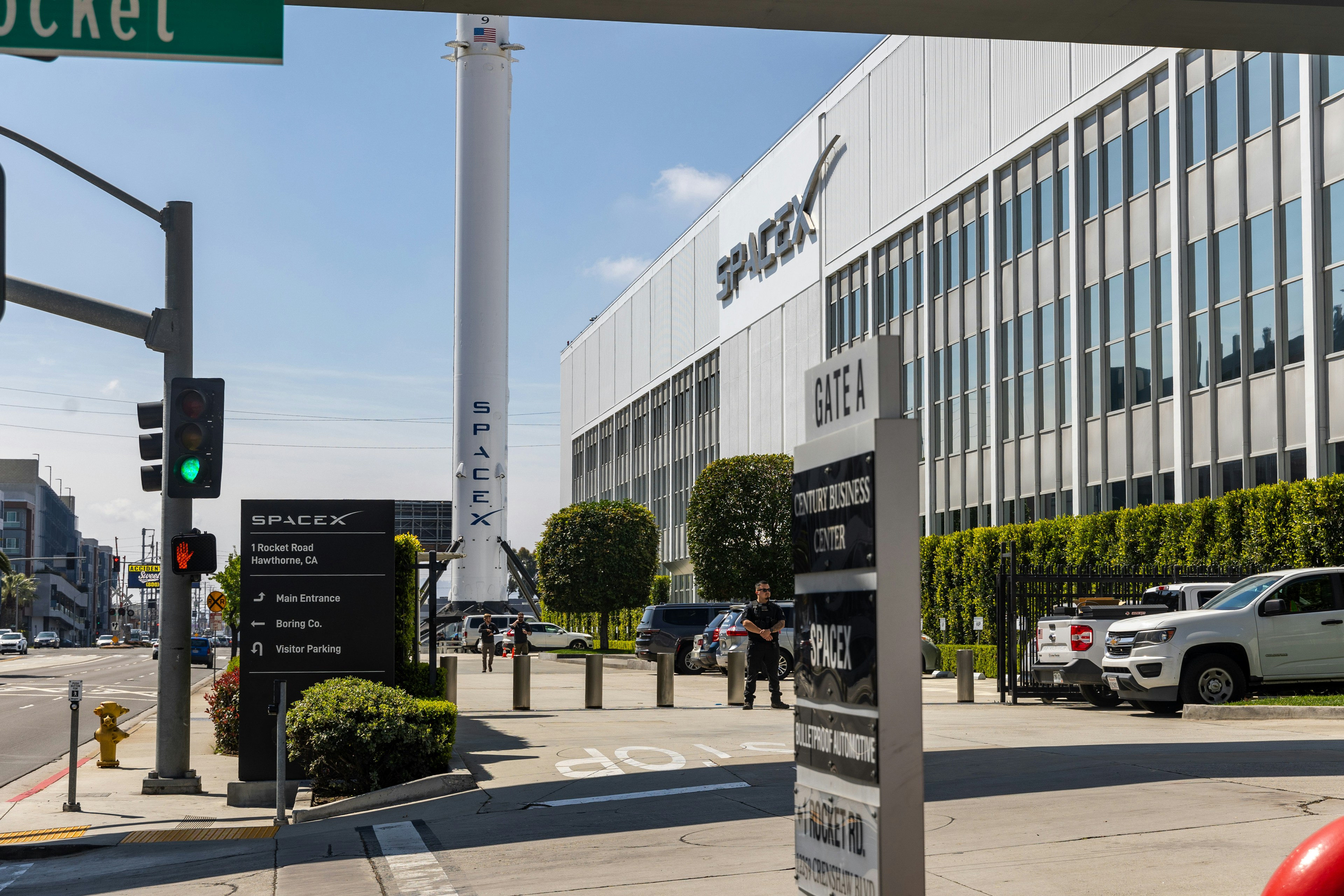
How many Starlink satellites are in orbit in 2026? SpaceX passed 10,000 after the Starlink 17-24 launch, with 10,020 in orbit and 11,529 launched.

ULA's Vulcan rocket grounded, imperiling Space Force WGS-11 communications satellite and Next-Gen OPIR missile warning payload. Both missions lack backup launch options.
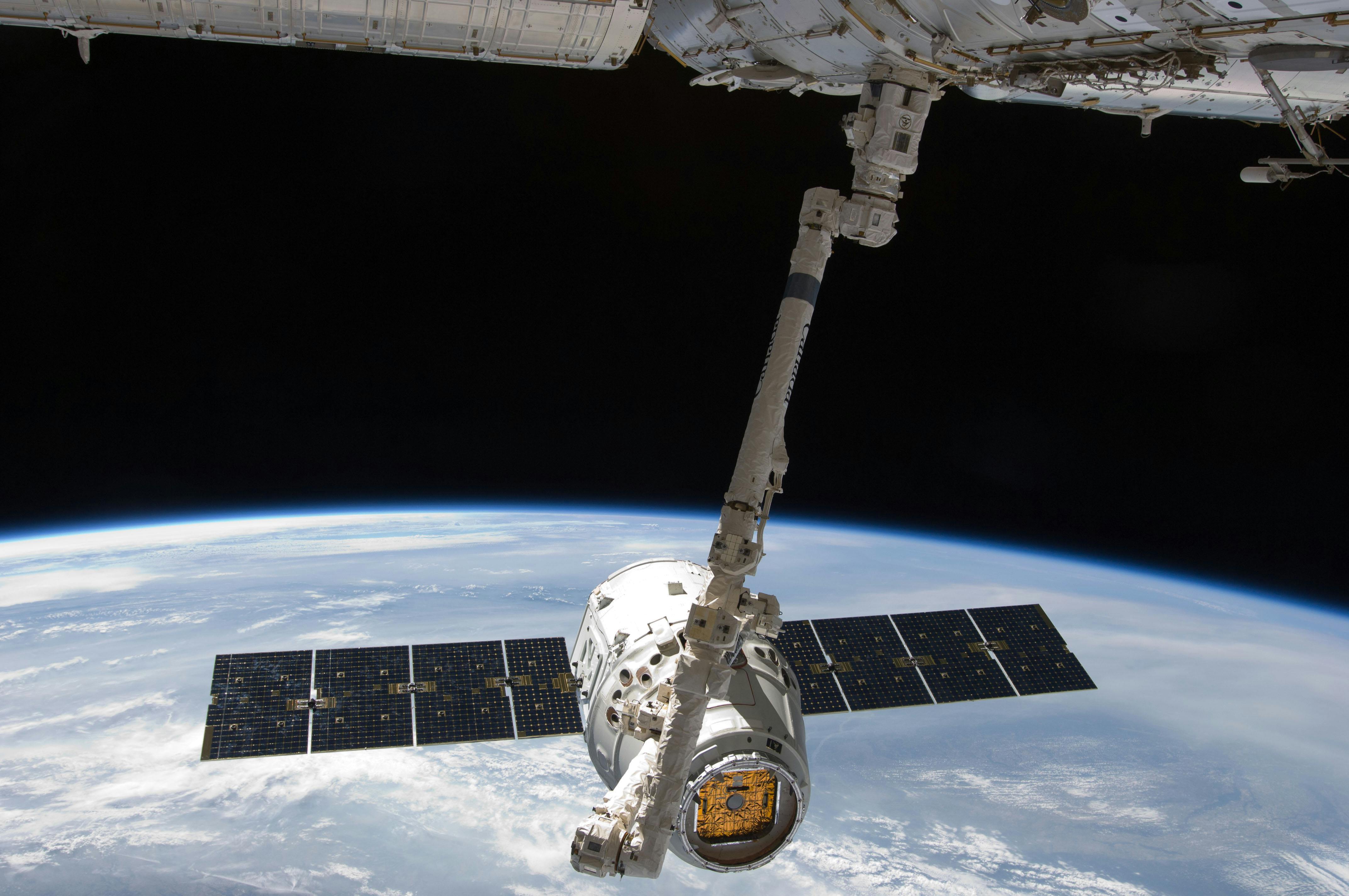
SpaceX achieves significant milestones with multiple satellite launches and ongoing challenges in rural broadband funding. Noteworthy advances in Starlink capabilities enhance international connectivity.
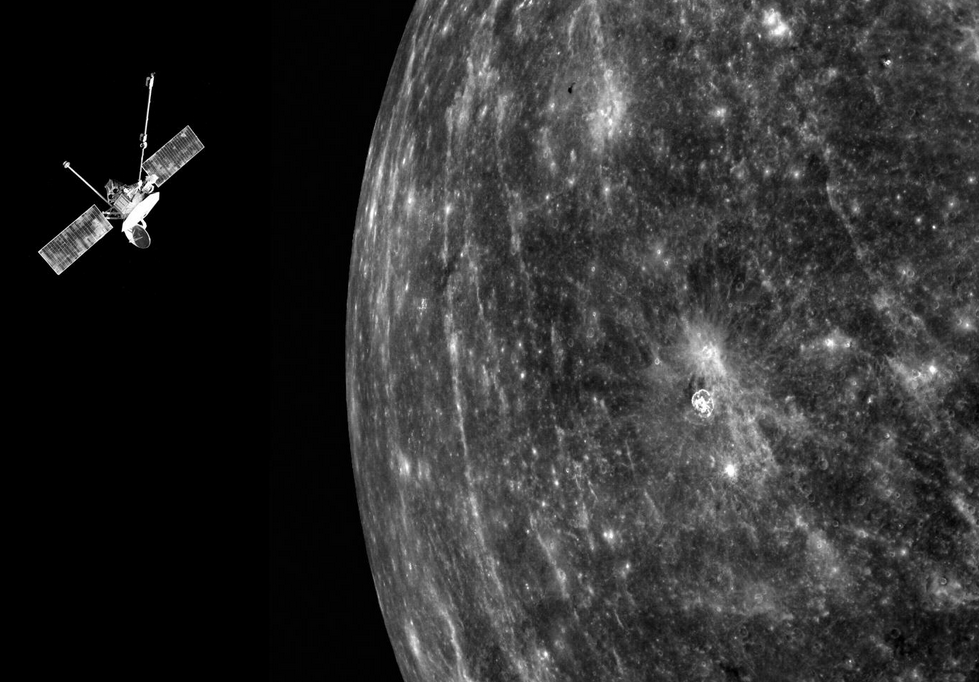
Fifty-one years ago, Mariner 10 revolutionized space exploration by executing the first-ever planetary gravity assist at Venus, pioneering a technique that would transform how we explore the solar system

Today's highlights: China's Long March 12 boosts lunar ambitions, SpaceX supports NRO's satellite infrastructure, Firefly prepares lunar mission, and NASA partners with SpaceX for Titan exploration.

Space highlights include a debut launch of ZhuQue-2E, Firefly's lunar lander timeline, semiconductor funding for satellites, and ISS debris avoidance.
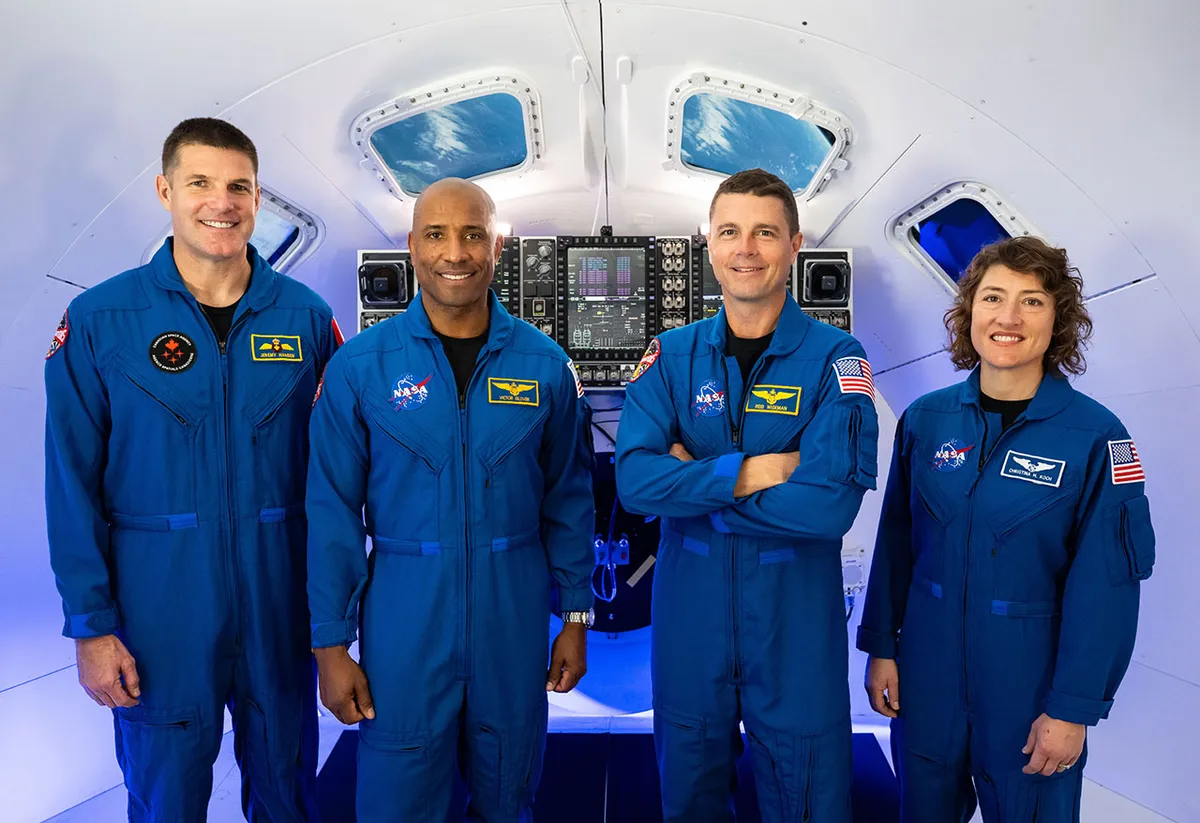
Four astronauts, a patched-together heat shield, and a $50 billion question: whether NASA can still send humans beyond low Earth orbit. Tomorrow, we find out.