


NordSpace Atlantic Spaceport Complex
Canada's sovereign space access finally has a construction site. How NordSpace is building the Atlantic Spaceport Complex in Newfoundland - and what the scrubbed Taiga launch reveals about the path to orbit.


Launch Date
November 5, 1993
Launch Site
Launch Pad
LC1
Launch Vehicle
Soyuz-U
NORAD ID
22904
International Designator
1993-071A
Decay Date
12/28/1994
Name
COSMOS 2267
Alternative Name
Kosmos-2267
Type
Status
Owner
VKS
Country
Russia
Constellation
N/A
Related Satellites
Major Events
N/A
Length
8
Diameter
2.7
Span
8.5
Dry Mass
3790
Launch Mass
3790
Shape
Cyl + 2 Pan
Radar Cross Section
21.2171
Visual Magnitude
Unknown
Color
Unknown
Material Composition
Unknown
Payload
Neman No. 7L
Purpose
Reconnaissance, photo (data transmitting)
Mission
Reconnaissance, photo (data transmitting)
Manufacturer
TSSKB
Life Expectancy
10 months
Bus
Yantar'-4KS1
Configuration
Yantar Bus
Motor
Unknown
Equipment
Unknown
Power System
2 deployable solar arrays, batteries
ADCS
Unknown
Transmitter Frequency
Unknown
Learn more about satellites and other related topics.
Canada's sovereign space access finally has a construction site. How NordSpace is building the Atlantic Spaceport Complex in Newfoundland - and what the scrubbed Taiga launch reveals about the path to orbit.
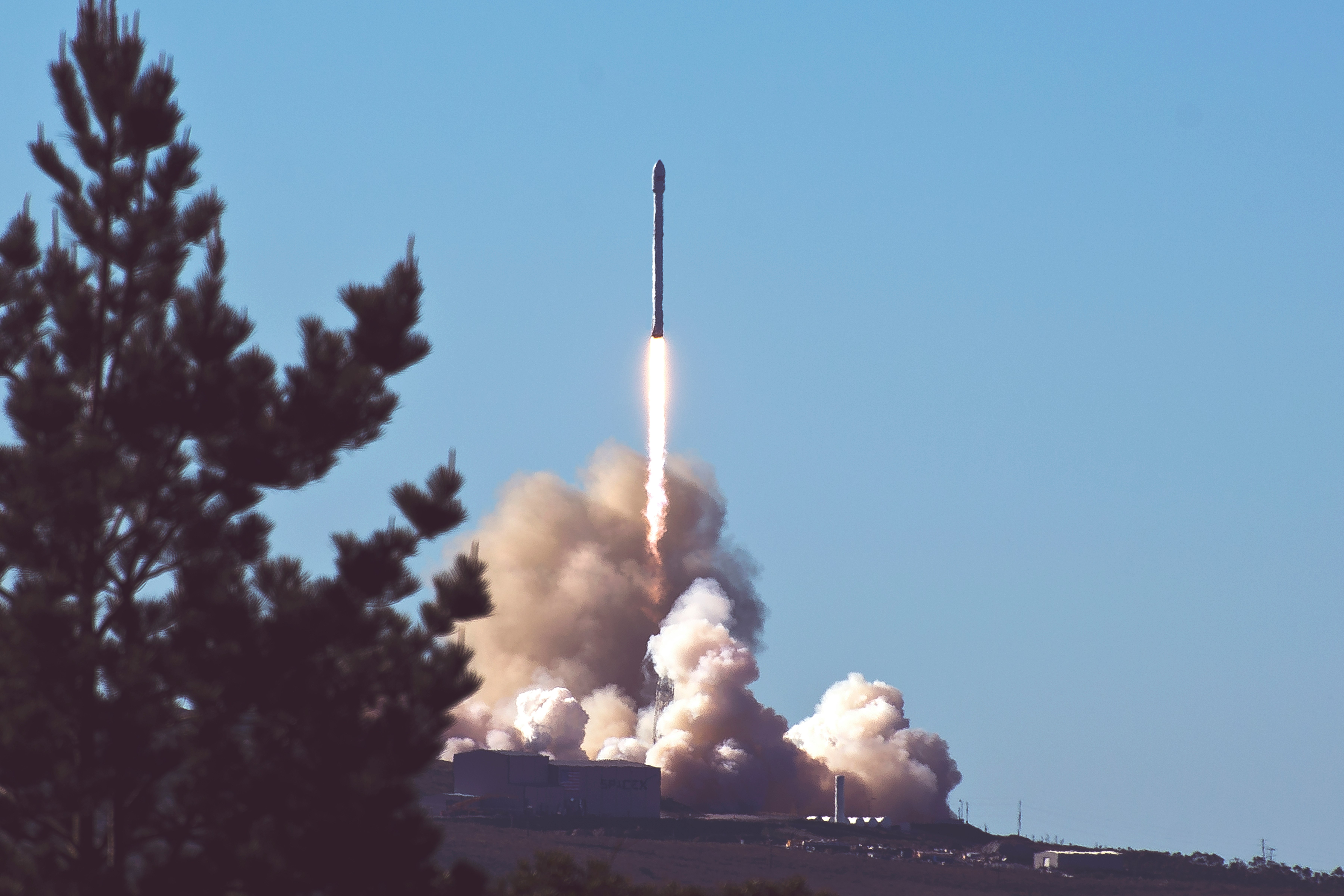
SpaceX successfully launched the Ax-4 private astronaut mission to the ISS while continuing its satellite deployment with 27 new Starlink satellites, amidst ongoing recovery efforts from the loss of Ship 36.

Today's brief covers China's Beidou satellite plans, SpaceX's Starship advancements, potential Space Command HQ relocation, and more.
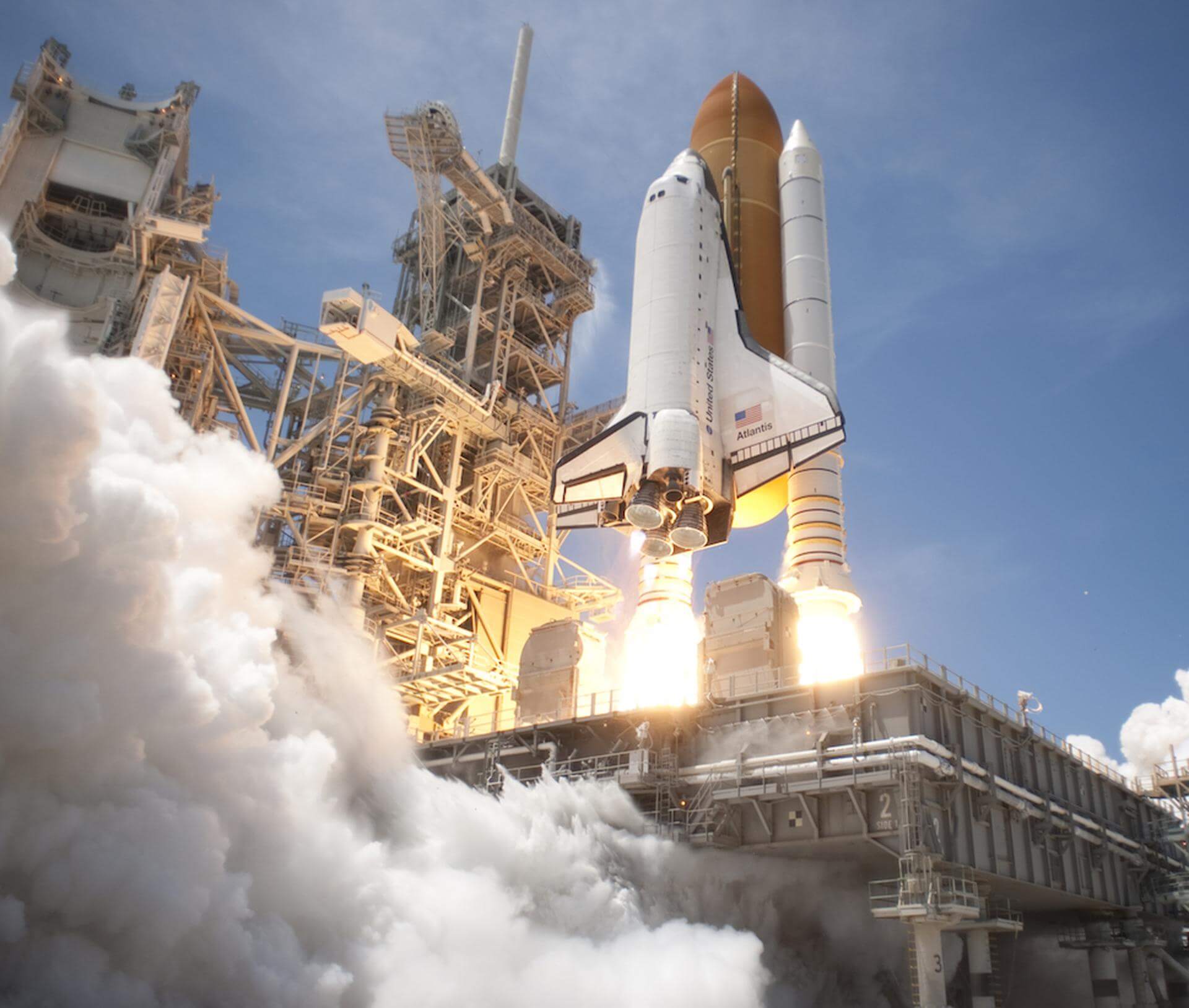
ESA's Proba-3 spacecraft lost contact last month following on-orbit anomaly. Mission requires both satellites in precise formation for solar corona science. Recovery status uncertain.
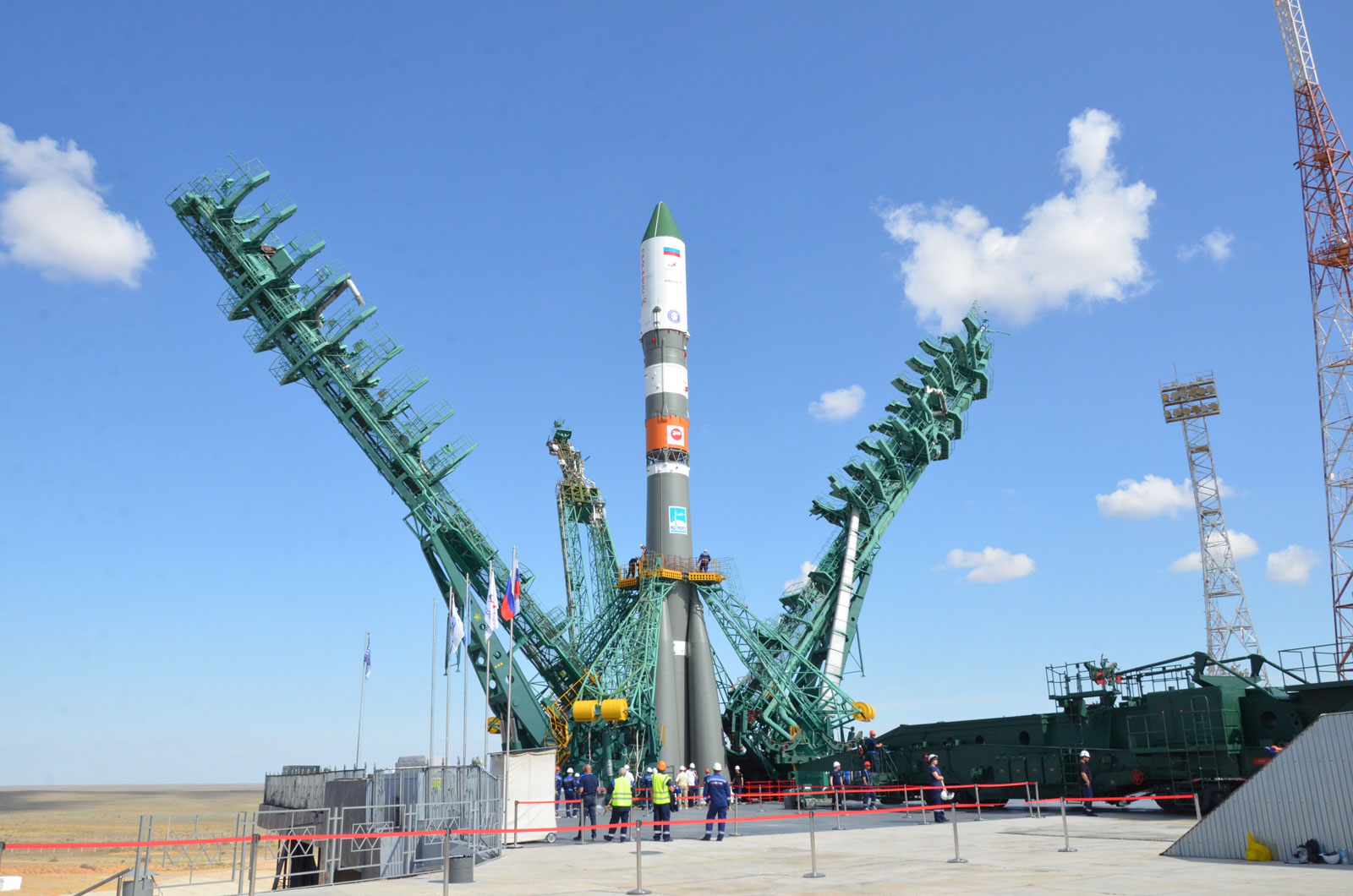
Today's highlights include a record-breaking event at the International Space Station, significant funding for hypersonic missile production, and several key military developments impacting space strategy.
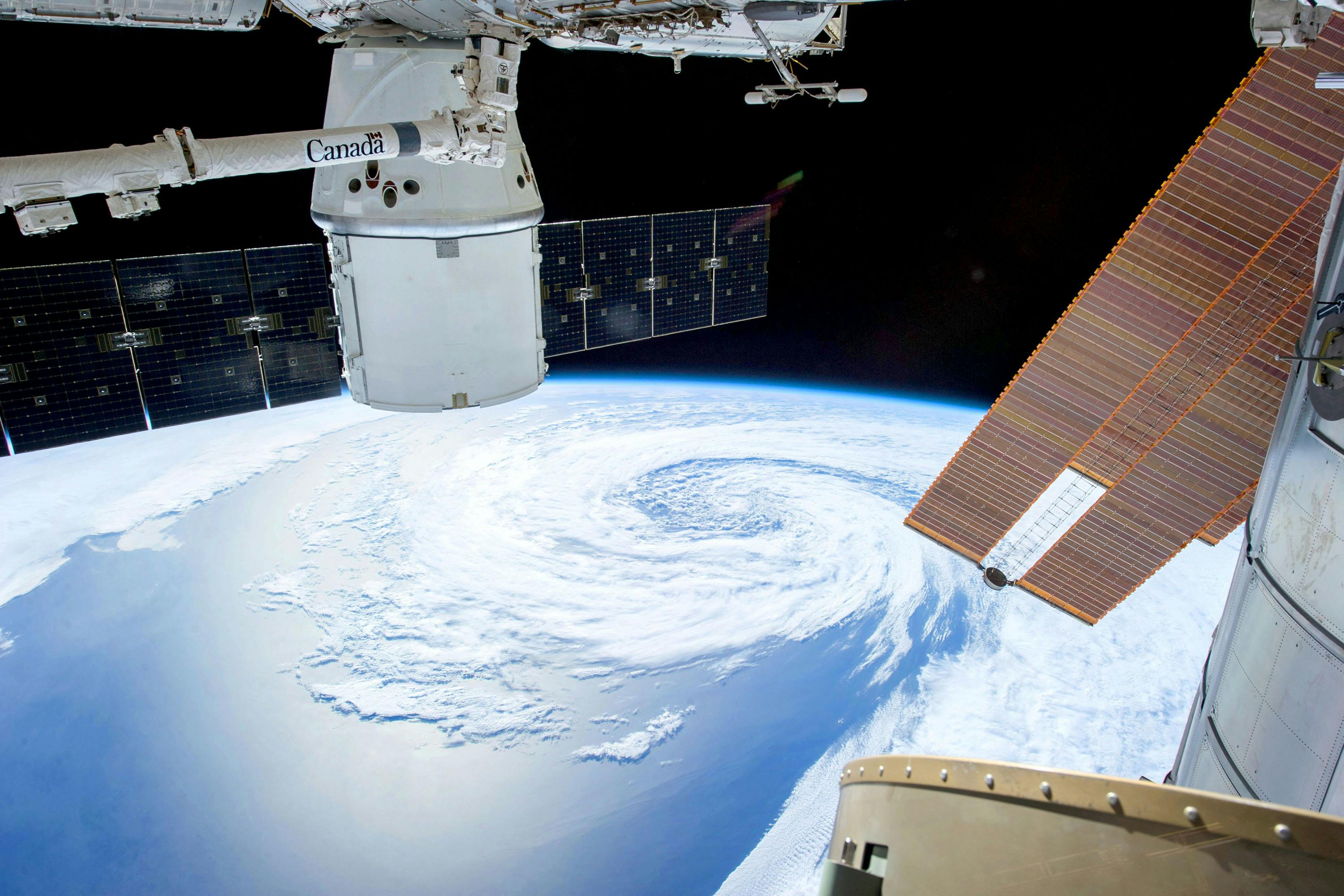
SpaceX successfully rotates Crew-9 and Crew-10 on the ISS and launches new Starlink satellites with direct-to-cell capability.
Today's coverage includes China's recent satellite launch, the Space Force's challenges with current tracking capabilities, and advancements in nuclear propulsion from Ohio State.
The satellite industry's biggest operators are betting on multi-orbit architectures that combine LEO, MEO, and GEO into unified networks. A San Francisco startup called Contrivian thinks they've overcomplicated the problem, and the physics might be on its side.