


Space Brief 20 Aug 2025
Today's Space Brief highlights Globalstar's new military focus, technological innovations in the Army's tactical systems, and a deeper look at key military satellite communications developments.



Launch Date
July 24, 1983
Launch Site
Launch Pad
LC31
Launch Vehicle
Vostok 8A92M
NORAD ID
22892
International Designator
1983-075J
Decay Date
3/26/1996
Name
COSMOS 1484 DEB
Alternative Name
deb Kosmos-1484
Type
Status
Owner
VNIEMR
Country
USSR
Constellation
N/A
Related Satellites
Major Events
N/A
Length
0
Diameter
0
Span
0
Dry Mass
0
Launch Mass
0
Shape
N/A
Radar Cross Section
0.2093
Visual Magnitude
Unknown
Color
Unknown
Material Composition
Unknown
Payload
Unknown
Purpose
Unknown
Mission
Unknown
Manufacturer
Unknown
Life Expectancy
Unknown
Bus
Unknown
Configuration
Unknown
Motor
Unknown
Equipment
Unknown
Power System
Unknown
ADCS
Unknown
Transmitter Frequency
Unknown
Learn more about satellites and other related topics.
Today's Space Brief highlights Globalstar's new military focus, technological innovations in the Army's tactical systems, and a deeper look at key military satellite communications developments.
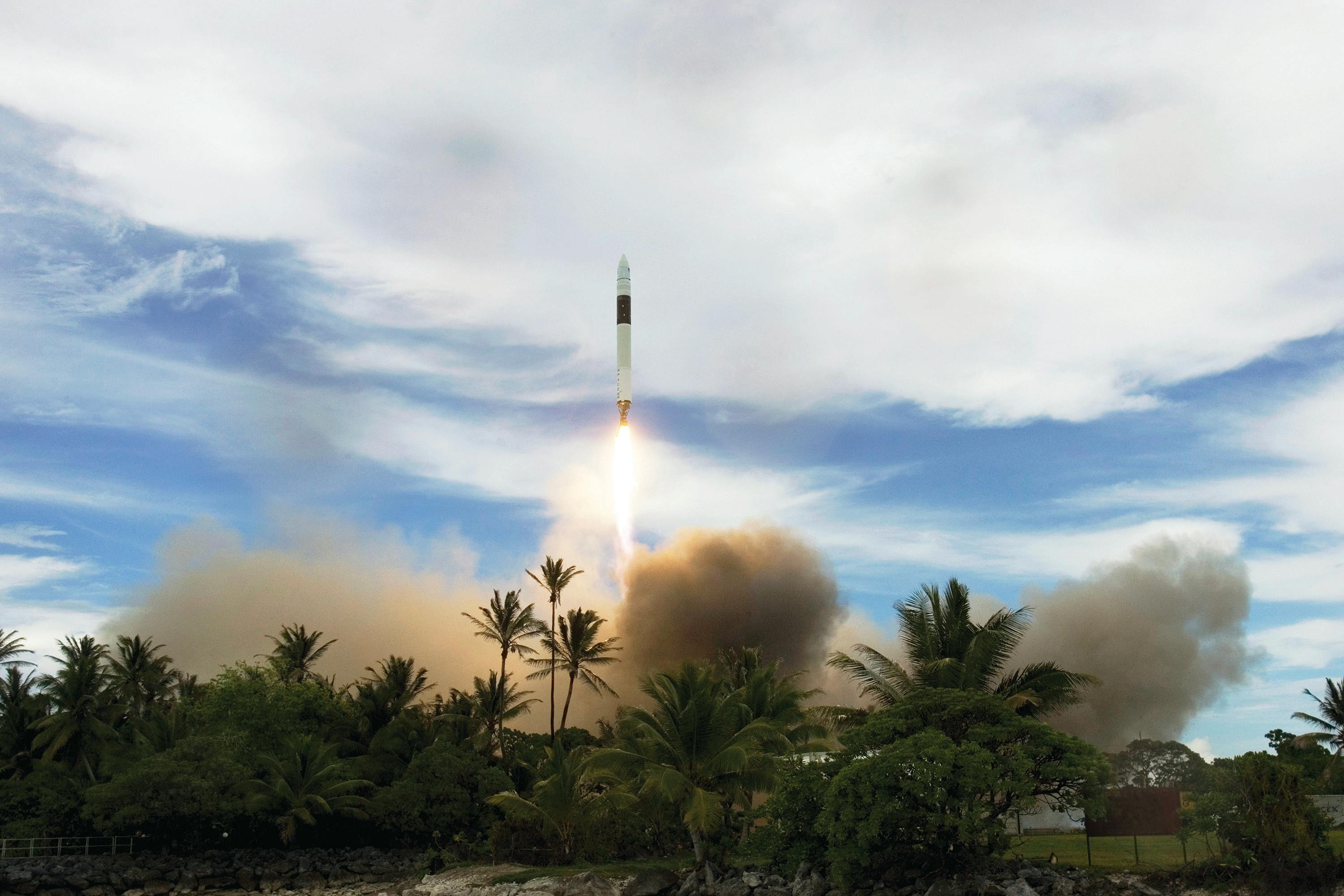
SpaceX prepares for its 250th mission from SLC-40, while Starlink experiences a surge during a crisis in Spain and Portugal. Additionally, SpaceX celebrates the official designation of Starbase City, aiming to boost launch capabilities.

SpaceX targets May 19 for Starship V3's debut from Launch Pad 2, while the FCC approves a $2.4B EchoStar spectrum deal for Starlink.
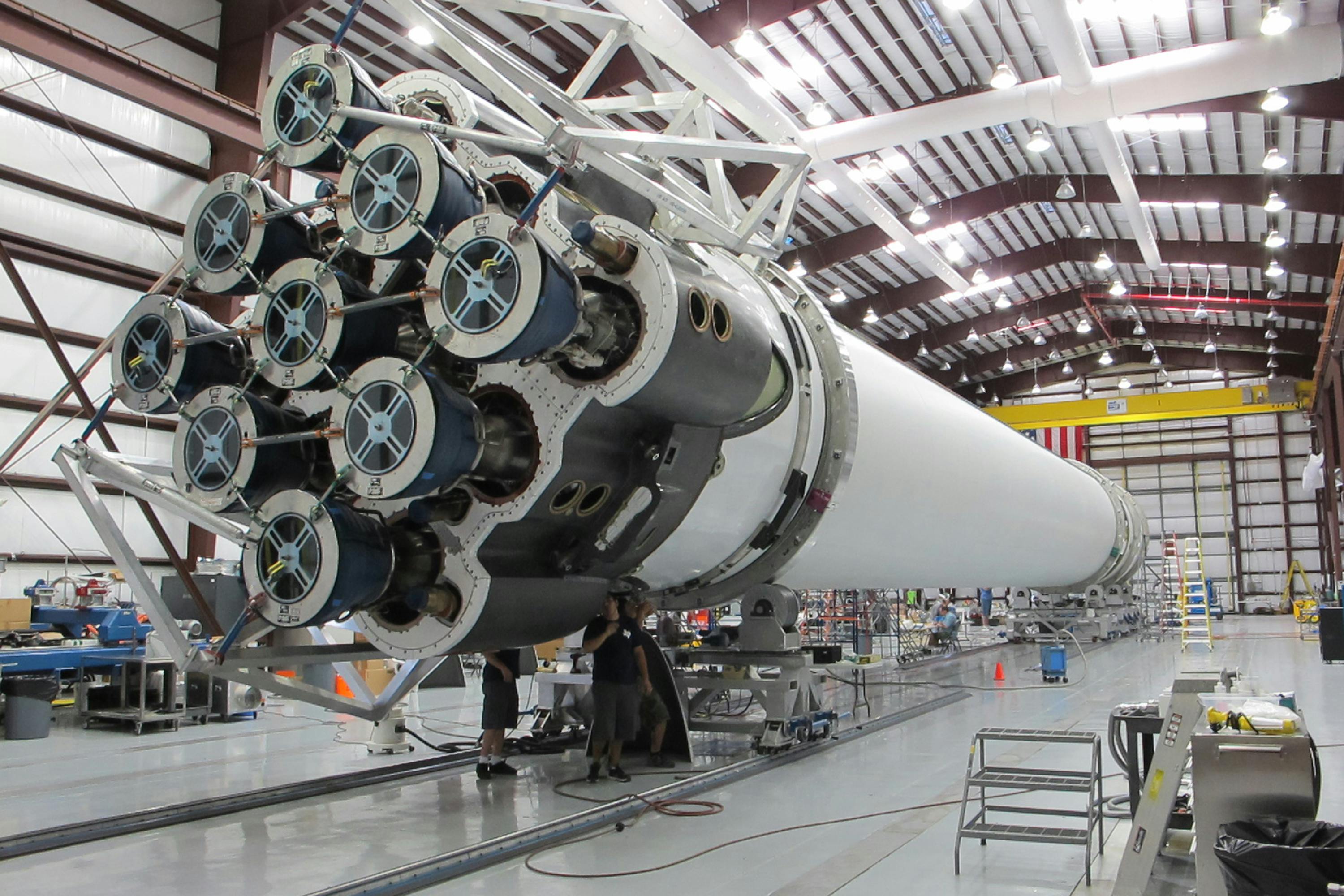
SpaceX makes strides in various sectors, from Starlink expanding services on United Airlines to new hardware aimed at enhancing home connectivity.
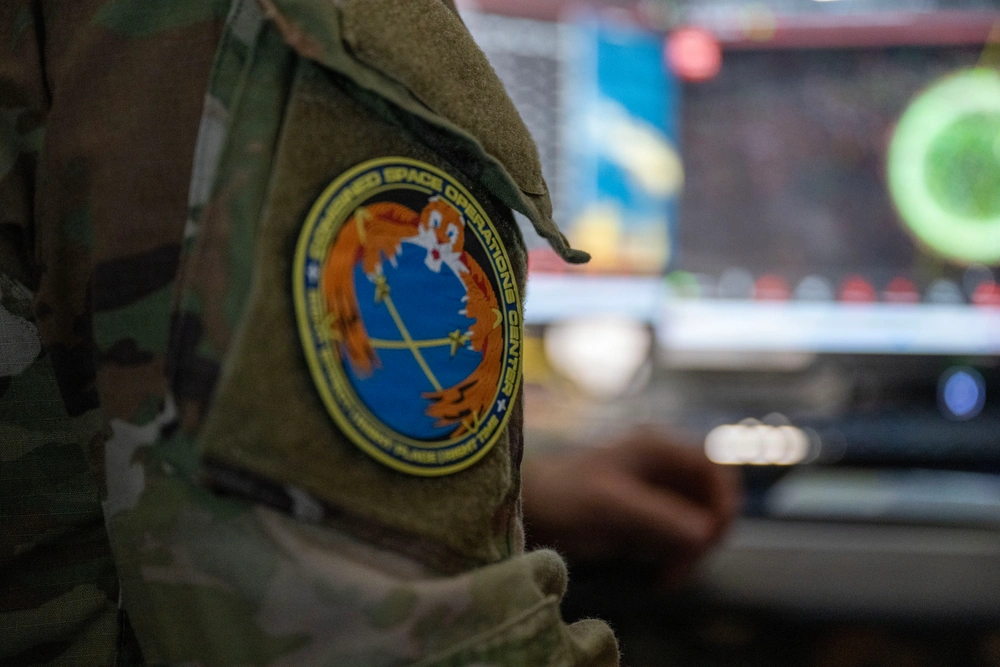
Iran launches drones and missiles at UAE and Saudi targets. Space Force opens secretive tracking data to commercial firms. Falcon 9 breakup linked to lithium pollution in upper atmosphere.
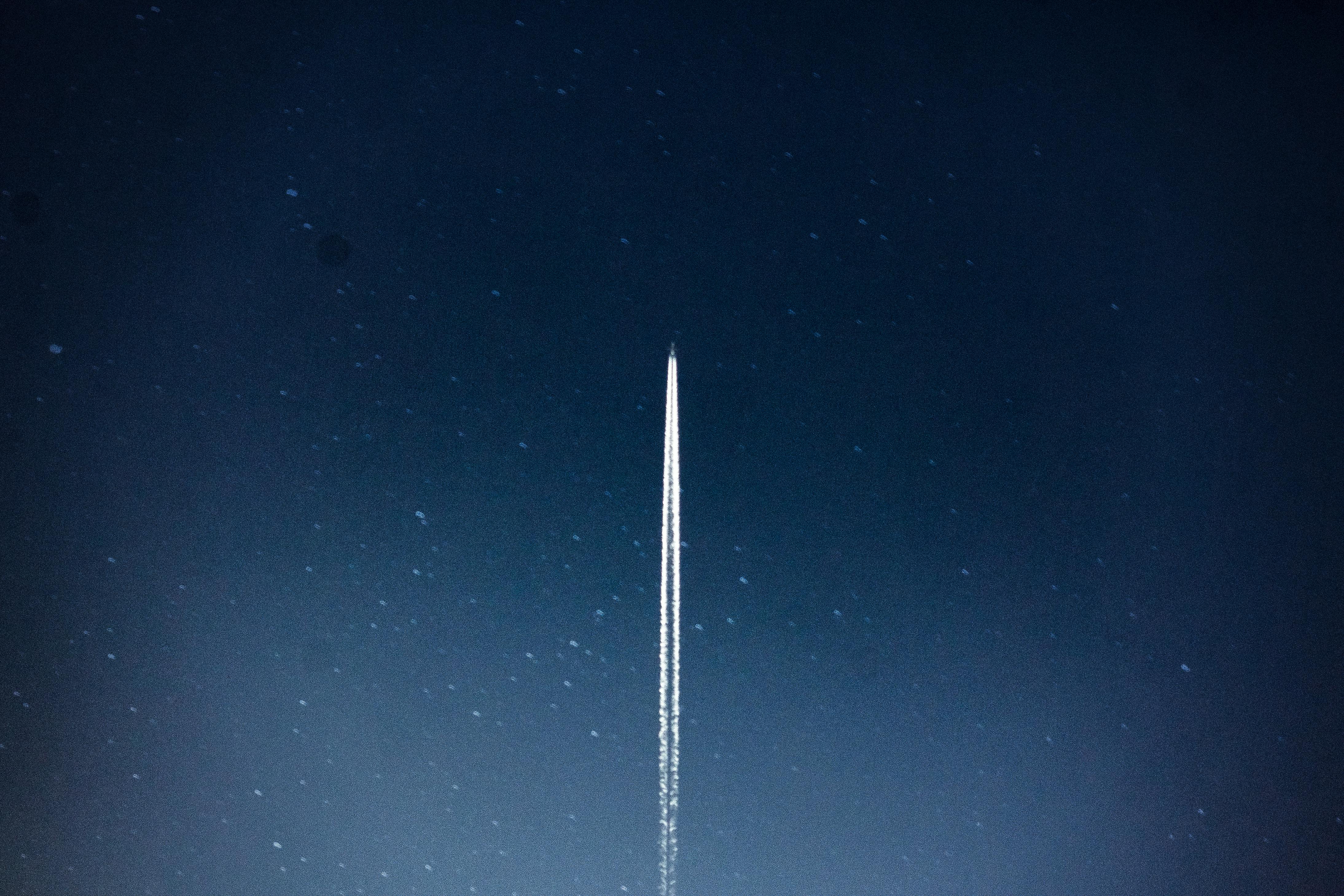
SpaceX achieves a new milestone with its record 139th launch of the year while competition heats up in satellite communications.

SpaceX's secretive Starfall reentry demo launched June 23 as Starmind AI constellation targets 1M orbital compute nodes.

ULA's Vulcan rocket grounded, imperiling Space Force WGS-11 communications satellite and Next-Gen OPIR missile warning payload. Both missions lack backup launch options.