

X Report 15 Apr 2025
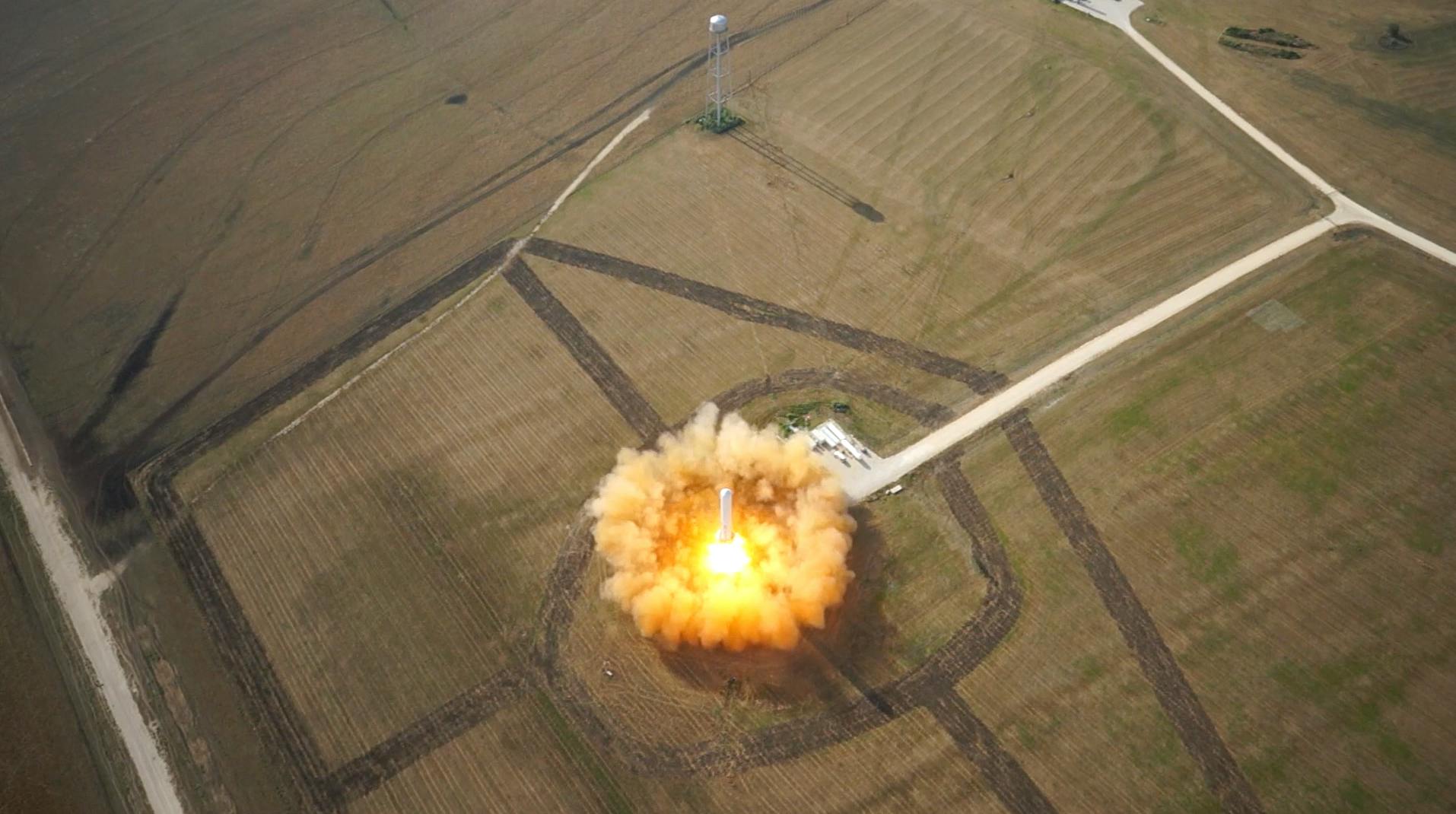
SpaceX sets a new rocket-reuse record and prepares for upcoming launches, maintaining the momentum in Starlink satellite deployments.


Launch Date
August 10, 1993
Launch Site
PLMSC
Launch Pad
LC16/2
Launch Vehicle
Molniya 8K78M
NORAD ID
22741
International Designator
1993-051A
Decay Date
12/31/2012
Name
COSMOS 2261
Alternative Name
Kosmos-2261
Type
Status
Owner
PVO
Country
Russia
Constellation
N/A
Related Satellites
Major Events
N/A
Length
4
Diameter
2
Span
5
Dry Mass
1150
Launch Mass
1250
Shape
Cyl + 2 Pan
Radar Cross Section
10.0237
Visual Magnitude
Unknown
Color
Unknown
Material Composition
Unknown
Payload
Oko 73D6 No. 6062
Purpose
Early warning
Mission
Early warning
Manufacturer
NPOL/KOMET
Life Expectancy
Unknown
Bus
Oko
Configuration
Unknown
Motor
Unknown
Equipment
Unknown
Power System
2 deployable fixed solar arrays, batteries
ADCS
Unknown
Transmitter Frequency
Unknown
Learn more about satellites and other related topics.
SpaceX sets a new rocket-reuse record and prepares for upcoming launches, maintaining the momentum in Starlink satellite deployments.
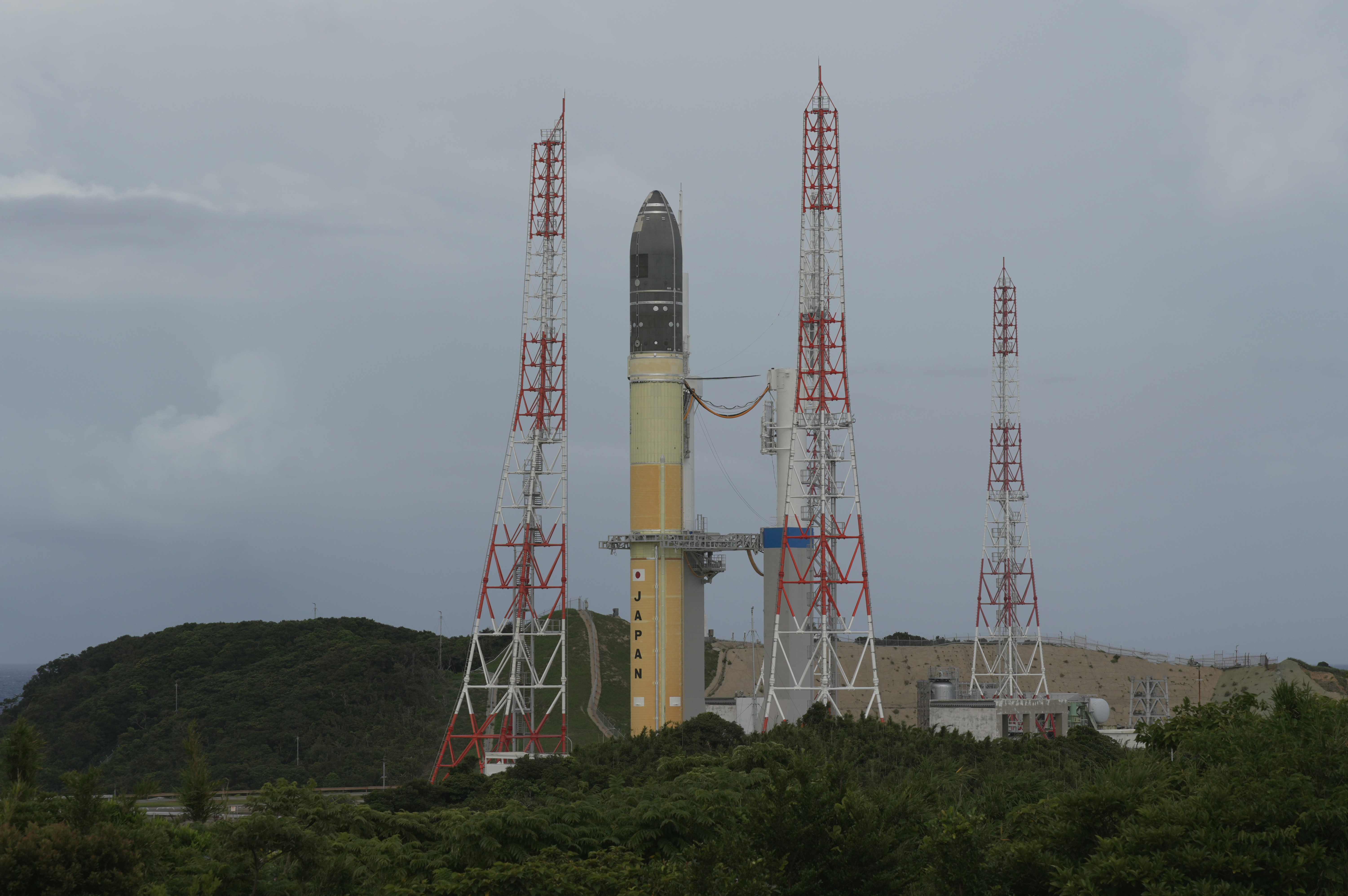
NASA demands Blue Origin find alternate launcher for Artemis moon landers after New Glenn test explosion damaged Cape Canaveral LC-36. Schedule risk to lunar missions.

Delve into the latest on military AI leadership debates, Wedgetail funding increases, and the Army's Short Range Reconnaissance Program advancements. Explore how these developments influence satellite tracking and defense initiatives.
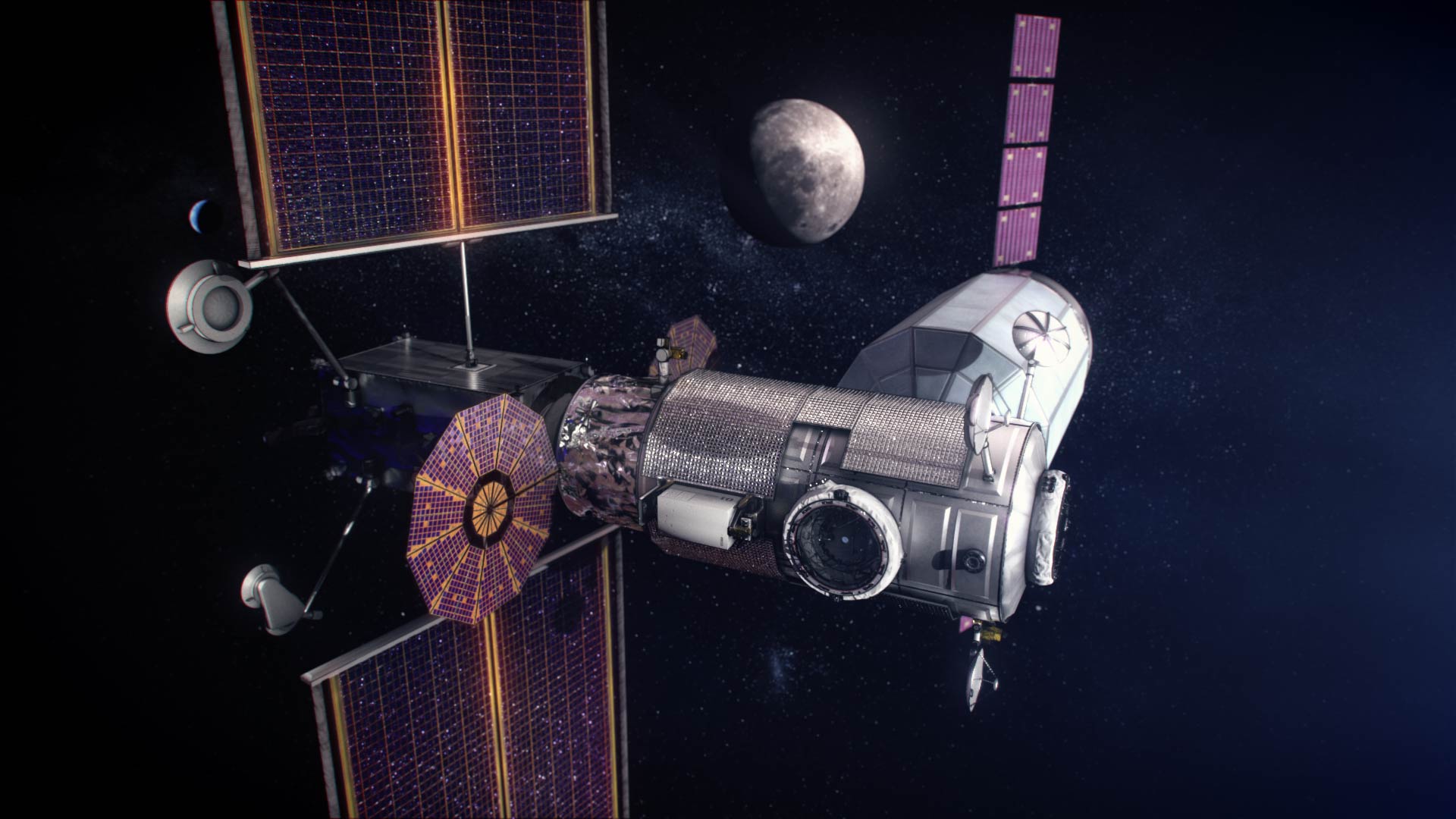
The volume of space between Earth and the Moon is roughly a thousand times larger than the orbit we actually watch, and almost none of it is under surveillance. As the U.S. and China race to build lunar outposts, the Space Force is scrambling to put eyes on a region it has been effectively blind to.
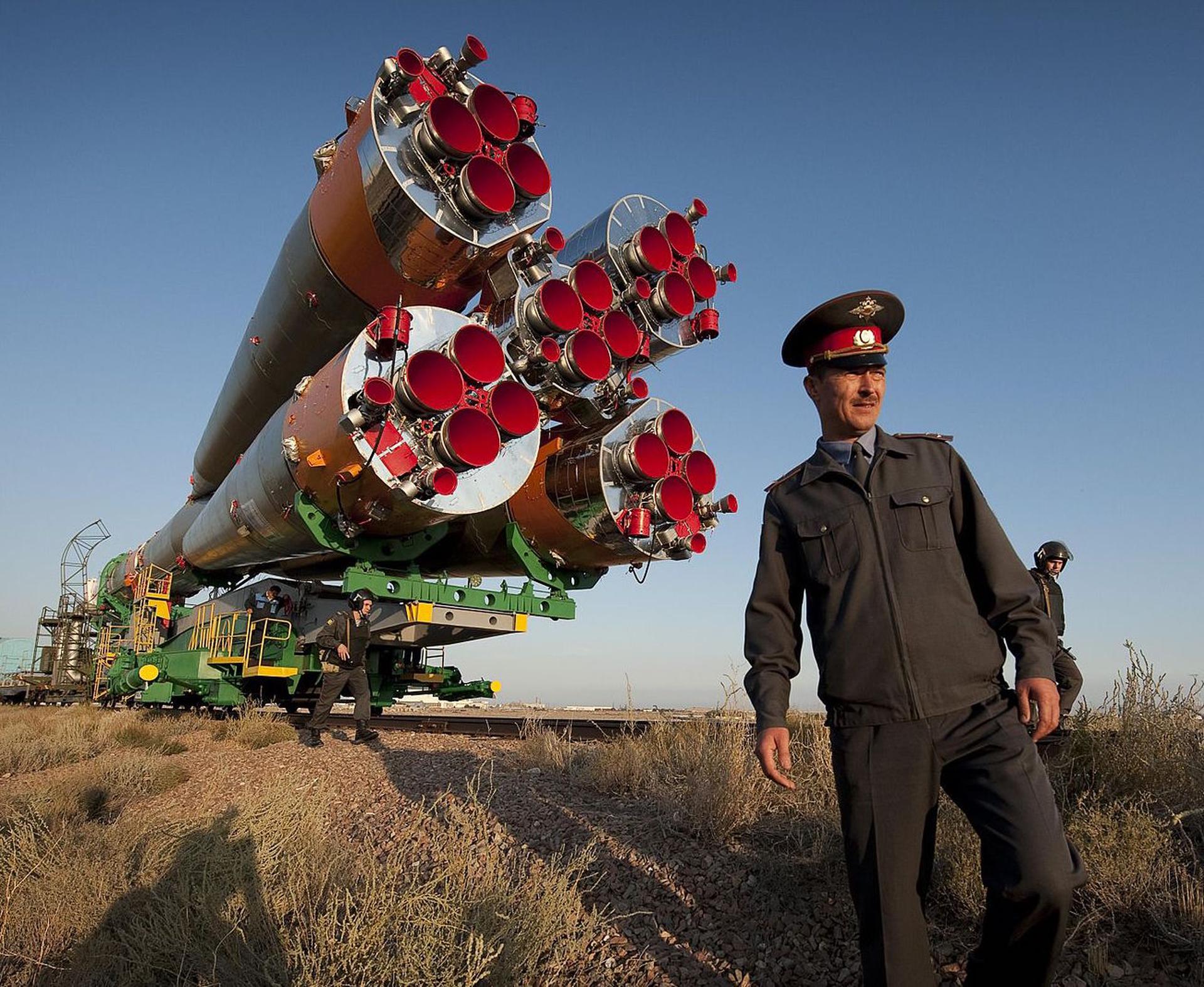
SpaceX achieves a new launch record with its Starlink mission, NASA's Perseverance rover captures eerie Martian winds, and Buzz Aldrin endorses Trump. Plus, discussions around space debris and military space tech agreements.

SpaceX officially acquires xAI for orbital data centers. Amazon buys 10 additional Falcon 9 launches for Project Kuiper. Starlink helps Iranian protesters bypass blackout.

Today's Space Brief highlights the U.S. Air Force's $48 million investment in testing reentry capsules, a Pentagon-backed GPS alternative, and the Space Force's quest for funding autonomy.
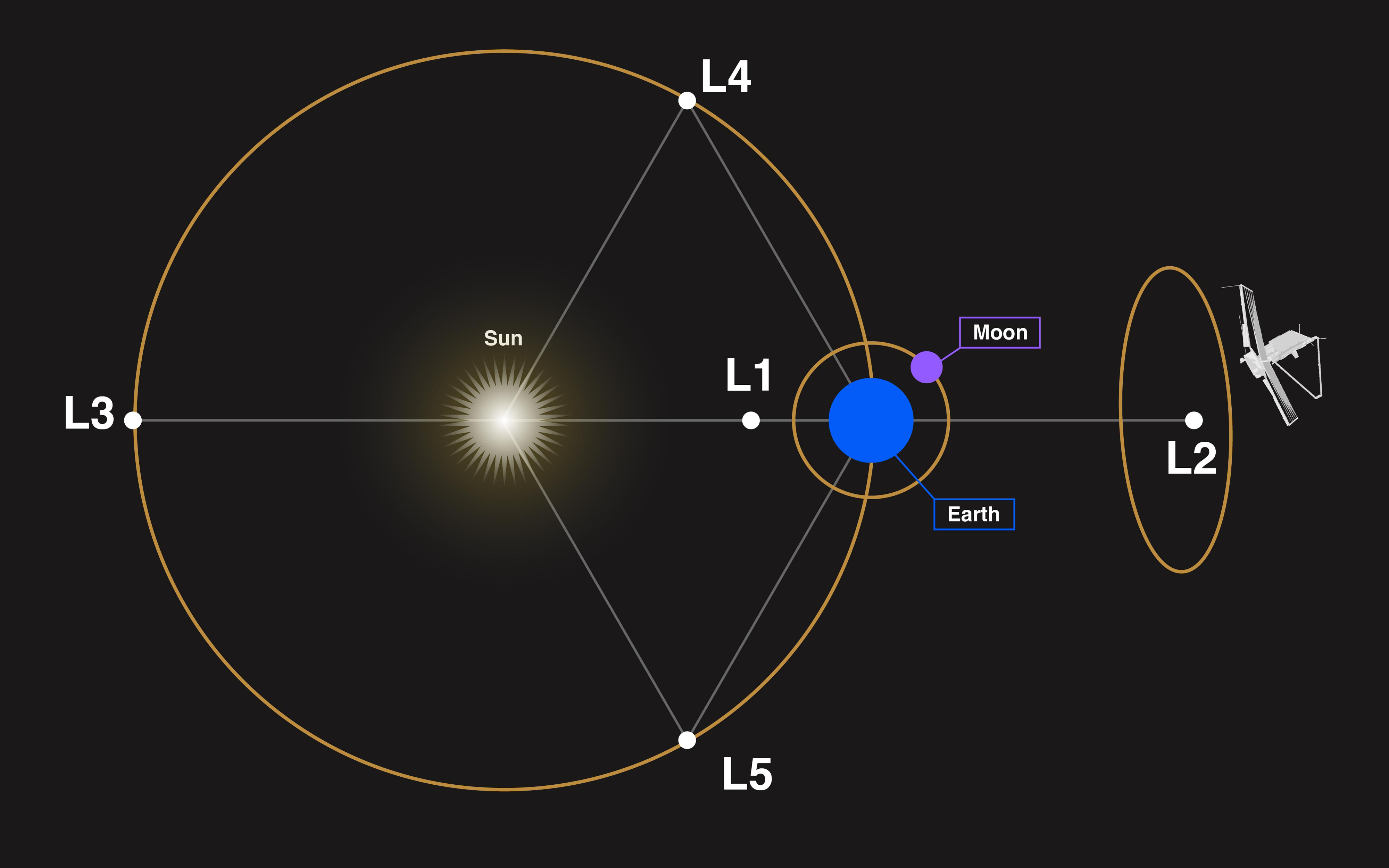
Five spots in the Earth-Sun system where the gravitational tug of two massive bodies and the pull of circular motion all cancel out, creating gravitational parking spaces where spacecraft can sit for decades with almost no fuel.