COSMOS 2243 (22641)

COSPAR: 1993-028A | Alt Name: Kosmos-2243
DECAYED

Image
COSMOS 2243 Satellite Image
Additional Sources
Launch Details

Launch Date

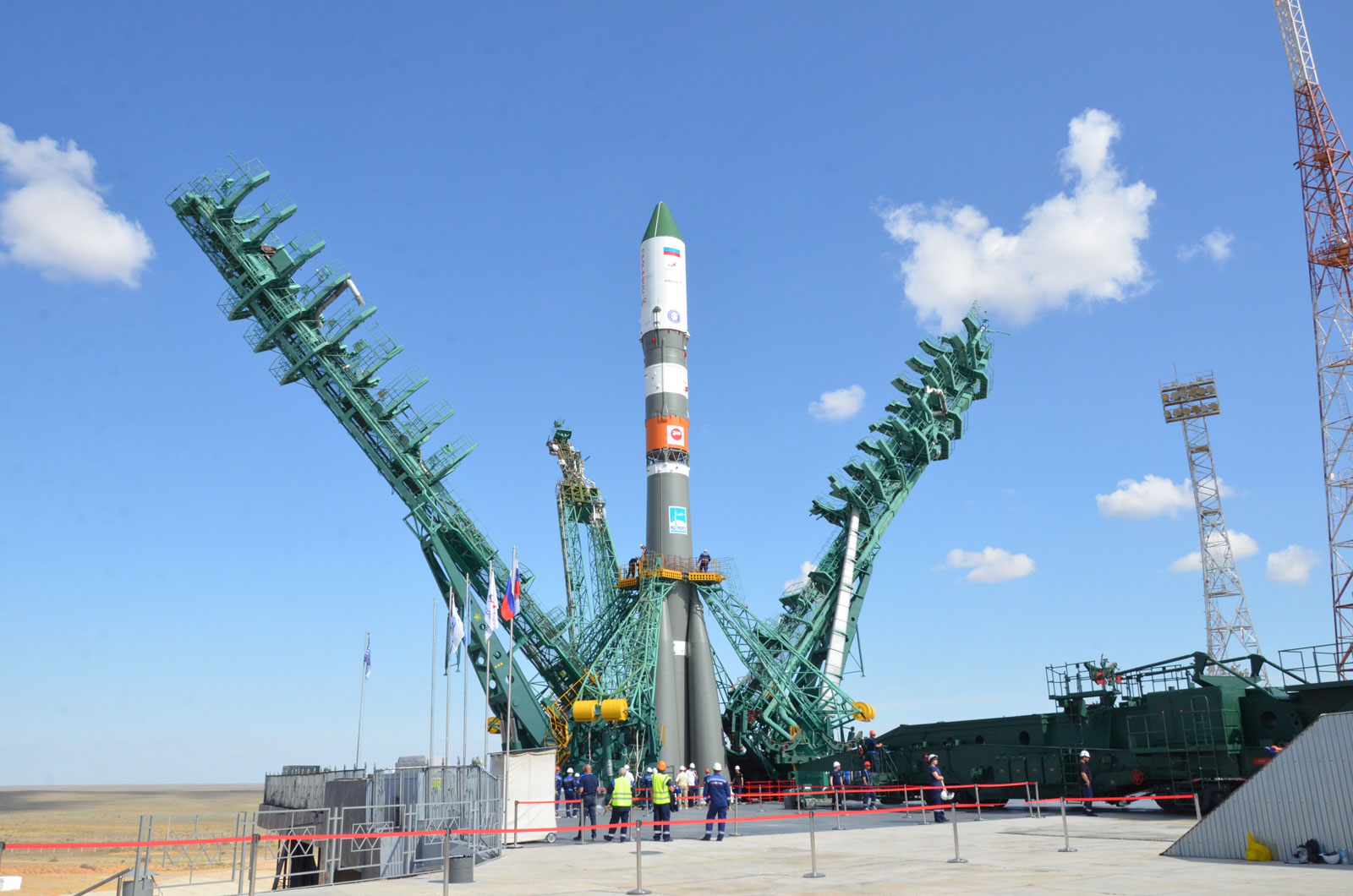
April 27, 1993

Launch Pad

LC31

Launch Vehicle

Soyuz-U

Orbital Elements

NORAD ID

22641

International Designator

1993-028A

Decay Date

5/6/1993

Basic Satellite Info

Name

COSMOS 2243

Alternative Name

Kosmos-2243

Type

Payload

Status

Decayed

Owner

VTSR

Country

Russia

Constellation

N/A

Related Satellites

Major Events

N/A

Summary
COSMOS 2243 (also known as Kosmos-2243) is an area reconnaissance satellite equipped for photo surveillance and film return type operations. It was launched on April 27, 1993, from the Tyuratam Launch Complex (TYMSC), specifically LC31, using a Soyuz-U launch vehicle. The spacecraft measures 6.5 meters in length with a diameter of 2.4 meters and spans 6.5 meters when its solar arrays are deployed. It has a dry mass of 2720 kilograms and was manufactured by TSSKB. The mission's purpose is to conduct area reconnaissance through photographic means, utilizing the Kometa No. 16L payload and powered by two deployable solar arrays along with batteries for energy storage. The satellite's shape consists of a sphere combined with a DCone structure and has an RCS (Reaction Control System) area of 12.96 square meters. Owned by VTSR, the spacecraft is configured as a Yantar Bus with a Zenit reentry module and was launched under the COUNTRY designation RU.
Physical Characteristics

Length

6.5

Diameter

2.4

Span

6.5

Dry Mass

2720

Launch Mass

2720

Shape

Sphere + DCone

Radar Cross Section

12.96

Visual Magnitude

Unknown

Color

Unknown

Material Composition

Unknown

Technical Details

Payload

Kometa No. 16L

Purpose

Area Reconnaissance, photo (film return type)

Mission

Area Reconnaissance, photo (film return type)

Manufacturer

TSSKB

Life Expectancy

Unknown

Bus

Yantar'-1KFT

Configuration

Yantar Bus, Zenit reentry module

Motor

Unknown

Equipment

Unknown

Power System

2 deployable solar arrays, batteries

ADCS

Unknown

Transmitter Frequency

Unknown

Satellite Articles

View All Posts »

Learn more about satellites and other related topics.

ESA Proba-3 Spacecraft Goes Silent, Formation Mission Halted | KeepTrack Space Brief

ESA Proba-3 Spacecraft Goes Silent, Formation Mission Halted | KeepTrack Space Brief

ESA's Proba-3 spacecraft lost contact last month following on-orbit anomaly. Mission requires both satellites in precise formation for solar corona science. Recovery status uncertain.

Space Brief 6 Dec 2024

Space Brief 6 Dec 2024

Today's brief covers various military applications of climate-monitoring satellites, new defense strategies against unmanned threats, and the potential impacts of geopolitical tensions on orbit.

The Kessler Syndrome

The Kessler Syndrome

The Kessler Syndrome threatens humanity's future in space as cascading satellite collisions create exponential debris growth. With 36,000+ tracked objects and recent incidents accelerating risks, we face a critical juncture: implement solutions now or potentially lose access to low Earth orbit forever.

NROL-179 Starshield Satellites Launch from Vandenberg | KeepTrack X Report

NROL-179 Starshield Satellites Launch from Vandenberg | KeepTrack X Report

SpaceX launched NROL-179 from Vandenberg at 1:50 a.m. PDT June 19, carrying Starshield spy satellites for the National Reconnaissance Office.

Space Brief 21 Jan 2025

Space Brief 21 Jan 2025

Today's Space Brief highlights a SpaceX launch of Starlink satellites, international efforts to tackle space debris, and innovative lunar power solutions from China.

Northrop Grumman Books $71M Charge on Vulcan Booster Anomaly | KeepTrack Space Brief

Northrop Grumman Books $71M Charge on Vulcan Booster Anomaly | KeepTrack Space Brief

Northrop Grumman takes $71M charge over Vulcan solid rocket booster anomaly, grounding ULA's vehicle. Vulcan manifest timelines now in holding pattern pending resolution.

X Report 30 Aug 2025

X Report 30 Aug 2025

SpaceX impresses with the successful launch of 24 Starlink satellites and shares stunning visuals from the recent Starship Flight 10, which demonstrated remarkable landing precision.

Katalyst Link Clears Tests for $500M SPARCS Rescue | KeepTrack Space Brief

Katalyst Link Clears Tests for $500M SPARCS Rescue | KeepTrack Space Brief

Katalyst's Link spacecraft passes key testing milestone ahead of June 2026 launch to rescue NASA's $500M SPARCS telescope. In-space servicing mission will create trackable conjunction risk during approach and docking phase.