

X Report 22 Dec 2024
SpaceX successfully launches two rideshare missions to mid-inclination orbits, expanding their satellite deployment capabilities.


Launch Date
April 8, 1993
Launch Site
Launch Pad
LC39B
Launch Vehicle
Space Shuttle
NORAD ID
22623
International Designator
1993-023B
Decay Date
4/13/1993
Name
SPARTAN 201
Alternative Name
Spartan 201
Type
Status
Owner
GSFC
Country
United States
Constellation
N/A
Related Satellites
Major Events
N/A
Length
2.3
Diameter
1
Span
2.3
Dry Mass
1289
Launch Mass
1289
Shape
Box + Cyl
Radar Cross Section
Unknown
Visual Magnitude
Unknown
Color
Unknown
Material Composition
Unknown
Payload
SPTN-201
Purpose
UV-Ray Astronomy (Shuttle retrievable)
Mission
UV-Ray Astronomy (Shuttle retrievable)
Manufacturer
GSFC
Life Expectancy
Unknown
Bus
SPTN-200
Configuration
Spartan-200
Motor
?
Equipment
?
Power System
Batteries
ADCS
Unknown
Transmitter Frequency
Unknown
Learn more about satellites and other related topics.
SpaceX successfully launches two rideshare missions to mid-inclination orbits, expanding their satellite deployment capabilities.
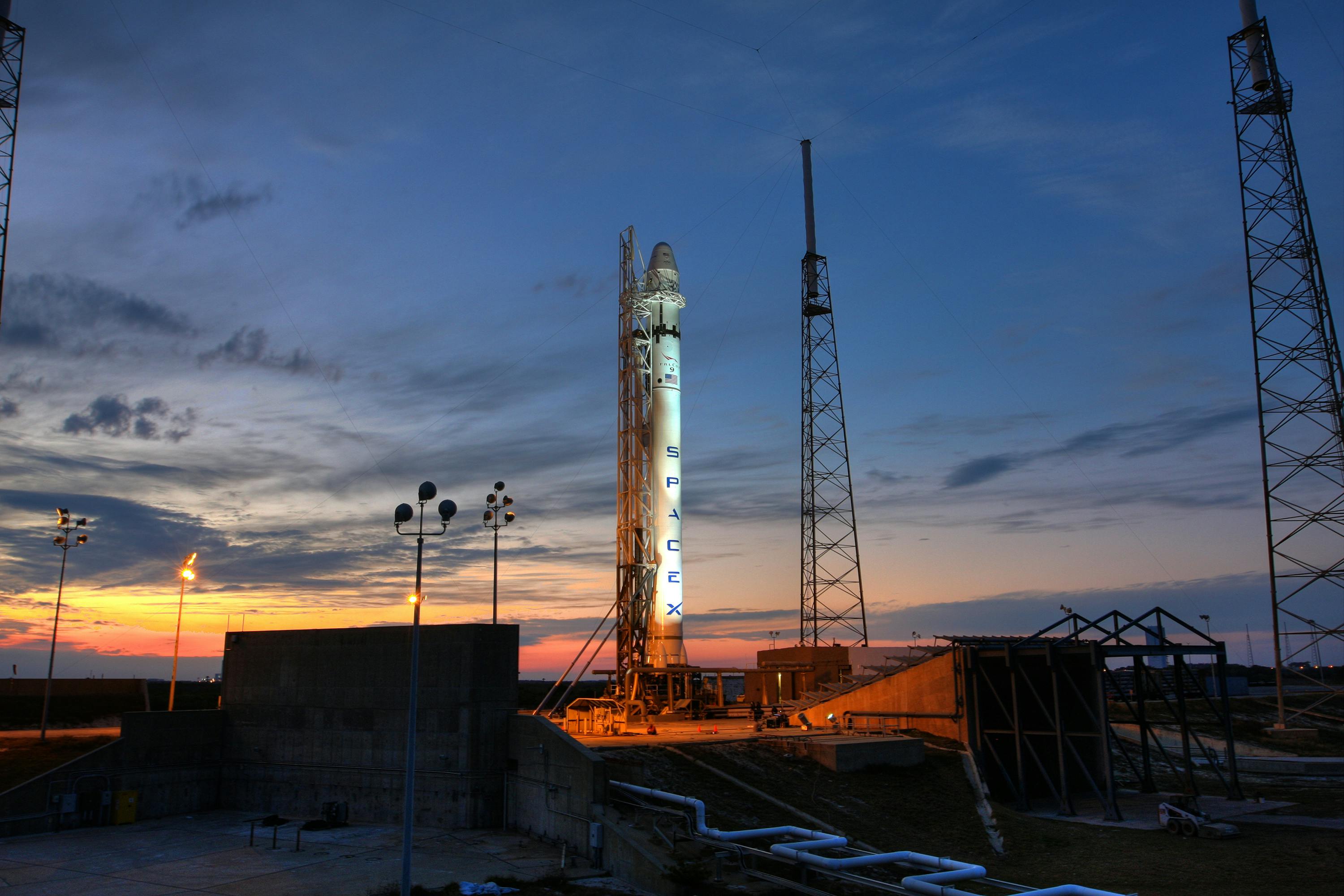
Starship Flight 8 ends with mixed results as SpaceX successfully catches Super Heavy booster but loses the upper stage in a fiery breakup.

ESA and JAXA finalize collaboration for asteroid Apophis 2029 flyby at 32,000 km—closer than geostationary orbit. Historic near-Earth encounter being heavily observed.

On April 14, 1958, Sputnik 2 burned up over the North Atlantic, carrying the remains of a stray dog from Moscow who had been dead for five months. The Soviet Union told the world she survived for days. It took forty-five years for the truth to come out.

SpaceX successfully launched the latest GPS satellite for the U.S. military, while the FAA has initiated a mishap investigation on a recent Starship test flight. CEO Elon Musk provided updates on the future of the Starship program, indicating ambitious plans ahead.

Space Force stands up 2 cyber defense squadrons at Cape Canaveral and Vandenberg to protect launch operations against adversary interference targeting pad networks and telemetry systems.
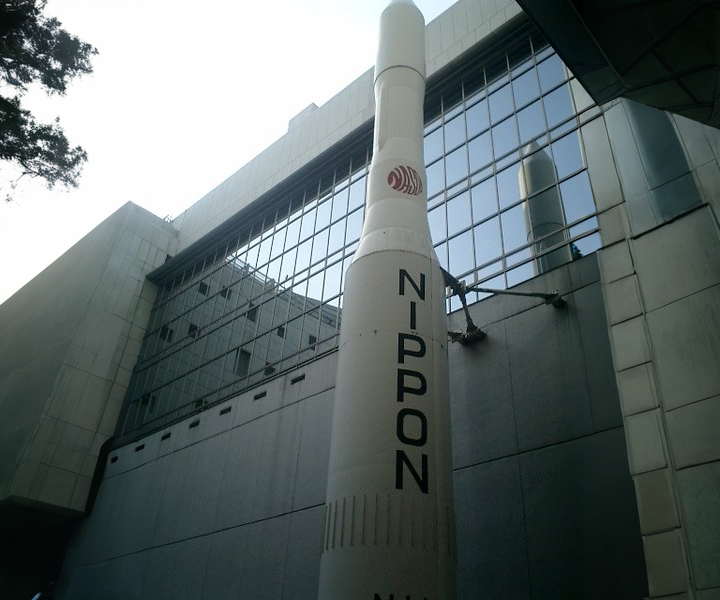
Forty-eight years ago, a pioneering satellite named Kiku 2 propelled Japan into the exclusive group of nations capable of operating satellites in geostationary orbit

Today's brief covers China's Beidou satellite plans, SpaceX's Starship advancements, potential Space Command HQ relocation, and more.