


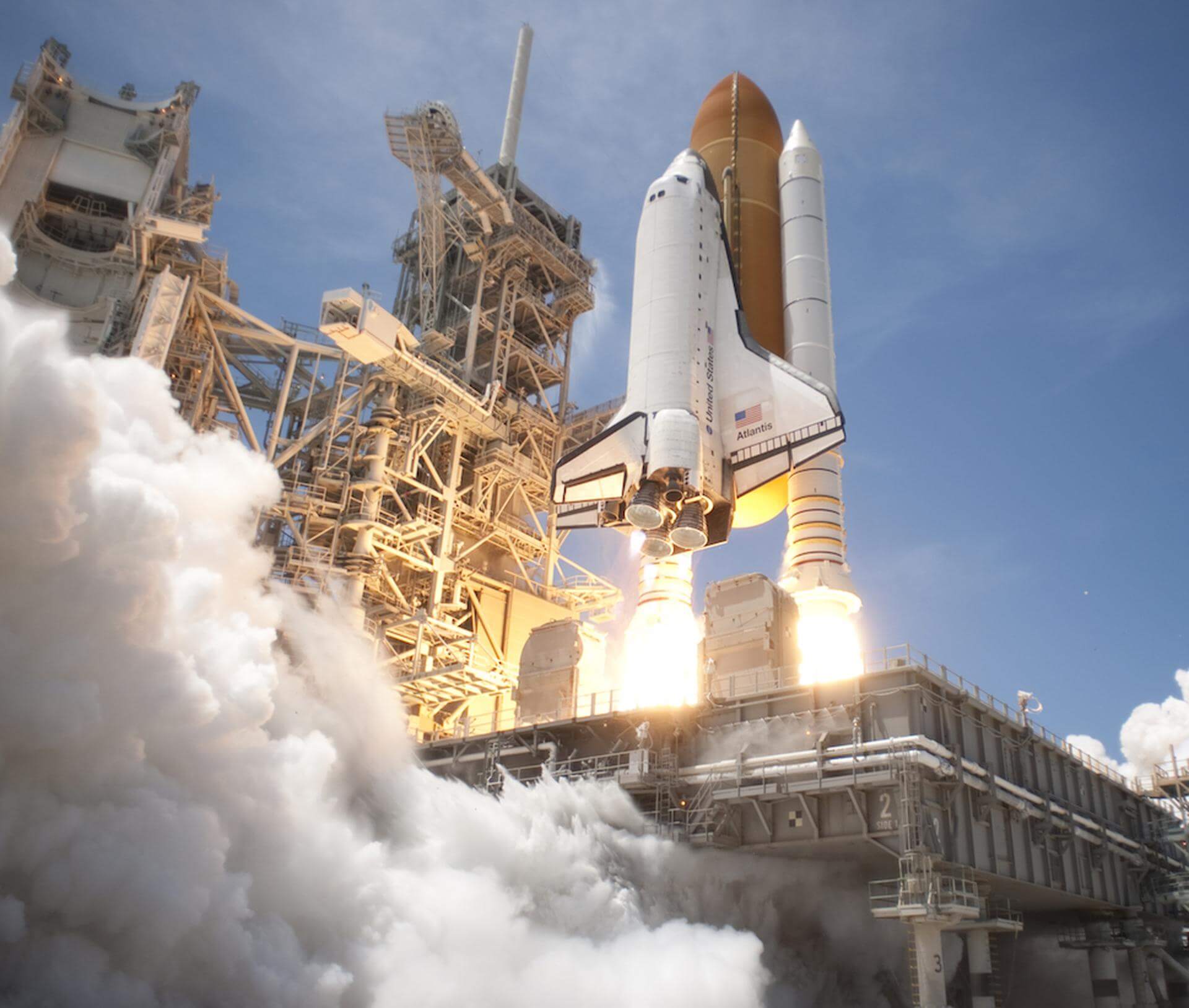
Falcon 9 B1067 Targets 36th Flight Record on Starlink 10-42 | KeepTrack Space Brief
SpaceX Falcon 9 booster B1067 set for 36th flight Thursday with Starlink 10-42 mission from Cape Canaveral. Long March 10B debuts Friday in China.


Launch Date
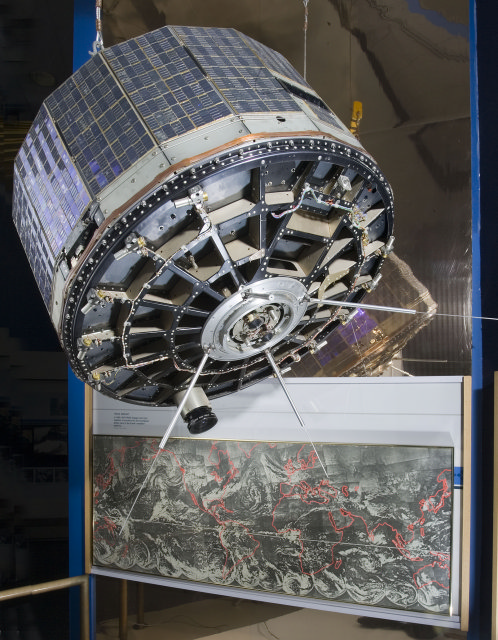
February 8, 1962
Launch Site
Launch Pad
LC-17A
Launch Vehicle
Thor-Delta
NORAD ID
00226
International Designator
1962-002A
Epoch
Fri, 03 Jul 2026 19:25:22 GMT
Apogee
Calculating...
Perigee
Calculating...
Inclination
48.30°
Right Ascension
295.52°
Eccentricity
Calculating...
Argument of Perigee
320.50°
Period
99.50 min
Mean Motion
14.47 rev/day
Latitude
Calculating...
Longitude
Calculating...
Altitude
Calculating...
Velocity
Calculating...
Name
TIROS-4
Alternative Name
TIROS-D
Type
Status
Owner
NASA Goddard Space Flight Center
Country
United States
Constellation
TIROS
Related Satellites
Major Events
Launched on February 8, 1962; ceased operations on June 30, 1962.
1 00226U 62002A 26184.80928800 .00000039 00000-0 56110-4 0 9995
2 00226 48.2968 295.5228 0076256 320.5019 39.0338 14.47191667370853
Source: Celestrak
Length
0.56
Diameter
1.07
Span
1.07
Dry Mass
129
Launch Mass
129
Shape
18-sided right prism
Radar Cross Section
0.8251
Visual Magnitude
5
Color
Silver (aluminum-clad)
Material Composition
Aluminum alloy and stainless steel
Payload
Meteorological instruments
Purpose
Meteorology
Mission
Meteorology
Manufacturer
RCA Astro Electronics
Life Expectancy
Operated nominally until June 30, 1962.
Bus
TIROS
Configuration
18-sided right prism
Motor
Solid-fuel thrusters for spin rate control
Equipment
Two independent television camera subsystems for cloud cover imaging; three radiometers (two-channel low-resolution omnidirectional, five-channel scanning, and medium-resolution scanning radiometer) for measuring Earth's radiation.
Power System
Solar cells charging nickel-cadmium batteries
ADCS
Spin-stabilized with magnetic attitude control
Transmitter Frequency
Unknown
Learn more about satellites and other related topics.
SpaceX Falcon 9 booster B1067 set for 36th flight Thursday with Starlink 10-42 mission from Cape Canaveral. Long March 10B debuts Friday in China.

Today's Space Brief covers China’s latest satellite launches, leadership changes in the U.S. Space Force, insights from hyperspectral imagery on an Iranian facility, SpaceX's Starlink mission, and more.
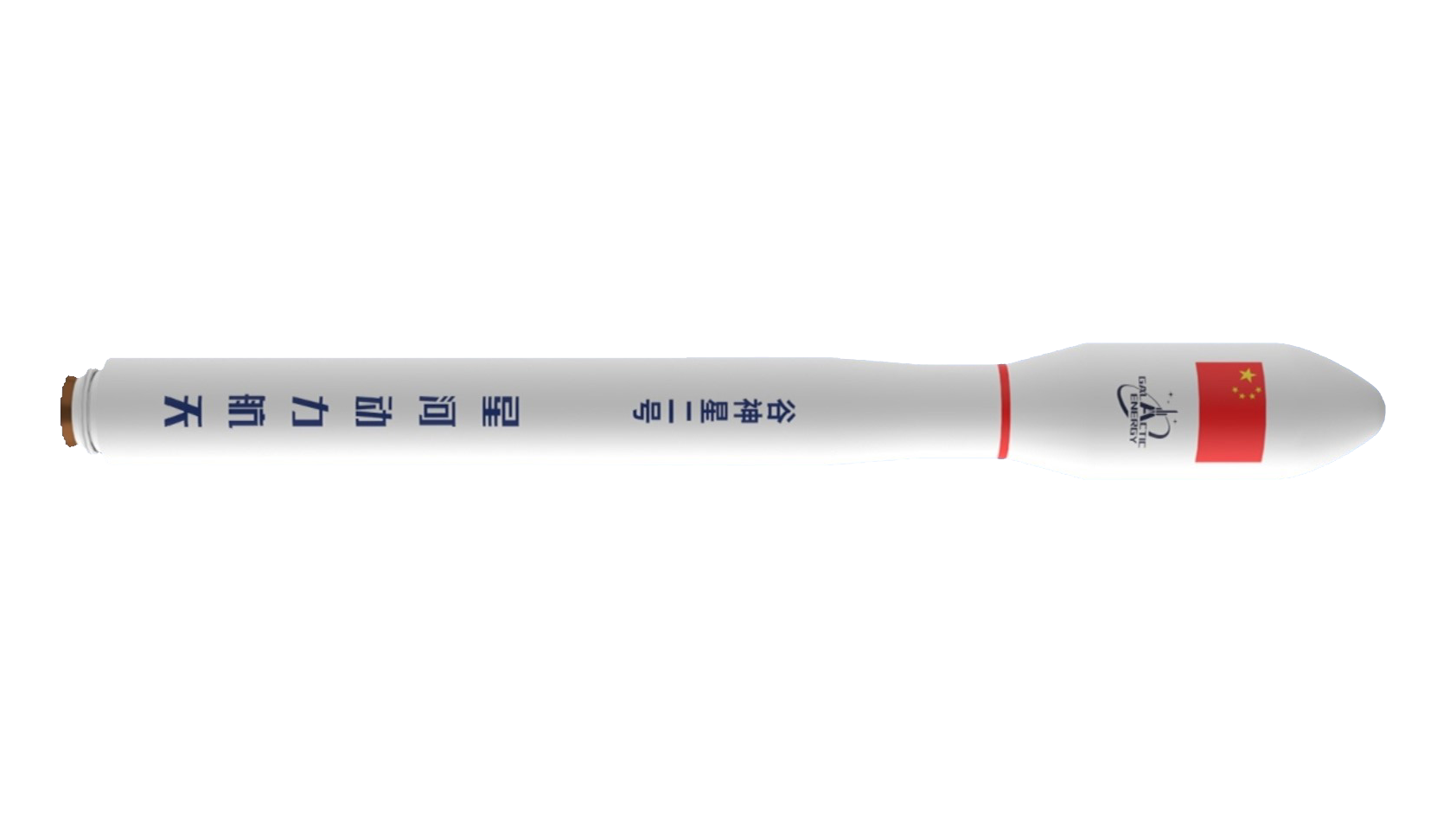
Pentagon chief Pete Hegseth tours Rocket Lab for Arsenal of Freedom strategy. Space Force accelerates 2026 acquisitions including GPS and tactical comms. Rhea Space wins $1.9M optical nav contract.
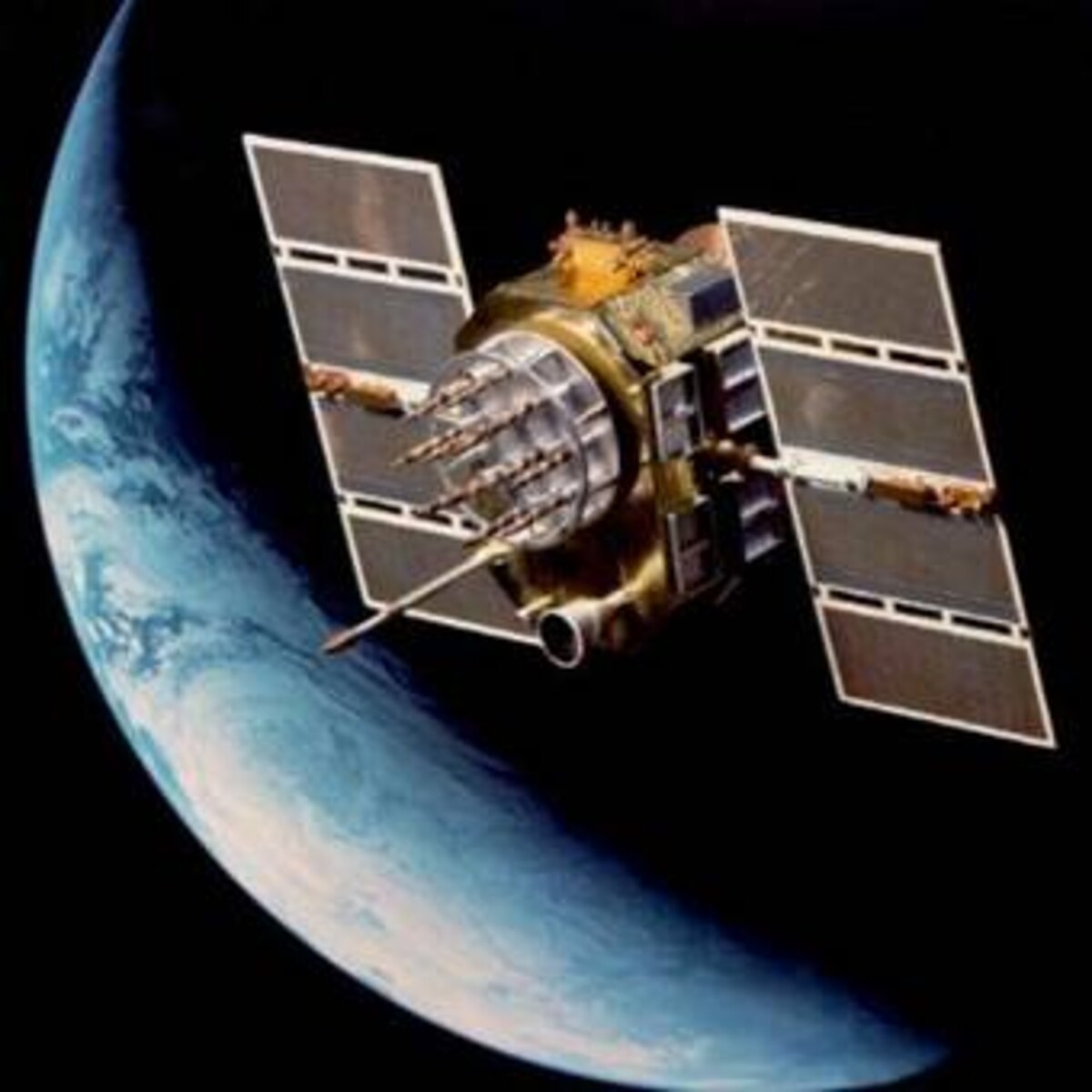
Forty-seven years ago, an Atlas rocket carried the first GPS satellite into orbit, launching a revolution in navigation that would transform daily life across the globe

Today's Space Brief covers the latest developments in space debris detection, Ursa Major's defense push, and SpaceX's Starlink launch. Additionally, insights into microreactors for military bases, US Cyber Command updates, and gravitational wave discoveries are highlighted.
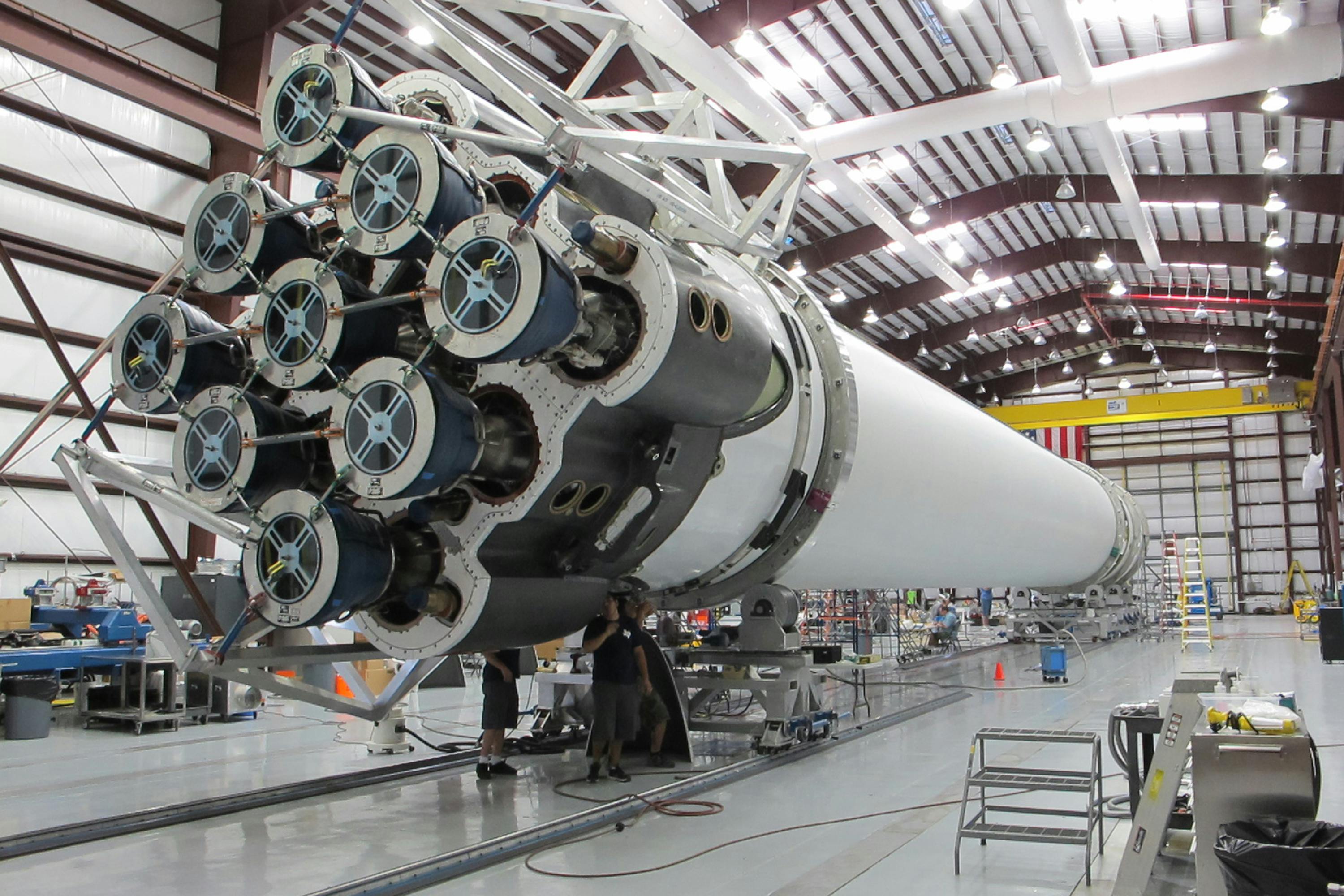
SpaceX faces setbacks with Starship Flight 8 amid debris fallout, achieves regulatory win for smartphone connectivity, and prepares for upcoming ISS missions.
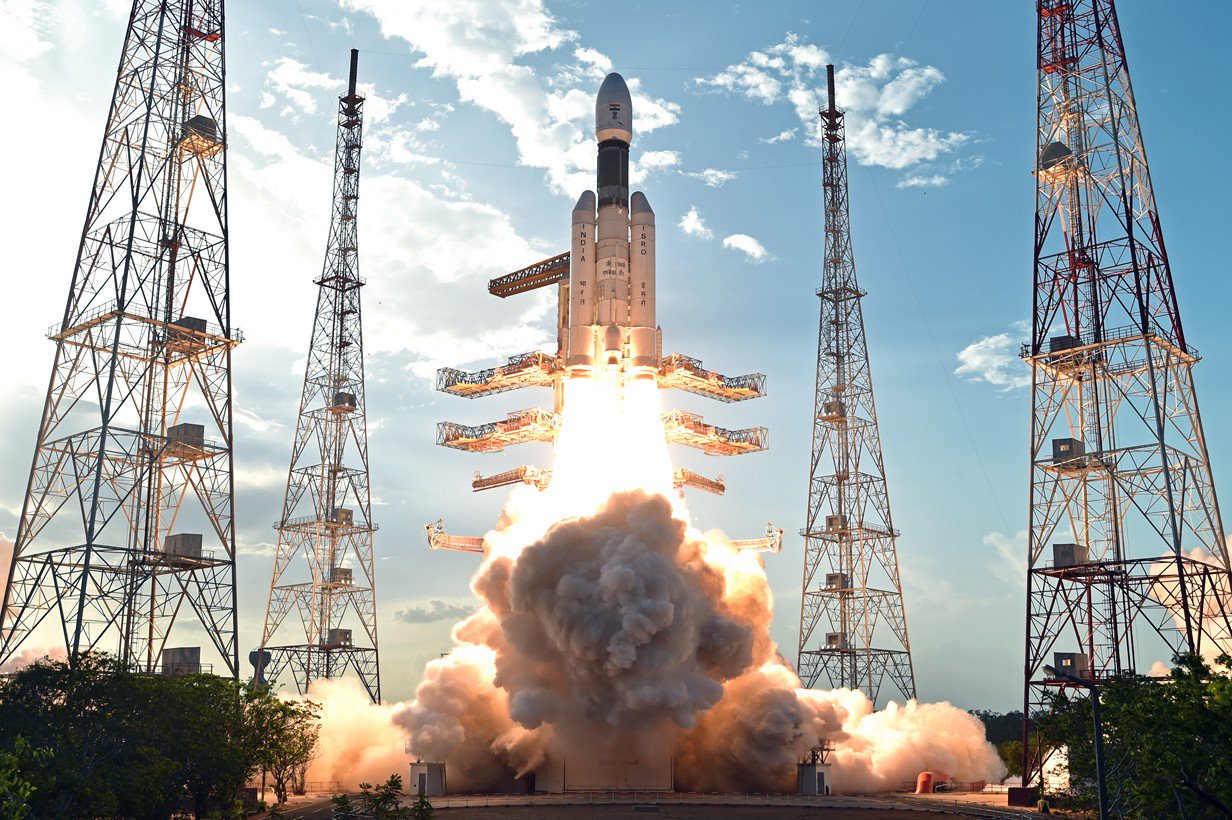
Today's updates cover Rocket Lab's launch for the U.S. Space Force, Digantara's major funding round, and discussions on national security in space.

SpaceX bids farewell to LZ-1 while continuing its mission towards advancements in satellite technology and the ongoing Starlink project.