


Rocket Lab Neutron Targets Q4 2026 Debut, Space Brief 9 May 2026
Rocket Lab Neutron's first launch is targeted for Q4 2026 after a tank test failure, backed by a new 5-launch deal. Plus Globalstar's 1,410 km refresh.


![COSMOS 2234 [GLONASS] Satellite Image](/images/sat/22512.jpg)
Launch Date
February 17, 1993
Launch Site
Launch Pad
LC81/23
Launch Vehicle
Proton-K/DM-2
NORAD ID
22512
International Designator
1993-010A
Epoch
Sat, 04 Jul 2026 01:40:00 GMT
Apogee
Calculating...
Perigee
Calculating...
Inclination
64.91°
Right Ascension
69.50°
Eccentricity
Calculating...
Argument of Perigee
216.34°
Period
675.73 min
Mean Motion
2.13 rev/day
Latitude
Calculating...
Longitude
Calculating...
Altitude
Calculating...
Velocity
Calculating...
Name
COSMOS 2234 [GLONASS]
Alternative Name
Kosmos-2234
Type
Status
Owner
VKS
Country
Russia
Constellation
N/A
Related Satellites
Major Events
N/A
1 22512U 93010A 26185.06945156 -.00000012 00000-0 00000-0 0 9997
2 22512 64.9126 69.4975 0022044 216.3413 323.9528 2.13103567259493
Source: Celestrak
Length
4
Diameter
1.5
Span
7.8
Dry Mass
1200
Launch Mass
1300
Shape
Cyl + Ant + 2 Pan
Radar Cross Section
2.189
Visual Magnitude
Unknown
Color
Unknown
Material Composition
Unknown
Payload
Uragan No. 73L
Purpose
Navigation
Mission
Navigation
Manufacturer
POL
Life Expectancy
3 years
Bus
Uragan
Configuration
3-Axis stabilized
Motor
?
Equipment
?
Power System
2 deployable solar arrays, batteries
ADCS
Unknown
Transmitter Frequency
Unknown
Learn more about satellites and other related topics.
Rocket Lab Neutron's first launch is targeted for Q4 2026 after a tank test failure, backed by a new 5-launch deal. Plus Globalstar's 1,410 km refresh.

Key military and technology developments in space; US Space Force and Army strategize national security with new rocket certifications and space training initiatives.

SpaceX sets a new reuse record with Falcon 9's 27th flight, continuing its Starlink deployment while facing challenges with Starship development.
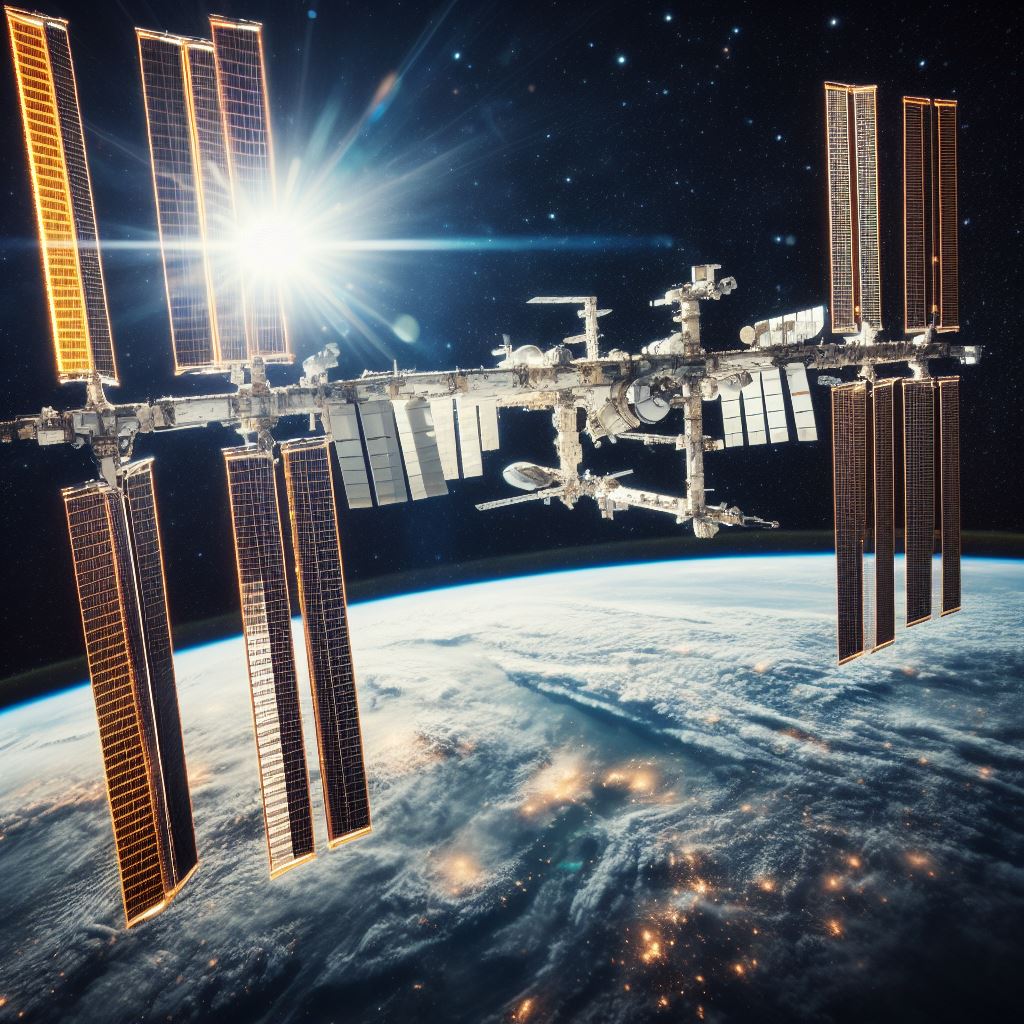
Let's look at the legacy of space exploration with the 10 most iconic satellites still orbiting Earth.
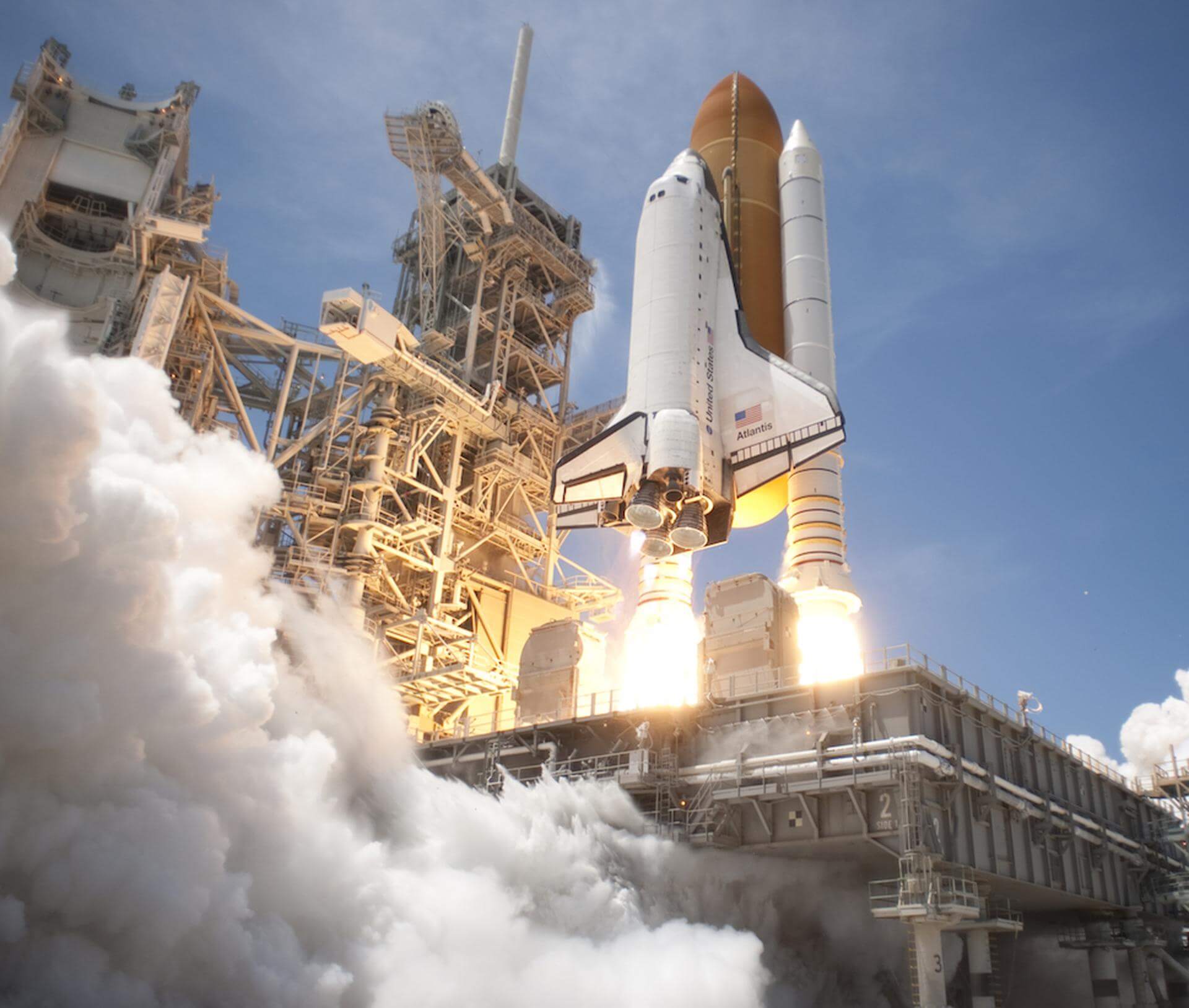
Rocket Lab to acquire Iridium's 66-satellite LEO constellation for end-to-end vertical integration. Deal includes spacecraft manufacturing, launch, and on-orbit operations control.

Today's brief covers the recent surge in SpaceX launches, Eutelsat's resolution of a OneWeb software issue, and various strategic previews for U.S. military branches in 2025.
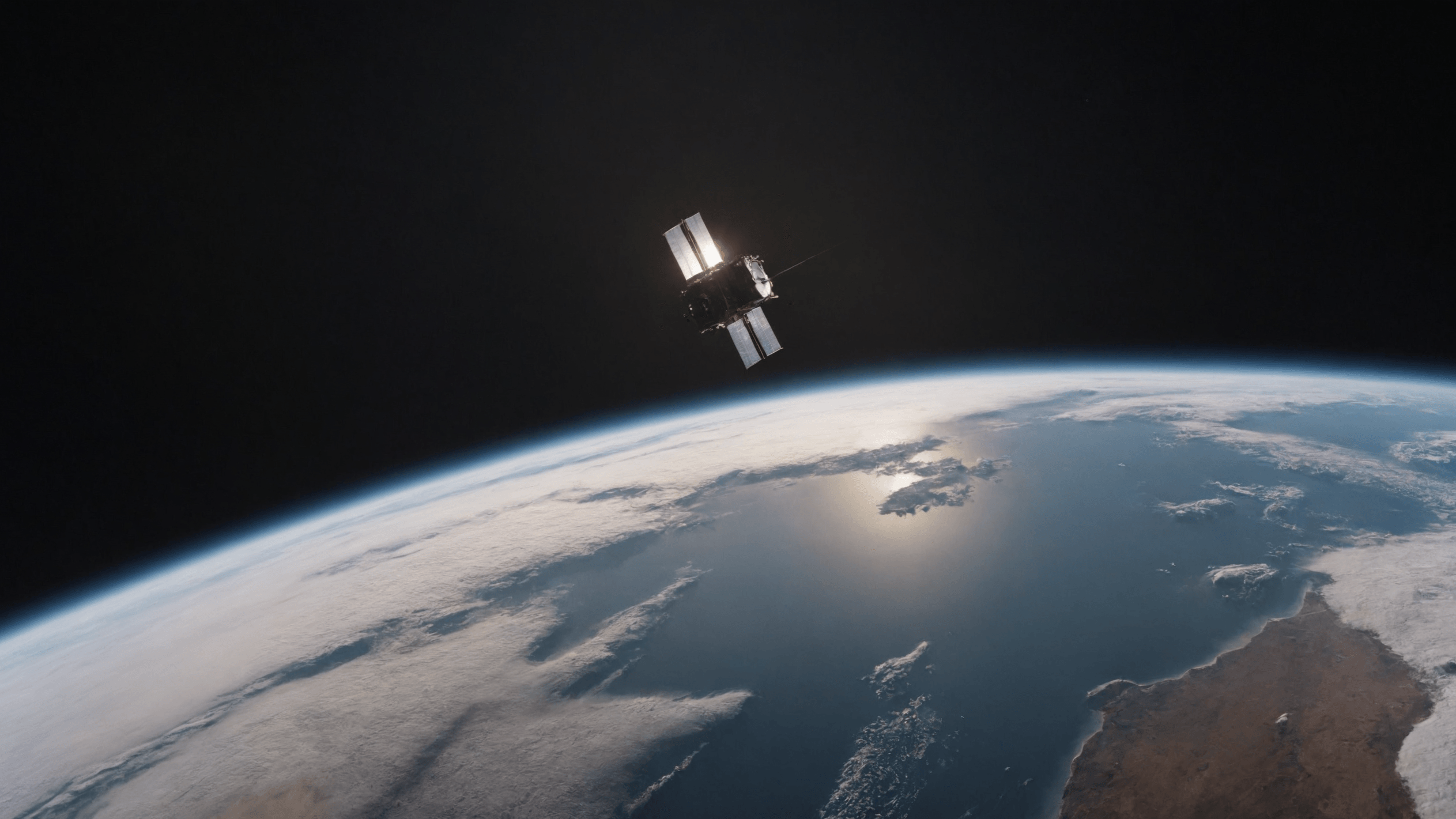
A Falcon 9 booster fails to land, increasing GPS and PNT significance for national security, and NASA's SLS mobile launch platform costs soar.

SpaceX achieves significant milestones with the launch of 28 Starlink satellites and the final landing of the LZ-1 pad, marking key moments in their ongoing mission to expand satellite connectivity.