


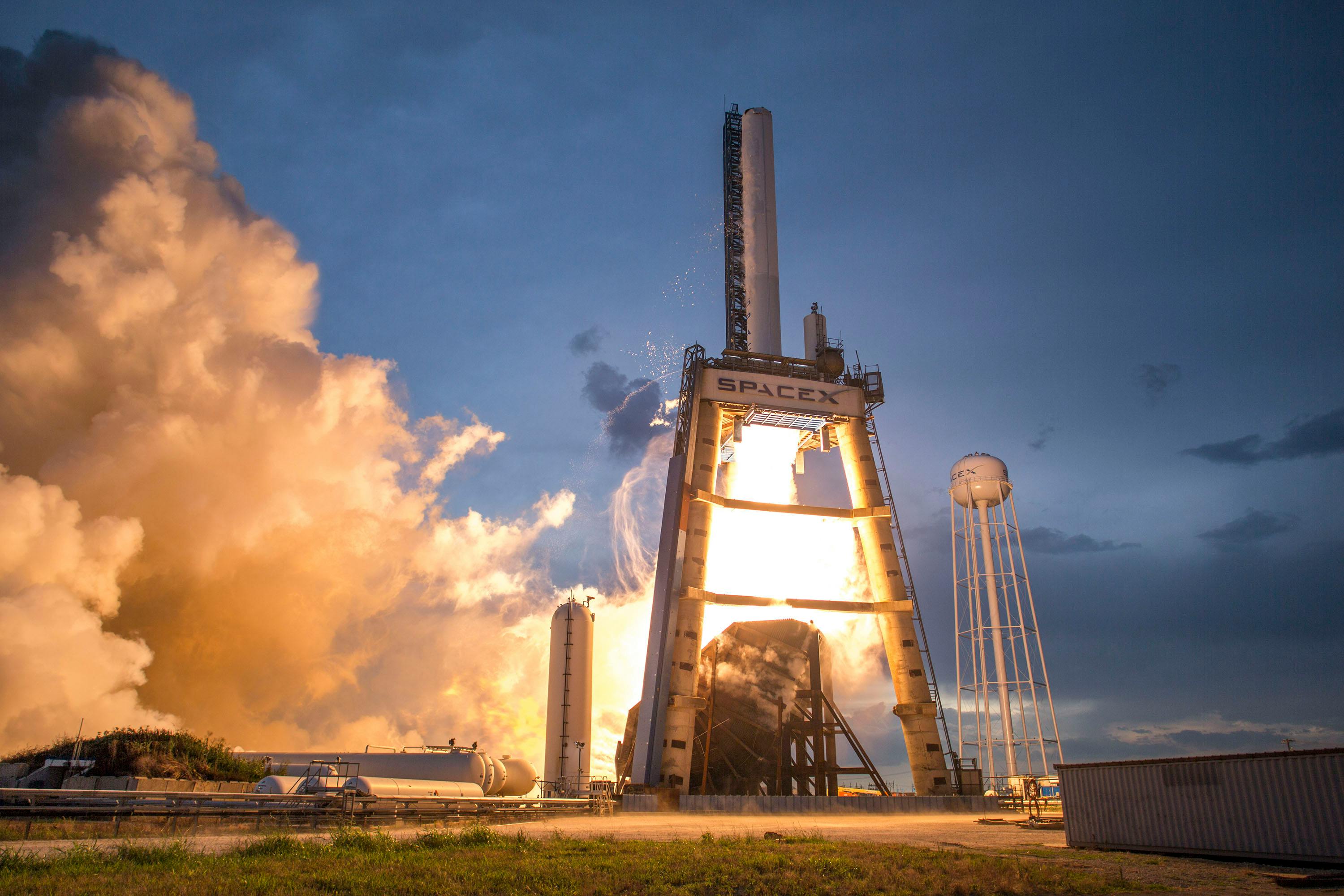
$4.16B Golden Dome Contract Awarded to SpaceX | KeepTrack X Report
SpaceX wins a $4.16B Pentagon contract for missile-tracking satellites, while hitting its 50th Starlink launch of 2026 in a landmark May.


Launch Date
February 9, 1993
Launch Site
PLMSC
Launch Pad
LC133/3
Launch Vehicle
Kosmos 11K65M
NORAD ID
22488
International Designator
1993-008B
Epoch
Sat, 04 Jul 2026 03:18:21 GMT
Apogee
Calculating...
Perigee
Calculating...
Inclination
82.94°
Right Ascension
139.32°
Eccentricity
Calculating...
Argument of Perigee
327.94°
Period
104.50 min
Mean Motion
13.78 rev/day
Latitude
Calculating...
Longitude
Calculating...
Altitude
Calculating...
Velocity
Calculating...
Name
SL-8 R/B
Alternative Name
Kosmos-3M 78-428 Stage 2
Type
Status
Owner
VKS
Country
Russia
Constellation
N/A
Related Satellites
Major Events
N/A
1 22488U 93008B 26185.13774670 .00000124 00000-0 10790-3 0 9998
2 22488 82.9431 139.3237 0024565 327.9405 42.4929 13.78012627678933
Source: Celestrak
Length
4.2
Diameter
2.4
Span
4.2
Dry Mass
1434
Launch Mass
1434
Shape
Cyl
Radar Cross Section
3.912
Visual Magnitude
Unknown
Color
Unknown
Material Composition
Unknown
Payload
S3M
Purpose
Unknown
Mission
Unknown
Manufacturer
POL
Life Expectancy
Unknown
Bus
S3
Configuration
Unknown
Motor
Unknown
Equipment
Unknown
Power System
Unknown
ADCS
Unknown
Transmitter Frequency
Unknown
Learn more about satellites and other related topics.
SpaceX wins a $4.16B Pentagon contract for missile-tracking satellites, while hitting its 50th Starlink launch of 2026 in a landmark May.
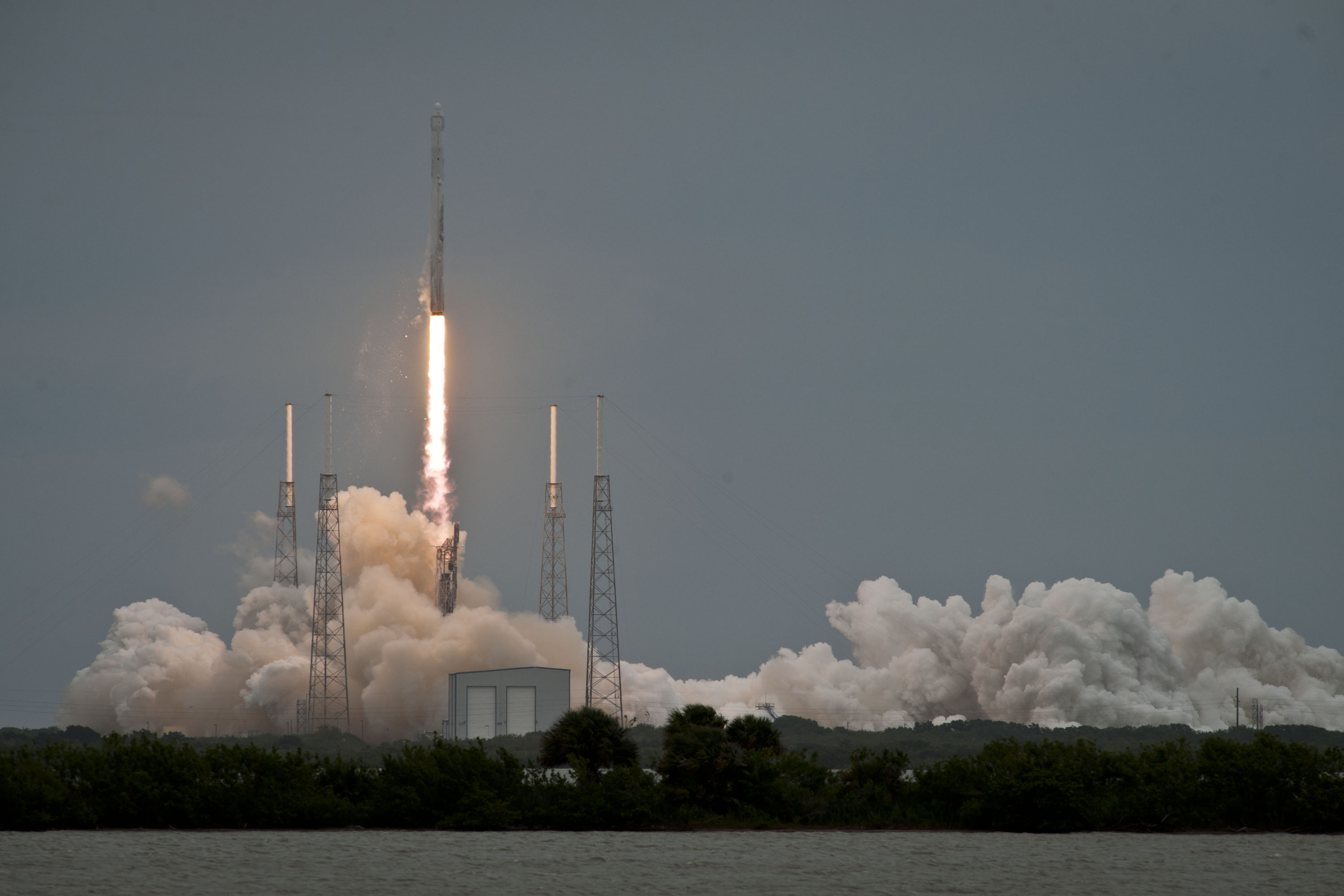
On April 18, 2014, a Falcon 9 first stage did something no orbital rocket had ever done before. It fired its engines on the way down, steered itself through the atmosphere using grid fins that did not yet exist, and touched the Atlantic Ocean softly enough to survive the impact. Nobody recovered it. The data was the whole point.

Today's brief highlights a Pentagon satellite network challenge, the expanding use of AI in military strategy, and advancements in commercial launch vehicle production.

SpaceX's ongoing challenges with the Starship Flight 10 launch are prominent today, as weather and technical issues continue to push back the schedule. Meanwhile, successful cargo missions to the ISS highlight the company's ongoing commitment to space operations.
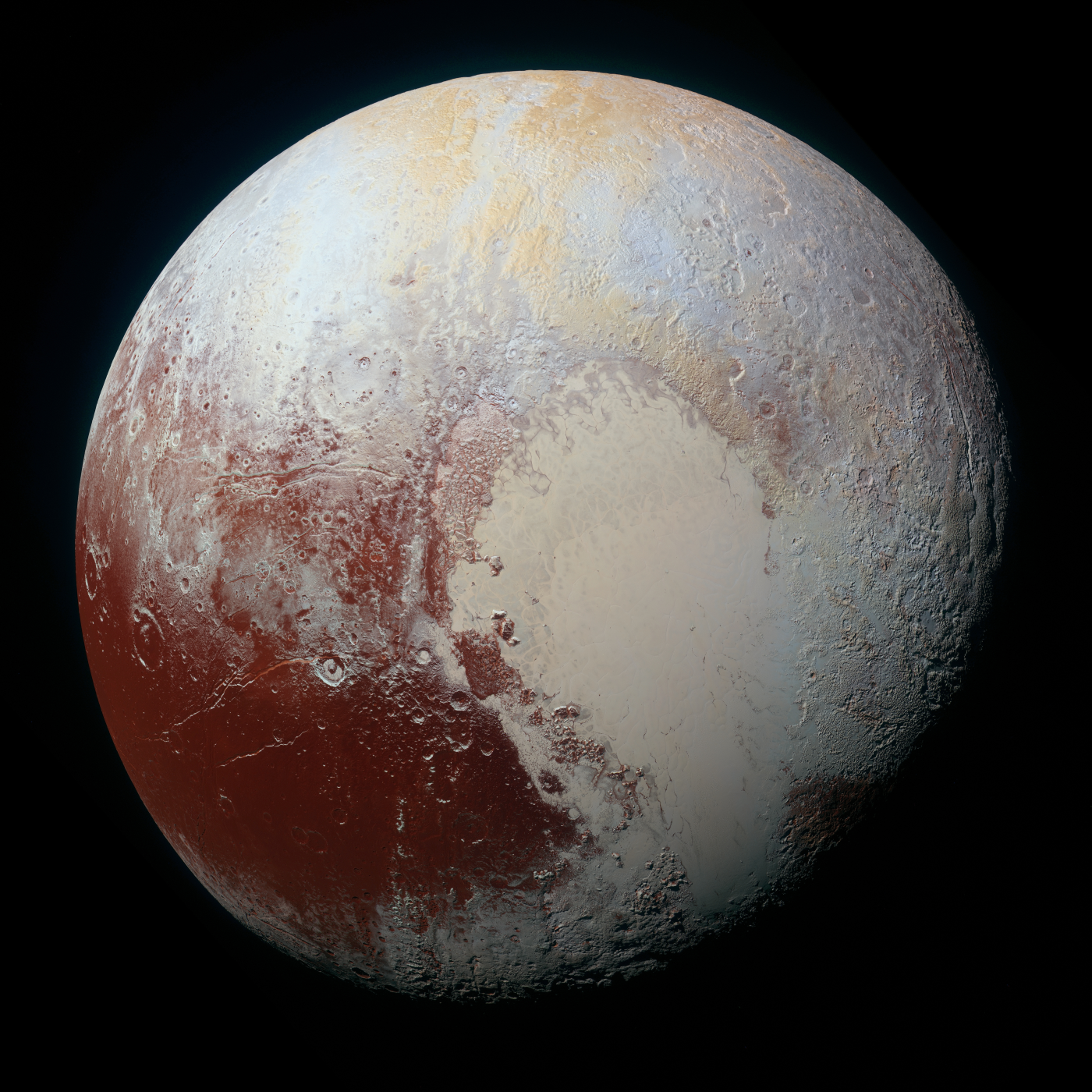
Ninety-five years ago, a 24-year-old astronomer with no college degree made one of astronomy's most remarkable discoveries, finding a new planet that would challenge our understanding of the solar system
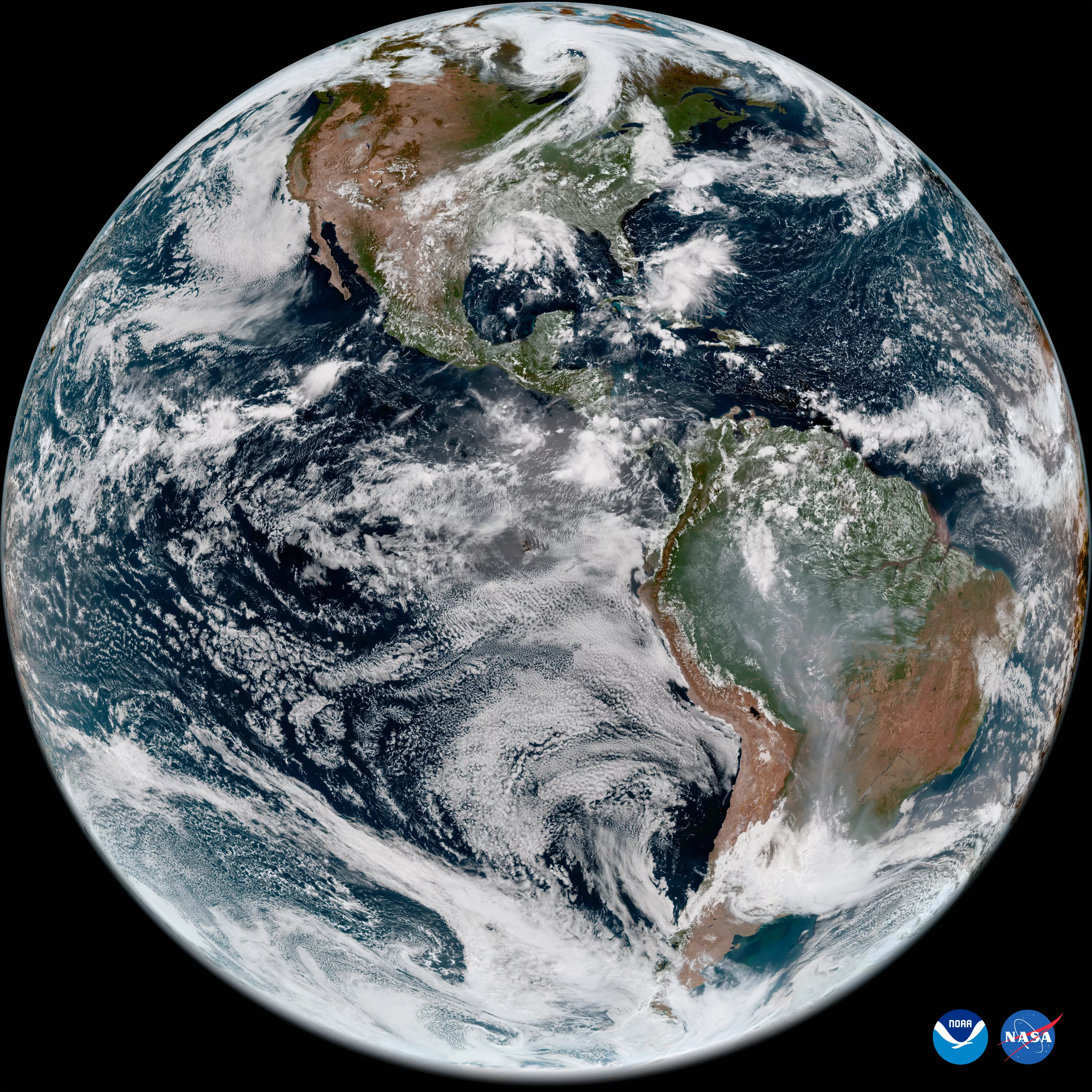
The final satellite in a multi-billion-dollar program that learned its hardest lesson from a clogged pipe. GOES-19 is now NOAA's eyes on every Atlantic hurricane - and it's already found dozens of comets no one was looking for.
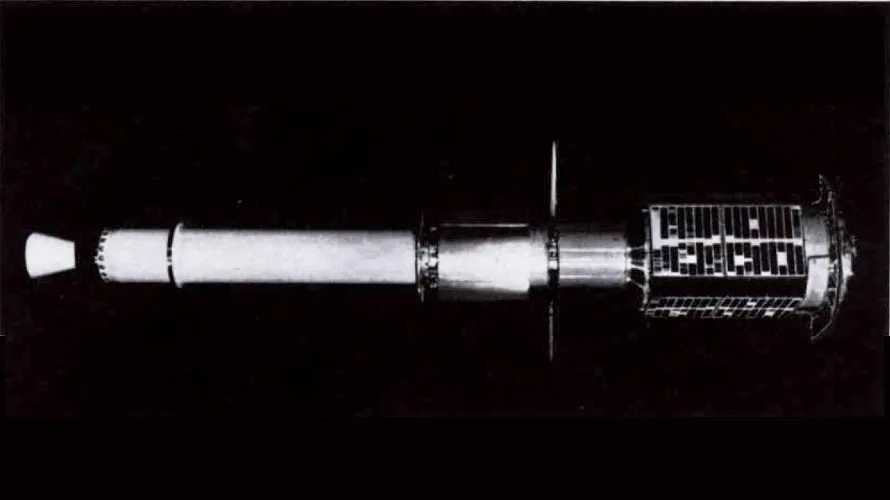
On April 27, 1961, a Scout rocket lifted a 37-kilogram NASA satellite into orbit from Wallops Island carrying the first serious instrument for detecting cosmic gamma rays. Explorer 11 operated for seven months before its tape recorder failed. In that time it registered 22 gamma-ray photons - a pitiful number by modern standards, but enough to launch an entire branch of astronomy.

Air Force awards CCA contracts to General Atomics and Anduril for autonomous fighter wingmen. Autonomy layer split across Anduril, Shield AI, and Collins Aerospace.