

X Report 12 Apr 2025
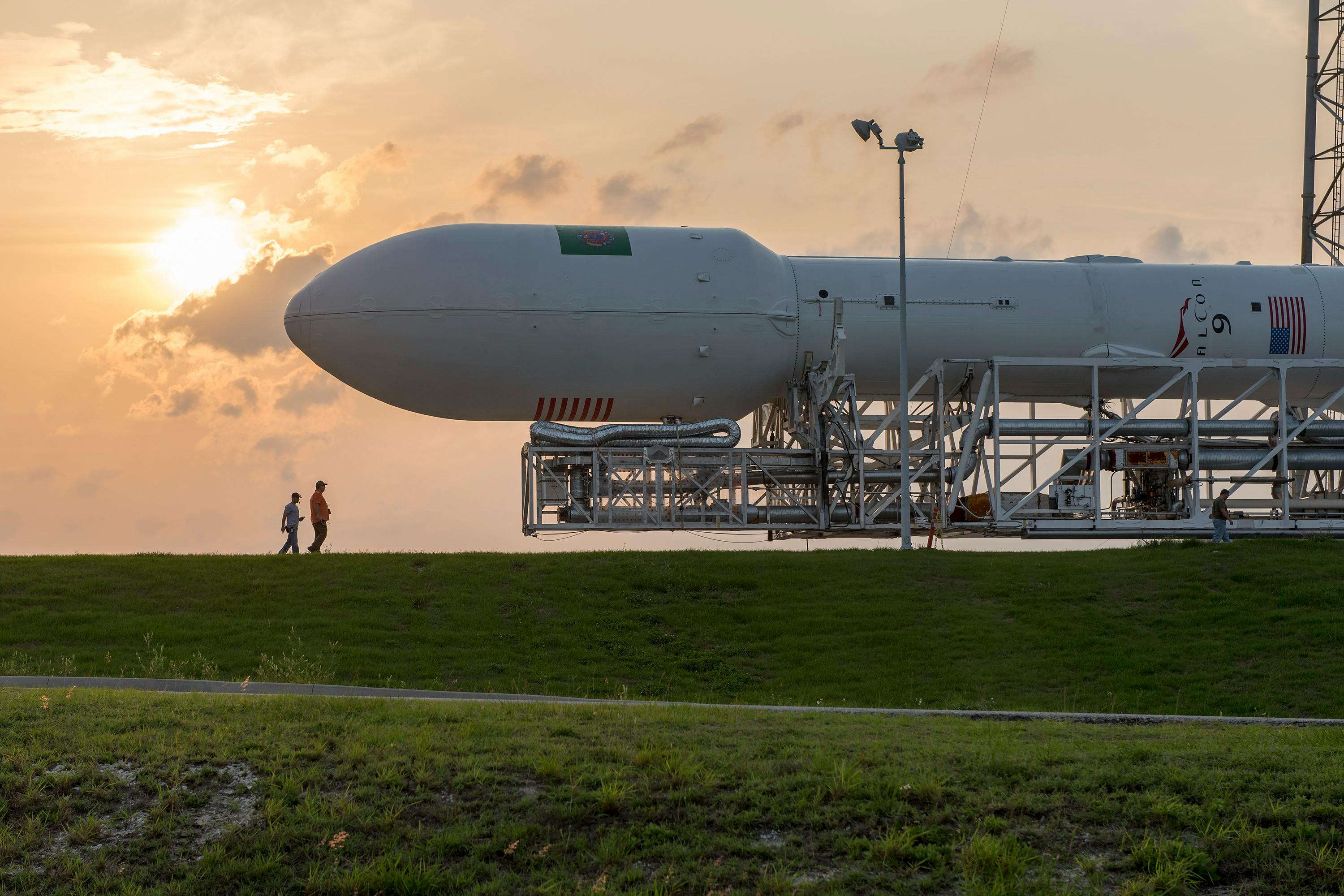
Key developments include the launch of Starshield satellites for the NRO and updates on Starlink launches and NASA access concerns involving Elon Musk's team.



Launch Date
December 25, 1992
Launch Site
Launch Pad
LC45/1
Launch Vehicle
Zenit-2
NORAD ID
22472
International Designator
1992-093FM
Decay Date
10/24/2003
Name
SL-16 DEB
Alternative Name
deb 11S772
Type
Status
Owner
RVSNR
Country
Russia
Constellation
N/A
Related Satellites
Major Events
N/A
Length
0
Diameter
0
Span
0
Dry Mass
0
Launch Mass
0
Shape
N/A
Radar Cross Section
0.0124
Visual Magnitude
Unknown
Color
Unknown
Material Composition
Unknown
Payload
Unknown
Purpose
Unknown
Mission
Unknown
Manufacturer
Unknown
Life Expectancy
Unknown
Bus
Unknown
Configuration
Unknown
Motor
Unknown
Equipment
Unknown
Power System
Unknown
ADCS
Unknown
Transmitter Frequency
Unknown
Learn more about satellites and other related topics.
Key developments include the launch of Starshield satellites for the NRO and updates on Starlink launches and NASA access concerns involving Elon Musk's team.
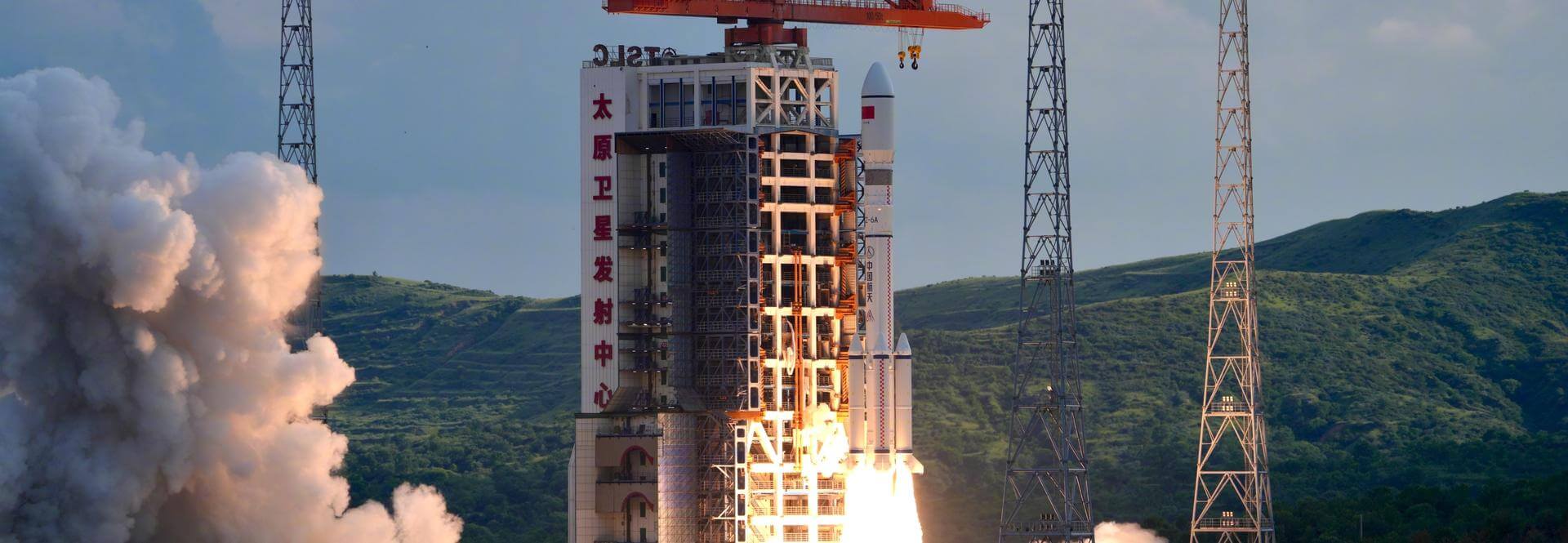
Blue Origin's LC-36 gantry damaged in blast; CEO targets end-2026 return. SpaceX awarded $4.16B Space Force contract for airborne threat tracking satellites.

ESA's Proba-3 spacecraft lost contact last month, grounding the dual-satellite solar eclipse mission. Formation flying between both craft is critical for coronagraph science.
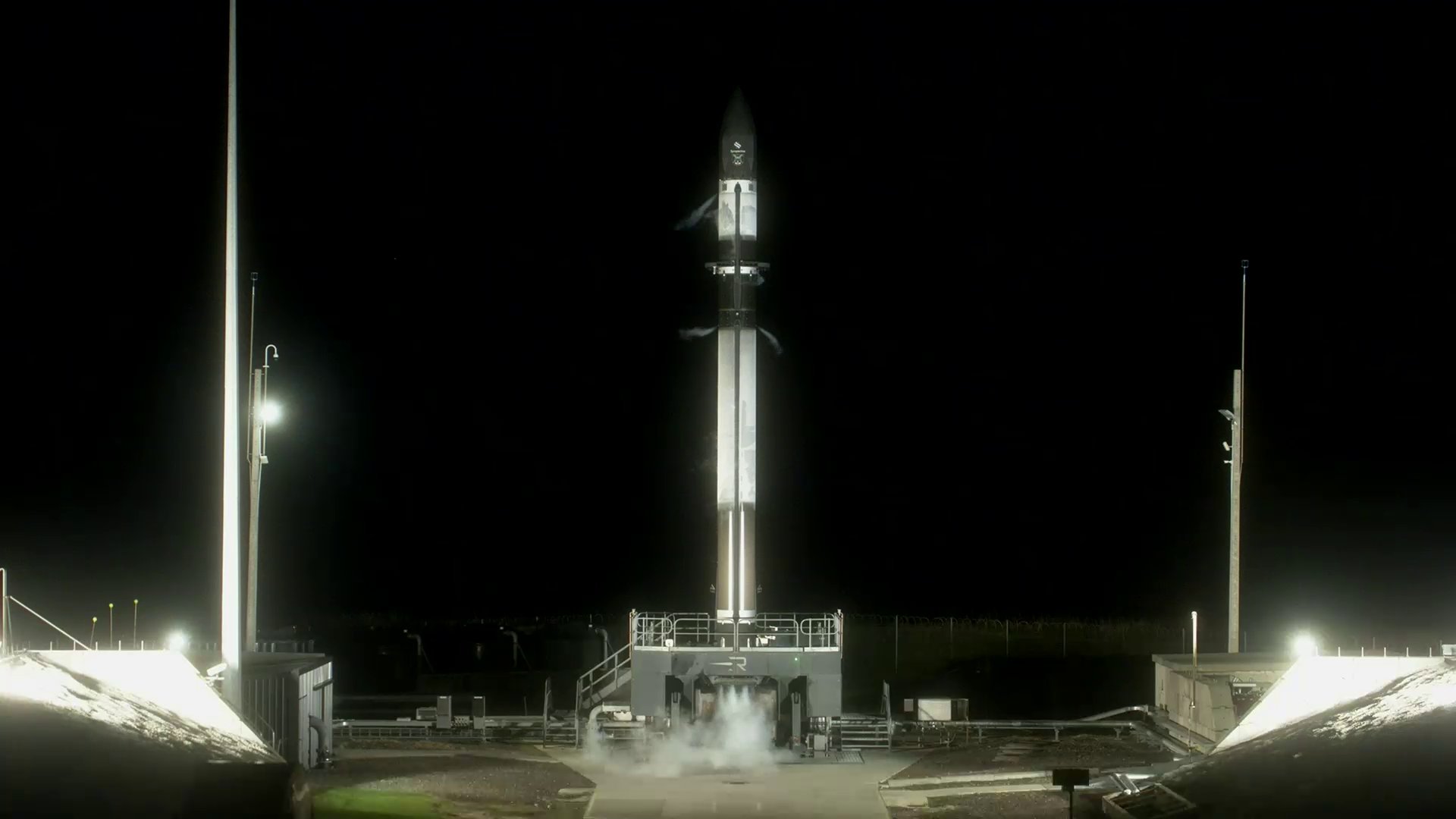
Space Force confirms plan to double active-duty Guardians by 2030, targeting faster response to satellite anomalies and adversary maneuvers in space domain awareness operations.

SpaceX's Falcon 9 achieves another milestone with successful international launch; Elon Musk discusses the future of the ISS; SpaceX prepares for its 450th Falcon launch.

We forecast how many satellites could be in orbit by 2030 and what capabilities we can expect.

Today's briefing highlights a significant increase in the Pentagon's AI budget, upgrades at the Tiangong space station, cyber threats to satellite operations, and the Moon and Venus conjunction.
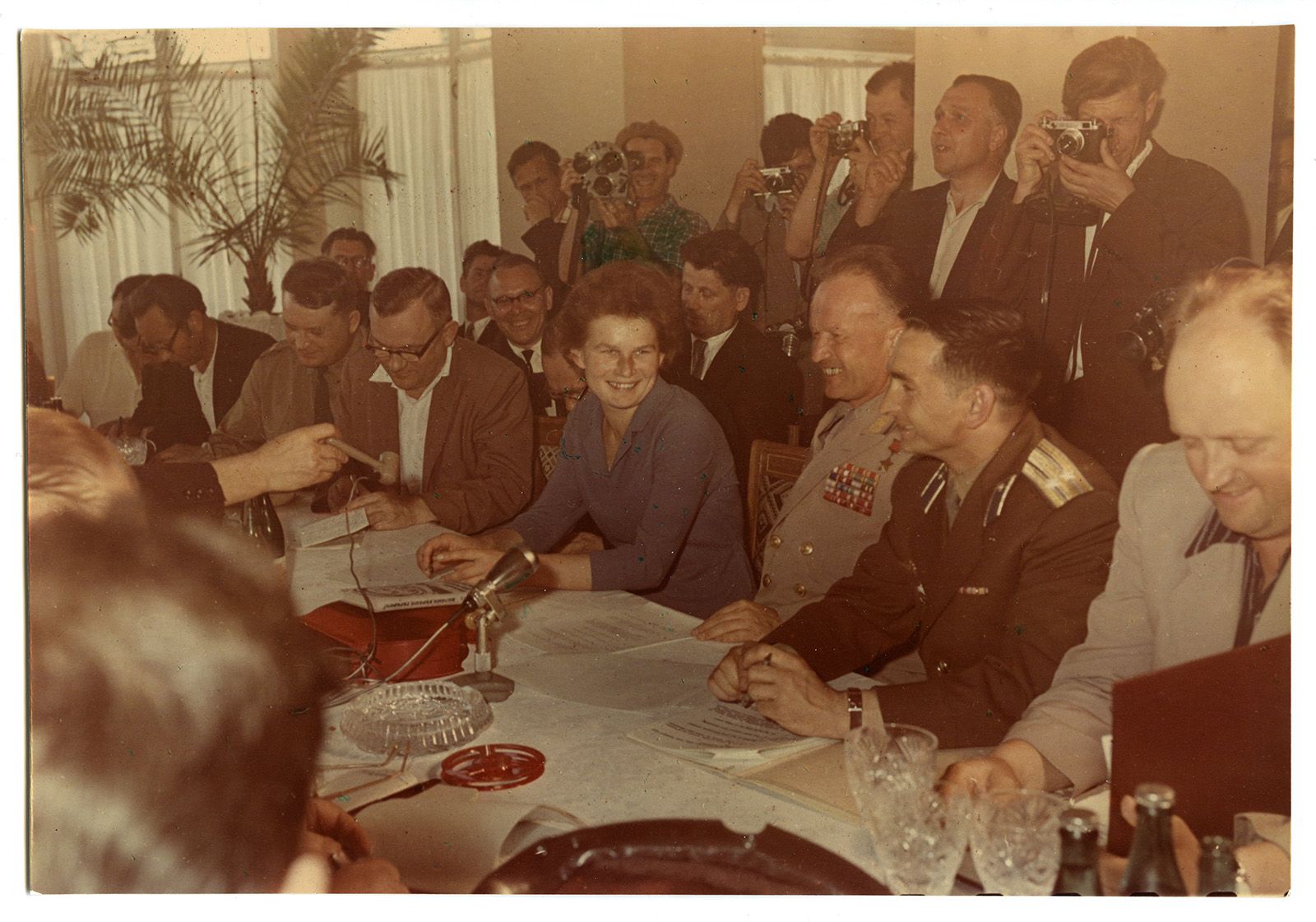
On 16 June 1963, a 26-year-old former textile worker named Valentina Tereshkova launched aboard Vostok 6 and spent nearly three days alone in orbit. She flew 48 times around the Earth, longer than every American astronaut combined, and spotted a dangerous flaw in her descent program that ground controllers had missed.