


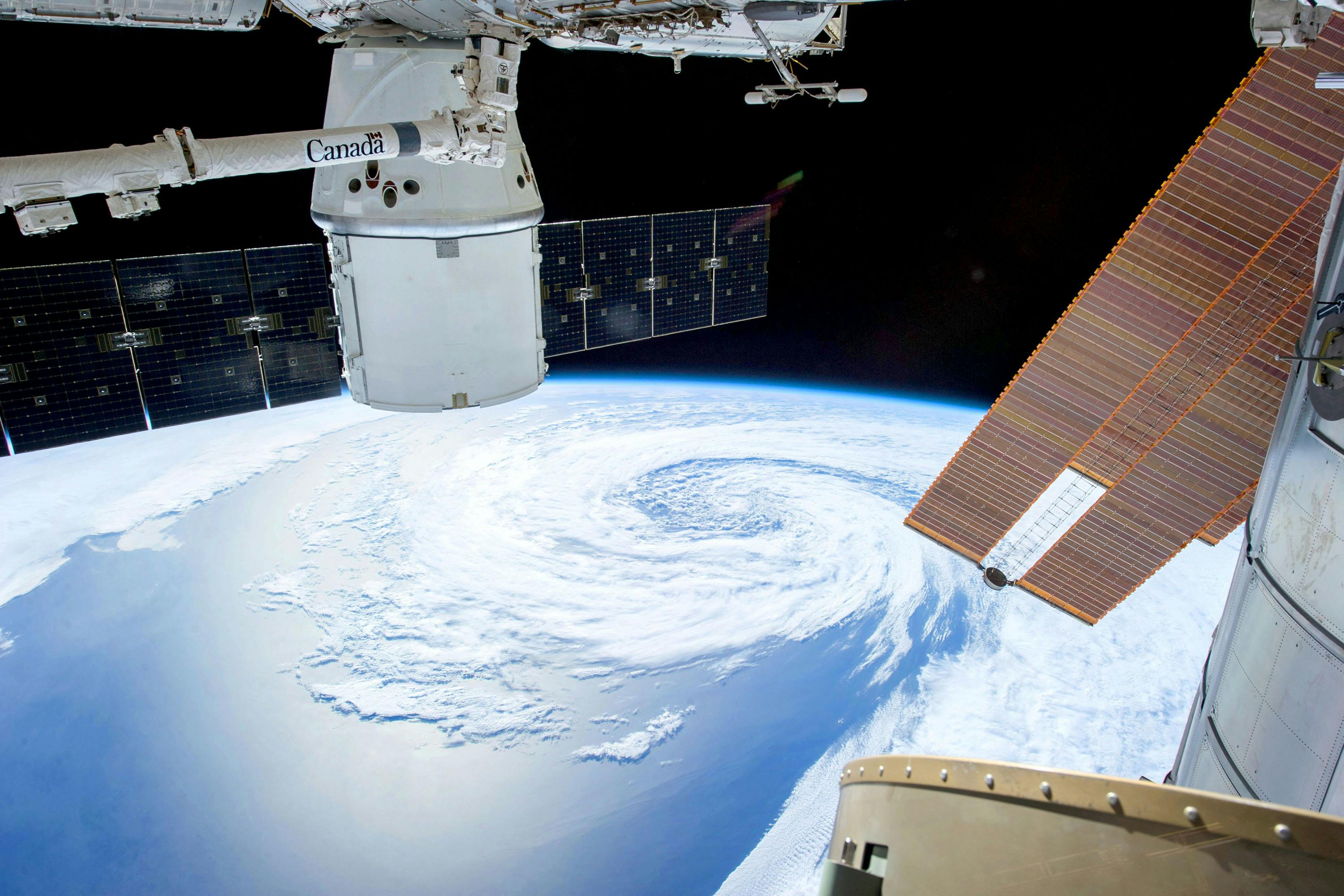
X Report 20 Mar 2025
SpaceX successfully rotates Crew-9 and Crew-10 on the ISS and launches new Starlink satellites with direct-to-cell capability.


Launch Date
December 25, 1992
Launch Site
Launch Pad
LC45/1
Launch Vehicle
Zenit-2
NORAD ID
22375
International Designator
1992-093BQ
Epoch
Sat, 04 Jul 2026 05:11:42 GMT
Apogee
Calculating...
Perigee
Calculating...
Inclination
70.82°
Right Ascension
110.14°
Eccentricity
Calculating...
Argument of Perigee
26.46°
Period
102.74 min
Mean Motion
14.02 rev/day
Latitude
Calculating...
Longitude
Calculating...
Altitude
Calculating...
Velocity
Calculating...
Name
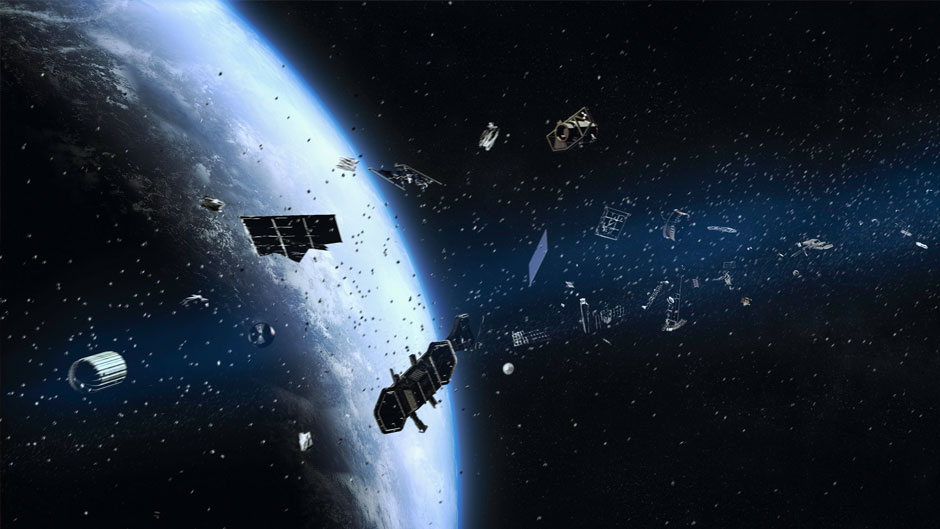
SL-16 DEB
Alternative Name
deb 11S772
Type
Status
Owner
RVSNR
Country
Russia
Constellation
N/A
Related Satellites
Major Events
N/A
1 22375U 92093BQ 26185.21646944 .00000165 00000-0 13527-3 0 9993
2 22375 70.8159 110.1394 0088253 26.4641 122.3868 14.01568558711450
Source: Celestrak
Length
0
Diameter
0
Span
0
Dry Mass
0
Launch Mass
0
Shape
N/A
Radar Cross Section
0.1415
Visual Magnitude
Unknown
Color
Unknown
Material Composition
Unknown
Payload
Unknown
Purpose
Unknown
Mission
Unknown
Manufacturer
Unknown
Life Expectancy
Unknown
Bus
Unknown
Configuration
Unknown
Motor
Unknown
Equipment
Unknown
Power System
Unknown
ADCS
Unknown
Transmitter Frequency
Unknown
Learn more about satellites and other related topics.
SpaceX successfully rotates Crew-9 and Crew-10 on the ISS and launches new Starlink satellites with direct-to-cell capability.

Space Force projects 30,000-satellite orbital architecture by 2040 amid combat integration revelations. Gen. Saltzman confirms space operations were critical in Iran conflict.

Sixty-five years ago, America launched two very different space missions within hours of each other - one broadcast live to a fascinated nation, the other quietly reaching orbit from a fog-shrouded California launchpad while no one was watching
SpaceX achieves a new milestone with its record 139th launch of the year while competition heats up in satellite communications.
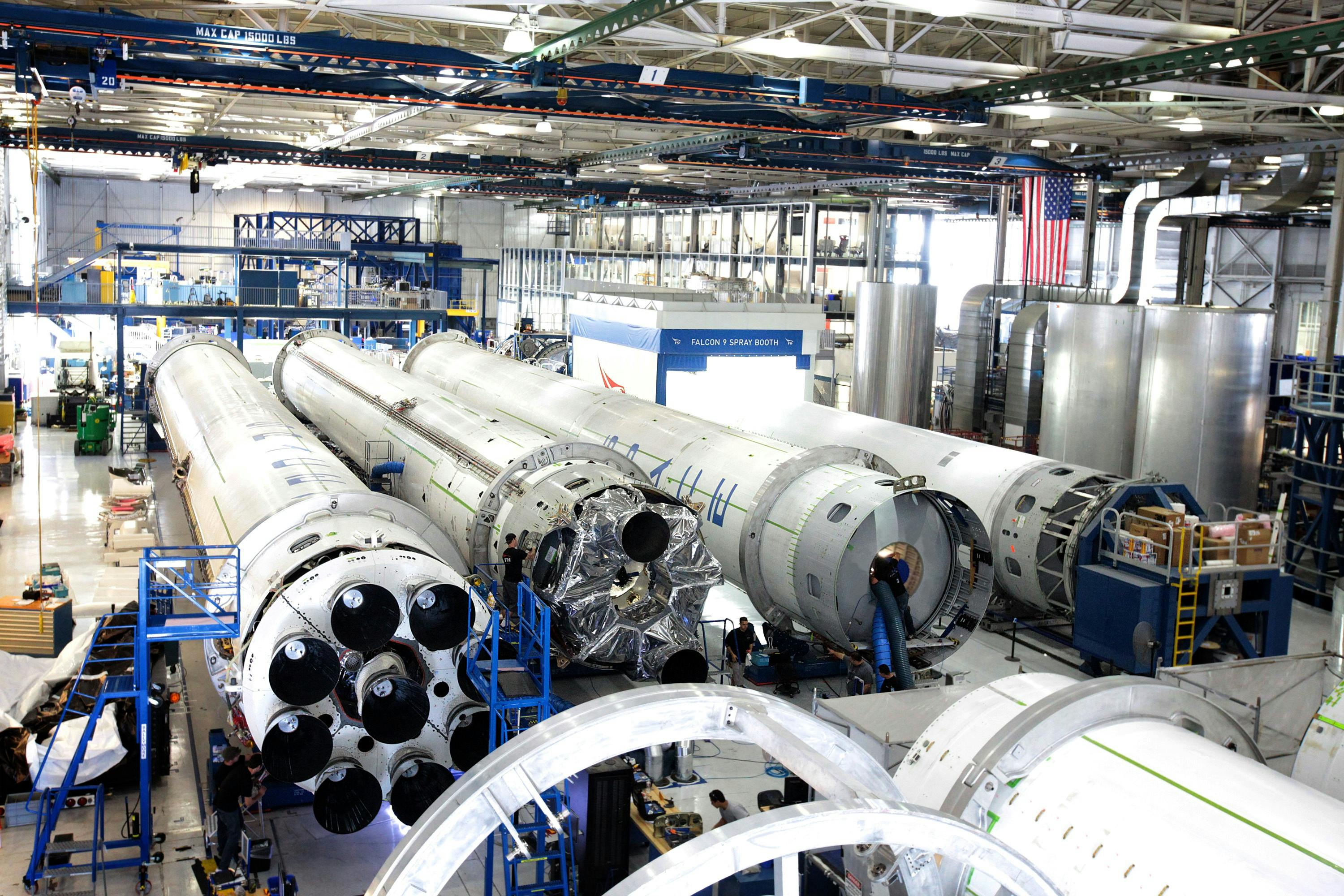
SpaceX successfully launched its CRS-33 Dragon cargo mission to the ISS, while preparations for the upcoming Starship Flight 10 continue, highlighting significant advancements in both cargo operations and test flight reliability.
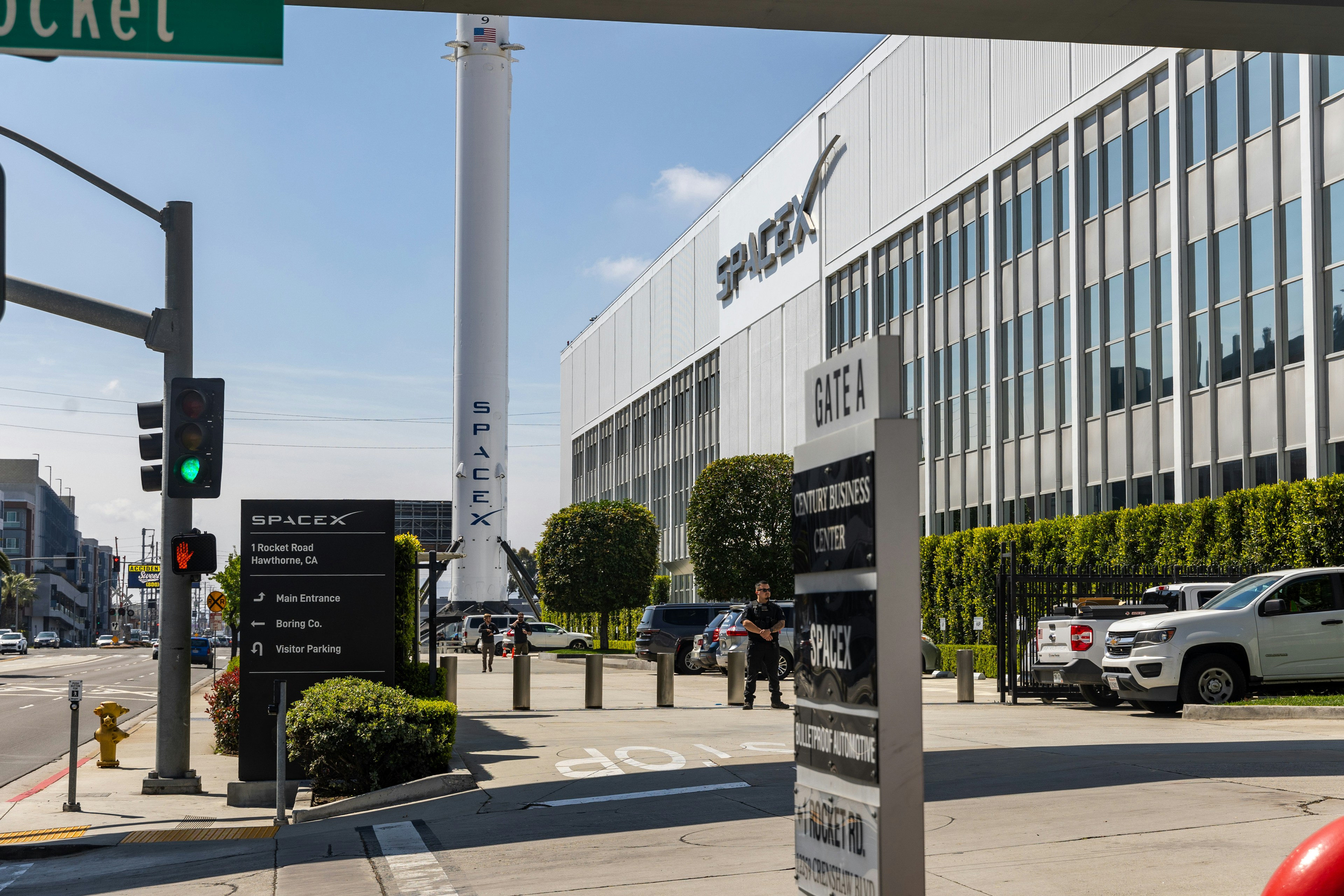
SpaceX sets a new reusability record and continues its busy launch schedule with multiple Starlink missions.

SpaceX marks a significant milestone with its Bandwagon-3 mission, while Ukraine explores Starlink alternatives.
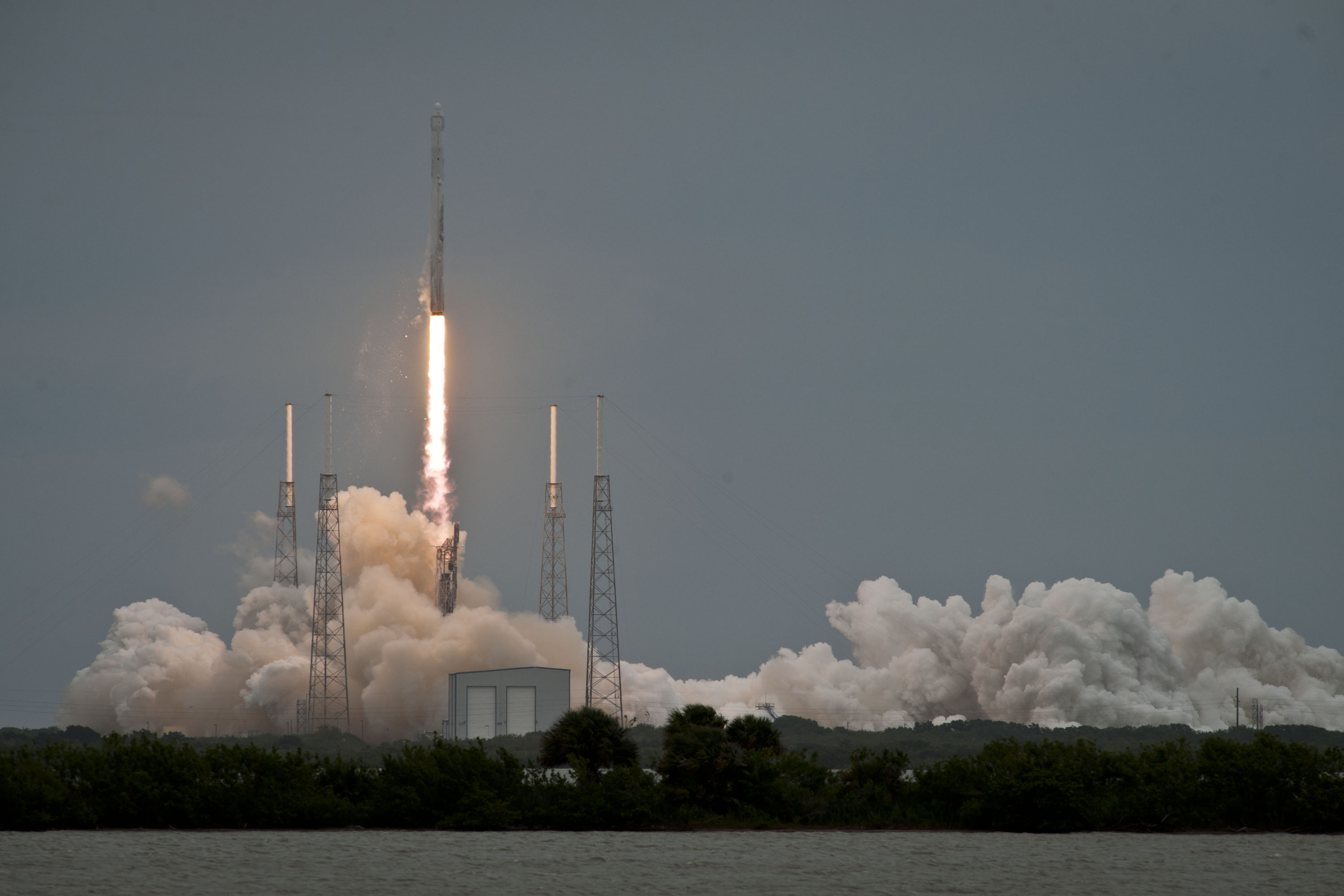
On April 18, 2014, a Falcon 9 first stage did something no orbital rocket had ever done before. It fired its engines on the way down, steered itself through the atmosphere using grid fins that did not yet exist, and touched the Atlantic Ocean softly enough to survive the impact. Nobody recovered it. The data was the whole point.