TDRS 6 (22314)

COSPAR: 1993-003B | Alt Name: TDRS-6

Image
TDRS 6 Satellite Image
Additional Sources
Launch Details

Launch Date

January 13, 1993

Launch Pad

LC39B

Launch Vehicle

Space Shuttle

Orbital Elements

NORAD ID

22314

International Designator

1993-003B

Epoch

Sat, 04 Jul 2026 04:38:57 GMT

Apogee

Calculating...

Perigee

Calculating...

Inclination

14.18°

Right Ascension

356.93°

Eccentricity

Calculating...

Argument of Perigee

180.23°

Period

1436.19 min

Mean Motion

1.00 rev/day

Latitude

Calculating...

Longitude

Calculating...

Altitude

Calculating...

Velocity

Calculating...

Polar Plot
3D Visualization
Basic Satellite Info

Name

TDRS 6

Alternative Name

TDRS-6

Type

Payload

Status

Operational

Owner

GSFC

Country

United States

Constellation

N/A

Related Satellites

Major Events

N/A

Latest TLEs
1 22314U 93003B   26185.19372596 -.00000289  00000-0  00000-0 0  9991
2 22314  14.1830 356.9318 0008851 180.2345 128.7025  1.00265147122579

Source: Celestrak

Summary
TDRS 6, also known as TDRS-6, is a communication and data relay satellite launched on January 13, 1993, from Launch Pad LC39B at AFETR using the Space Shuttle as its launch vehicle. Built by TRW for the GSFC (Goddard Space Flight Center), it has dimensions of 1.3 meters in length, 2.4 meters in diameter, and a span of 17.4 meters. The satellite carries a dry mass of 1673 kilograms and had a launch mass of 2534 kilograms. It is equipped with deployable solar arrays for power and batteries as backup. Its primary mission includes communication and data relay services, using various Ku-band and S-band TWTAs (Traveling Wave Tube Amplifiers) and SSPAs (Solid State Power Amplifiers). The satellite was designed to operate for 10 years and has a shape described as Box + Dish + 2 Pan with an RCS of 28.6701.
Physical Characteristics

Length

1.3

Diameter

2.4

Span

17.4

Dry Mass

1673

Launch Mass

2534

Shape

Box + Dish + 2 Pan

Radar Cross Section

28.6701

Visual Magnitude

Unknown

Color

Unknown

Material Composition

Unknown

Technical Details

Payload

TDRS F

Purpose

Communication, data relay

Mission

Communication, data relay

Manufacturer

TRW

Life Expectancy

10 years (design)

Bus

TDRS

Configuration

Unknown

Motor

AOCS

Equipment

4 (+2) 25W Ku-band TWTAs for LP (linearly polarized) zone coverage 2 (+2) 1.5W Ku-band TWTAs for CP (circularly polarized) spot coverage 2 (+4) 25W Ku-band TWTAs for LP zone coverage 2 (+2) 1.5W Ku-band TWTAs for CP spot coverage 12 5W TWTAs for LP C-Band up/down 2 (+2) 26W S-band SSPAs (used for intersatellite links) 8 (+4) 3.5W S-band SSPAs (used for intersatellite links)

Power System

2 deployable solar arrays, batteries

ADCS

Unknown

Transmitter Frequency

Unknown

Map
This tool will help you track the satellite's position and predict its upcoming passes over your location. Simply input the coordinates or click the geolocation button to get started.
Next Pass
Azimuth Elevation Time (Local)
Start Azimuth
Max Elevation
Stop Azimuth
Time Until
Pass Duration

Satellite Articles

View All Posts »

Learn more about satellites and other related topics.

Crew-11 Medical Evacuation Set for January 14, Starlink Mission Succeeds | KeepTrack X Report

Crew-11 Medical Evacuation Set for January 14, Starlink Mission Succeeds | KeepTrack X Report

NASA confirms first-ever ISS medical evacuation for January 14 via Crew Dragon. SpaceX launches 29 Starlink satellites in third mission of 2026. Artemis 2 moon mission timeline unaffected.
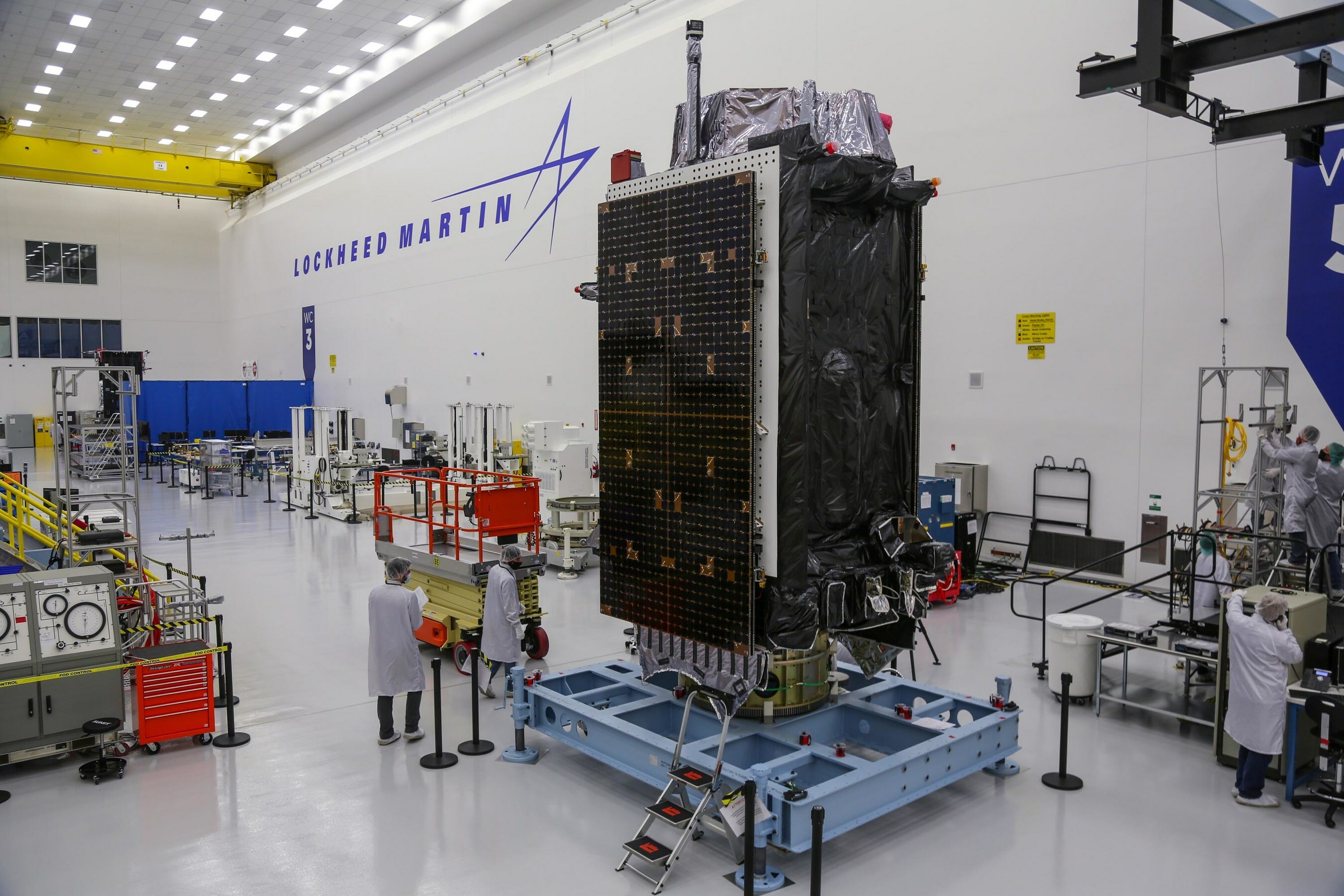
GPS III SV10 | The Last of Its Kind, and the First of What Comes Next

GPS III SV10 | The Last of Its Kind, and the First of What Comes Next

On April 21, 2026, the tenth and final GPS Block III satellite reached medium Earth orbit aboard a SpaceX Falcon 9. Named for Hedy Lamarr, the actress whose 1942 frequency-hopping patent underpins modern GPS, SV10 closes a procurement that took eight years to deliver hardware and opens the optical-crosslink era that will define the constellation's next decade.

Space Brief 28 Sep 2025

Space Brief 28 Sep 2025

Today's highlights include China's latest satellite launches, Blue Origin's expansion plans, and Purdue University's groundbreaking suborbital mission with Virgin Galactic.

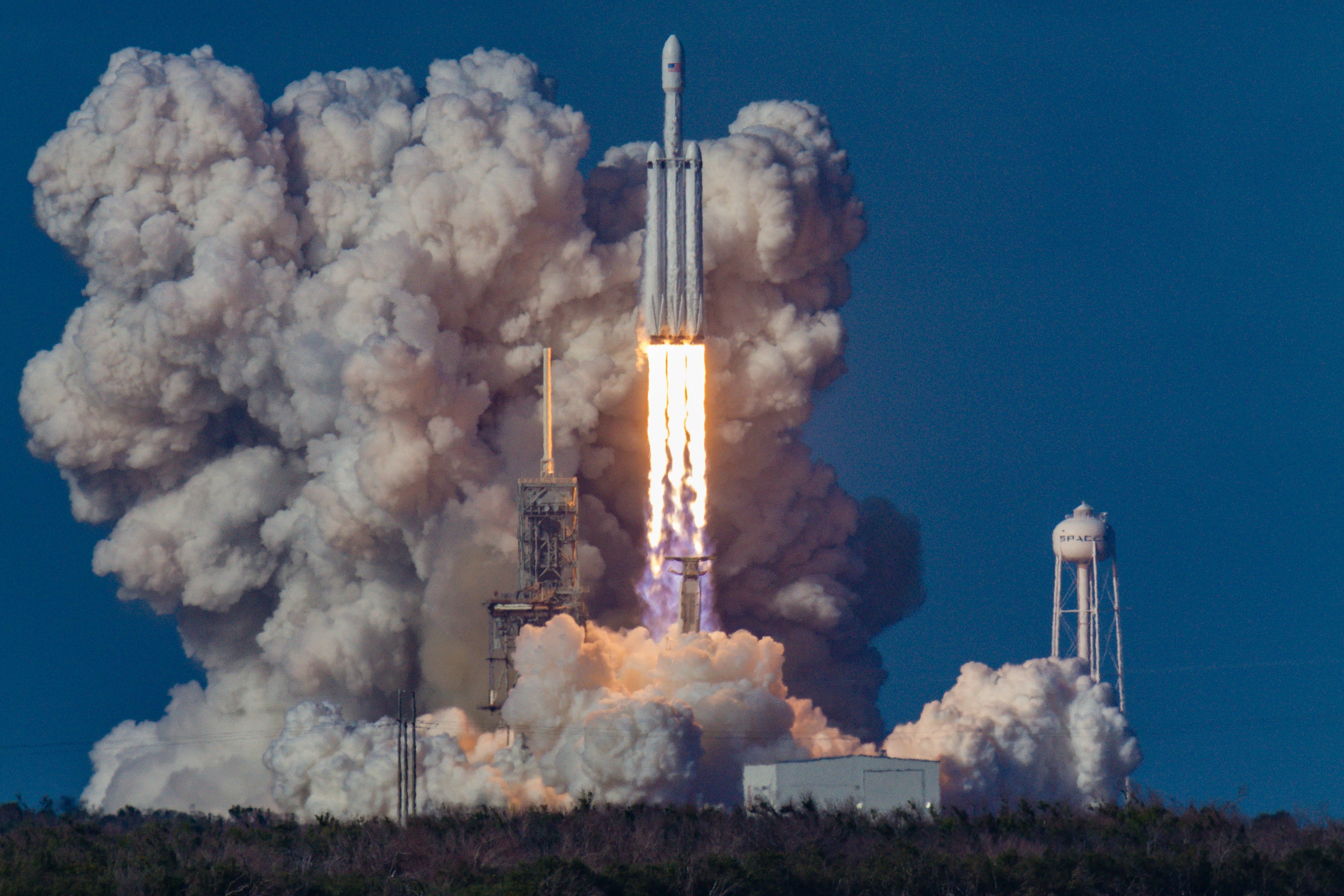
Falcon Heavy Returns After 18-Month Hiatus, Lofts ViaSat-3 F3 | KeepTrack X Report

Falcon Heavy Returns After 18-Month Hiatus, Lofts ViaSat-3 F3 | KeepTrack X Report

Falcon Heavy completed its 12th flight ever on April 29, ending an 18-month stand-down by lofting the 6-ton ViaSat-3 F3 comsat to GTO.

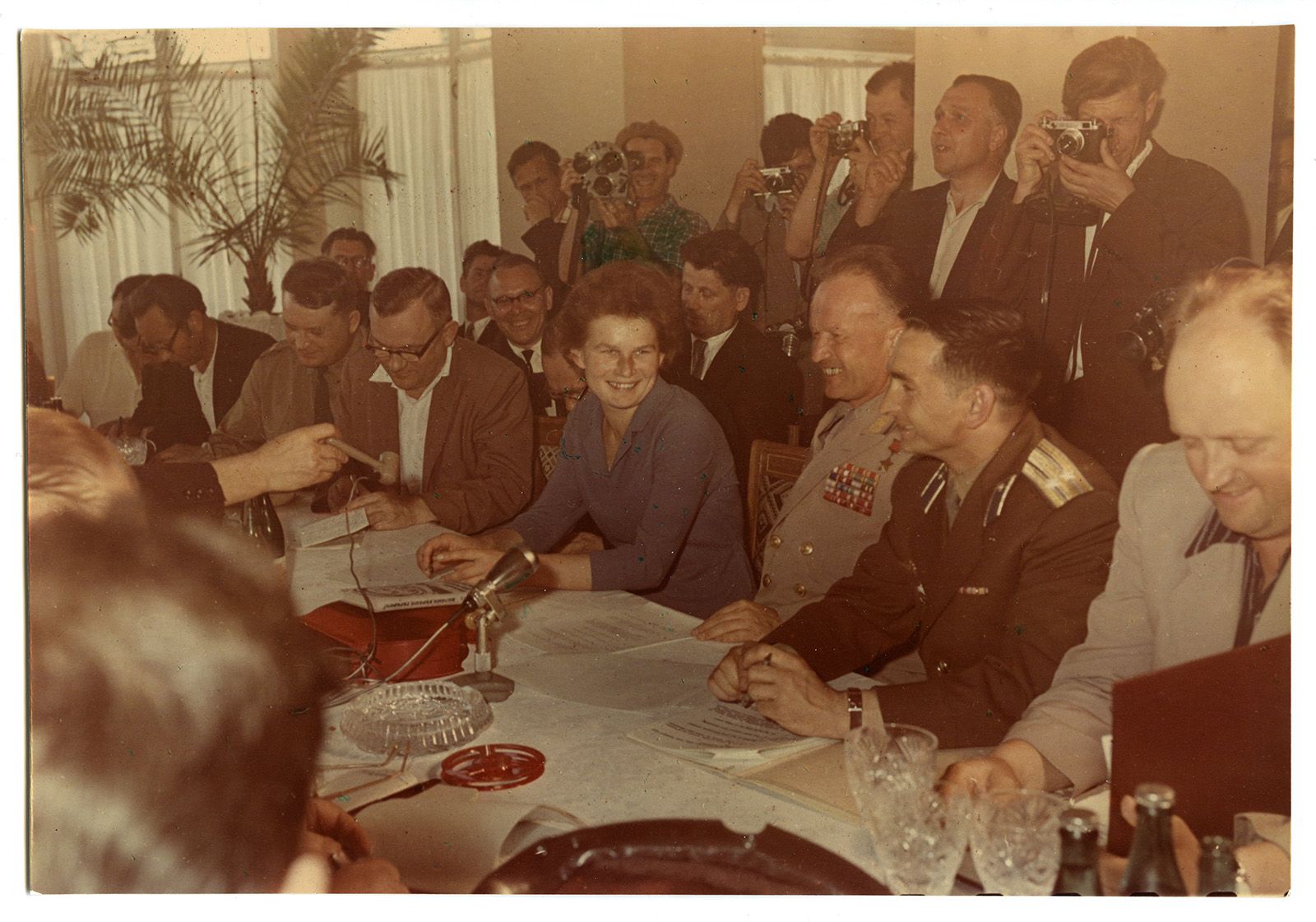
How a Parachutist Named Seagull Became the First Woman in Space

How a Parachutist Named Seagull Became the First Woman in Space

On 16 June 1963, a 26-year-old former textile worker named Valentina Tereshkova launched aboard Vostok 6 and spent nearly three days alone in orbit. She flew 48 times around the Earth, longer than every American astronaut combined, and spotted a dangerous flaw in her descent program that ground controllers had missed.

X Report 3 Nov 2025

X Report 3 Nov 2025

SpaceX completed a successful Bandwagon rideshare mission, launching a private space station pathfinder along with multiple satellites, marking another significant milestone in 2025's launch schedule.

X Report 24 Dec 2024

X Report 24 Dec 2024

SpaceX advances with Bandwagon-2 mission, gains approval for Starship Flight 7, and continues Starlink expansion.

X Report 11 Dec 2025

X Report 11 Dec 2025

SpaceX has confirmed plans for an IPO and successfully launched multiple batches of Starlink satellites, advancing its mission for global internet coverage.