COSMOS 2230 (22307)

COSPAR: 1993-001A | Alt Name: Kosmos-2230

Image
COSMOS 2230 Satellite Image
Additional Sources
Launch Details

Launch Date

January 12, 1993

Launch Site

PLMSC

Launch Pad

LC133/3

Launch Vehicle

Kosmos 11K65M

Orbital Elements

NORAD ID

22307

International Designator

1993-001A

Epoch

Sat, 04 Jul 2026 05:15:09 GMT

Apogee

Calculating...

Perigee

Calculating...

Inclination

82.94°

Right Ascension

275.91°

Eccentricity

Calculating...

Argument of Perigee

116.47°

Period

104.81 min

Mean Motion

13.74 rev/day

Latitude

Calculating...

Longitude

Calculating...

Altitude

Calculating...

Velocity

Calculating...

Polar Plot
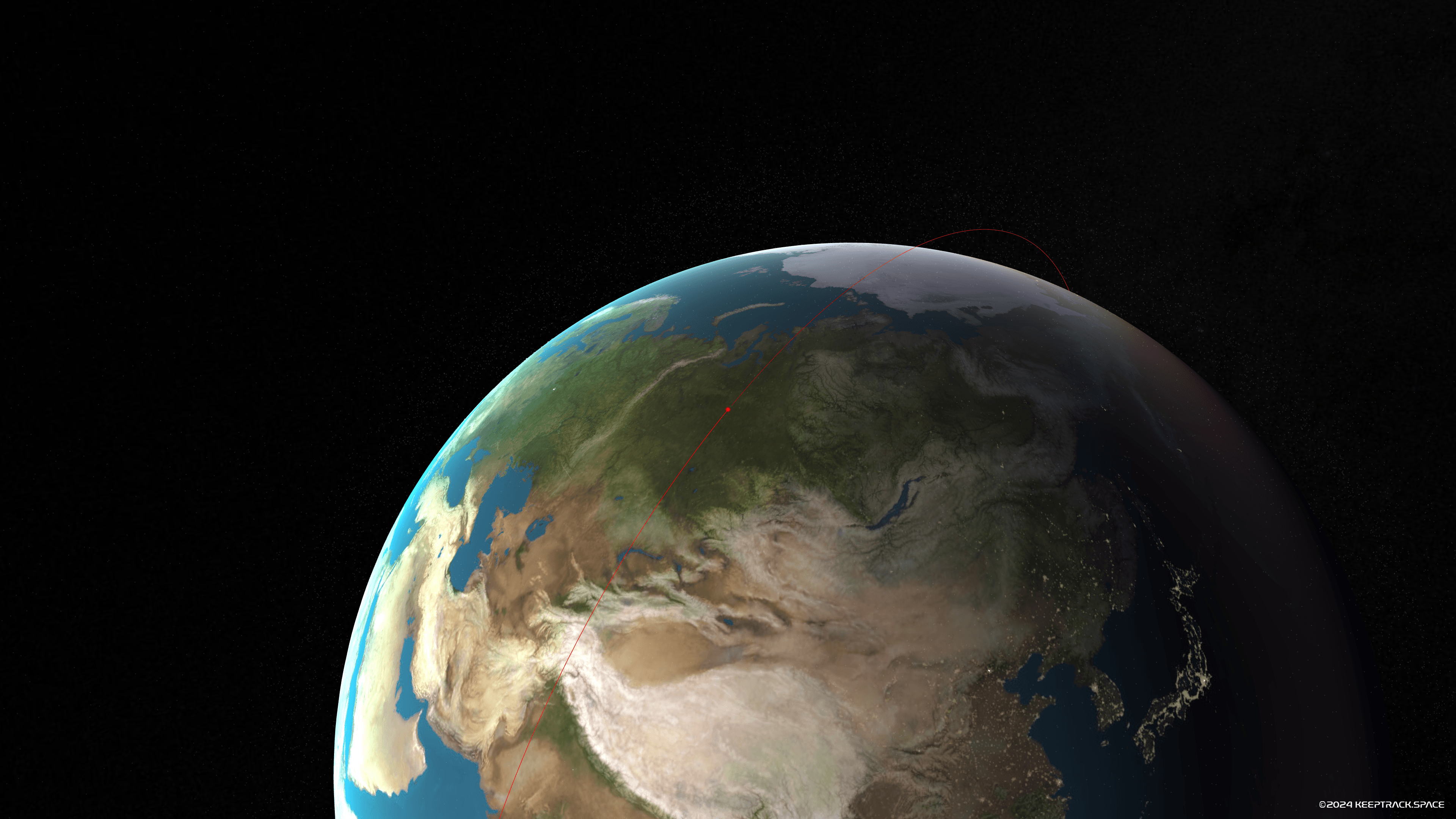
3D Visualization
Basic Satellite Info

Name

COSMOS 2230

Alternative Name

Kosmos-2230

Type

Payload

Status

Unknown

Owner

VMFR

Country

Russia

Constellation

N/A

Related Satellites

Major Events

N/A

Latest TLEs
1 22307U 93001A   26185.21886012  .00000074  00000-0  62950-4 0  9994
2 22307  82.9414 275.9062 0025839 116.4673 272.1429 13.73891799669421

Source: Celestrak

Summary
COSMOS 2230 (also known as Kosmos-2230) is a Russian navigation satellite designated KAUR-1 11F643, launched on January 12, 1993, from the Plesetsk Cosmodrome LC133/3 launch pad using the Kosmos 11K65M launch vehicle. The spacecraft has dimensions of 5 meters in length and a diameter of 2.1 meters with a span of 17 meters, featuring a cylindrical shape with antennas. It carries the payload Tsikada No. 37L for navigation purposes and is powered by solar cells and batteries. The satellite's dry mass and launch mass are both 800 kg, manufactured by POL for the VMFR (Russian Ministry of Defence). Its operational lifetime was expected to be between 1.5 to 2 years after its stable date on January 12, 1993.
Physical Characteristics

Length

5

Diameter

2.1

Span

17

Dry Mass

800

Launch Mass

800

Shape

Cyl + Ant

Radar Cross Section

1.4391

Visual Magnitude

Unknown

Color

Unknown

Material Composition

Unknown

Technical Details

Payload

Tsikada No. 37L

Purpose

Navigation

Mission

Navigation

Manufacturer

POL

Life Expectancy

1.5 to 2 years

Bus

KAUR-1 11F643

Configuration

KAUR-1

Motor

Unknown

Equipment

Unknown

Power System

Solar cells, batteries

ADCS

Unknown

Transmitter Frequency

Unknown

Map
This tool will help you track the satellite's position and predict its upcoming passes over your location. Simply input the coordinates or click the geolocation button to get started.
Next Pass
Azimuth Elevation Time (Local)
Start Azimuth
Max Elevation
Stop Azimuth
Time Until
Pass Duration

Satellite Articles

View All Posts »

Learn more about satellites and other related topics.

Space Brief 24 Mar 2025

Space Brief 24 Mar 2025

Historic launches mark a transformative week in aerospace, with major milestones achieved by Isar Aerospace, SpaceX, and Botswana's entry into space. Significant advancements in reusability and European capabilities highlight key developments.

X Report 17 Jan 2025

X Report 17 Jan 2025

SpaceX marks another milestone and setback with Starship Flight 7, achieving a successful booster catch but losing the upper stage during ascent.

X Report 13 Aug 2025

X Report 13 Aug 2025

SpaceX continues to innovate as it nears peak Falcon 9 launch rates while refining technologies pivotal for future Mars missions.

X Report 1 Jan 2025

X Report 1 Jan 2025

SpaceX wraps up a record-breaking year with an impressive launch count, while the Starship program looks to make significant advancements in 2025.

Vulcan Booster Anomaly Under Scrutiny After USSF-87 Launch | KeepTrack Space Brief

Vulcan Booster Anomaly Under Scrutiny After USSF-87 Launch | KeepTrack Space Brief

ULA Vulcan faces scrutiny after solid booster anomaly on USSF-87 mission. ThinKom wins portable satellite ground station contract. Space Force starts Project Hecate for GPS past 2040.

Space Force Completes First Tactical Orbital Intercept | KeepTrack Space Brief

Space Force Completes First Tactical Orbital Intercept | KeepTrack Space Brief

U.S. Space Force executes first tactical orbital intercept under Victus Haze mission using commercial spacecraft. Rendezvous and proximity operations now operationally demonstrated.

Space Brief 22 Aug 2024

Space Brief 22 Aug 2024

ESA's Cluster mission coming to an end, Europe's contributions to Artemis III, JUICE's groundbreaking maneuvers, Yaogan EO satellites, and amateur astronomers discovering exoplanets.

Space Brief 15 Apr 2025

Space Brief 15 Apr 2025

Today's Space Brief covers Blue Origin's historic all-female spaceflight, the selection of companies for nuclear microreactor development by DIU, and NATO's adoption of AI technology for military planning.