COSMOS 2225 (22280)

COSPAR: 1992-091A | Alt Name: Kosmos-2225
DECAYED

Image
COSMOS 2225 Satellite Image
Additional Sources
Launch Details

Launch Date

December 22, 1992

Launch Pad

LC31

Launch Vehicle

Soyuz-U

Orbital Elements

NORAD ID

22280

International Designator

1992-091A

Decay Date

2/18/1993

Basic Satellite Info

Name

COSMOS 2225

Alternative Name

Kosmos-2225

Type

Payload

Status

Decayed

Owner

VKS

Country

Russia

Constellation

N/A

Related Satellites

Major Events

N/A

Summary
COSMOS 2225 (also known as Kosmos-2225) is a reconnaissance satellite launched on December 22, 1992, from the Tysklavodskaya launch site using Soyuz-U launch vehicle from LC31. The spacecraft has dimensions of 6.3 meters in length and diameter, with a span of 6.3 meters. It weighs 3590 kilograms both at launch and as dry mass. The satellite is shaped as a cylinder with two panels and has a radar cross section (RCS) value of 29.03 square meters. COSMOS 2225 was designed for photographic reconnaissance purposes, specifically for film return missions, and had a planned lifetime of 60 days. It was manufactured by TSSKB and operated under the ownership of VKS with payload Don No. 4L on board.
Physical Characteristics

Length

6.3

Diameter

2.7

Span

6.3

Dry Mass

3590

Launch Mass

3590

Shape

Cyl + 2 Pan

Radar Cross Section

29.03

Visual Magnitude

Unknown

Color

Unknown

Material Composition

Unknown

Technical Details

Payload

Don No. 4L

Purpose

Reconnaissance, photo (film return)

Mission

Reconnaissance, photo (film return)

Manufacturer

TSSKB

Life Expectancy

60 days

Bus

Orlets

Configuration

Unknown

Motor

Unknown

Equipment

Unknown

Power System

Unknown

ADCS

Unknown

Transmitter Frequency

Unknown

Satellite Articles

View All Posts »

Learn more about satellites and other related topics.

Largest Satellite Debris Events

Largest Satellite Debris Events

Space debris poses a mounting threat to both satellites and space missions. As we send more objects into orbit, the likelihood of collisions and subsequent breakups producing dangerous space debris increases. Recognizing the major events that have generated this dangerous space junk is pivotal in ensuring the safety of future space missions.
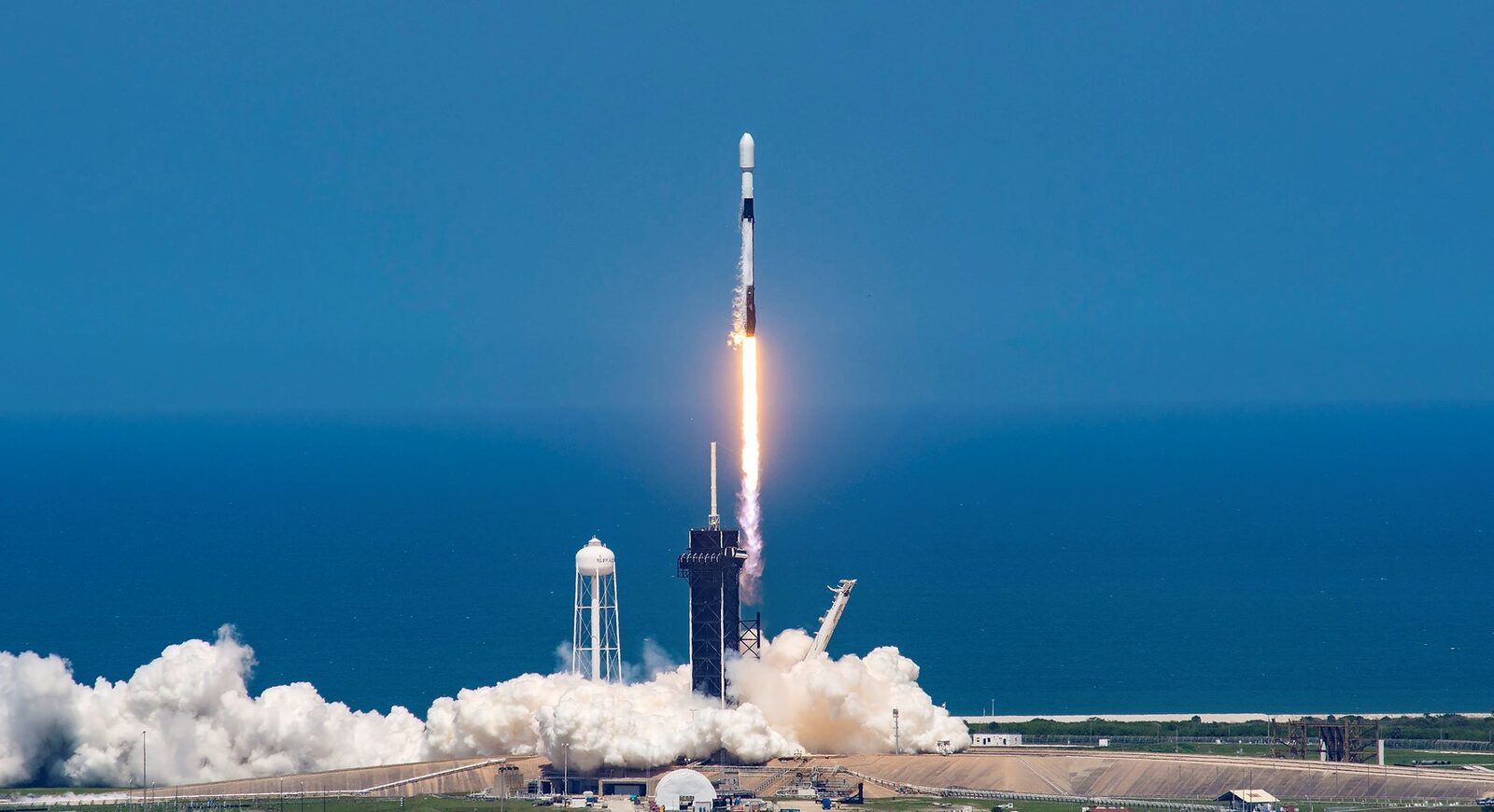

Long March 10B Debut Highlights 4-Launch Week | KeepTrack Week in Review

Long March 10B Debut Highlights 4-Launch Week | KeepTrack Week in Review

This week: China's Long March 10B debuted successfully, SpaceX merged with xAI, and Starlink topped 10,775 satellites in orbit.

Space Brief 20 Mar 2025

Space Brief 20 Mar 2025

Today's brief highlights critical discussions in military space readiness, potential satellite 'dogfighting' scenarios, international defense collaborations, and a notable communications satellite launch.

Space Force Cancels OCX GPS Ground System, Space Brief 21 Apr 2026

Space Force Cancels OCX GPS Ground System, Space Brief 21 Apr 2026

Space Force cancels the OCX GPS ground system after RTX failures and stands up a cislunar task force. SpaceX launches the 10th and final GPS III.

X Report 16 Nov 2024

X Report 16 Nov 2024

SpaceX preps for Starship Flight 6 while Shotwell predicts Starship's future impact. Impulse Space secures Falcon 9 launches, and potential shifts in US space policy loom.

Satellites by Country

Satellites by Country

Explore a comprehensive breakdown of satellite counts by country, detailing the USA, Russia, China, and others.

X Report 6 Dec 2024

X Report 6 Dec 2024

SpaceX achieves a milestone with its 350th successful mission, including a significant Starlink launch, while Starship advances in testing. Meanwhile, SpaceX boosts SiriusXM's satellite fleet and industry competitors make strides.

Starlink Update: March 2024

Starlink Update: March 2024

As of March 2024, SpaceX's Starlink has made remarkable strides in its quest to provide global broadband internet access. With an astounding number of satellites already in orbit and ambitious plans for expansion, Starlink is on track to dominate Earth's orbit in the coming years.