


SpaceX Launches 2 Starlink Batches in 48 Hours, Both Coasts | KeepTrack X Report
SpaceX launched Starlink batches from Vandenberg and Cape Canaveral within 48 hours, pushing the active constellation toward 10,000 operational satellites.


Launch Date
November 28, 1992
Launch Site
AFWTR
Launch Pad
SLC4E
Launch Vehicle
Titan 404A
NORAD ID
22251
International Designator
1992-083A
Decay Date
Unknown
Name
USA 86
Alternative Name
USA 86
Type
Status
Owner
NRO/CIA
Country
United States
Constellation
N/A
Related Satellites
Major Events
N/A
Length
19
Diameter
3.1
Span
30
Dry Mass
10000
Launch Mass
13500
Shape
Cyl + 2 Pan
Radar Cross Section
Unknown
Visual Magnitude
Unknown
Color
Unknown
Material Composition
Unknown
Payload
Enhanced CRYSTAL 2104
Purpose
Reconnaissance, electro-optical
Mission
Reconnaissance, electro-optical
Manufacturer
LMSC
Life Expectancy
Unknown
Bus
IC
Configuration
Bus-1
Motor
Bus-1
Equipment
?
Power System
Deployable solar arrays, batteries
ADCS
Unknown
Transmitter Frequency
Unknown
Learn more about satellites and other related topics.
SpaceX launched Starlink batches from Vandenberg and Cape Canaveral within 48 hours, pushing the active constellation toward 10,000 operational satellites.
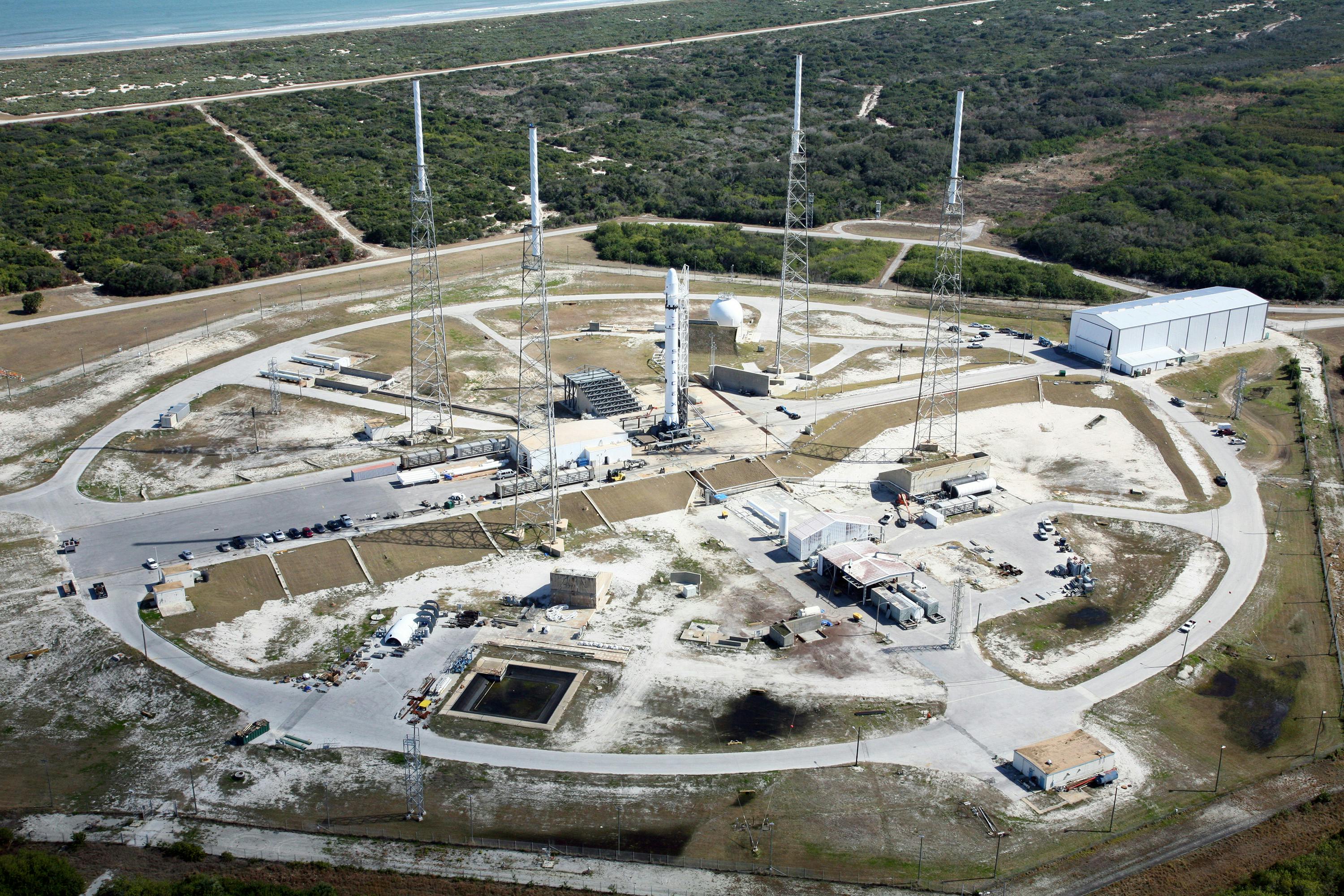
SpaceX successfully launched 29 new Starlink satellites today, further expanding its satellite internet constellation amidst growing competition in the space broadband market.

Today's brief highlights the impact of military spending and technology competition on the space economy, new satellite connectivity partnerships, and defense spending pledges in Europe.

Booster B1067 sets new Falcon 9 reuse record with 35th successful flight, deploying 29 Starlink satellites. Quantum Space pursues public markets via SPAC.
Today's highlights include a Minotaur IV launch of U.S. spy satellites, Rocket Lab's new defense contracts, and the unveiling of Space Force's warfighting framework. Plus, the Satellite Spotlight dives into METEOR 3-1.
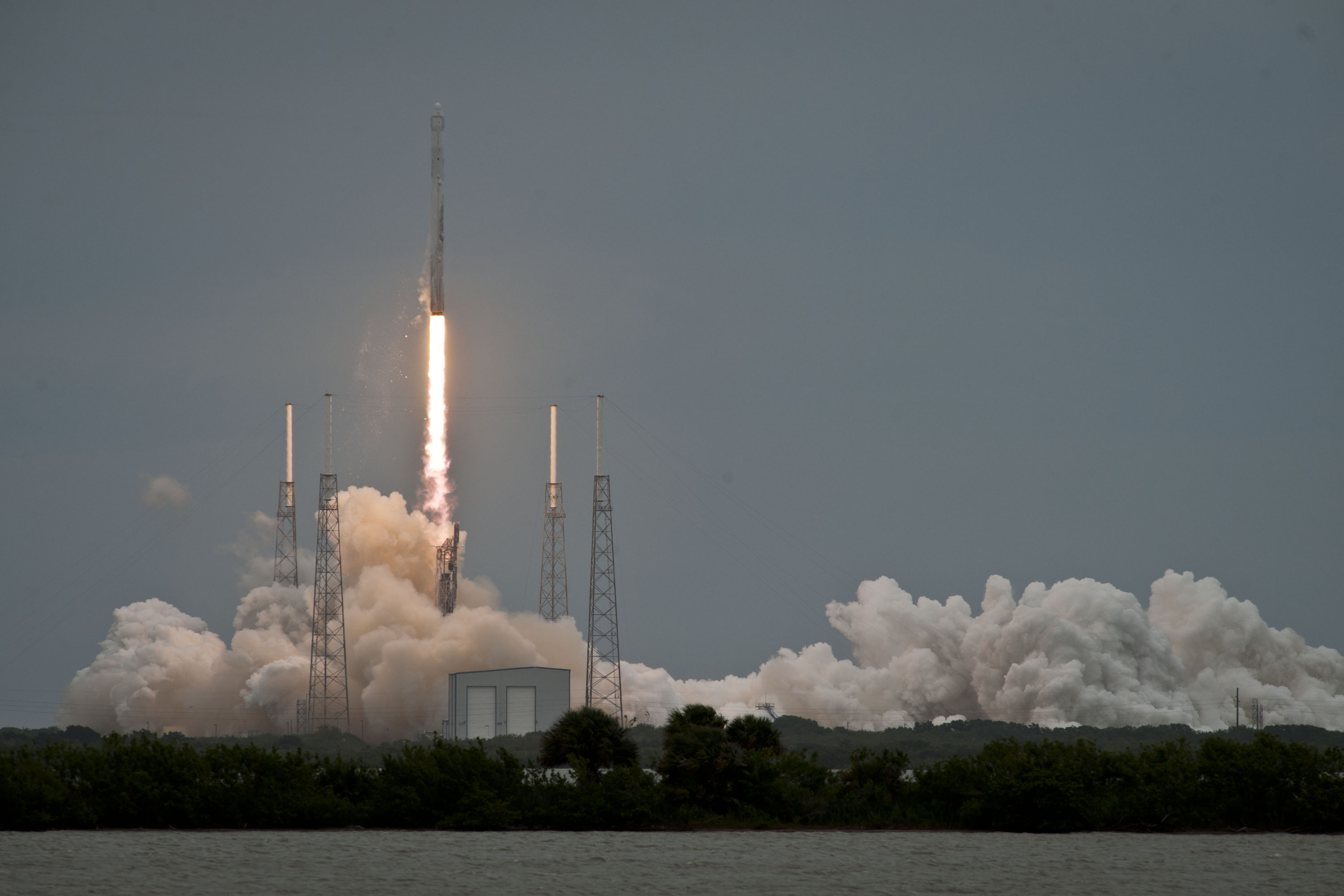
On April 18, 2014, a Falcon 9 first stage did something no orbital rocket had ever done before. It fired its engines on the way down, steered itself through the atmosphere using grid fins that did not yet exist, and touched the Atlantic Ocean softly enough to survive the impact. Nobody recovered it. The data was the whole point.
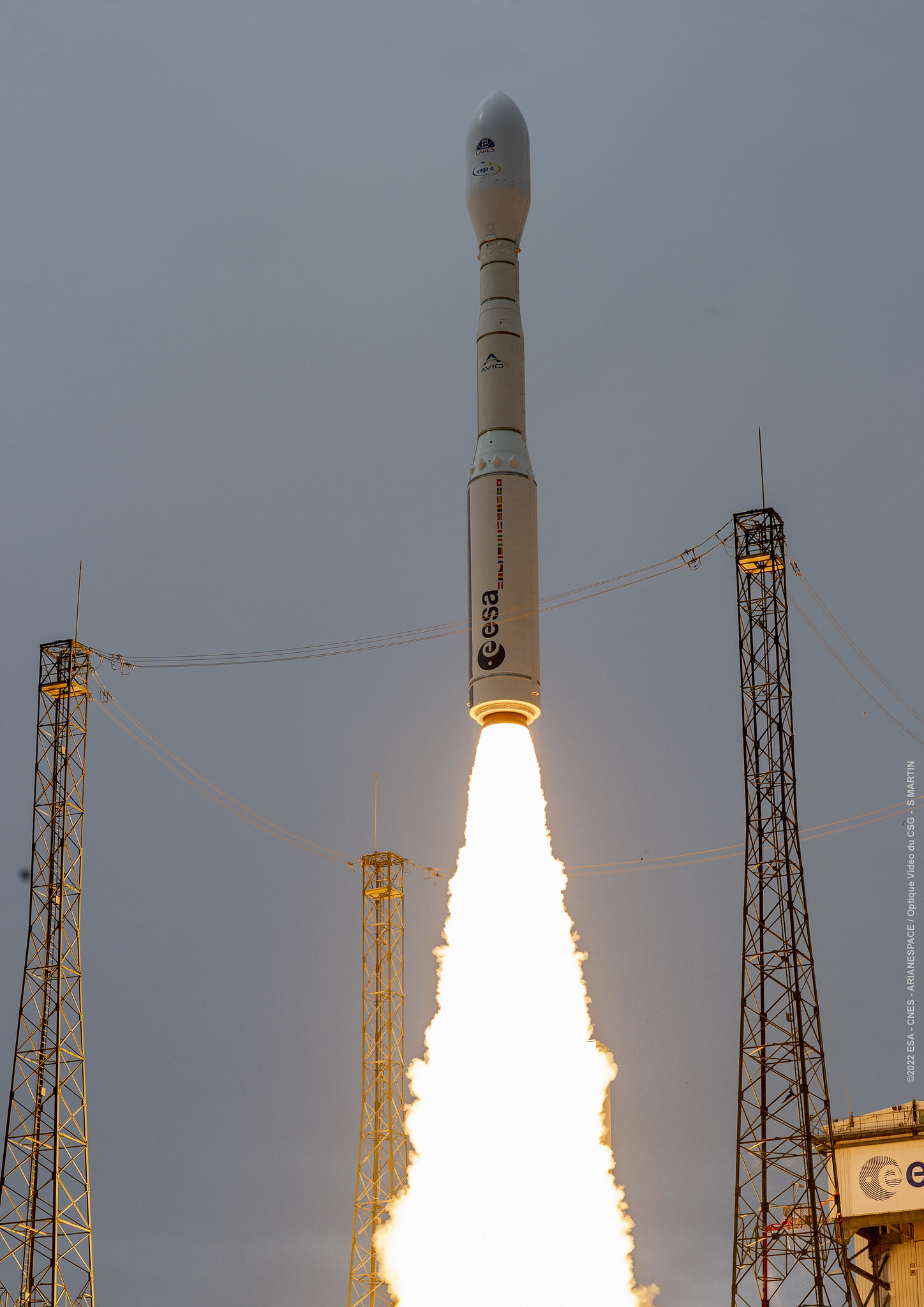
SpaceX launches a doubleheader of satellites while Blue Origin prepares for a historic all-female spaceflight. Also, meet FORMOSAT-5 in our Satellite Spotlight.
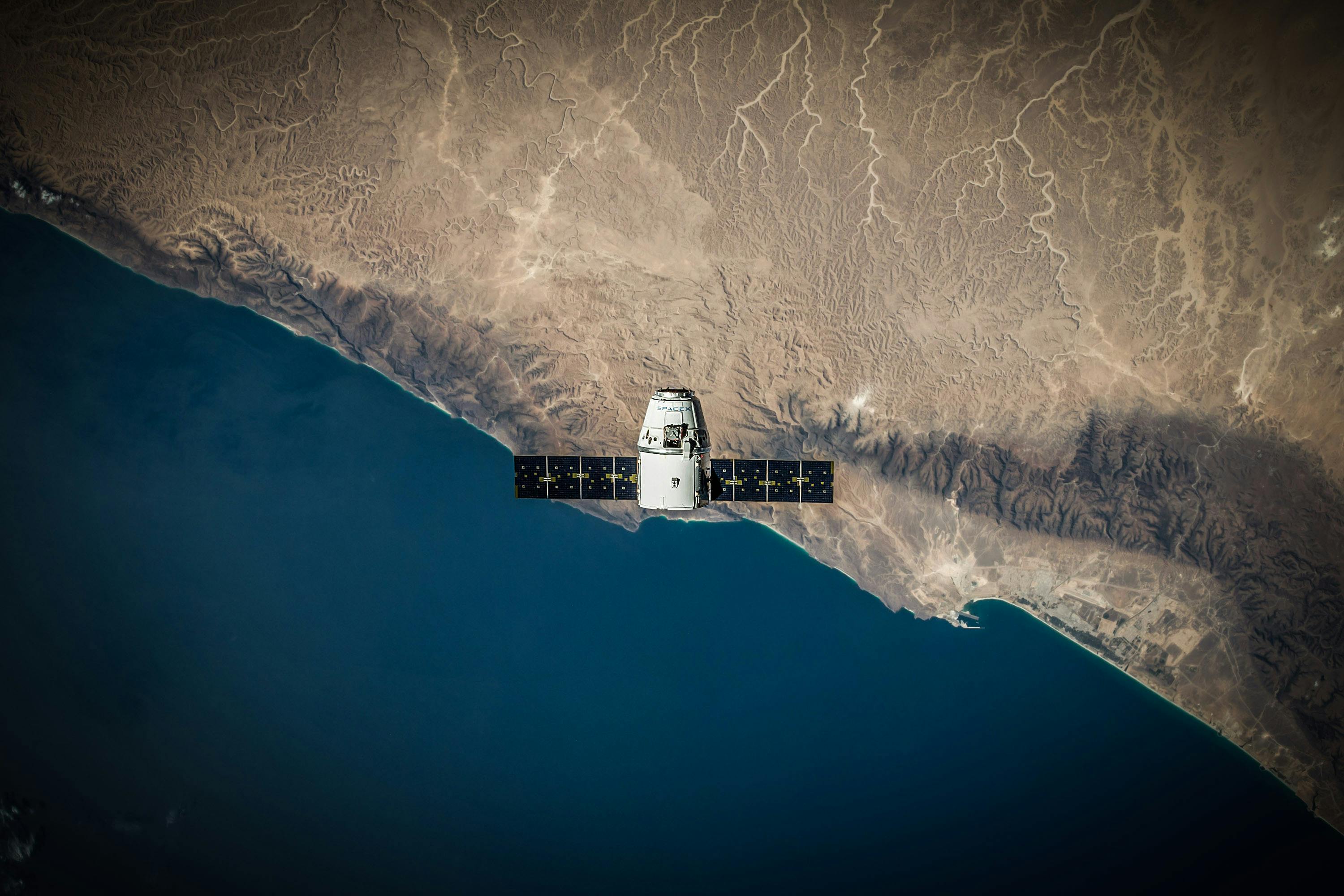
SpaceX's Falcon 9 lofts 11,000 lbs aboard Cygnus NG-24 to the ISS as Amazon pushes Leo's commercial debut to mid-2026.