


Space Brief 1 Jul 2025
Key developments in the space sector include new partnerships for satellite surveillance, strategic shifts from the Defense Department impacting weather forecasting, and the Space Force's focus on agile satellite technologies.


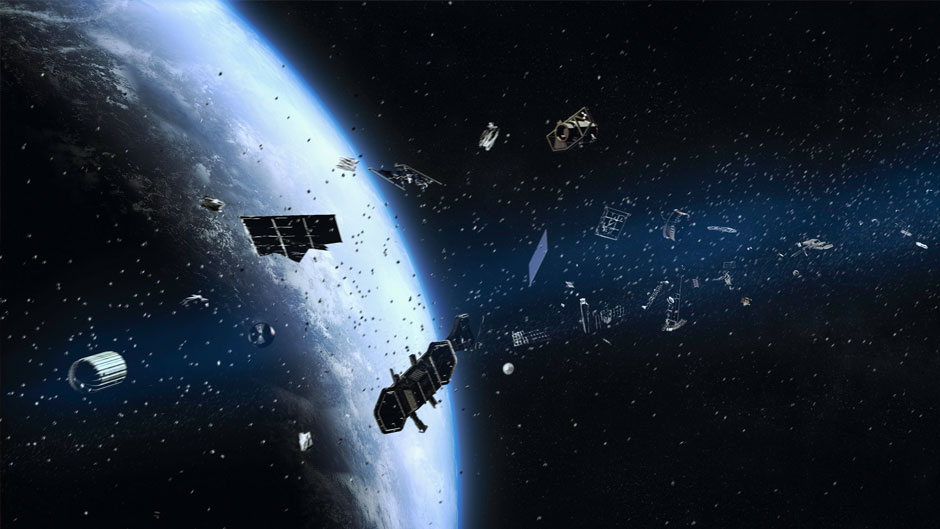
Launch Date
February 28, 1966
Launch Site
Launch Pad
LC17B
Launch Vehicle
Thor Delta E
NORAD ID
02223
International Designator
1966-016C
Epoch
Sun, 05 Jul 2026 00:15:29 GMT
Apogee
Calculating...
Perigee
Calculating...
Inclination
100.73°
Right Ascension
213.89°
Eccentricity
Calculating...
Argument of Perigee
174.09°
Period
111.82 min
Mean Motion
12.88 rev/day
Latitude
Calculating...
Longitude
Calculating...
Altitude
Calculating...
Velocity
Calculating...
Name
DELTA 1 DEB
Alternative Name
ESSA 2 despin weight
Type
Status
Owner
GSFC
Country
United States
Constellation
N/A
Related Satellites
Major Events
N/A
1 02223U 66016C 26186.01075538 -.00000020 00000+0 88731-4 0 9993
2 02223 100.7273 213.8912 0093817 174.0950 216.1931 12.87774212829251
Source: Celestrak
Length
0
Diameter
0
Span
3.5
Dry Mass
1
Launch Mass
1
Shape
Disk + Cable
Radar Cross Section
0.0675
Visual Magnitude
Unknown
Color
Unknown
Material Composition
Unknown
Payload
Unknown
Purpose
Unknown
Mission
Unknown
Manufacturer
Unknown
Life Expectancy
Unknown
Bus
Unknown
Configuration
Unknown
Motor
Unknown
Equipment
Unknown
Power System
Unknown
ADCS
Unknown
Transmitter Frequency
Unknown
Learn more about satellites and other related topics.
Key developments in the space sector include new partnerships for satellite surveillance, strategic shifts from the Defense Department impacting weather forecasting, and the Space Force's focus on agile satellite technologies.
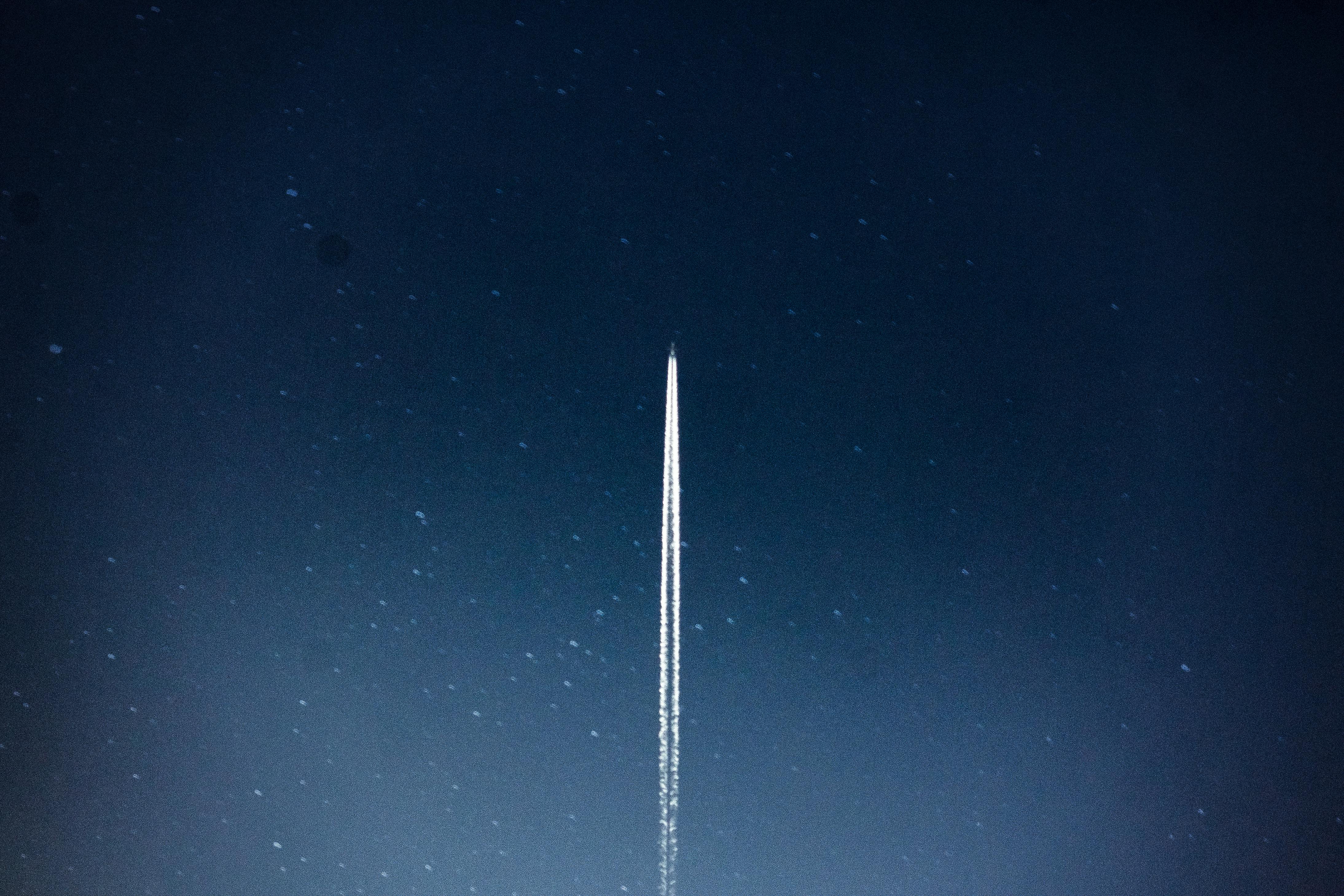
SpaceX's 600th Falcon 9 booster landing coincides with a $175M NASA Mars contract win and the final GPS III satellite launch this week.
Today's space news roundup highlights a significant defense bill passed for the Space Force, a delay in the Axiom-4 mission due to ISS issues, and major satellite deals with NATO.
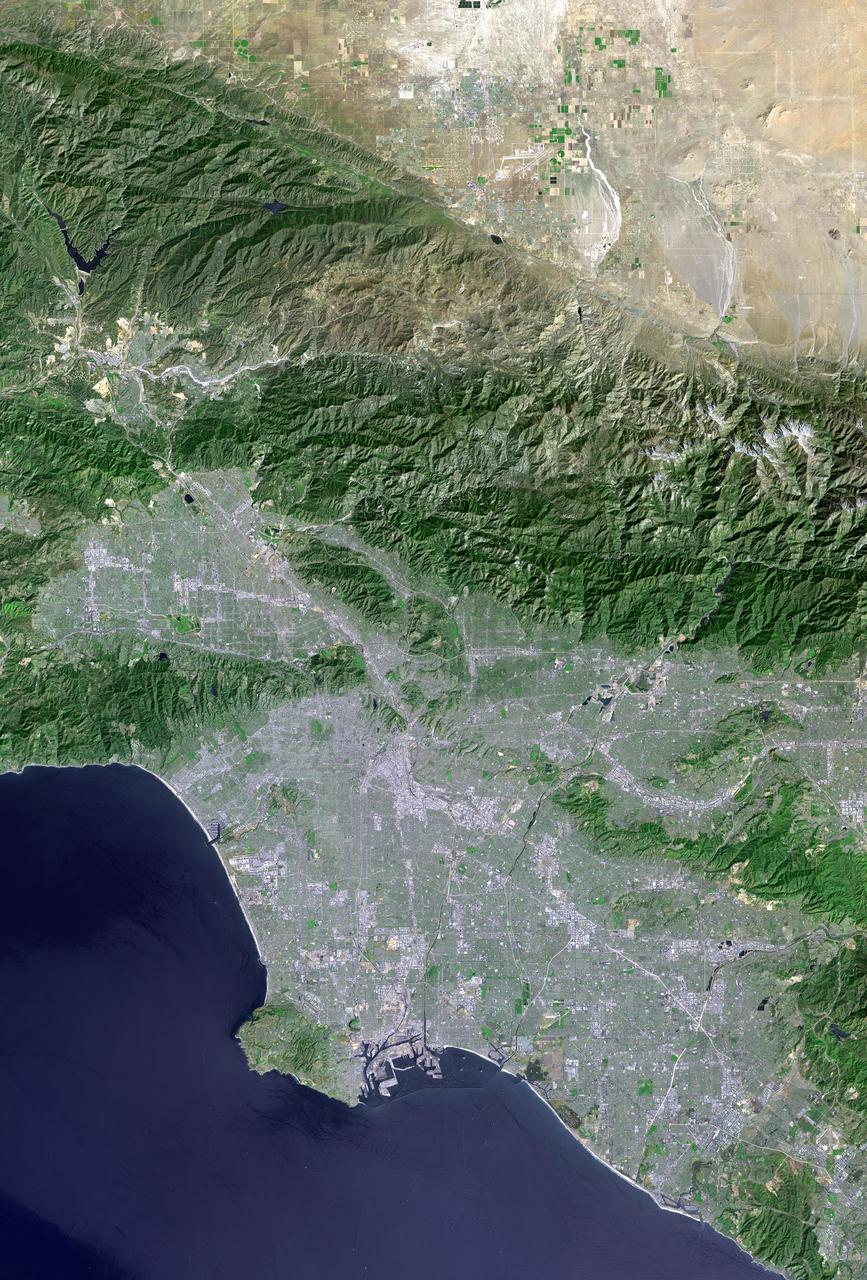
Landsat 7 launched on April 15, 1999, designed to last five years. It operated for twenty-five, survived a failure that destroyed a fifth of every image it took, and became part of the longest continuous record of Earth's surface ever assembled. Then they made the data free.
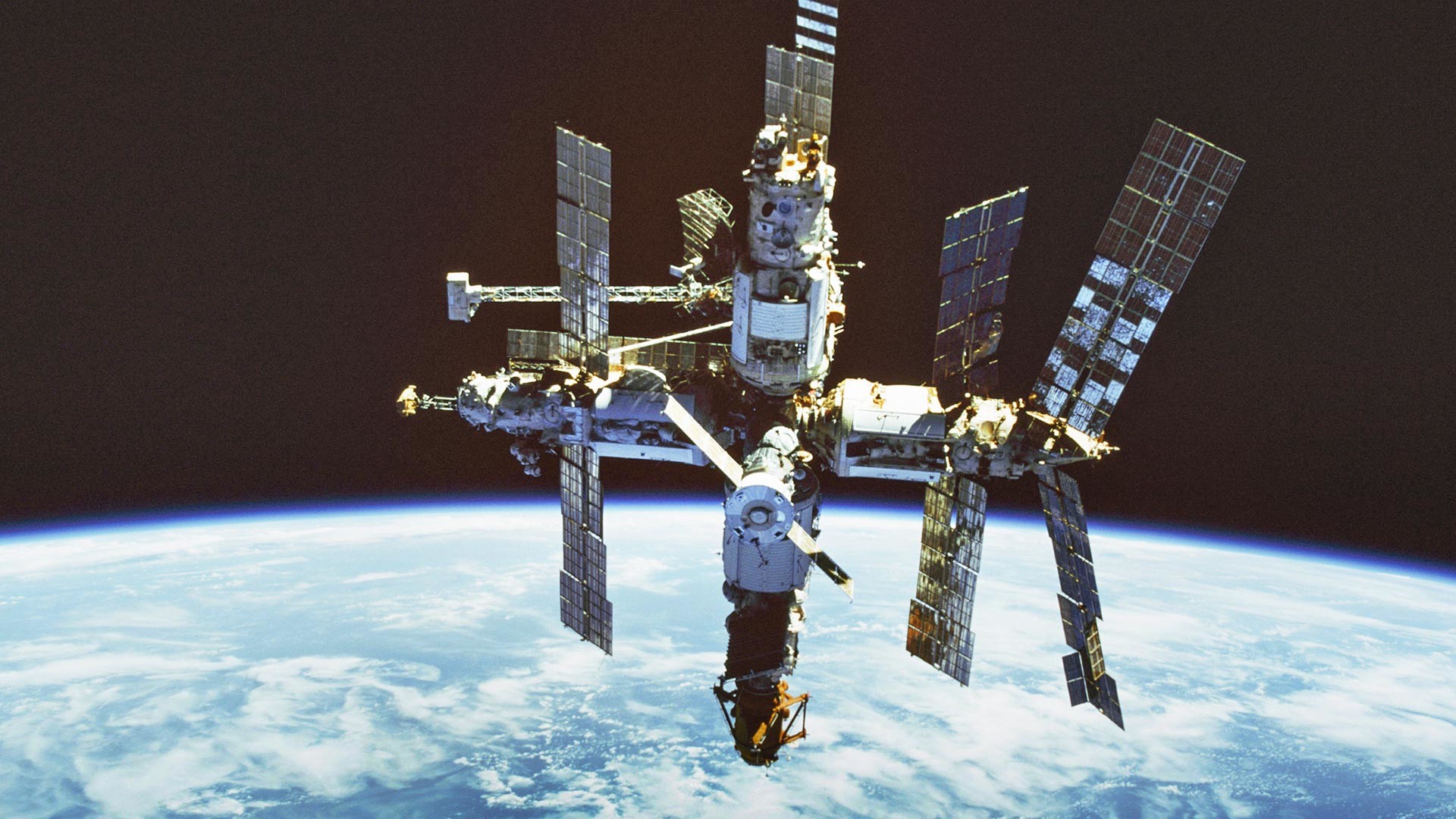
Forty years ago today, the USSR launched a 20-ton aluminum cylinder into low Earth orbit and called it 'Peace.' Over the next 15 years, Mir would host 104 people from 12 countries, survive a fire and a collision, and quietly teach humanity how to live in space.
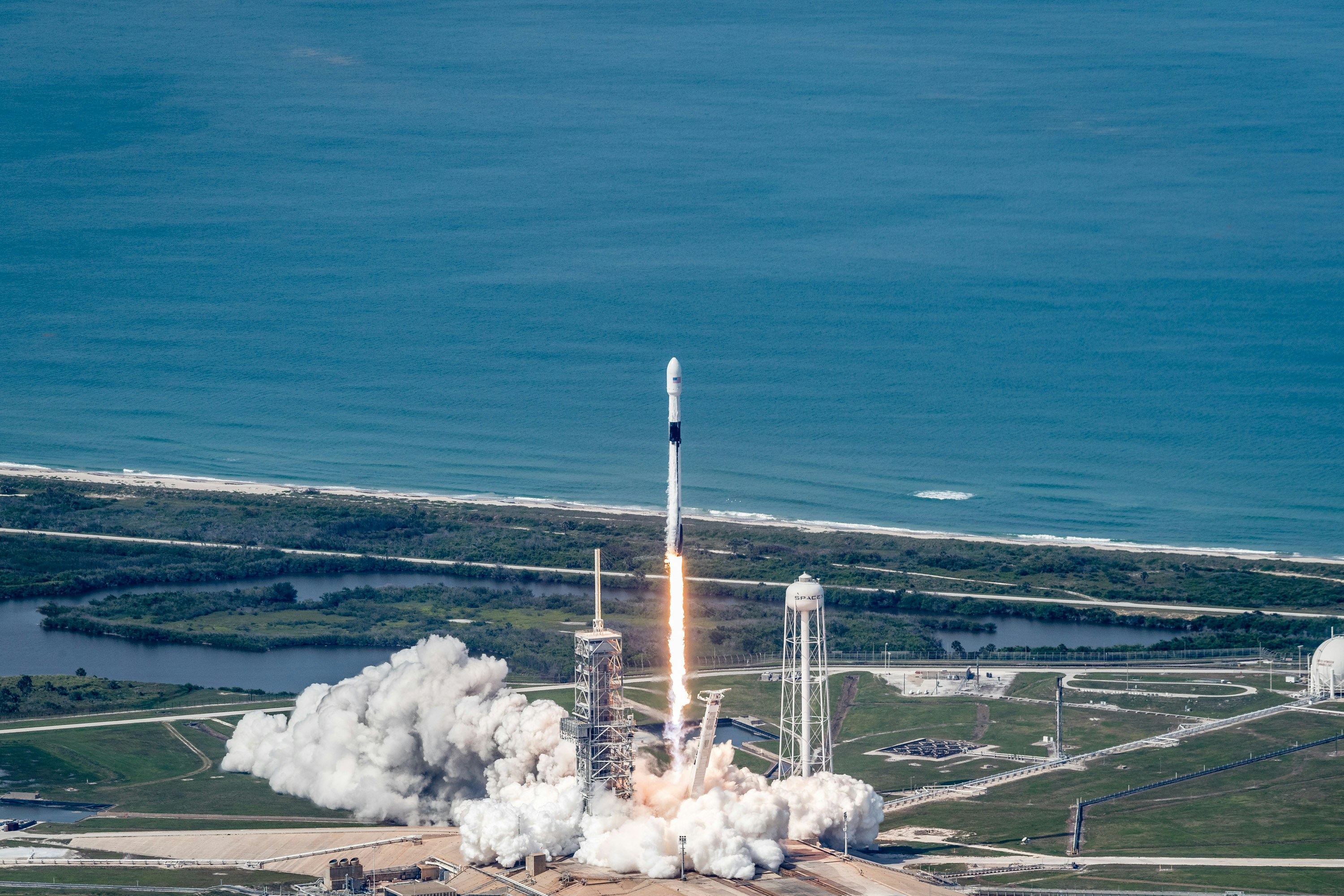
Key updates include a successful Falcon 9 launch of 28 Starlink satellites and a static fire test of the Starship spacecraft, while T-Mobile's Starlink service aims to attract new customers.
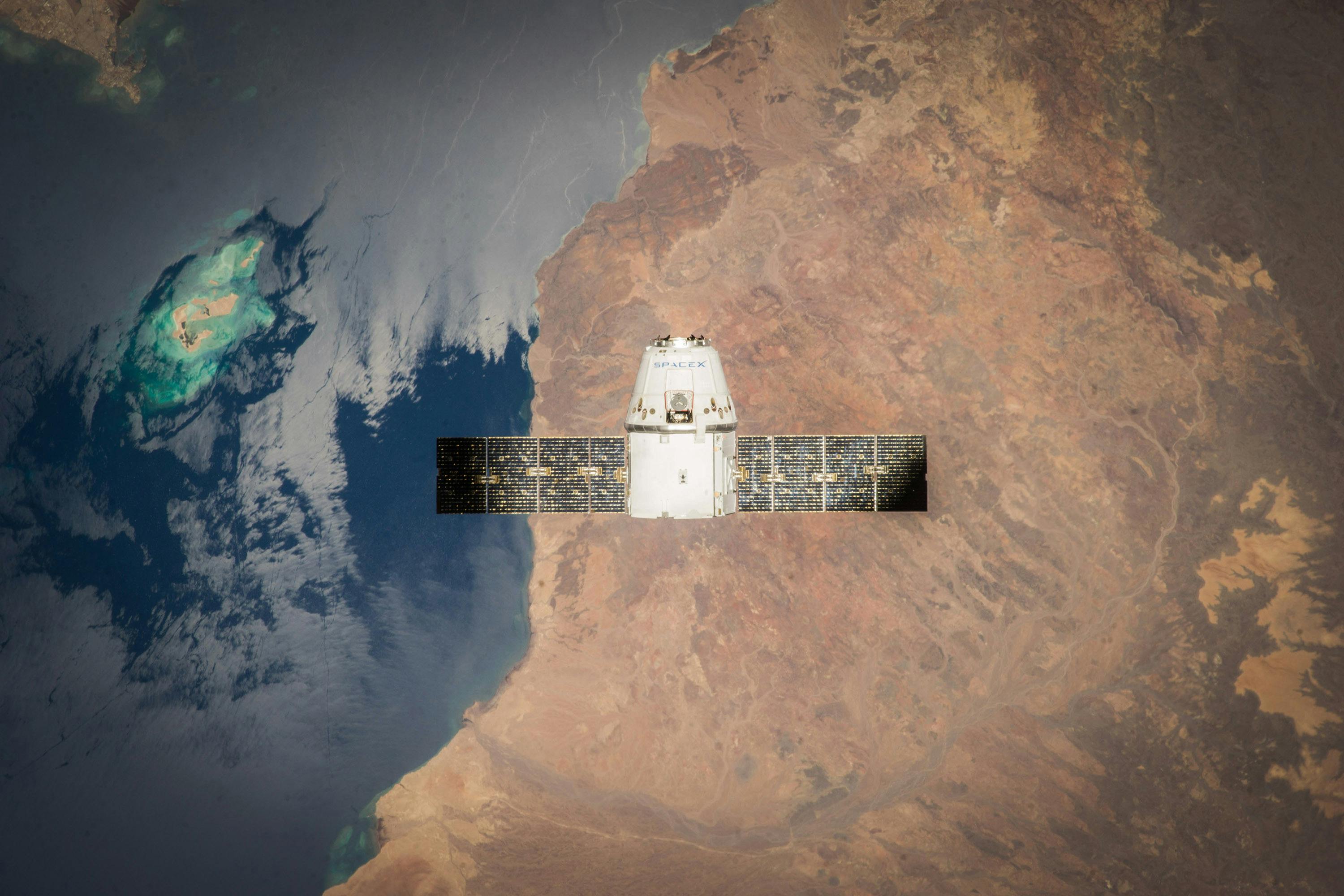
FAA grounds Starship pending a mishap investigation into the V3 debut flight; return to flight hinges on FAA sign-off. Starlink 10-53 added 29 sats.
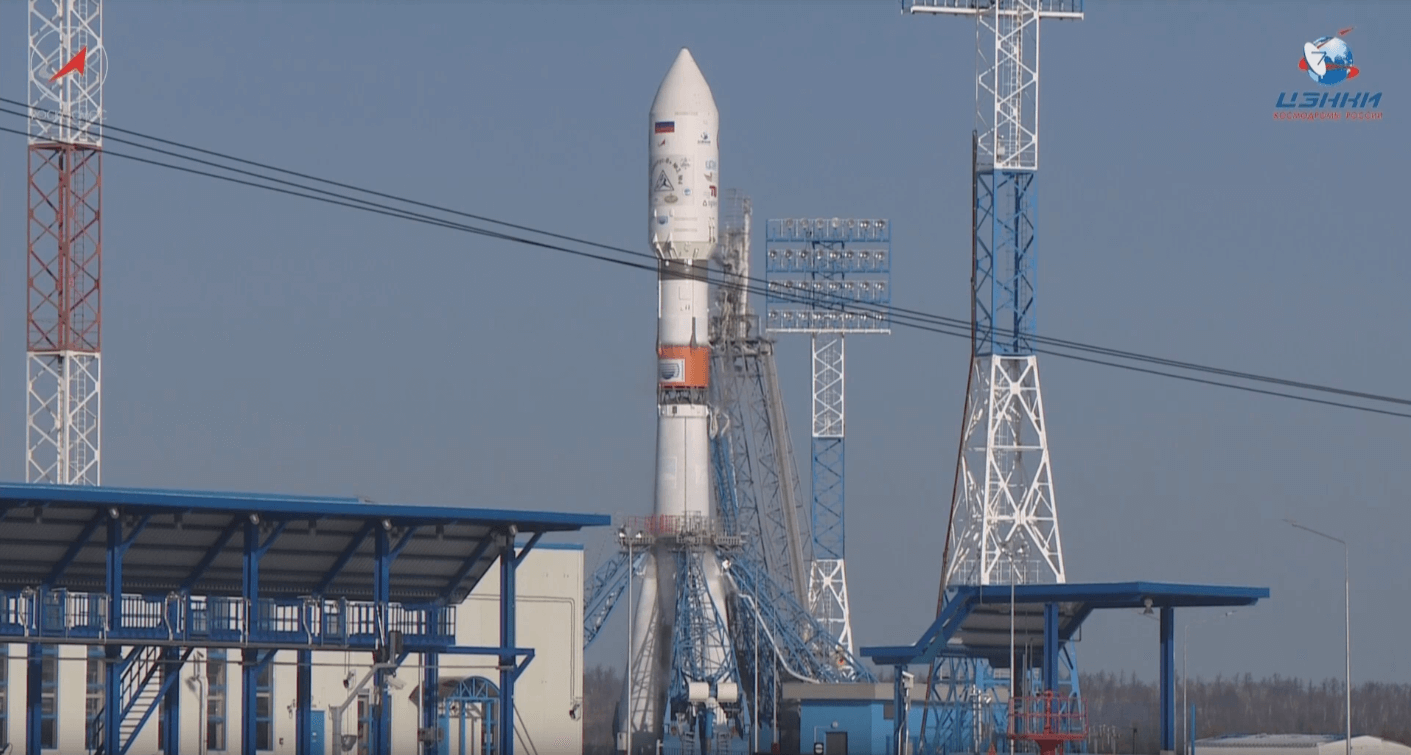
Today's highlights include Canada's and Australia's investment in hypersonic defense, China's successful test of an inflatable space module, and Sweden's support of Ukrainian missile and drone production.