PROGRESS-M 15 (22203)

COSPAR: 1992-071A | Alt Name: Progress M-15
DECAYED

Image
PROGRESS-M 15 Satellite Image
Additional Sources
Launch Details

Launch Date

October 27, 1992

Launch Pad

LC31

Launch Vehicle

Soyuz-U2

Orbital Elements

NORAD ID

22203

International Designator

1992-071A

Decay Date

2/7/1993

Basic Satellite Info

Name

PROGRESS-M 15

Alternative Name

Progress M-15

Type

Payload

Status

Decayed

Owner

NPOE

Country

Russia

Constellation

N/A

Related Satellites

Major Events

N/A

Summary
PROGRESS-M 15, also known as Progress M-15, is a cargo spacecraft launched by Russia on October 27, 1992, from the TYMSC launch site using the Soyuz-U2 launch vehicle. The satellite has dimensions of 7.9 meters in length and diameter, with a span of 7.9 meters as well. It carries a dry mass of 4500 kilograms and was launched with a total mass of 7300 kilograms. Manufactured by NPOE, this spacecraft is equipped with two deployable fixed solar arrays and batteries for power supply. The mission's primary purpose is to transport cargo using the Progress 7K-TGM No. 215 payload module. The satellite features a KTDU-80 (S5.80) motor and has an RCS of 12.7. Its shape consists of a sphere, cone, cylinder, and pan configuration.
Physical Characteristics

Length

7.9

Diameter

2.7

Span

7.9

Dry Mass

4500

Launch Mass

7300

Shape

Sphere + Cone + Cyl + Pan

Radar Cross Section

12.7

Visual Magnitude

Unknown

Color

Unknown

Material Composition

Unknown

Technical Details

Payload

Progress 7K-TGM No. 215

Purpose

Cargo

Mission

Cargo

Manufacturer

NPOE

Life Expectancy

Unknown

Bus

7K-TGM

Configuration

Unknown

Motor

KTDU-80 (S5.80)

Equipment

Unknown

Power System

2 deployable fixed solar arrays, batteries

ADCS

Unknown

Transmitter Frequency

Unknown

Satellite Articles

View All Posts »

Learn more about satellites and other related topics.

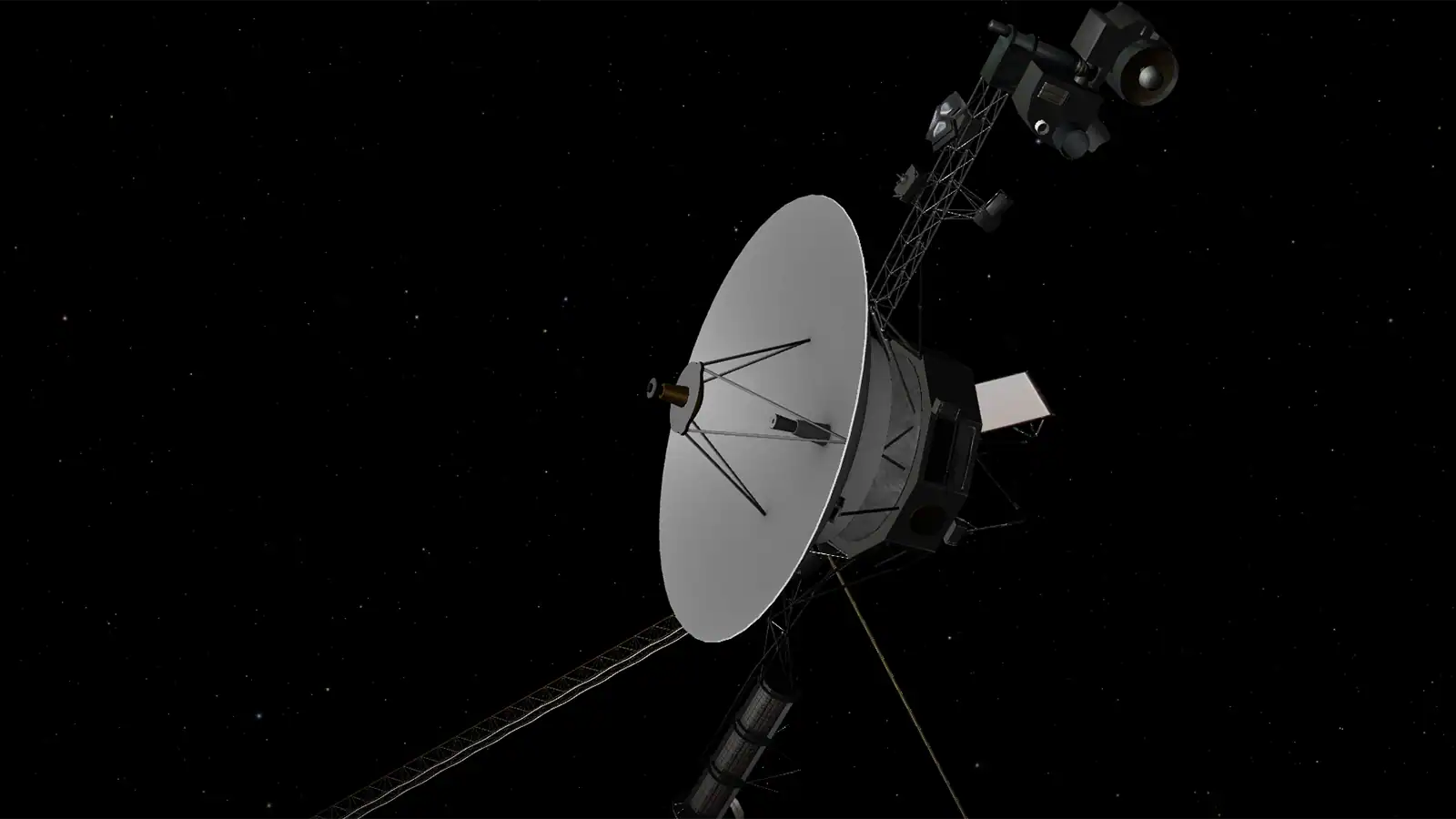
Voyager 1

Voyager 1

In November 2023, Earth's most distant spacecraft started speaking gibberish. Five months, one dead memory chip, and 30 billion miles of round-trip troubleshooting later, engineers got it talking again - using code written before most of them were born.

SDA Awards $3.5B Tracking Layer Contracts to Lockheed, Rocket Lab | KeepTrack Space Brief

SDA Awards $3.5B Tracking Layer Contracts to Lockheed, Rocket Lab | KeepTrack Space Brief

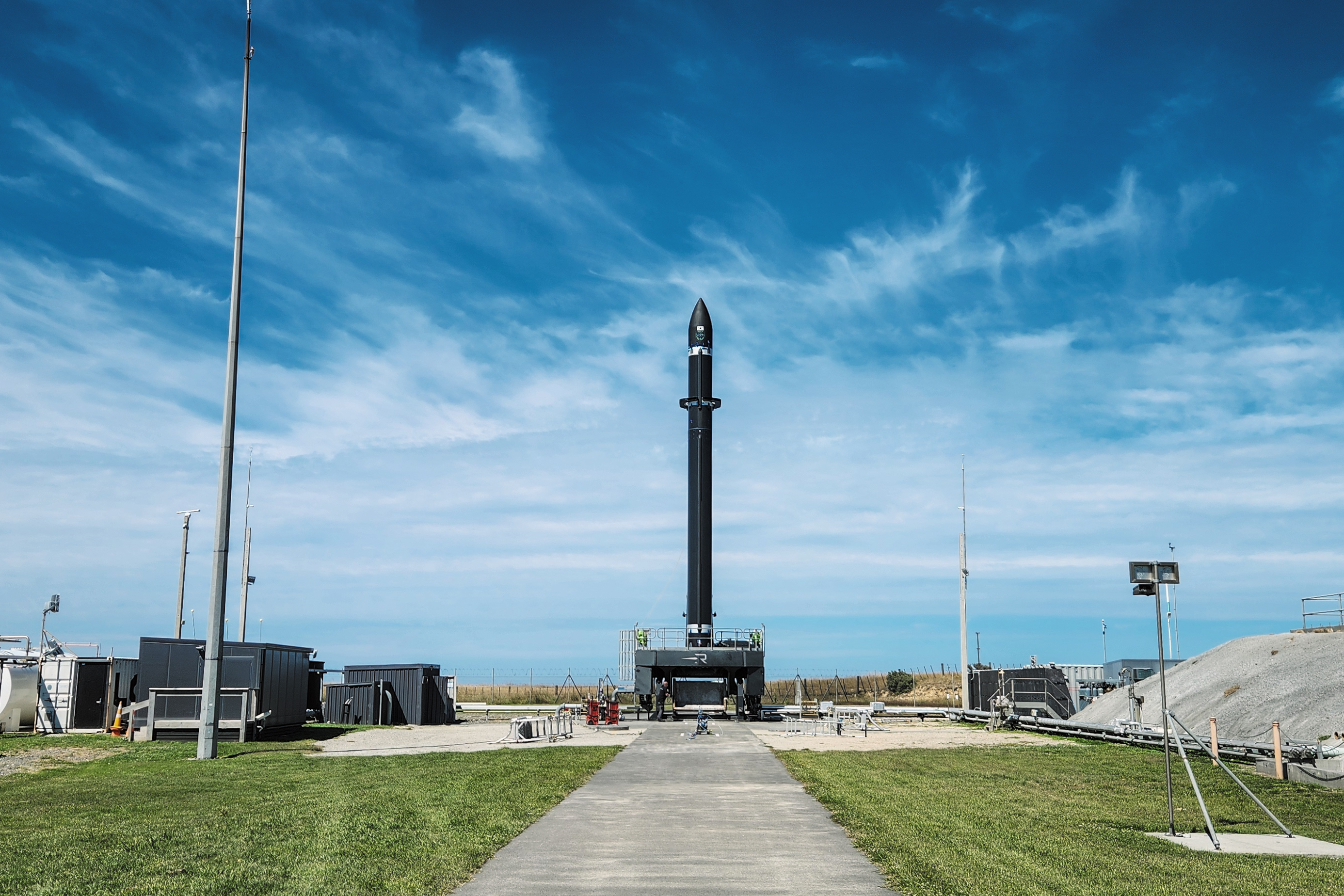
SDA awards $3.5B in contracts for 72 Tracking Layer satellites to Lockheed Martin and Rocket Lab. Terran Orbital selected for satellite bus production. Israel eyes 2026 defense growth.

Why Nobody Can See What Is Happening Near the Moon

Why Nobody Can See What Is Happening Near the Moon

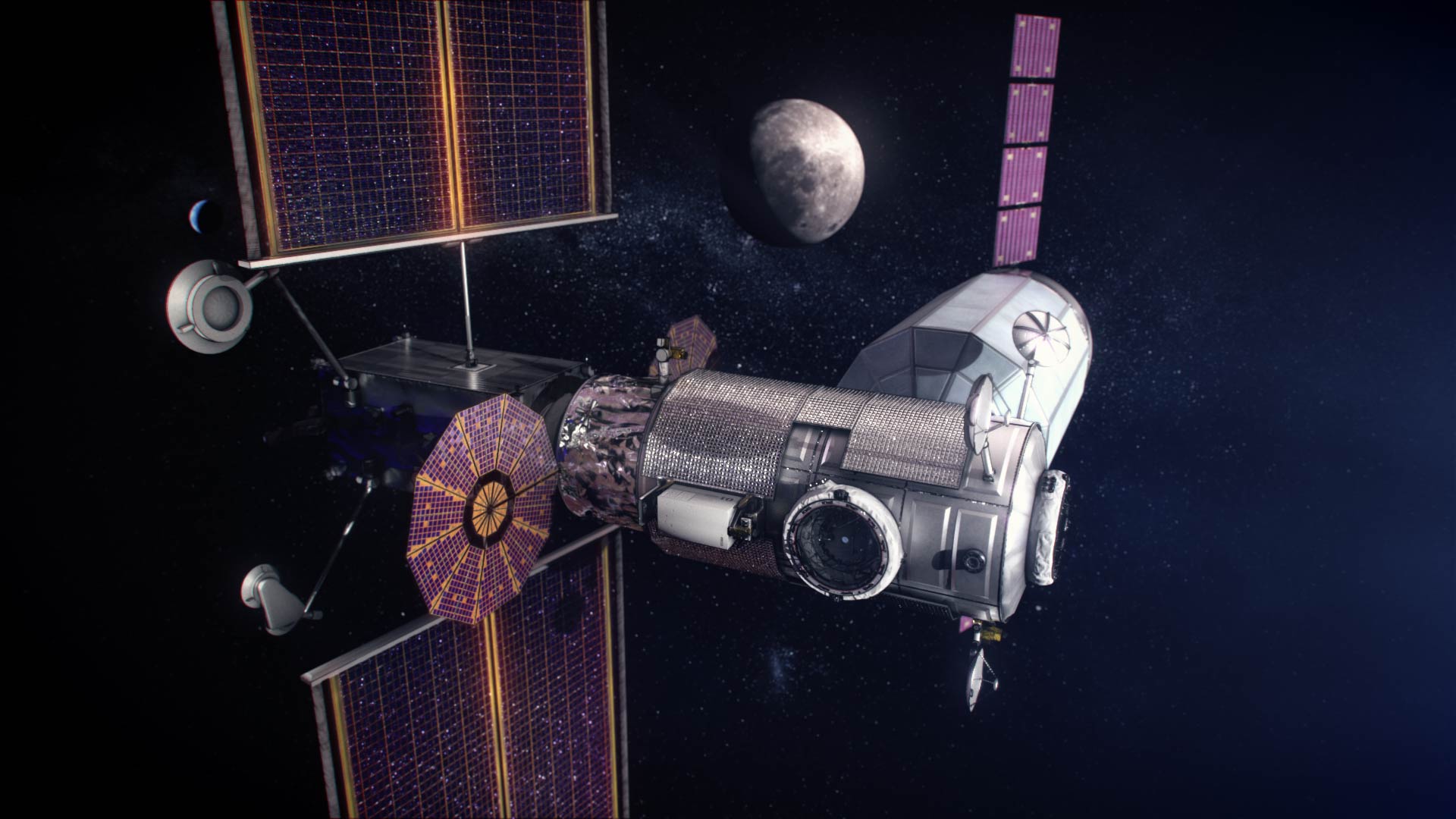
The volume of space between Earth and the Moon is roughly a thousand times larger than the orbit we actually watch, and almost none of it is under surveillance. As the U.S. and China race to build lunar outposts, the Space Force is scrambling to put eyes on a region it has been effectively blind to.

Space Brief 3 Jul 2025

Space Brief 3 Jul 2025

Today's coverage includes the cancellation of DARPA's DRACO nuclear propulsion project, global shifts in Earth observation strategy, and new developments in satellite technology and military collaborations.

Space Brief 20 Feb 2025

Space Brief 20 Feb 2025

Expansion of national security capabilities with new services, shifts in Pentagon priorities, challenges in zero trust compliance, and more.

Space Brief 29 Nov 2024

Space Brief 29 Nov 2024

Today's brief covers China's Beidou satellite plans, SpaceX's Starship advancements, potential Space Command HQ relocation, and more.

Golden Dome Missile Shield Costs Up to $1.2T Over 20 Years | KeepTrack Space Brief

Golden Dome Missile Shield Costs Up to $1.2T Over 20 Years | KeepTrack Space Brief

CBO estimates Golden Dome national missile shield at $1.2 trillion over 20 years. Space-based intercept layer could add thousands of satellites to tracked orbital regimes.

Earthquake Sensors Repurposed to Track Space Debris Reentry | KeepTrack Space Brief

Earthquake Sensors Repurposed to Track Space Debris Reentry | KeepTrack Space Brief

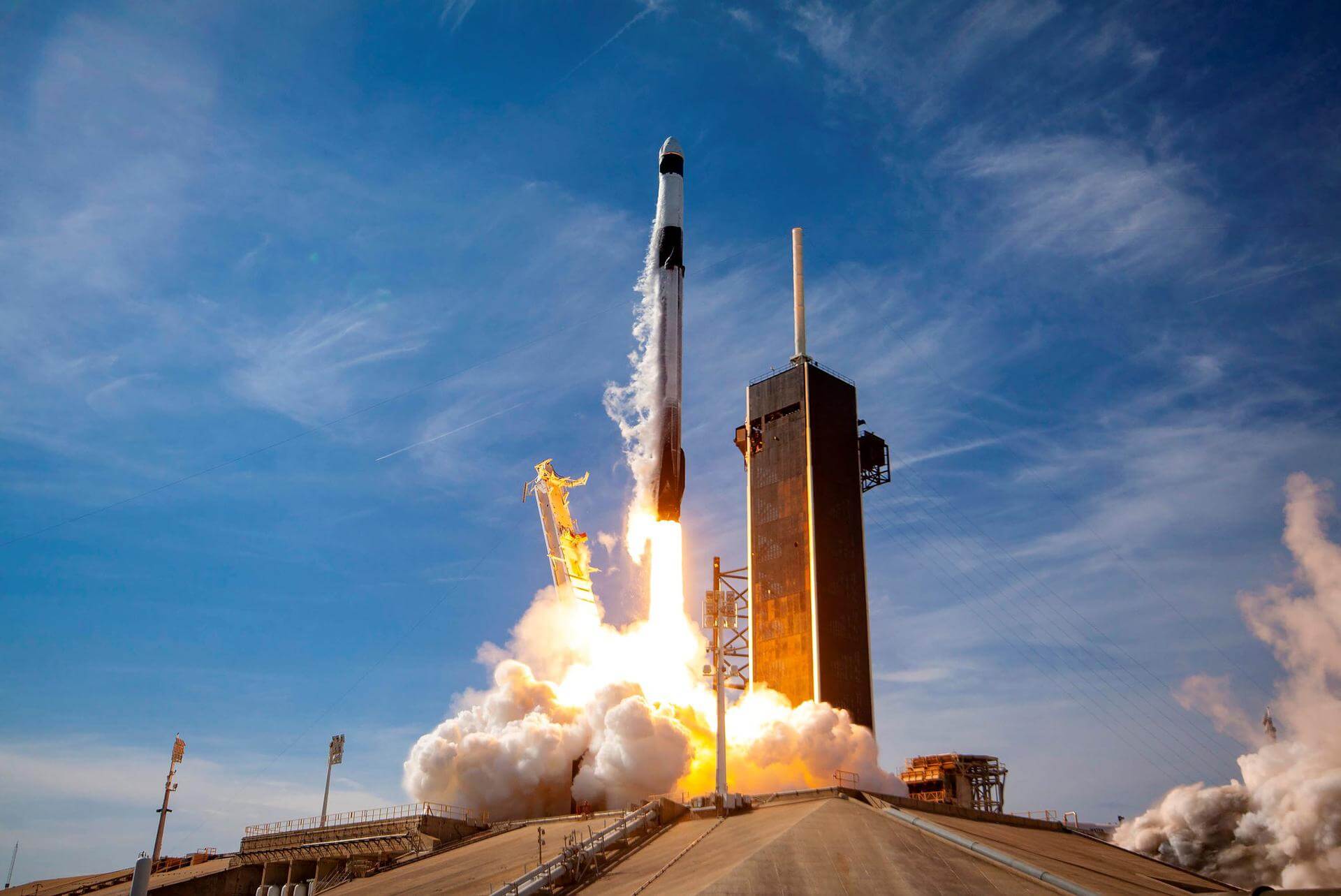
Scientists use earthquake sensors to track space debris reentry via sonic boom detection. SpaceX launches 25 Starlink satellites in seventh mission of 2026. NASA and DOE partner for lunar nuclear power.