

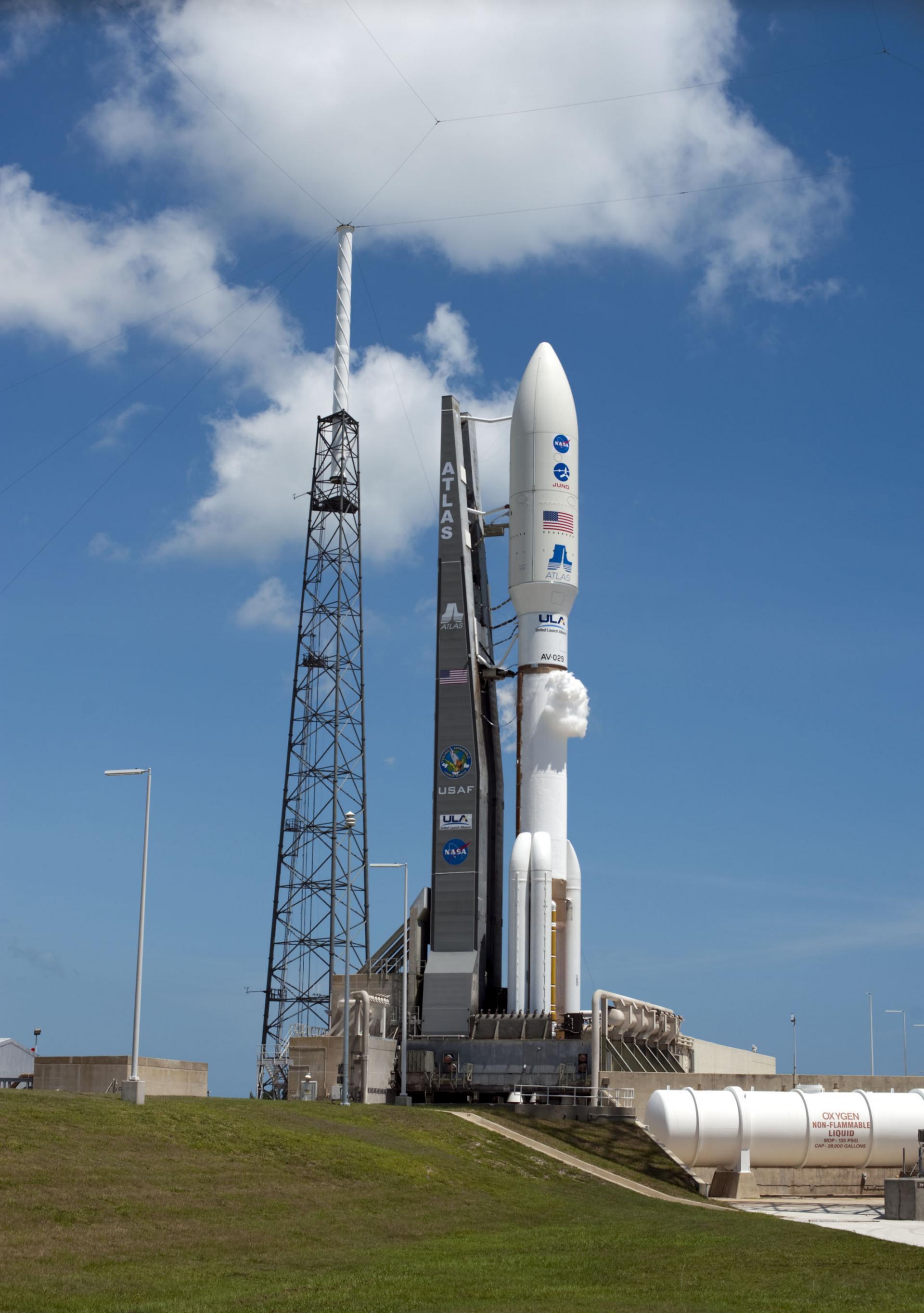
Falcon Heavy Launches ViaSat-3 F3, Space Brief 27 Apr 2026
Falcon Heavy launched ViaSat-3 F3 on April 27, its 12th flight, with the first dual landing zone recovery. Plus Soyuz-5's demo flight nears at Baikonur.


Launch Date
September 25, 1992
Launch Site
Launch Pad
LC40
Launch Vehicle
Commercial Titan 3
NORAD ID
22136
International Designator
1992-063A
Decay Date
Unknown
Name
MARS OBSERVER
Alternative Name
Mars Observer
Type
Status
Owner
JPL
Country
United States
Constellation
N/A
Related Satellites
Major Events
N/A
Length
3.5
Diameter
2.2
Span
15
Dry Mass
1029
Launch Mass
2565
Shape
Box + 2 Pan + Ant
Radar Cross Section
Unknown
Visual Magnitude
Unknown
Color
Unknown
Material Composition
Unknown
Payload
Mars Observer
Purpose
Mars orbiter
Mission
Mars orbiter
Manufacturer
GEEW
Life Expectancy
Unknown
Bus
AS4000
Configuration
Observer Bus
Motor
R-4D-12 x4
Equipment
Unknown
Power System
2 deployable solar arrays, batteries
ADCS
Unknown
Transmitter Frequency
Unknown
Learn more about satellites and other related topics.
Falcon Heavy launched ViaSat-3 F3 on April 27, its 12th flight, with the first dual landing zone recovery. Plus Soyuz-5's demo flight nears at Baikonur.

SpaceX made significant strides with the successful launch of Starlink satellites and the approval for the redevelopment of SLC-6, reinforcing its foothold in commercial spaceflight.
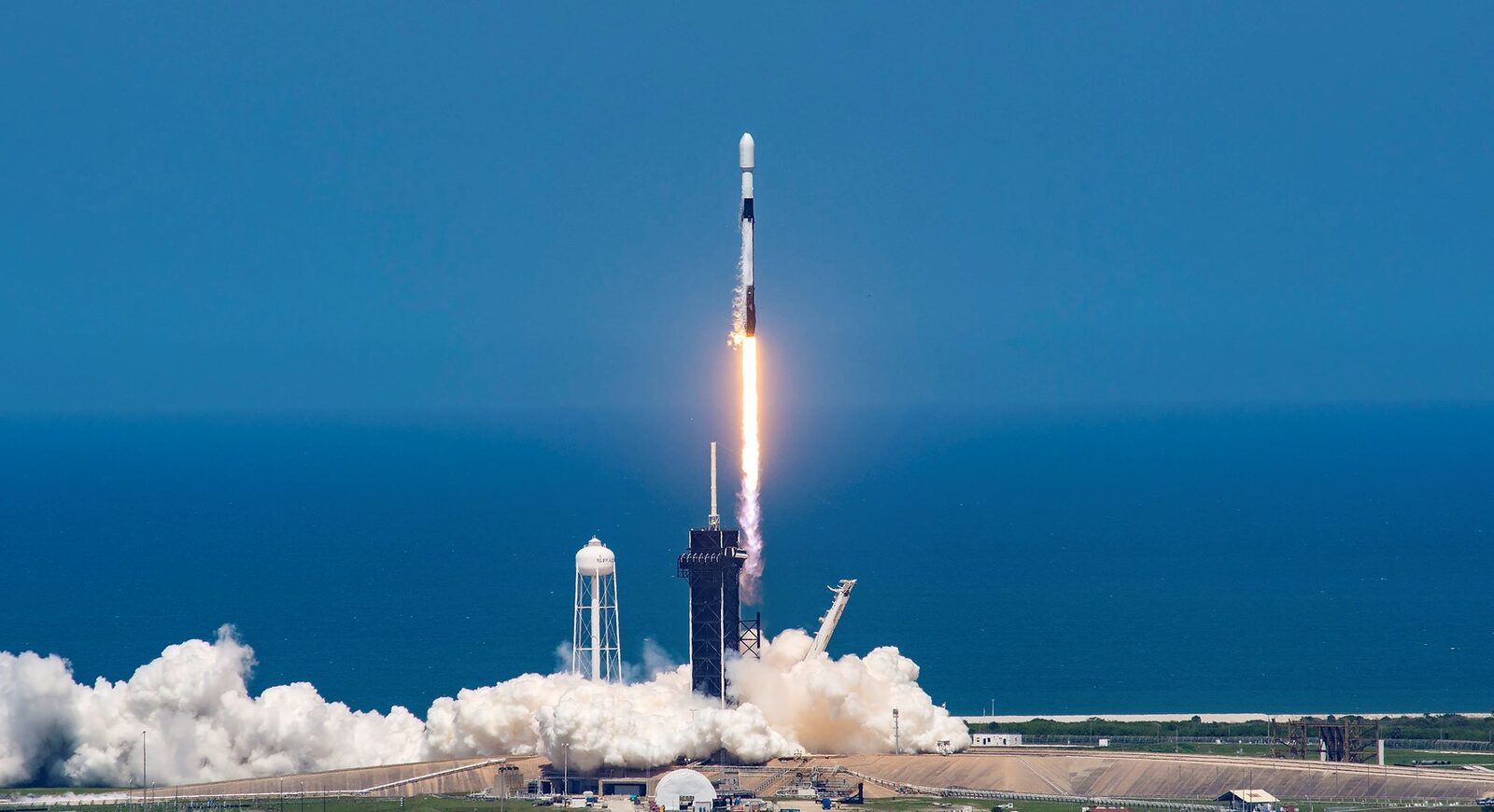
This week: China's Long March 10B debuted successfully, SpaceX merged with xAI, and Starlink topped 10,775 satellites in orbit.
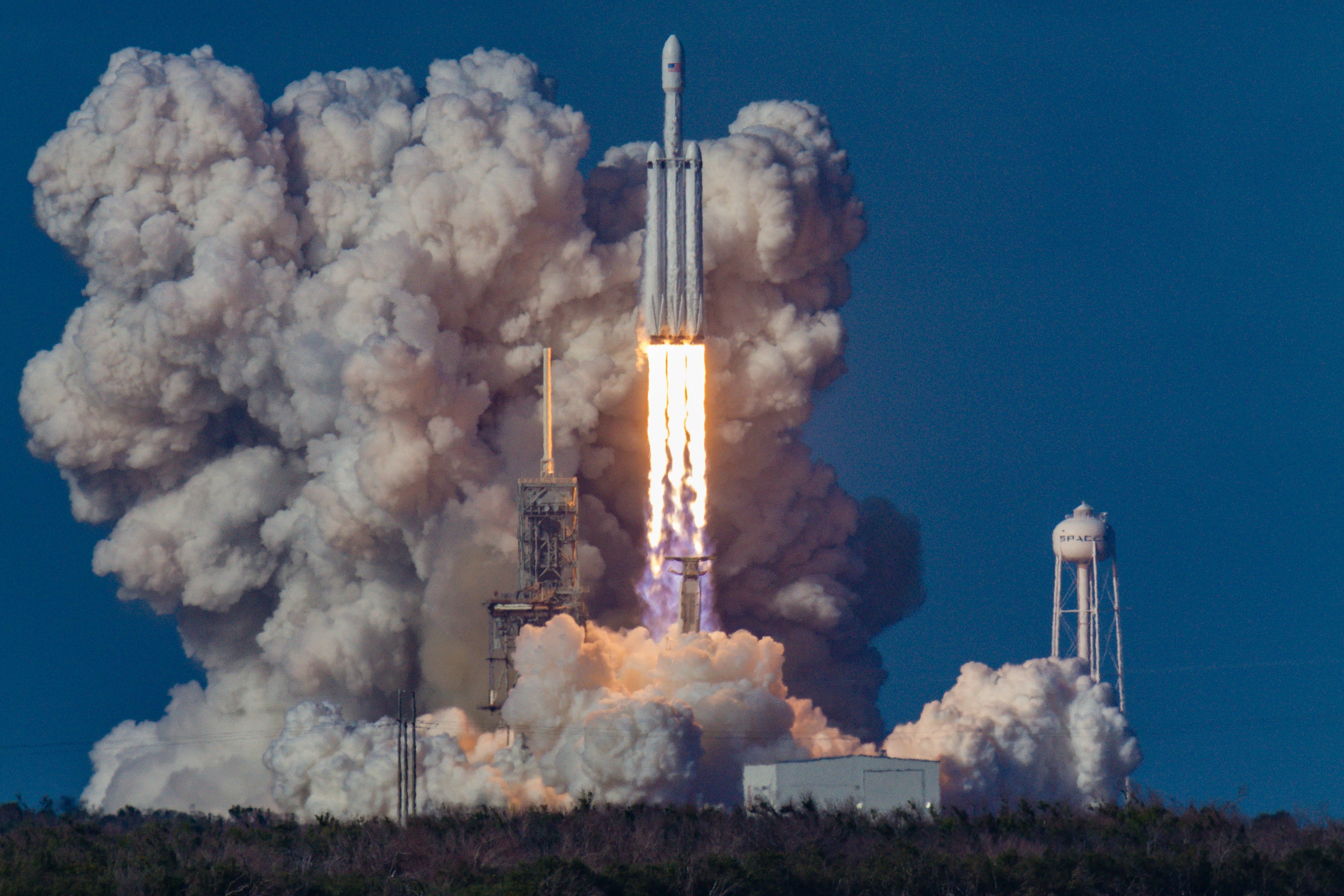
Trump reportedly asked Musk to donate SpaceX equity to seed children's savings accounts as Starlink tops 10,706 working satellites in orbit.

Today's highlights include the successes and setbacks in recent rocket launches, a notable satellite anomaly, and a significant expansion announcement from ESA.
SpaceX launches Crew-12 to ISS and lands Falcon 9 booster at new LZ-40 pad for the first time. xAI restructures $18B in debt ahead of possible IPO. 6,000 Starlink terminals smuggled into Iran.

SpaceX successfully launched another batch of Starlink satellites in a night mission, marking a significant return to evening launches post-regulations.
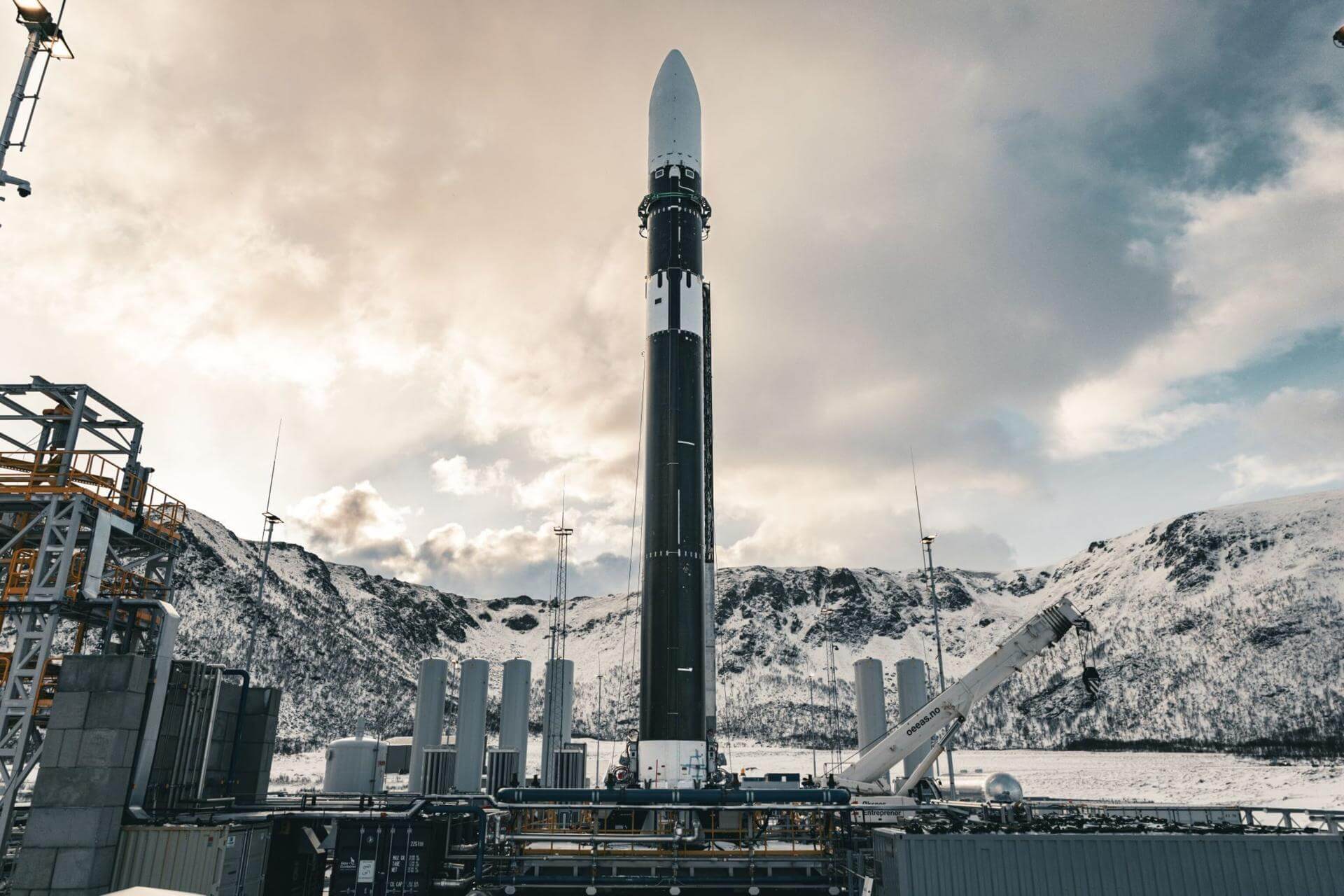
Exploring the future of space with concerns on space debris, rapid growth in orbital data centers, and new developments at launch sites.