

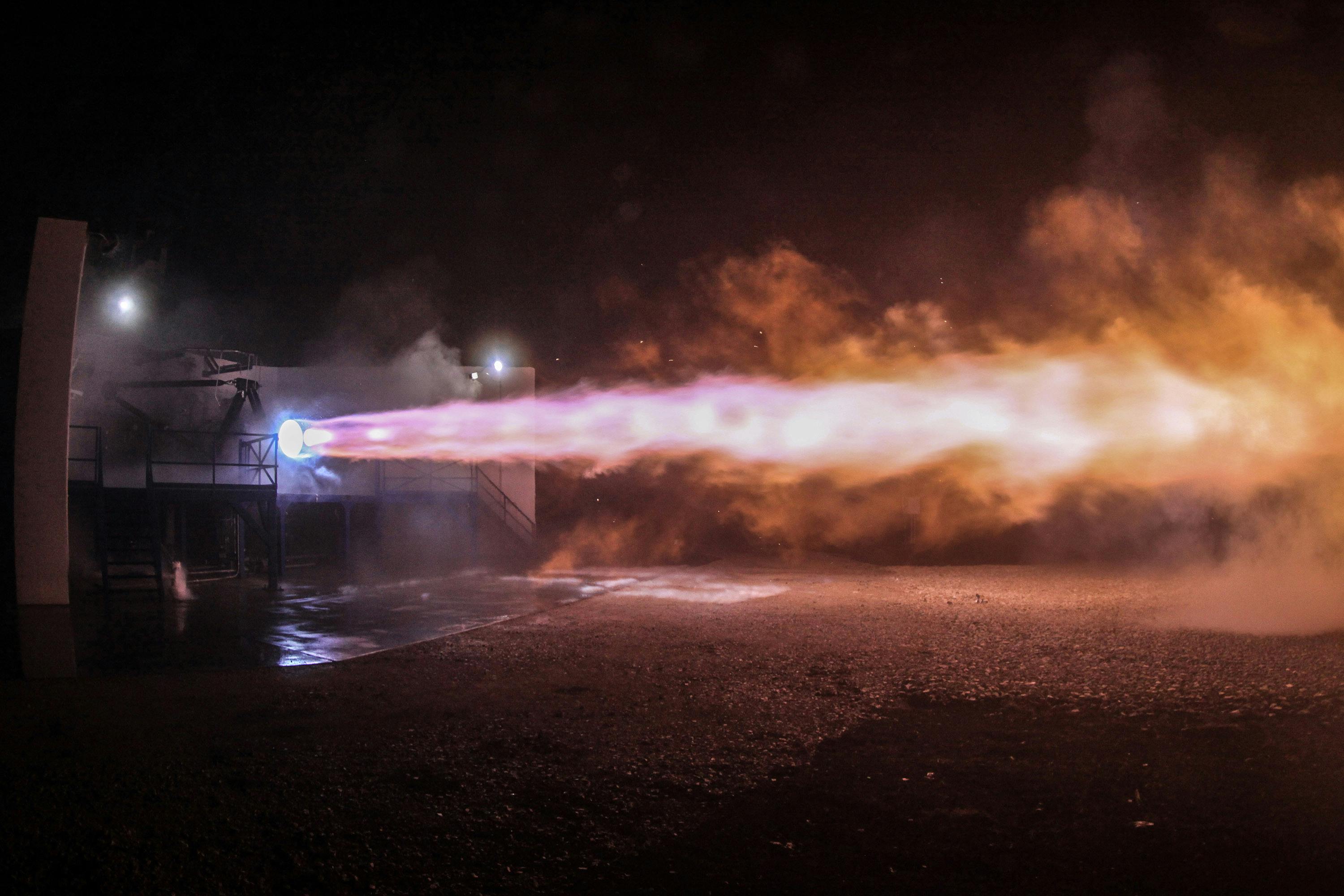
X Report 7 Apr 2025
SpaceX prepares for another Starlink launch today, following a successful deployment over the weekend from Florida's Space Coast.


Launch Date
September 10, 1992
Launch Site
Launch Pad
LC81/23
Launch Vehicle
Proton-K/DM-2
NORAD ID
22113
International Designator
1992-059B
Decay Date
9/13/1992
Name
SL-12 R/B(1)
Alternative Name
Proton-K 363-01 Stage 3
Type
Status
Owner
RVSNR
Country
Russia
Constellation
N/A
Related Satellites
Major Events
N/A
Length
6.5
Diameter
4.2
Span
6.5
Dry Mass
4185
Launch Mass
4185
Shape
Cyl
Radar Cross Section
22.2
Visual Magnitude
Unknown
Color
Unknown
Material Composition
Unknown
Payload
8S812
Purpose
Unknown
Mission
Unknown
Manufacturer
ZIKH
Life Expectancy
Unknown
Bus
8S812
Configuration
Unknown
Motor
Unknown
Equipment
Unknown
Power System
Unknown
ADCS
Unknown
Transmitter Frequency
Unknown
Learn more about satellites and other related topics.
SpaceX prepares for another Starlink launch today, following a successful deployment over the weekend from Florida's Space Coast.
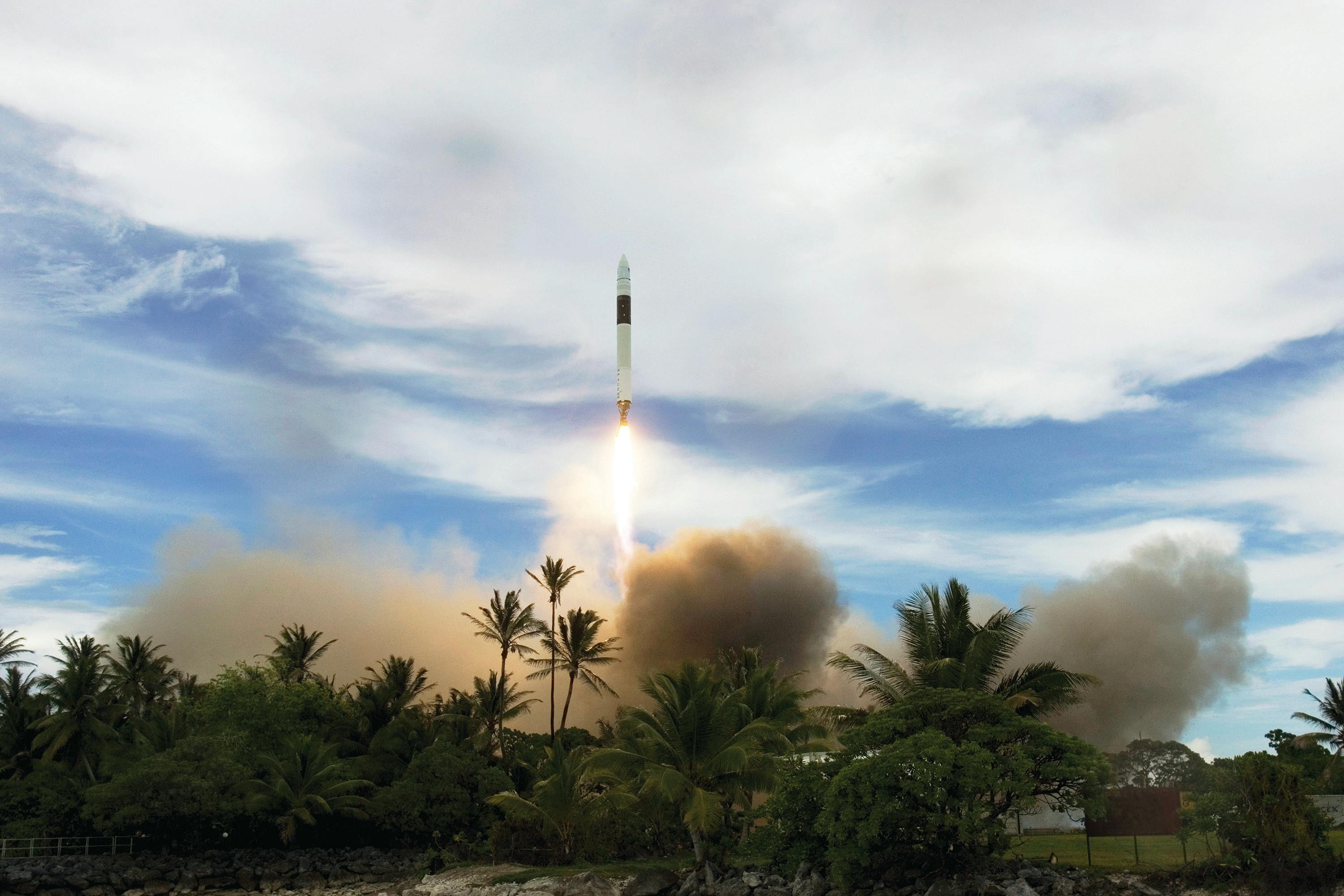
Starship transport barge identified for shipping components from Starbase to Kennedy Space Center. Starlink's 2025 report shows 4.6M new customers and expansion to 35 new regions.
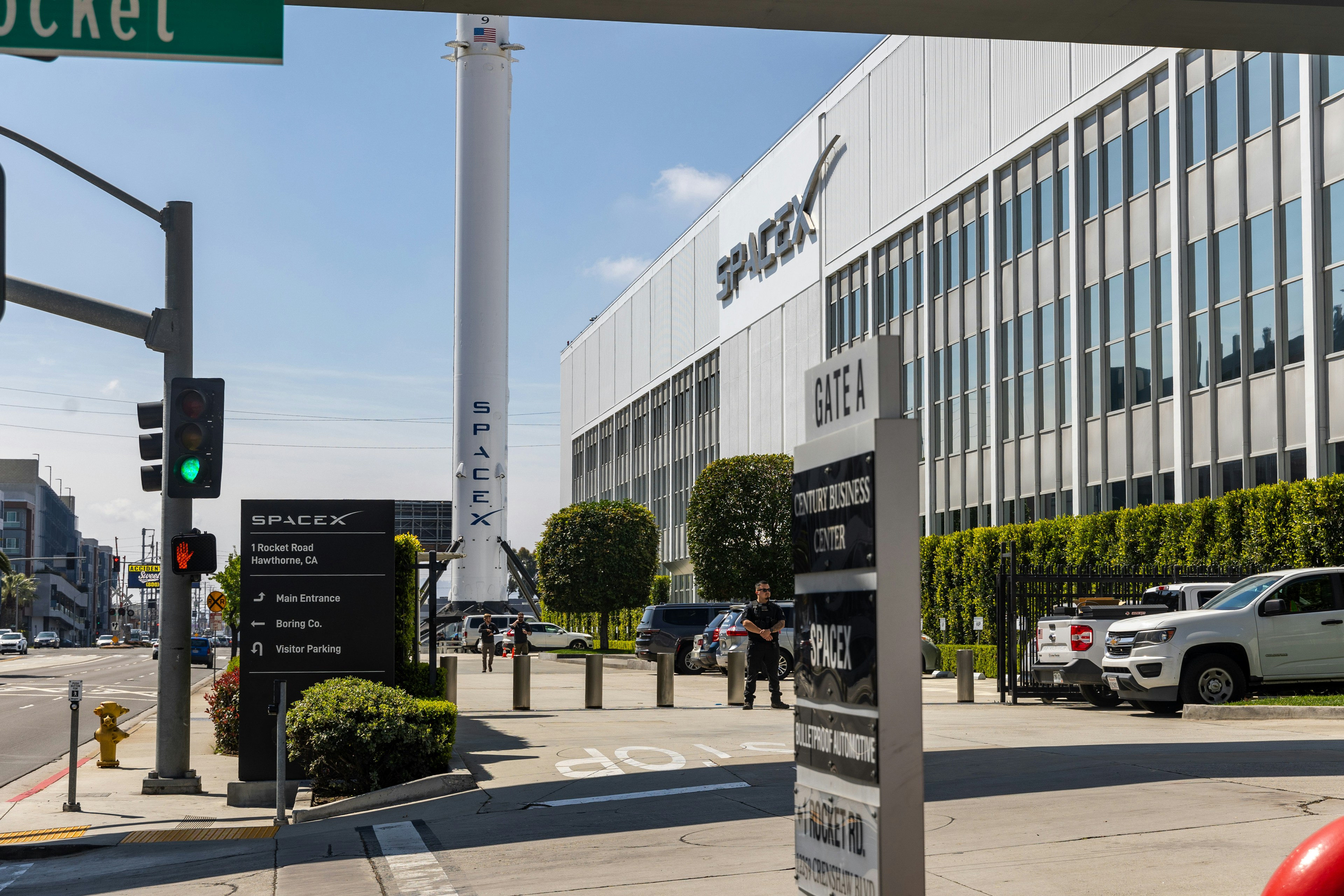
SpaceX's Crew-10 mission safely docks with the ISS, setting up for a crew rotation. Starlink continues its global expansion with additional satellite deployments.

As Ukraine explores alternatives to SpaceX's Starlink, the potential adoption of Eutelsat OneWeb's satellite network raises critical questions about connectivity, resilience, and strategic autonomy.
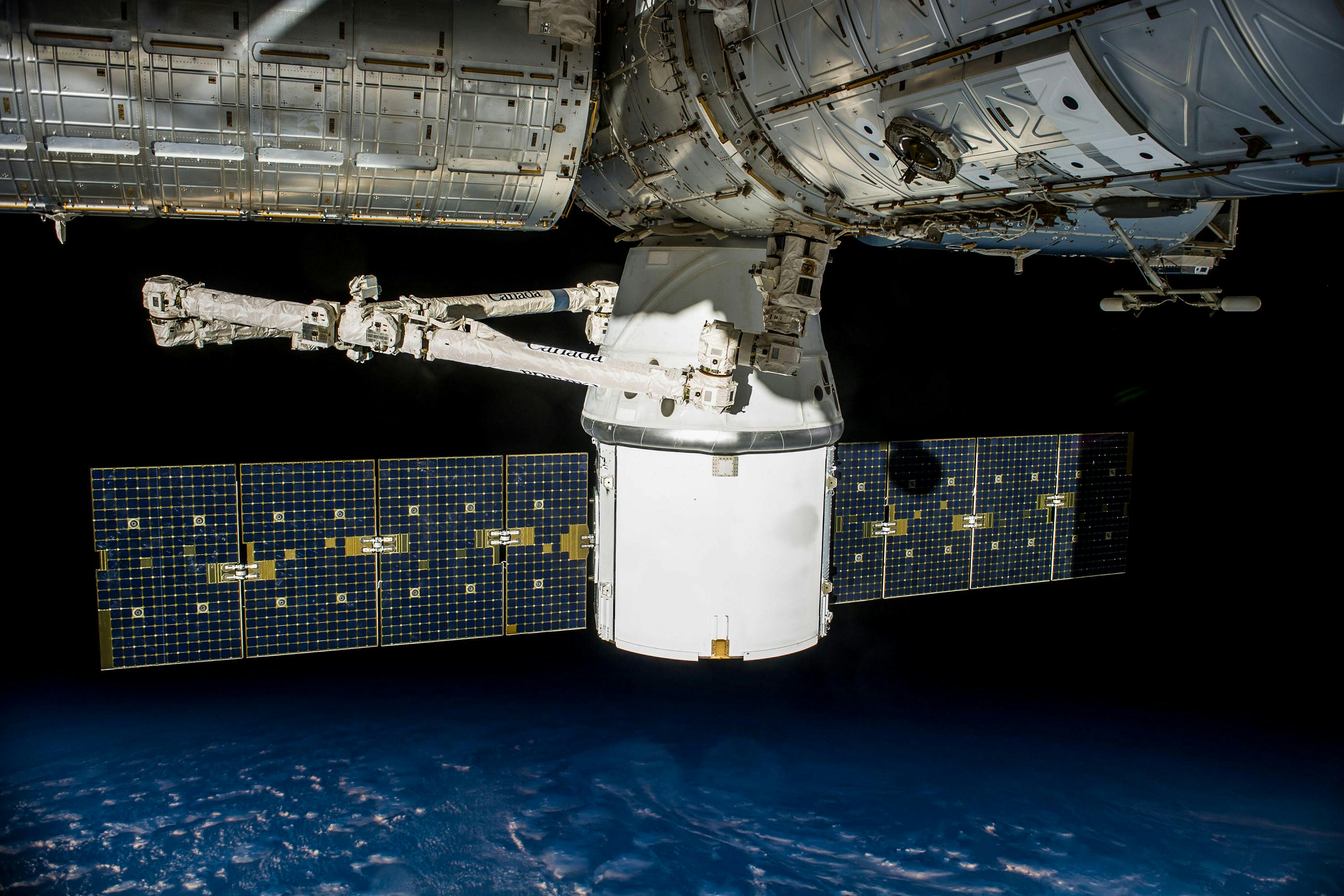
SpaceX celebrates a year of industry milestones, including the successful deployment of Starlink satellites and innovative advancements in rocket technology.
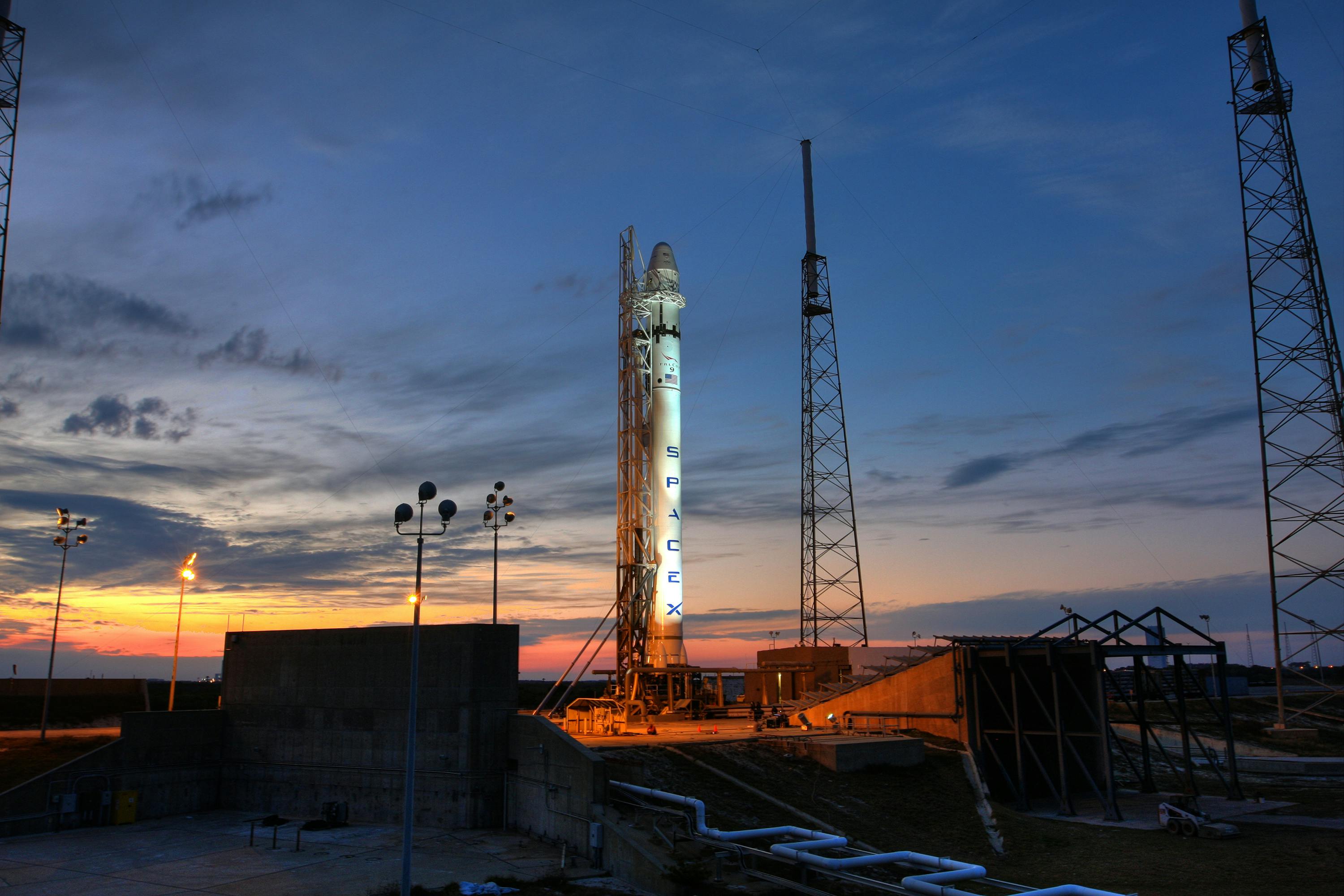
SpaceX successfully launched 28 Starlink satellites, marking a significant milestone with its 500th orbital mission. Both launches underscore the company's commitment to expanding its satellite internet constellation and solidifying its position in the space industry.
SpaceX Crew-11 made an emergency return from the ISS on Jan. 15 after a medical crisis, spotlighting gaps in space rescue infrastructure.
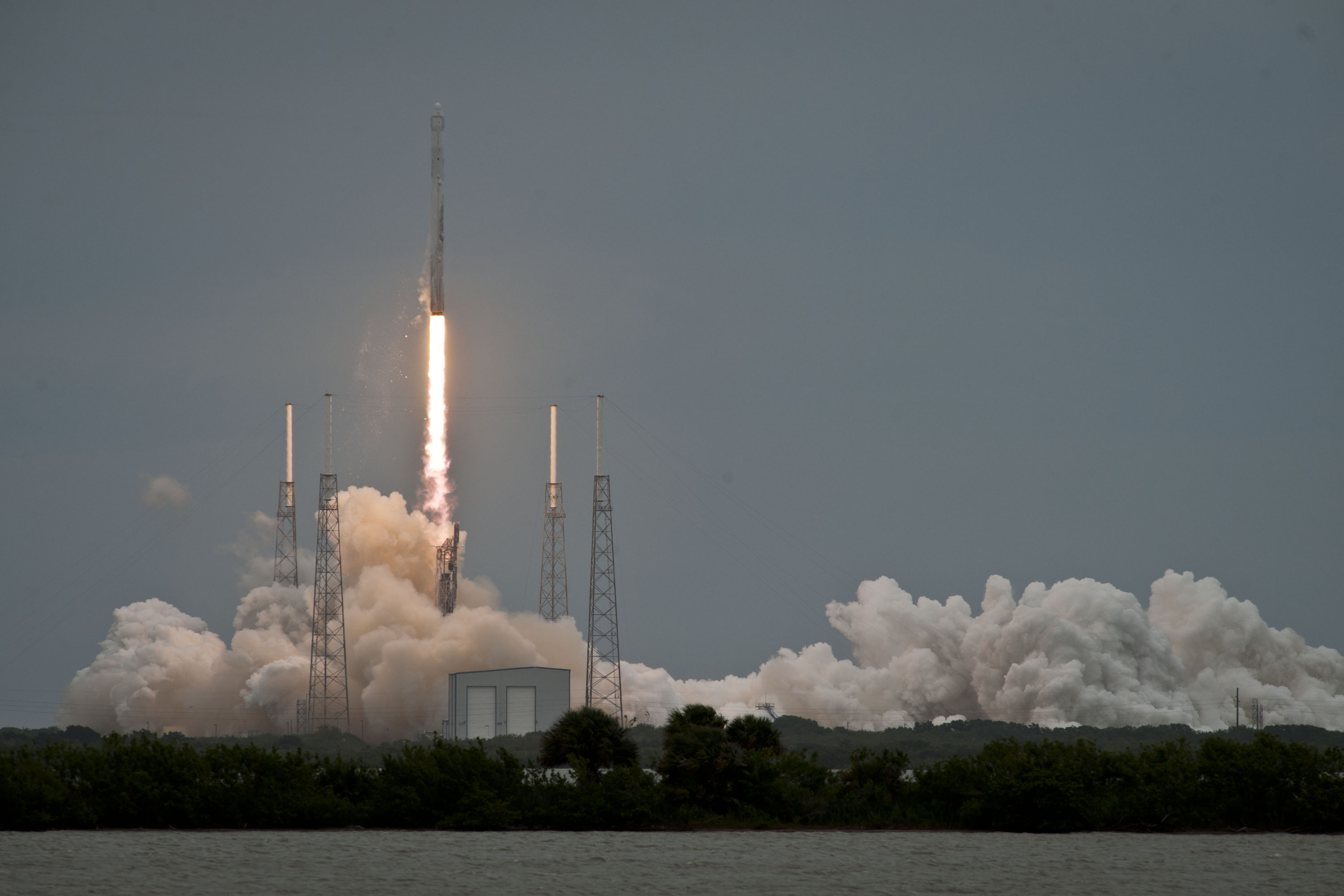
On April 18, 2014, a Falcon 9 first stage did something no orbital rocket had ever done before. It fired its engines on the way down, steered itself through the atmosphere using grid fins that did not yet exist, and touched the Atlantic Ocean softly enough to survive the impact. Nobody recovered it. The data was the whole point.