



Space Brief 26 Apr 2025
Today's brief covers major developments including the introduction of BAHA drones, increased defense spending by Estonia, and consequential announcements on military budgets impacting space-related activities.


Launch Date
September 9, 1992
Launch Site
Launch Pad
LC17A
Launch Vehicle
Delta 7925
NORAD ID
22109
International Designator
1992-058B
Epoch
Sat, 04 Jul 2026 06:28:07 GMT
Apogee
Calculating...
Perigee
Calculating...
Inclination
19.78°
Right Ascension
152.52°
Eccentricity
Calculating...
Argument of Perigee
105.98°
Period
97.28 min
Mean Motion
14.80 rev/day
Latitude
Calculating...
Longitude
Calculating...
Altitude
Calculating...
Velocity
Calculating...
Name
DELTA 2 R/B(1)
Alternative Name
Delta 214
Type
Status
Owner
MDAC
Country
United States
Constellation
N/A
Related Satellites
Major Events
N/A
1 22109U 92058B 26185.26953558 .00001563 00000-0 14893-3 0 9996
2 22109 19.7795 152.5167 0031659 105.9766 254.4138 14.80302547798004
Source: Celestrak
Length
7
Diameter
2.4
Span
7
Dry Mass
924
Launch Mass
6930
Shape
Cyl + Cone
Radar Cross Section
9.1264
Visual Magnitude
Unknown
Color
Unknown
Material Composition
Unknown
Payload
Delta SSPS AJ10-118K
Purpose
Unknown
Mission
Unknown
Manufacturer
MDAC
Life Expectancy
Unknown
Bus
Delta/0020
Configuration
Unknown
Motor
Unknown
Equipment
Unknown
Power System
Unknown
ADCS
Unknown
Transmitter Frequency
Unknown
Learn more about satellites and other related topics.
Today's brief covers major developments including the introduction of BAHA drones, increased defense spending by Estonia, and consequential announcements on military budgets impacting space-related activities.
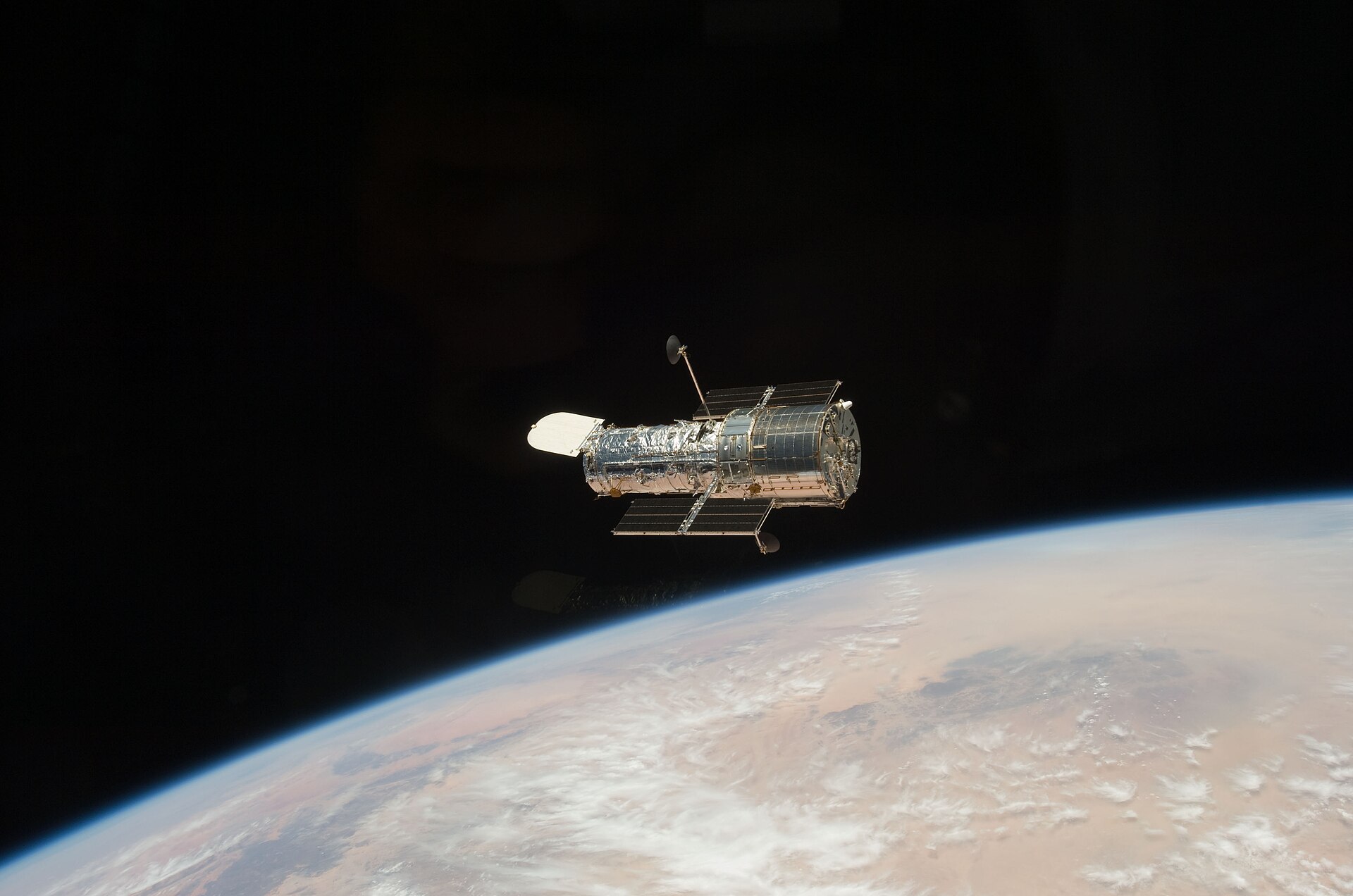
On April 25, 1990, the Space Shuttle Discovery's robotic arm lifted a 11,110-kilogram barrel of mirrors and instruments out of the payload bay and released it into orbit. Six weeks later, the first images came back badly out of focus. The Hubble Space Telescope had been ground to the wrong prescription, and America had just spent $2.5 billion on what the press was calling a 'technoturkey.'
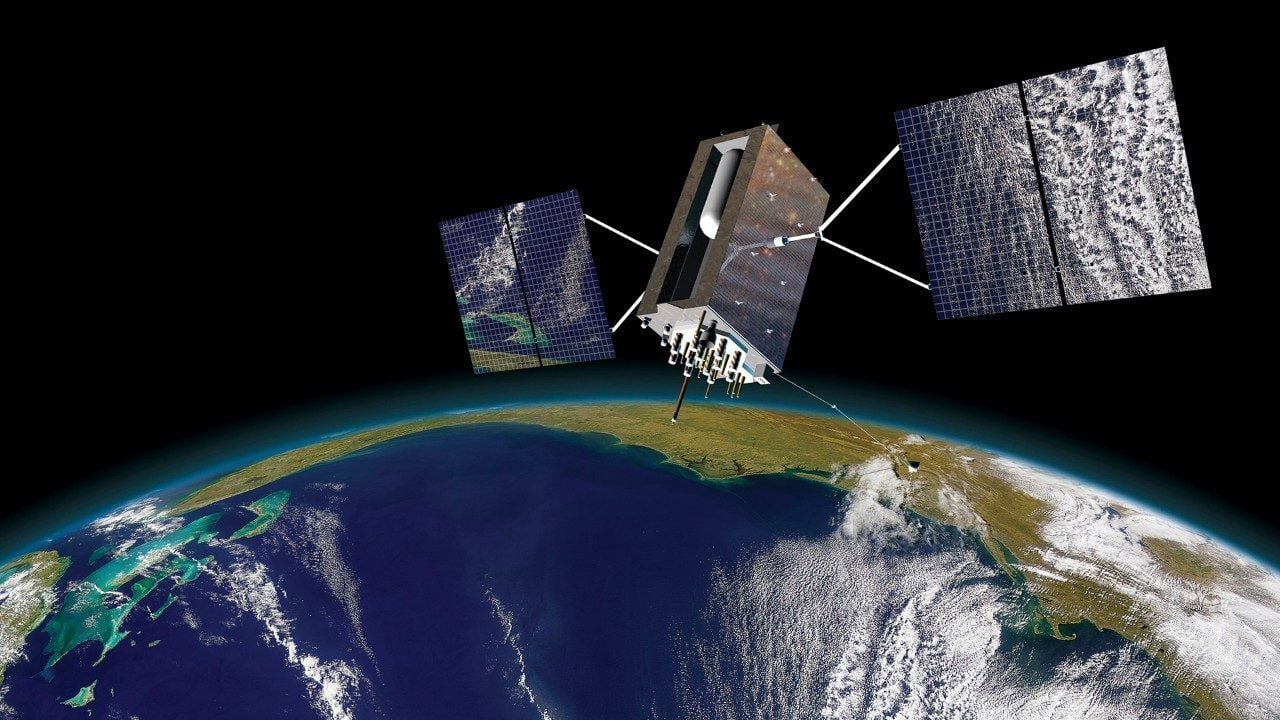
On April 17, 2026, the U.S. Space Force officially cancelled the Next Generation Operational Control System after sixteen years of development, cost overruns, and testing failures. The $8 billion program was supposed to unlock the military's encrypted GPS signal. Instead, the satellites are flying with capabilities the ground can't command.
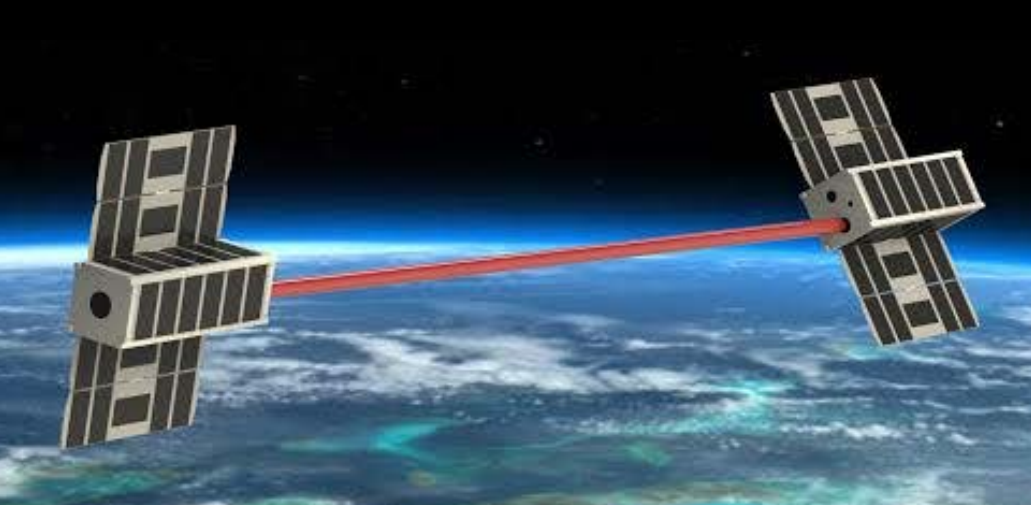
The satellite industry's biggest operators are betting on multi-orbit architectures that combine LEO, MEO, and GEO into unified networks. A San Francisco startup called Contrivian thinks they've overcomplicated the problem, and the physics might be on its side.
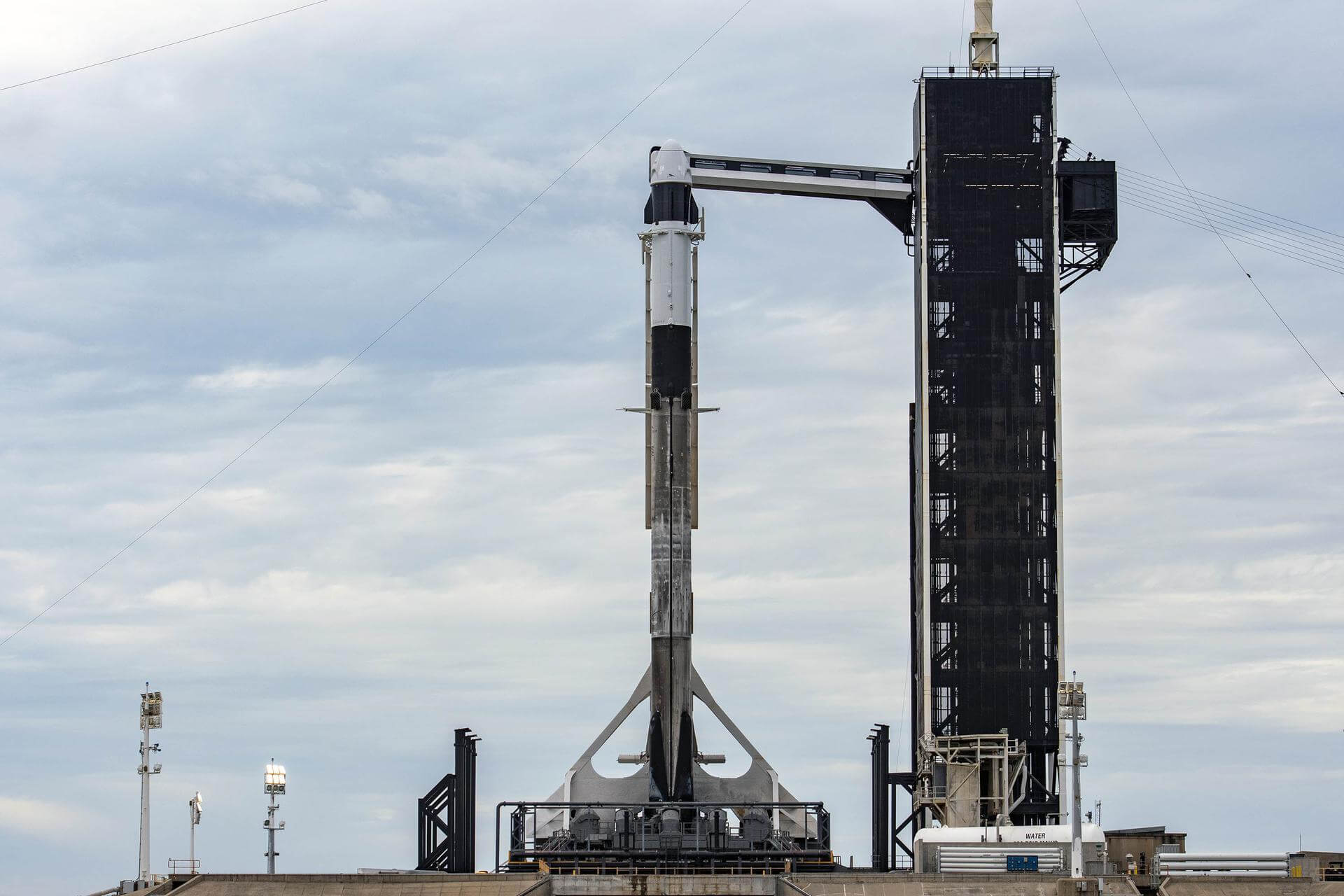
Today's highlights include the certification of ULA's Vulcan rocket for national security missions, developments in nuclear timekeeping for GPS systems, and updates on the Space Force's new warfighting framework.

China's Shenlong spaceplane released an unidentified object in orbit, drawing scrutiny amid U.S. Space Force Victus Haze RPO demonstrations. Tracking data critical.
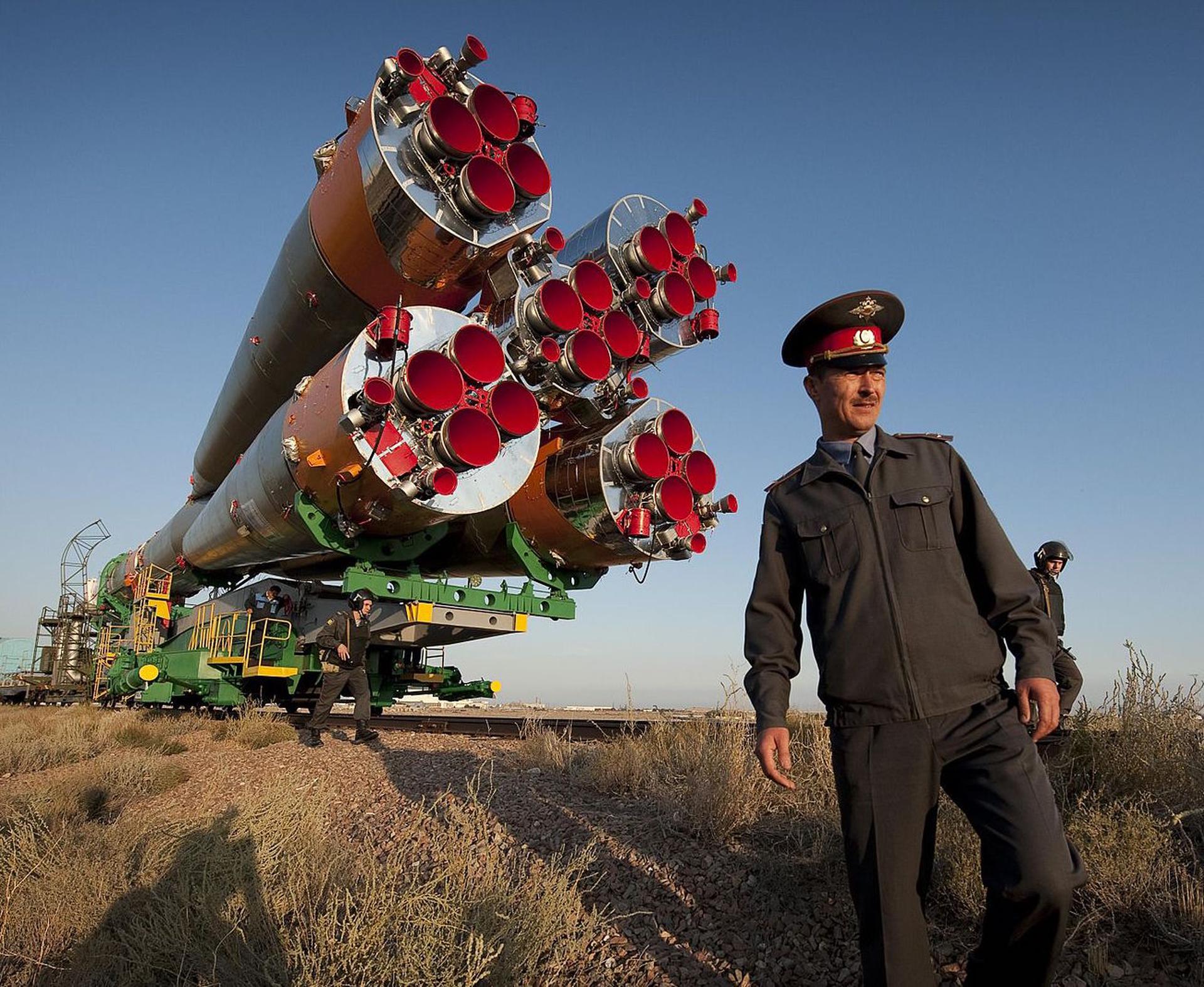
Today's Space Brief covers major upcoming launches from SpaceX, US military missile tests, and developments in Virgin Galactic's fleet expansion. Stay informed on key satellite events and launch updates.
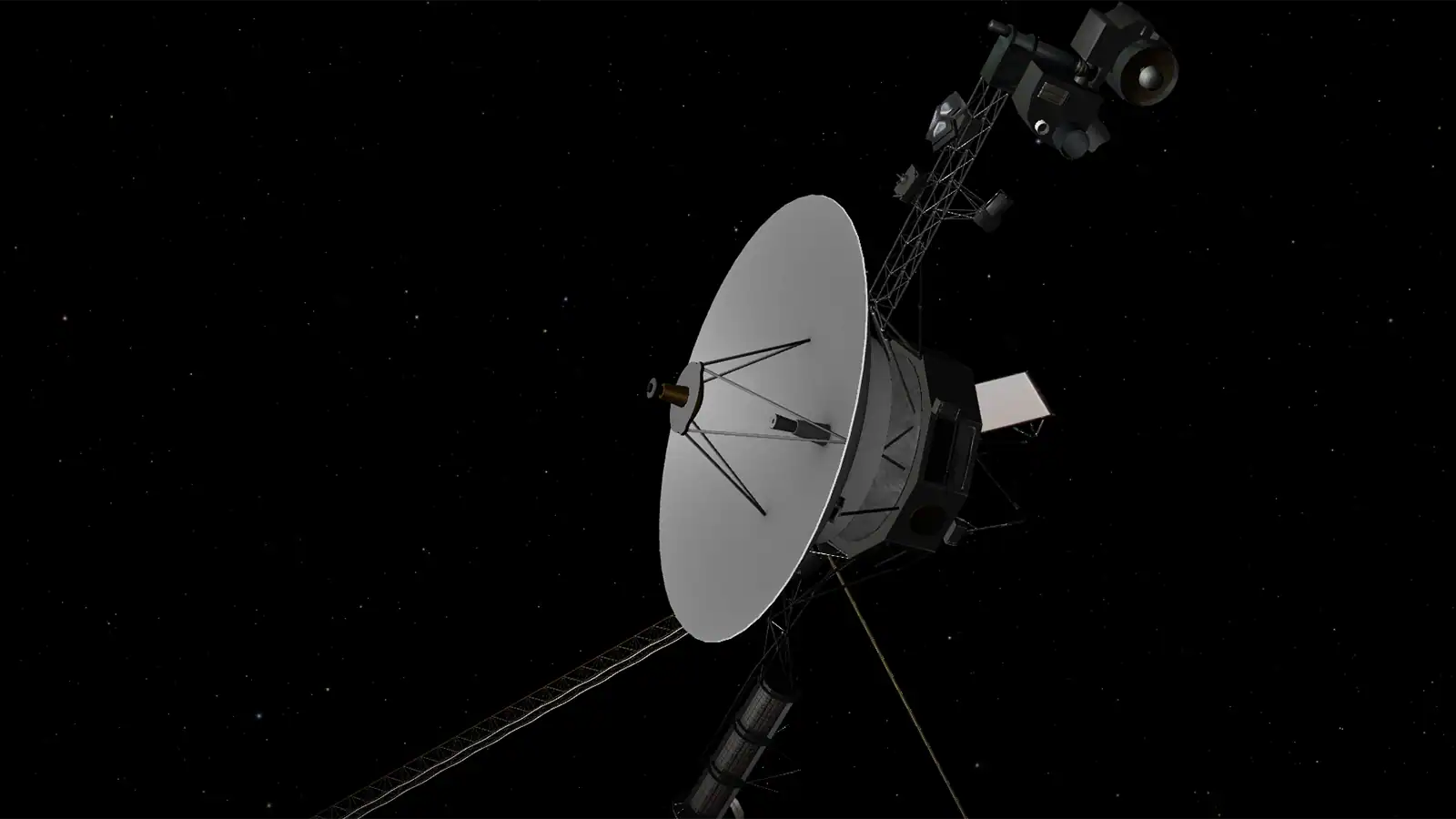
In November 2023, Earth's most distant spacecraft started speaking gibberish. Five months, one dead memory chip, and 30 billion miles of round-trip troubleshooting later, engineers got it talking again - using code written before most of them were born.