


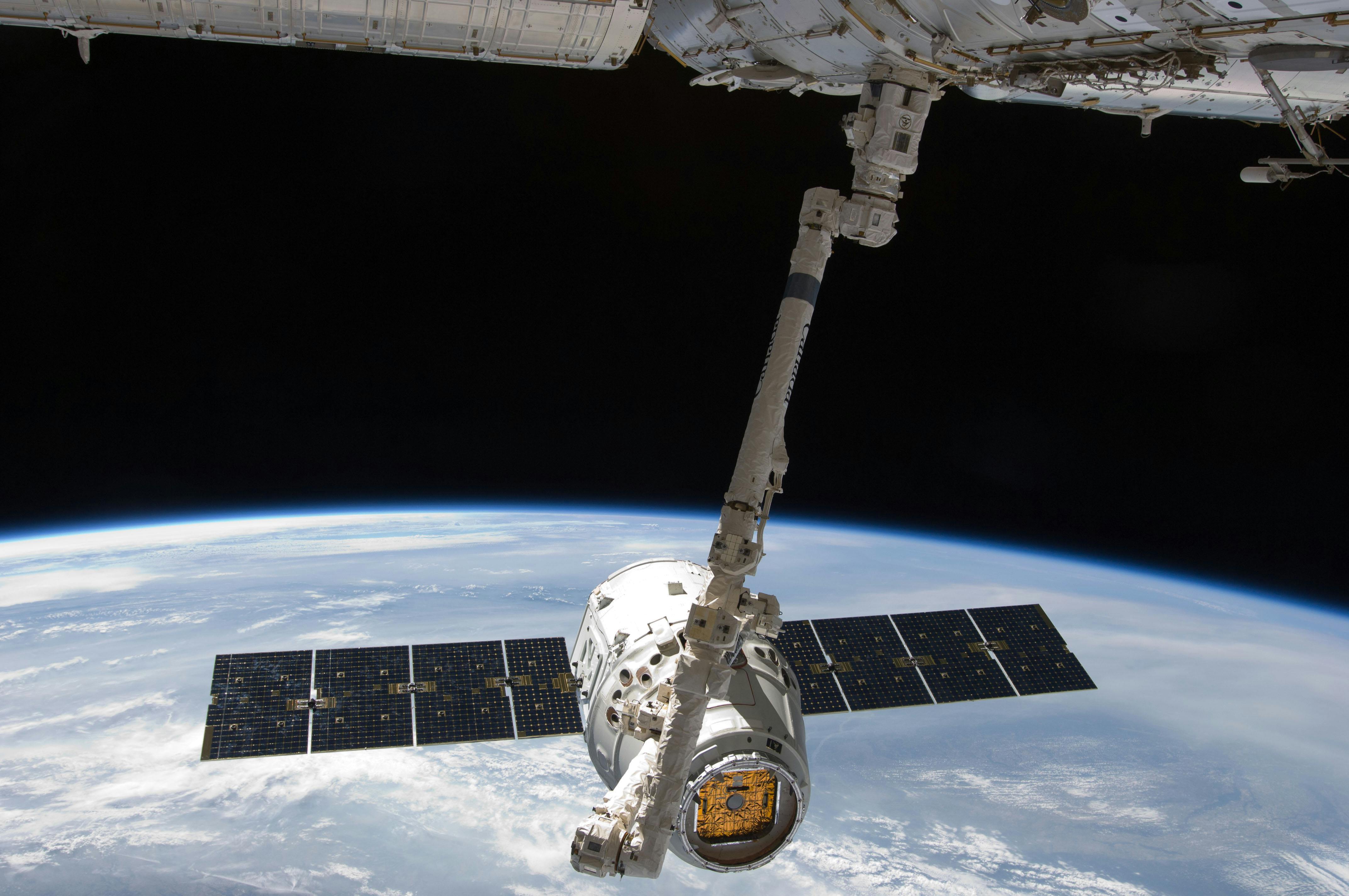
X Report 10 Feb 2025
SpaceX prepares for Starship Flight 8 with successful booster static fire; Starlink continues its expansion.


Launch Date
August 13, 1992
Launch Site
XICLF
Launch Pad
LC2
Launch Vehicle
Chang Zheng 2E
NORAD ID
22089
International Designator
1992-054C
Epoch
Fri, 03 Jul 2026 21:00:28 GMT
Apogee
Calculating...
Perigee
Calculating...
Inclination
22.88°
Right Ascension
203.53°
Eccentricity
Calculating...
Argument of Perigee
347.81°
Period
641.15 min
Mean Motion
2.25 rev/day
Latitude
Calculating...
Longitude
Calculating...
Altitude
Calculating...
Velocity
Calculating...
Name
OPTUS B1 R/B(STAR 63F)
Alternative Name
Star 63F
Type
Status
Owner
HSES
Country
United States
Constellation
N/A
Related Satellites
Major Events
N/A
1 22089U 92054C 26184.87533077 .00000010 00000-0 16561-3 0 9995
2 22089 22.8846 203.5313 7222339 347.8103 1.3750 2.24597626273331
Source: Celestrak
Length
2.7
Diameter
1.6
Span
2.7
Dry Mass
292
Launch Mass
4591
Shape
Cyl + Nozzle
Radar Cross Section
6.537
Visual Magnitude
Unknown
Color
Unknown
Material Composition
Unknown
Payload
Star 63F
Purpose
Unknown
Mission
Unknown
Manufacturer
THKE
Life Expectancy
Unknown
Bus
Star 63
Configuration
Unknown
Motor
Unknown
Equipment
Unknown
Power System
Unknown
ADCS
Unknown
Transmitter Frequency
Unknown
Learn more about satellites and other related topics.
SpaceX prepares for Starship Flight 8 with successful booster static fire; Starlink continues its expansion.
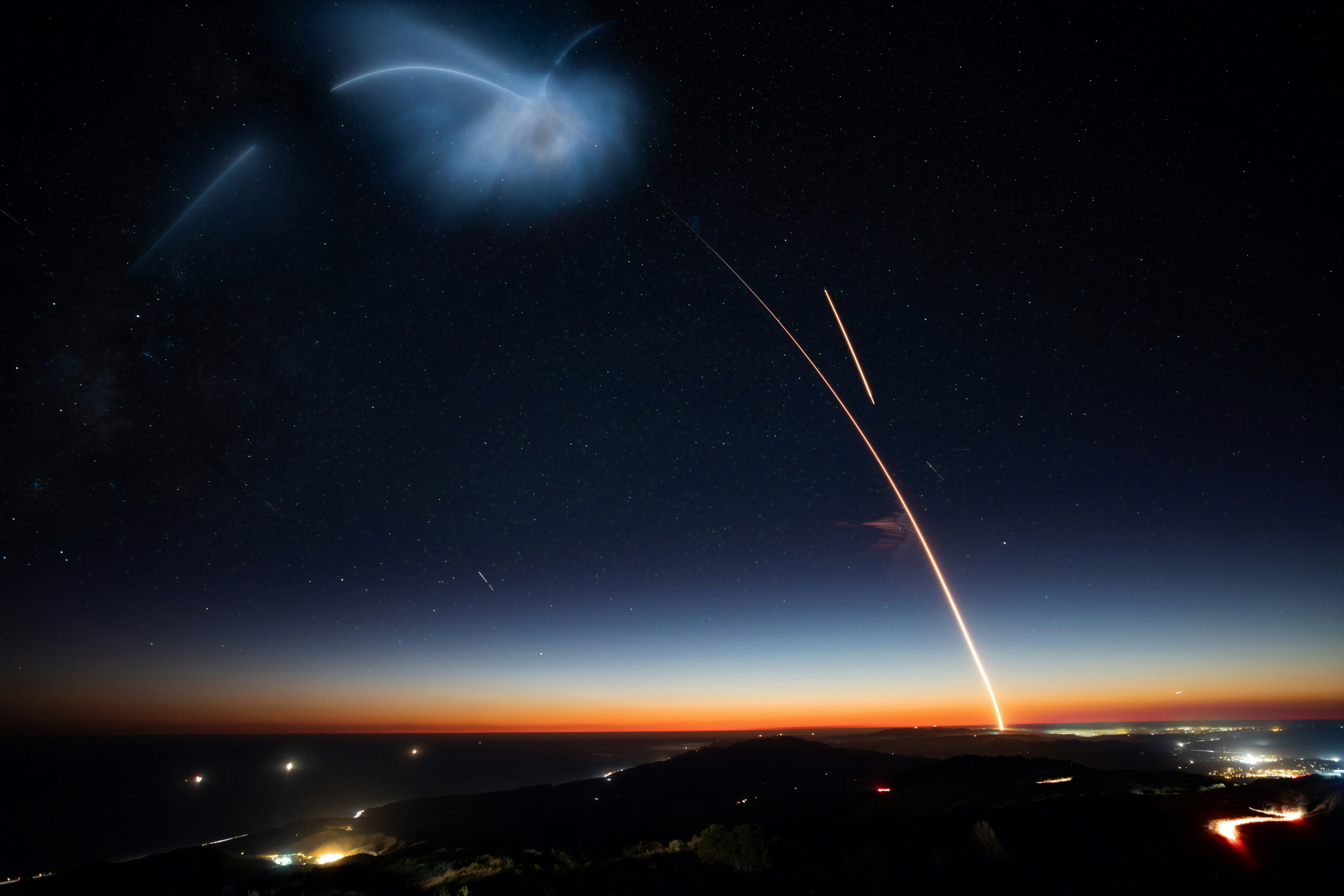
FAA greenlights Flight 8 of SpaceX's Starship while senators examine Air Force nominee's ties to the company.

Today's Space Brief highlights Innospace's upcoming orbital launch, SpaceX's record-setting Starlink mission, China's Thousand Sails constellation, Atomic-6's new space armor, and developments in SpaceX's West Coast facilities.

SpaceX marks a successful launch of 21 Starlink satellites, follows up after Starship explosion, and influences Qantas flights amid a busy operational schedule.
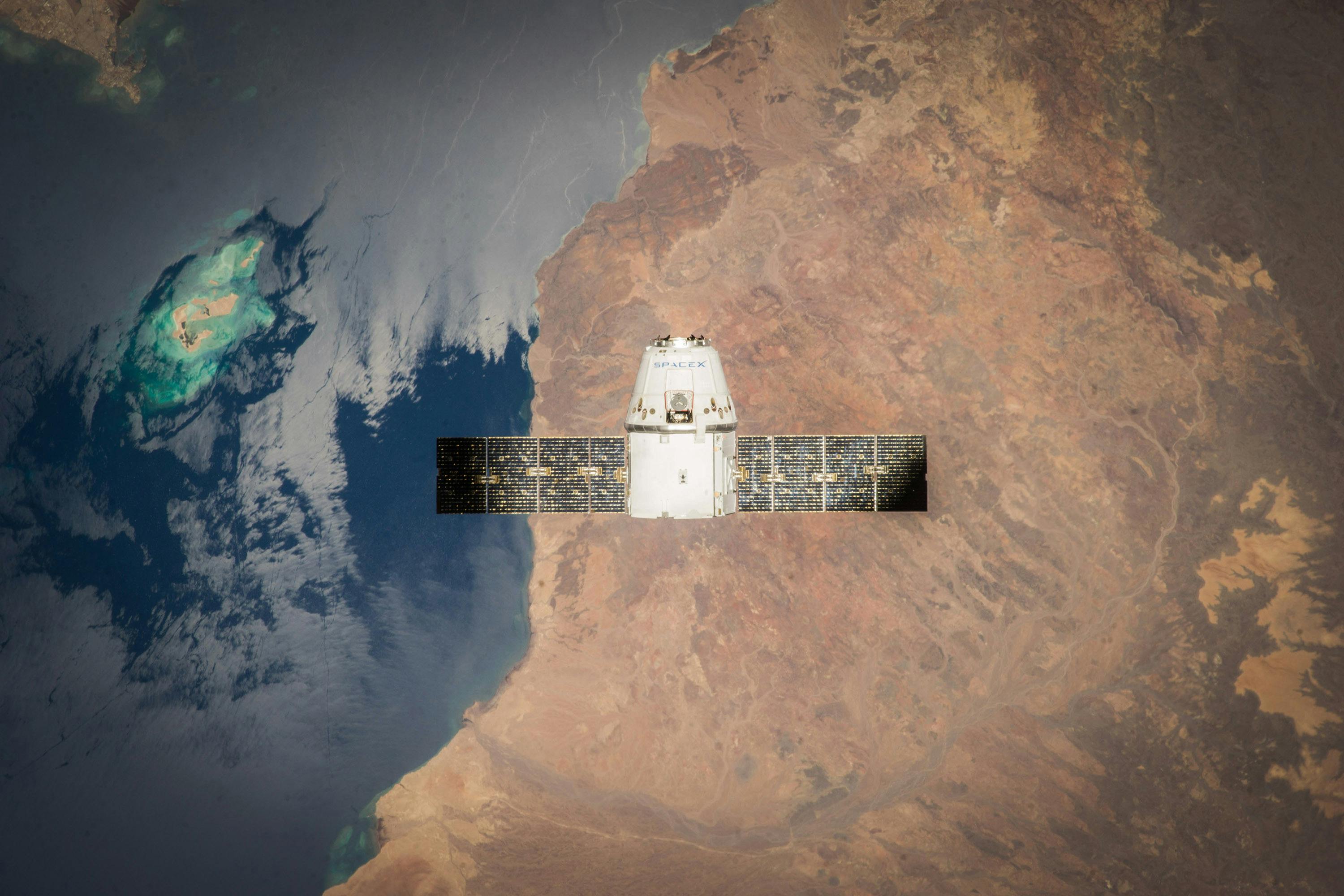
SpaceX advances Starship infrastructure, President Trump considers closing the National Space Council, and 23 new Starlink satellites boost global connectivity.
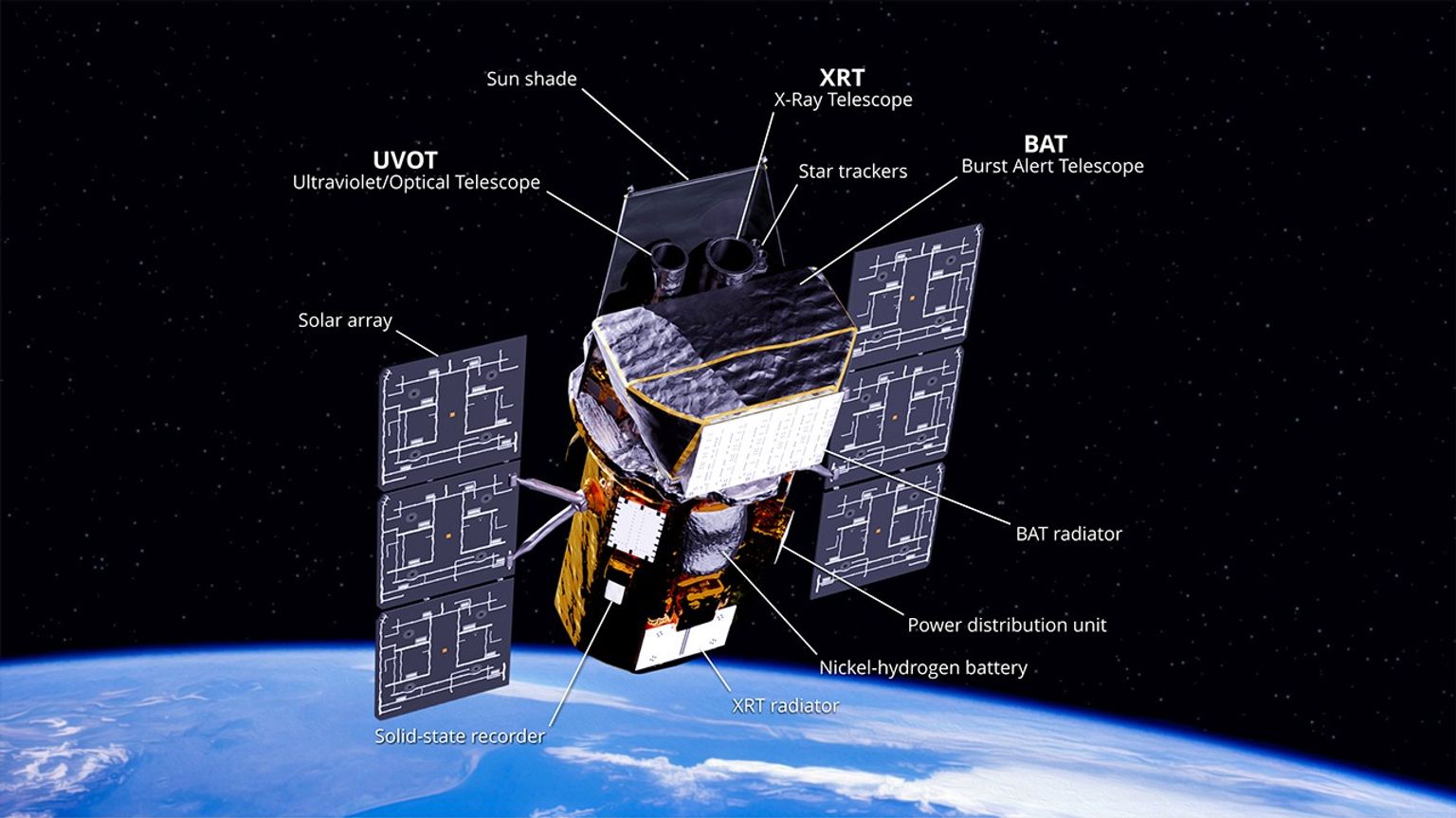
Designed for a two-year mission to catch gamma-ray bursts in the act, Swift is now 21 years old, slowly falling out of the sky, and the subject of an unprecedented private rescue mission. Nobody planned for it to be this hard to let go.
Jonathan's Space Report is a comprehensive resource for space launch and satellite data, compiled by astrophysicist Dr. Jonathan McDowell.
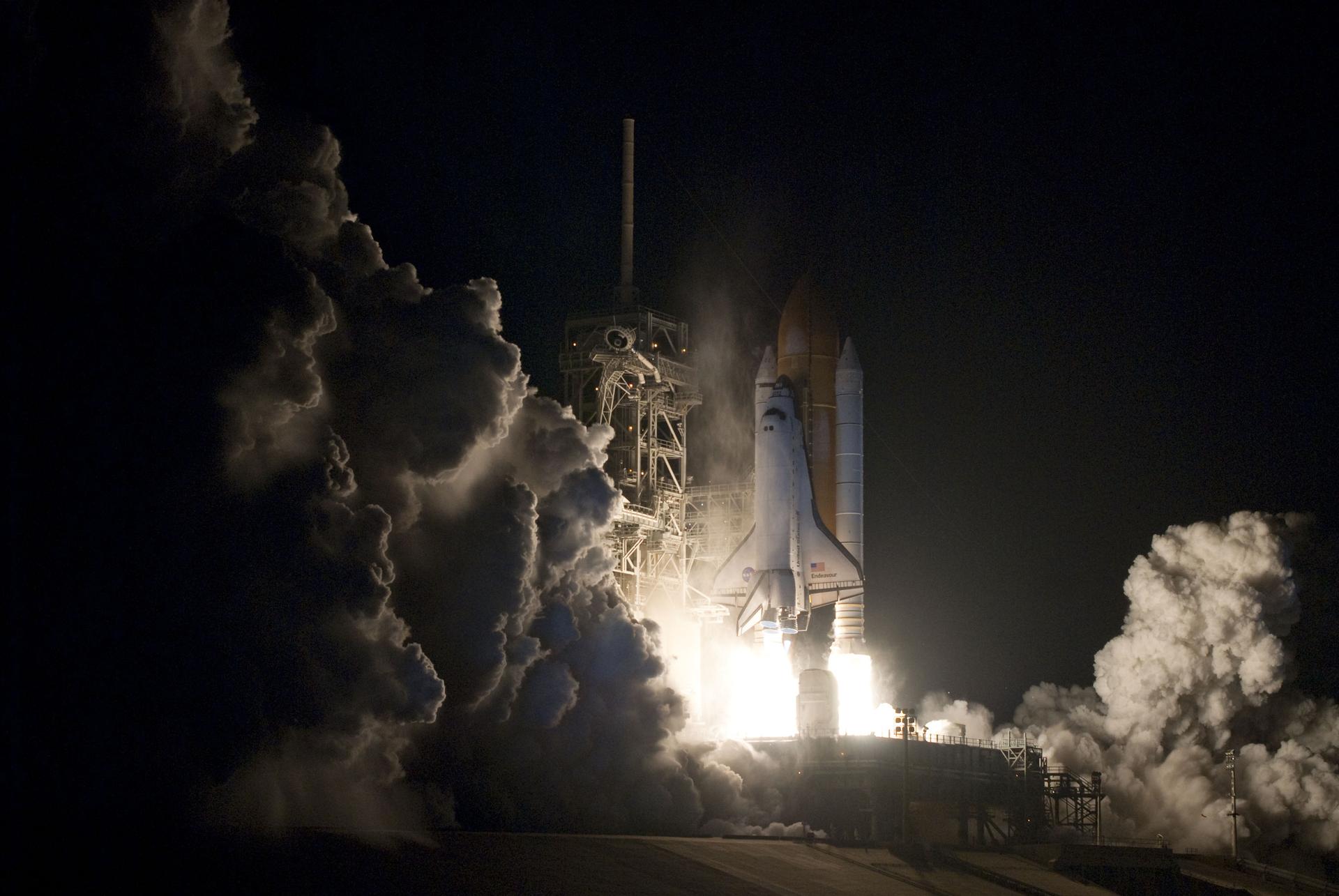
Fifteen years ago, Space Shuttle Endeavour launched on a mission that would give International Space Station astronauts their most spectacular view of Earth through the innovative Cupola observatory