


X Report 24 Nov 2025
SpaceX successfully launches 28 Starlink satellites on a new Falcon 9 rocket from California, marking a significant milestone for their satellite constellation.


Launch Date
August 9, 1992
Launch Site
JSC
Launch Pad
LA2B
Launch Vehicle
Chang Zheng 2D
NORAD ID
22072
International Designator
1992-051A
Decay Date
9/1/1992
Name
FSW-2 1
Alternative Name
Fanhui Shi Weixing (13)
Type
Status
Owner
MAI2
Country
China
Constellation
N/A
Related Satellites
Major Events
N/A
Length
2.5
Diameter
2.2
Span
2.5
Dry Mass
1540
Launch Mass
1540
Shape
Cyl
Radar Cross Section
10.7
Visual Magnitude
Unknown
Color
Unknown
Material Composition
Unknown
Payload
Jianbing-1B No. 1
Purpose
Reconnaissance, Earth observation
Mission
Reconnaissance, Earth observation
Manufacturer
CAST
Life Expectancy
16 days
Bus
FSW-2
Configuration
Unknown
Motor
FG-23A retro motor
Equipment
Unknown
Power System
Batteries
ADCS
Unknown
Transmitter Frequency
Unknown
Learn more about satellites and other related topics.
SpaceX successfully launches 28 Starlink satellites on a new Falcon 9 rocket from California, marking a significant milestone for their satellite constellation.

SpaceX secured a $60B option to acquire Cursor AI while launching its 40th Falcon 9 mission of 2026, deploying 24 more Starlink satellites from Vandenberg.
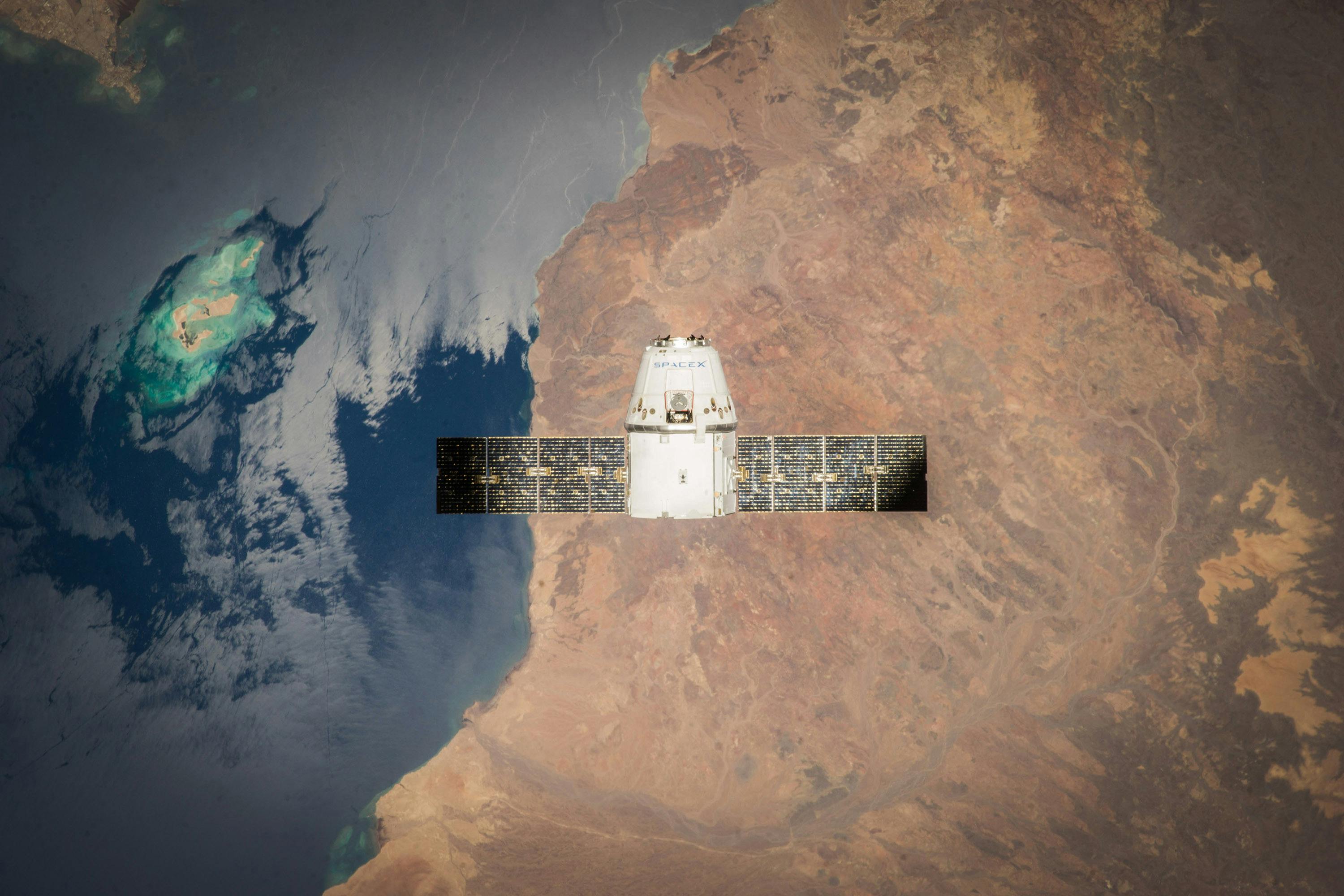
SpaceX readies Starlink 17-20 launch of 25 satellites to polar orbit from Vandenberg pad 4E — seventh Starlink mission of the year. 11,009 total Starlink satellites launched to date.
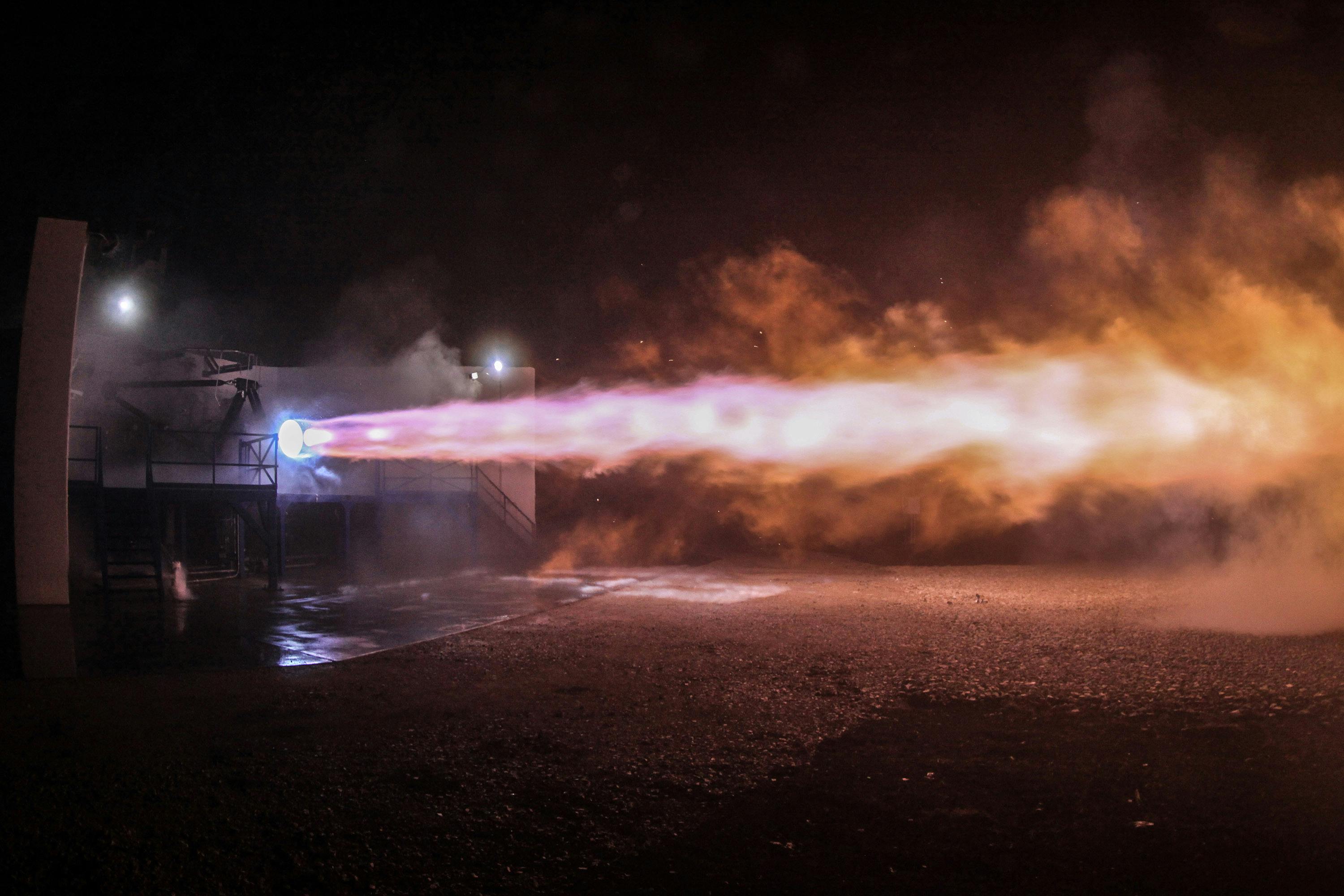
Canada reconsiders Starlink contract amidst US tariff delays, and new concerns arise over falling space debris.
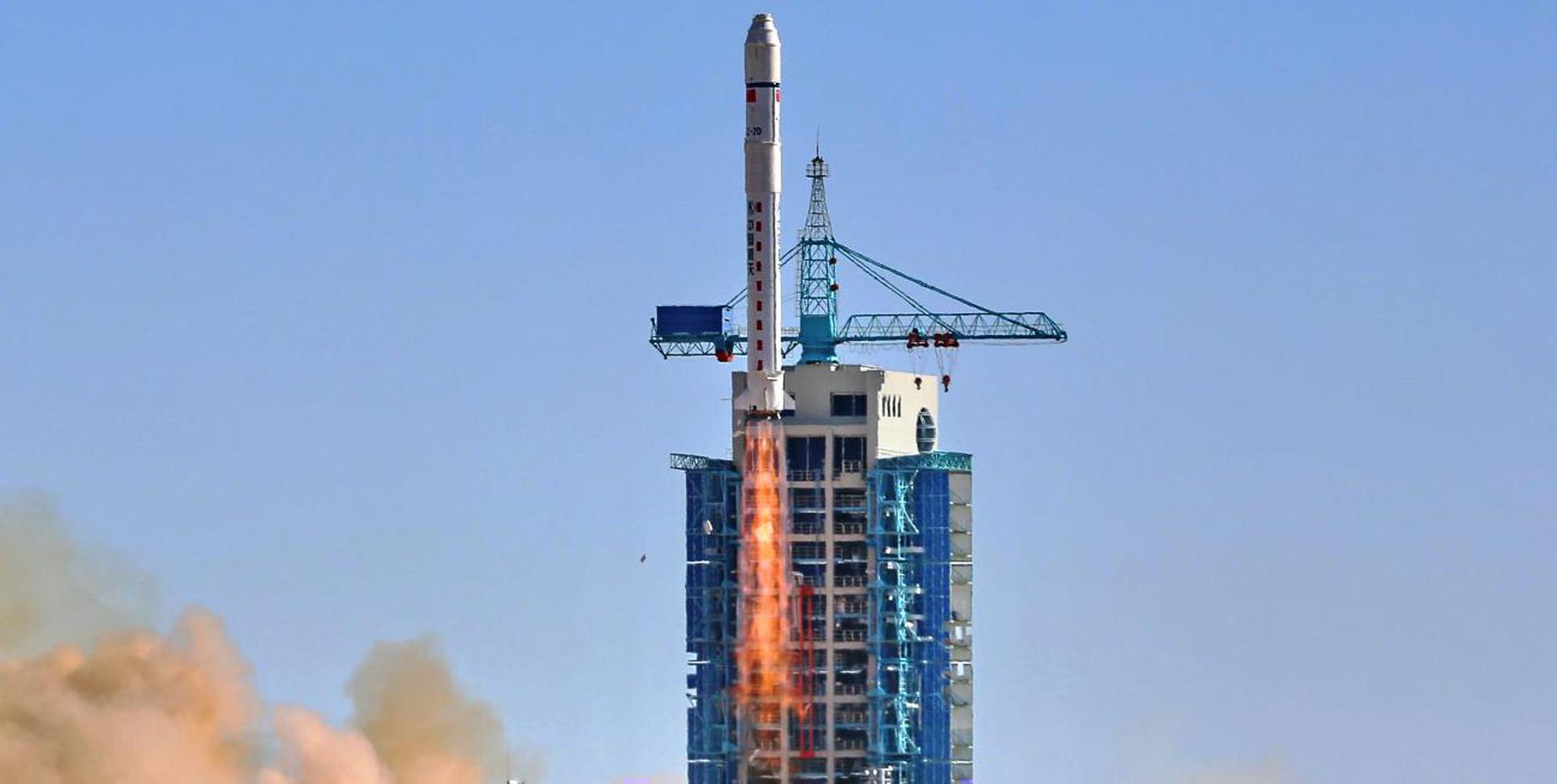
Blue Origin's fourth New Glenn rocket exploded during static fire at LC-36, Cape Canaveral, destroying the fully stacked vehicle and pad infrastructure. Amazon Leo launch postponed indefinitely.
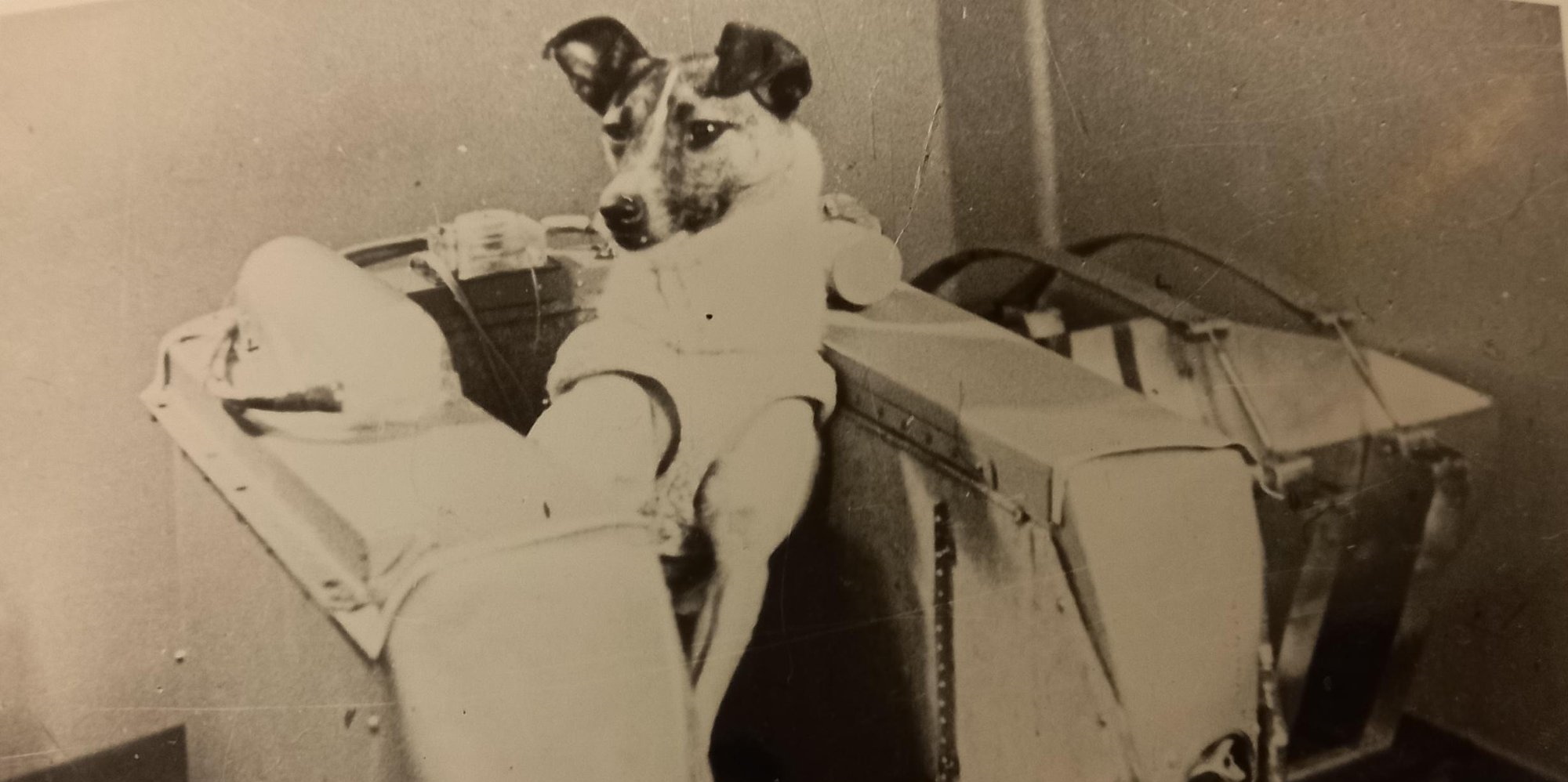
On April 14, 1958, Sputnik 2 burned up over the North Atlantic, carrying the remains of a stray dog from Moscow who had been dead for five months. The Soviet Union told the world she survived for days. It took forty-five years for the truth to come out.

Space Force projects 25 additional high-energy missions in 2027–2029 window, straining capacity at Vulcan and Falcon Heavy. Capacity constraints will drive military-NASA prioritization debates.

Today's highlights include strategic shifts in the defense sector, innovations in solar technology for space, and developments in satellite-related military projects.