


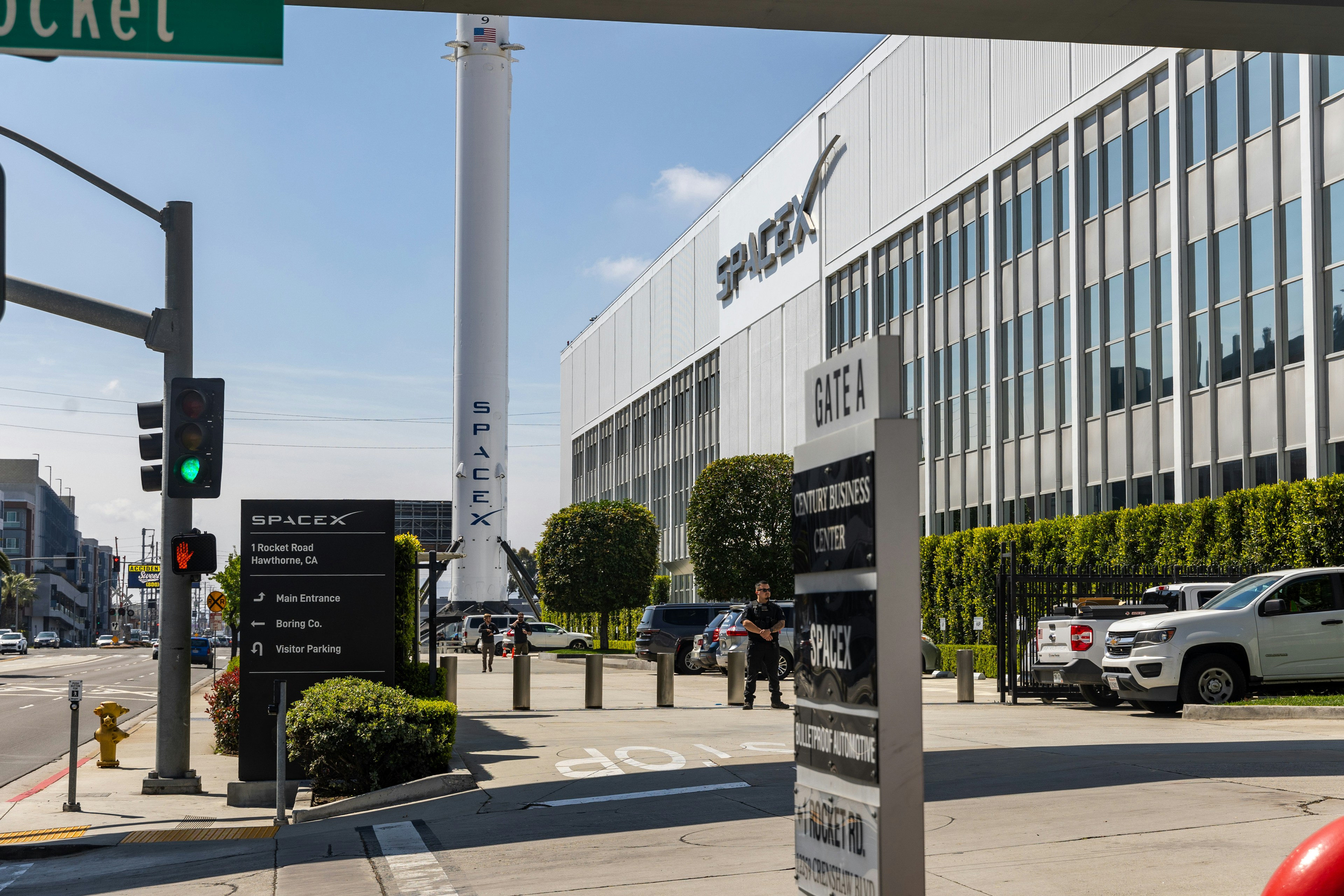
X Report 14 Jan 2025
SpaceX sets a new reusability record and continues its busy launch schedule with multiple Starlink missions.


Launch Date
July 13, 1992
Launch Site
PLMSC
Launch Pad
LC32/1
Launch Vehicle
Tsiklon-3
NORAD ID
22037
International Designator
1992-042D
Epoch
Sat, 04 Jul 2026 02:13:57 GMT
Apogee
Calculating...
Perigee
Calculating...
Inclination
82.59°
Right Ascension
224.76°
Eccentricity
Calculating...
Argument of Perigee
269.49°
Period
113.98 min
Mean Motion
12.63 rev/day
Latitude
Calculating...
Longitude
Calculating...
Altitude
Calculating...
Velocity
Calculating...
Name
COSMOS 2200
Alternative Name
Kosmos-2200
Type
Status
Owner
VVSR
Country
Russia
Constellation
N/A
Related Satellites
Major Events
N/A
1 22037U 92042D 26185.09302931 .00000006 00000-0 -27140-4 0 9995
2 22037 82.5858 224.7579 0006743 269.4927 118.5605 12.63327627566346
Source: Celestrak
Length
1.6
Diameter
0.8
Span
7
Dry Mass
225
Launch Mass
225
Shape
Cyl + Ant
Radar Cross Section
1.0302
Visual Magnitude
Unknown
Color
Unknown
Material Composition
Unknown
Payload
Strela-3
Purpose
Military Communication
Mission
Military Communication
Manufacturer
NPOPM
Life Expectancy
Unknown
Bus
Strela-3
Configuration
Unknown
Motor
Unknown
Equipment
Unknown
Power System
Solar cells, batteries
ADCS
Unknown
Transmitter Frequency
Unknown
Learn more about satellites and other related topics.
SpaceX sets a new reusability record and continues its busy launch schedule with multiple Starlink missions.

Japan's H3 rocket successfully launched June 11, deploying 6 smallsats to orbit after December failure. First return-to-flight for JAXA's flagship heavy-lift vehicle.
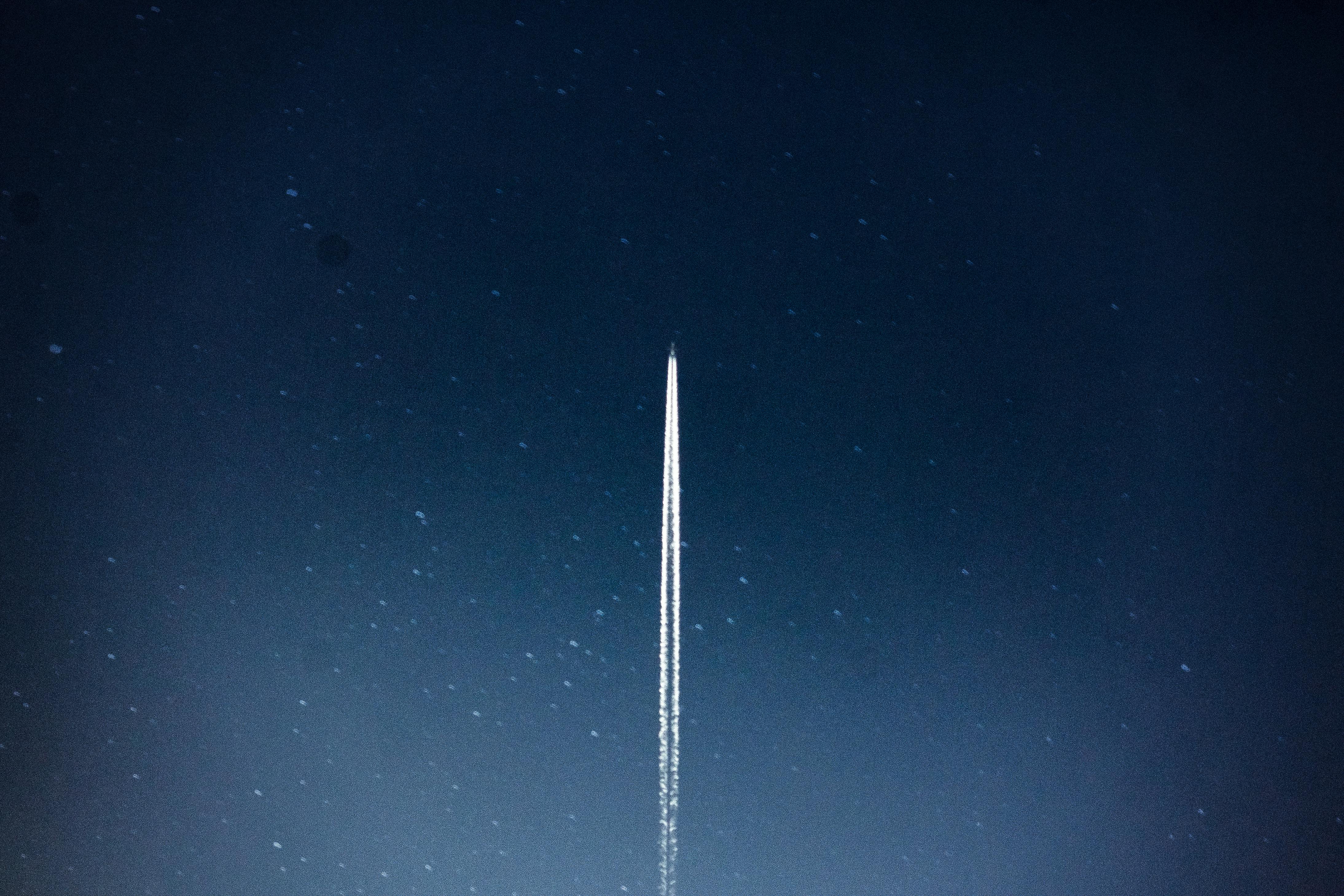
Key updates include the impending Falcon 9 launch for Transporter-14, insights on Starship's explosion, and a last-minute abort of the Starlink 10-23 mission.

Space Force urgently rebuilds contracting workforce after civilian reductions. Pentagon defense strategy shifts focus to homeland defense. Tom Ainsworth named top Air Force space acquisition officer.
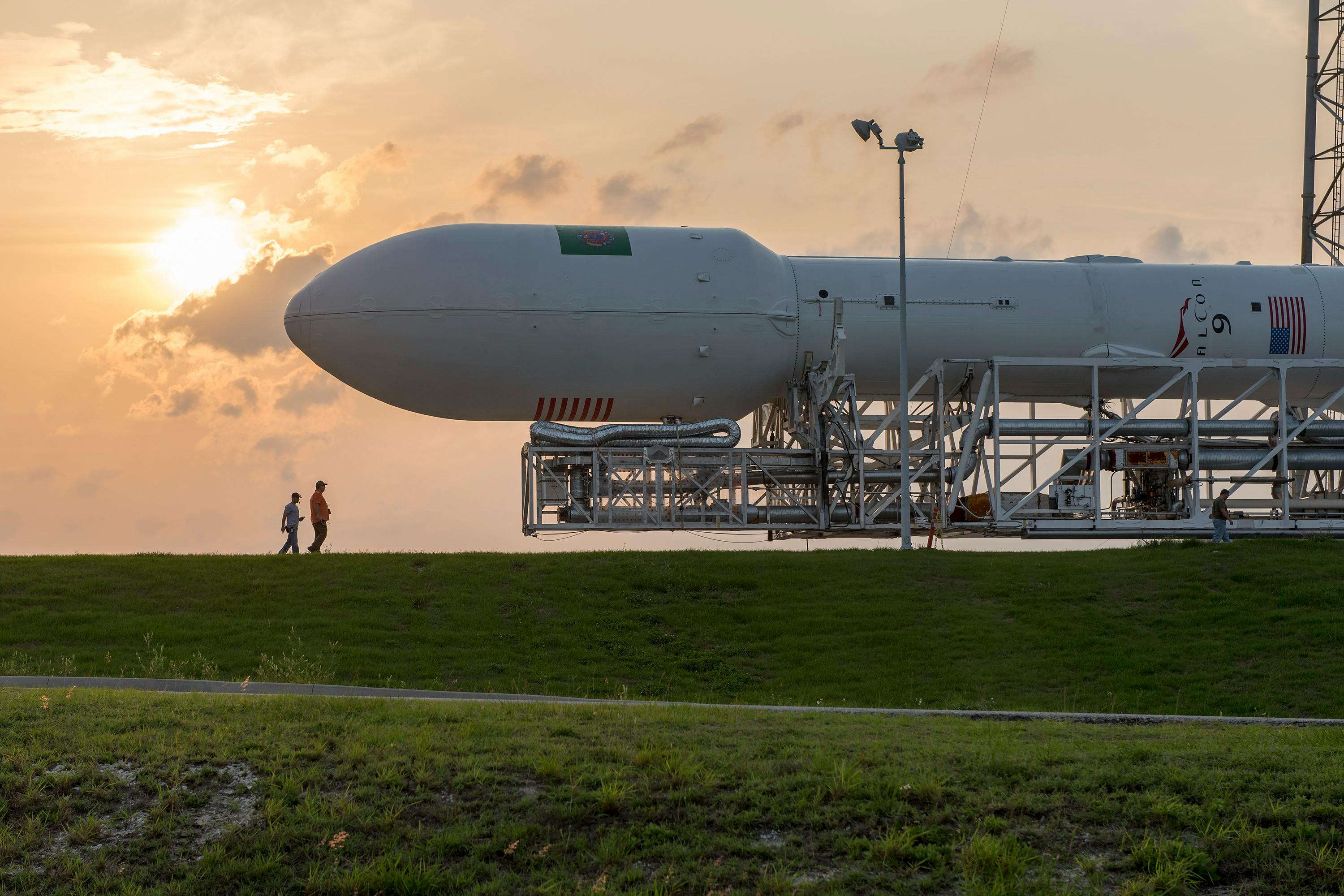
SpaceX's Falcon 9 delivered Northrop Grumman's second Cygnus XL — carrying over 5 tons of cargo — to the ISS on April 11, 2026.
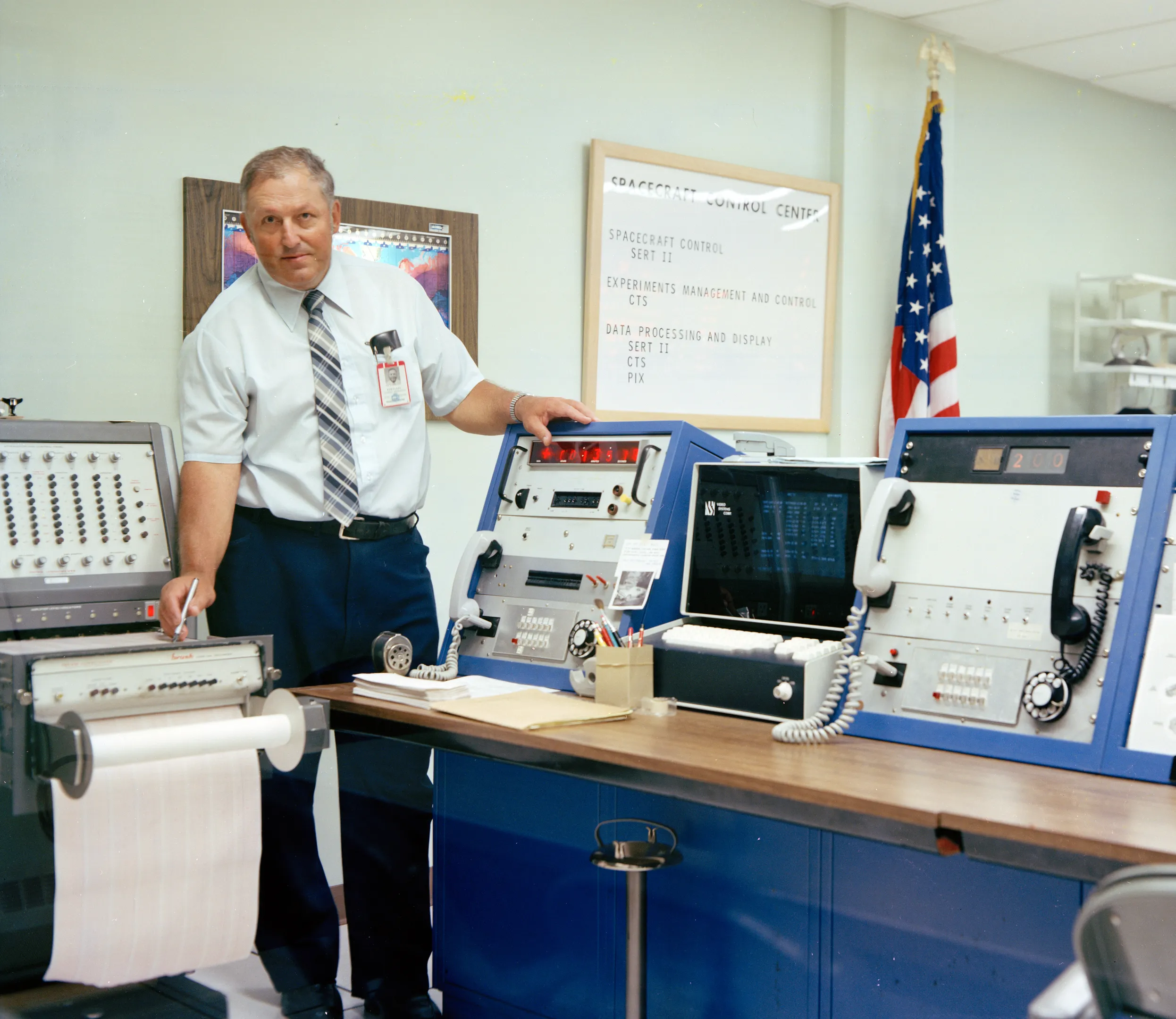
Fifty-five years ago, a revolutionary spacecraft launched from California carrying technology that would transform how we explore the solar system
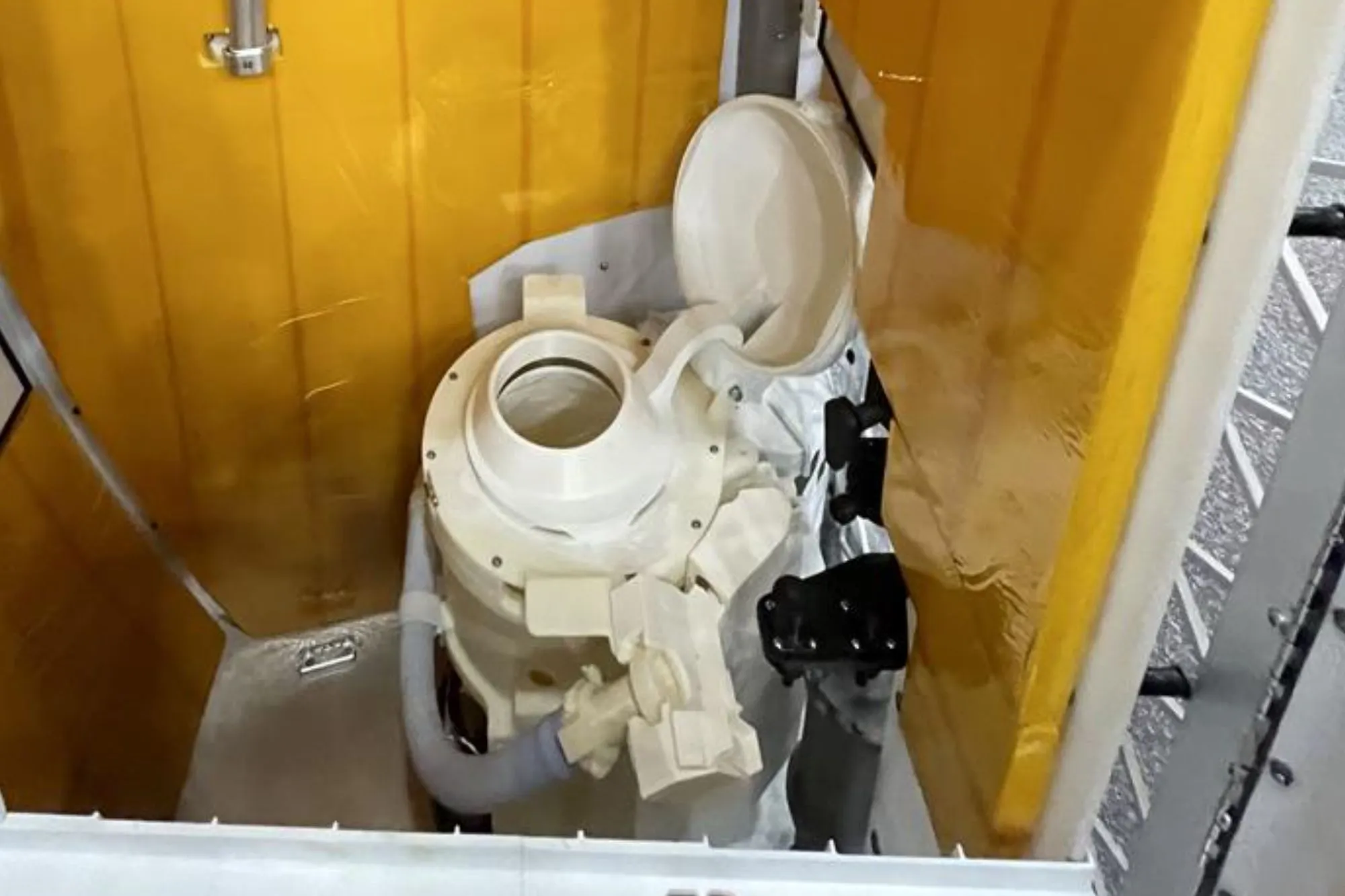
Sixty years of space toilet engineering, a decade of development, and a $30 million contract - and the Artemis II crew still had to pee in bags on Day 1.
ULA launches the final Atlas 5 551 configuration—its heaviest variant with 5 solid boosters—carrying Amazon's Project Kuiper satellite to low Earth orbit from Cape Canaveral.