


X Report 25 Sep 2025
SpaceX continues to make strides with multiple launches, including 28 Starlink satellites and NASA's IMAP mission, highlighting its ongoing role in advancing space weather research.


Launch Date
July 13, 1992
Launch Site
PLMSC
Launch Pad
LC32/1
Launch Vehicle
Tsiklon-3
NORAD ID
22036
International Designator
1992-042C
Epoch
Sat, 04 Jul 2026 05:23:43 GMT
Apogee
Calculating...
Perigee
Calculating...
Inclination
82.60°
Right Ascension
269.78°
Eccentricity
Calculating...
Argument of Perigee
297.29°
Period
114.19 min
Mean Motion
12.61 rev/day
Latitude
Calculating...
Longitude
Calculating...
Altitude
Calculating...
Velocity
Calculating...
Name
COSMOS 2199
Alternative Name
Kosmos-2199
Type
Status
Owner
VVSR
Country
Russia
Constellation
N/A
Related Satellites
Major Events
N/A
1 22036U 92042C 26185.22481125 .00000030 00000-0 11136-3 0 9995
2 22036 82.5992 269.7753 0010315 297.2879 90.6986 12.61052552563385
Source: Celestrak
Length
1.6
Diameter
0.8
Span
7
Dry Mass
225
Launch Mass
225
Shape
Cyl + Ant
Radar Cross Section
1.05
Visual Magnitude
Unknown
Color
Unknown
Material Composition
Unknown
Payload
Strela-3
Purpose
Communication, Store-Dump
Mission
Communication, Store-Dump
Manufacturer
NPOPM
Life Expectancy
1.5 years
Bus
Strela-3
Configuration
Unknown
Motor
Unknown
Equipment
Unknown
Power System
Solar cells, batteries
ADCS
Unknown
Transmitter Frequency
Unknown
Learn more about satellites and other related topics.
SpaceX continues to make strides with multiple launches, including 28 Starlink satellites and NASA's IMAP mission, highlighting its ongoing role in advancing space weather research.

Space debris poses a mounting threat to both satellites and space missions. As we send more objects into orbit, the likelihood of collisions and subsequent breakups producing dangerous space debris increases. Recognizing the major events that have generated this dangerous space junk is pivotal in ensuring the safety of future space missions.

Today's highlights include Rocket Lab's record year, setbacks in Japanese space endeavors, secure communication advancements in orbit, and more updates on martian expeditions.

Today's brief covers Millennium's milestone in missile defense, new satellite jammer for Space Force, budget increases for defense, delays in MEO satellite contracts, and potential impacts of Trump's latest order on Pentagon programs.

Boeing opens new facility to boost missile-tracking sensor production for military satellites. Tory Bruno joins Blue Origin for national security projects. 25 Starlink sats launched.
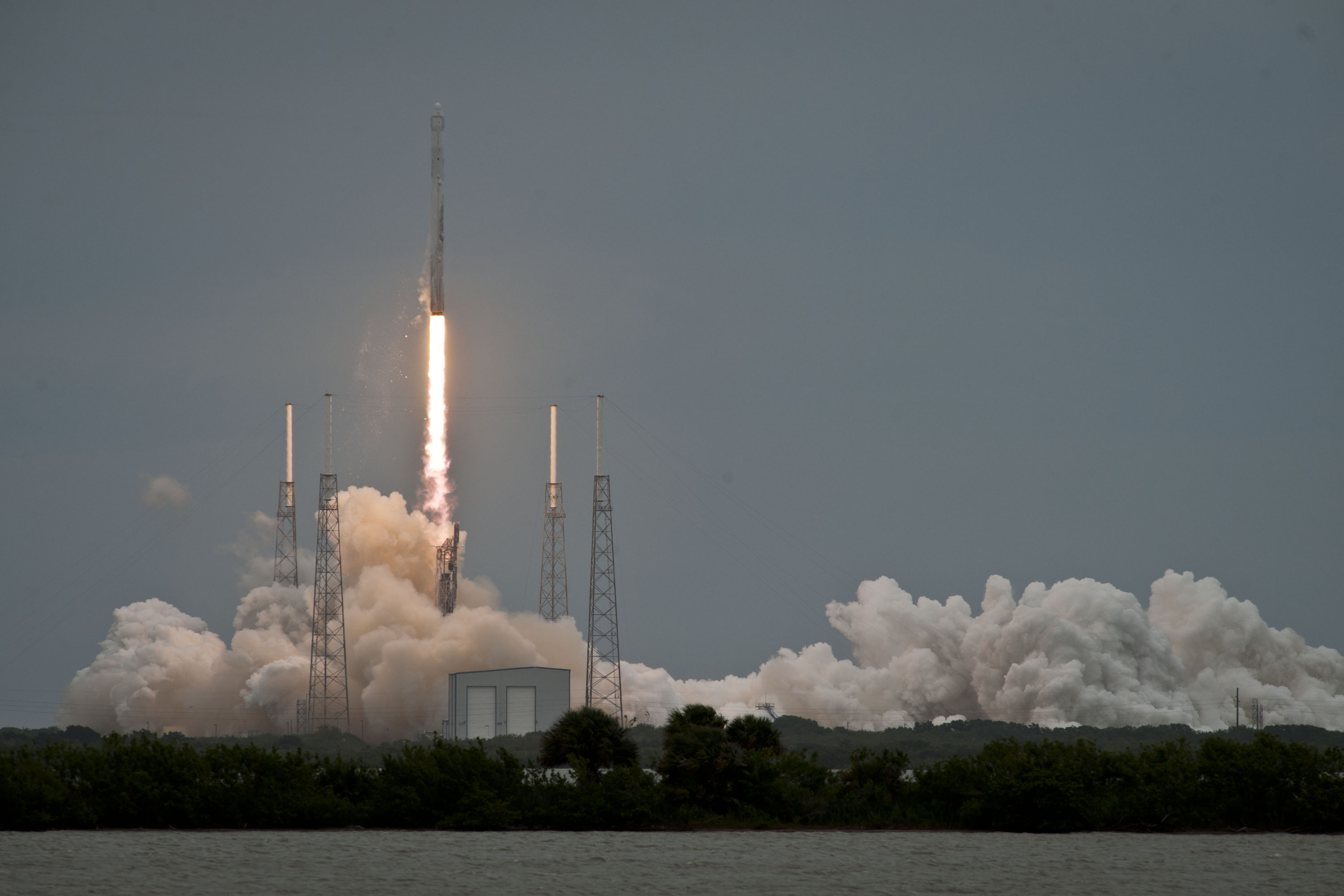
On April 18, 2014, a Falcon 9 first stage did something no orbital rocket had ever done before. It fired its engines on the way down, steered itself through the atmosphere using grid fins that did not yet exist, and touched the Atlantic Ocean softly enough to survive the impact. Nobody recovered it. The data was the whole point.

Today's updates cover Vantor's satellites overcoming tracking challenges, a startup's ambitious missile defense test, and more pivotal space events.

Space Force modernization stalls over workforce gaps. Deutsche Telekom targets 2028 for Starlink Mobile V2 across 10 EU nations. Iran ops strain US munition stocks.