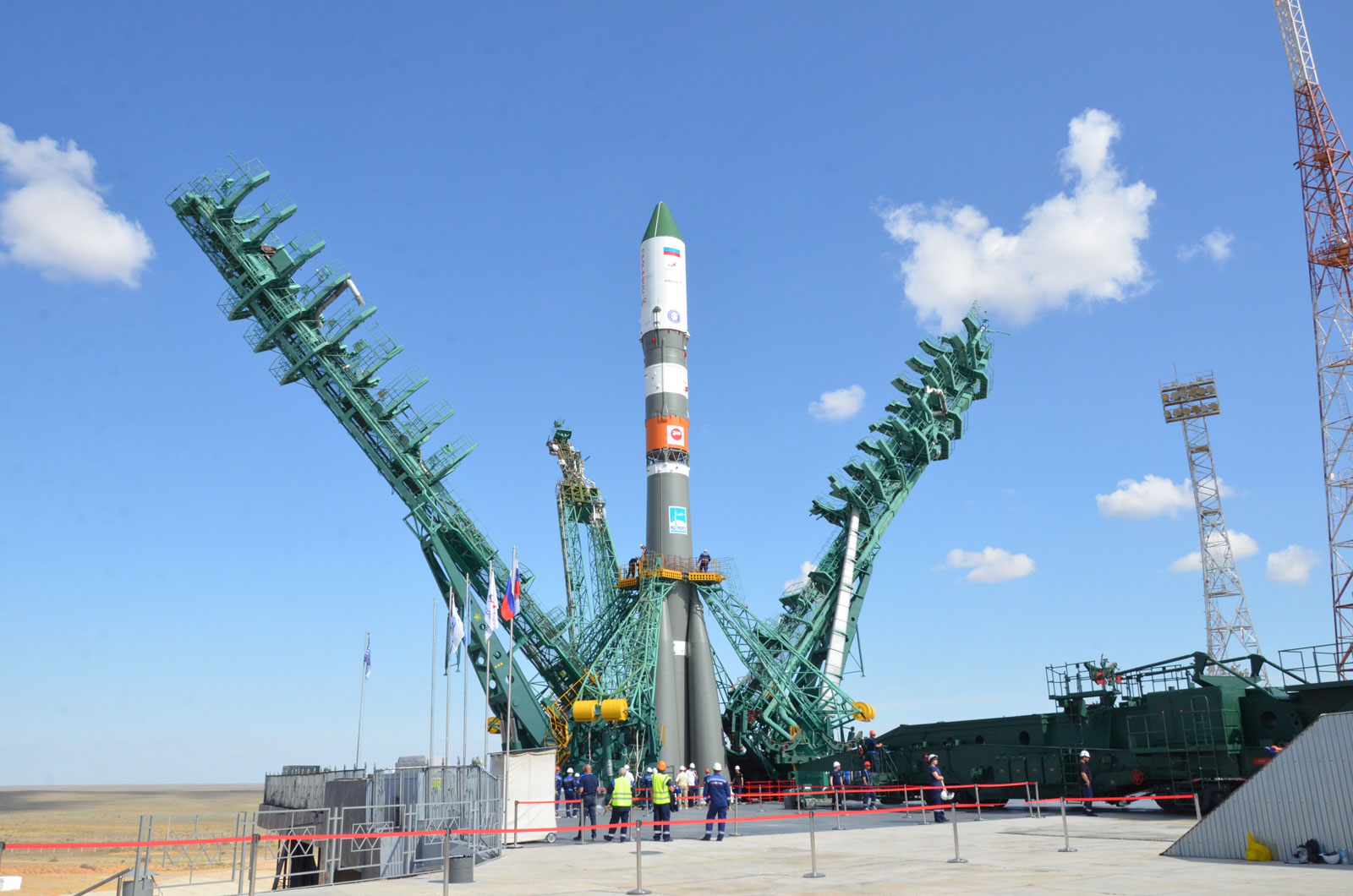
DELTA 2 R/B(2) [PAM-D] (22016)

COSPAR: 1992-039C | Alt Name: Delta 211 Stage 3
DECAYED

Image
DELTA 2 R/B(2) [PAM-D] Satellite Image
Additional Sources
Launch Details

Launch Date

July 7, 1992

Launch Pad

LC17B

Launch Vehicle

Delta 7925

Orbital Elements

NORAD ID

22016

International Designator

1992-039C

Decay Date

11/23/1999

Basic Satellite Info

Name

DELTA 2 R/B(2) [PAM-D]

Alternative Name

Delta 211 Stage 3

Type

Rocket Body

Status

Space Junk

Owner

MDAC

Country

United States

Constellation

N/A

Related Satellites

Major Events

N/A

Summary
A rocket body, also commonly referred to as an upper stage or spent rocket stage, is the structural shell left behind after a rocket has delivered its payload to orbit. These large and often heavy pieces of space hardware can remain in orbit for years, posing significant collision hazards as part of the growing space debris problem. If left uncontrolled, rocket bodies have the potential to reenter Earth's atmosphere unpredictably, which can lead to falling debris in populated areas. Additionally, they risk colliding with operational satellites or the International Space Station, creating more debris and putting human life at risk.
Physical Characteristics

Length

2.3

Diameter

1.1

Span

2.3

Dry Mass

132

Launch Mass

2141

Shape

Sphere + Cone

Radar Cross Section

3.4076

Visual Magnitude

Unknown

Color

Unknown

Material Composition

Unknown

Technical Details

Payload

Star 48B S/N 10069-18

Purpose

Unknown

Mission

Unknown

Manufacturer

THKE

Life Expectancy

Unknown

Bus

Star 48

Configuration

Unknown

Motor

Unknown

Equipment

Unknown

Power System

Unknown

ADCS

Unknown

Transmitter Frequency

Unknown

Satellite Articles

View All Posts »

Learn more about satellites and other related topics.

Space Brief 23 Aug 2024

Space Brief 23 Aug 2024

Sentinel-2C sealed in Vega rocket fairing, ULA sale tidbit, Polaris Dawn mission updates, Norway's Andøya Spaceport ready for action, Harris commits to space leadership, NASA's latest smallsat launch partners, new members join NASA composite initiative, Mynaric's manufacturing hiccups, Rocket Factory Augsburg's turbopump snag, and Amazon boosts satellite deployment infrastructure.
SpaceX Preps Seventh Starlink Launch of 2026 With 25 Satellites | KeepTrack X Report

SpaceX Preps Seventh Starlink Launch of 2026 With 25 Satellites | KeepTrack X Report

SpaceX readies Starlink 17-20 launch of 25 satellites to polar orbit from Vandenberg pad 4E — seventh Starlink mission of the year. 11,009 total Starlink satellites launched to date.

Starship V3 Debuts on Flight 12 May 20 | KeepTrack X Report

Starship V3 Debuts on Flight 12 May 20 | KeepTrack X Report

SpaceX's first Starship V3 launches May 20 on Flight 12, as Starlink's 10,354 active sats force a historic carrier alliance.

Optical Intersatellite Link (OISL)

The laser-based crosslinks that turn Starlink into a mesh, anchor the SDA Transport Layer, and just made their GPS debut on GPS III SV10 - quietly rewriting how data moves through space.

Space Brief 1 May 2025

Space Brief 1 May 2025

Today's space brief covers NASA's shift to private companies for astronaut rescue, EU's potential collaboration with SES for satellite services, and notable military contract allocations. Plus, a satellite spotlight on LEMUR-2-KADI.

Northrop Grumman Books $71M Charge on Vulcan Booster Anomaly | KeepTrack Space Brief

Northrop Grumman Books $71M Charge on Vulcan Booster Anomaly | KeepTrack Space Brief

Northrop Grumman takes $71M charge over Vulcan solid rocket booster anomaly, grounding ULA's vehicle. Vulcan manifest timelines now in holding pattern pending resolution.

X Report 17 Sep 2025

X Report 17 Sep 2025

Today’s highlights include successful Falcon 9 launch for MECANO ID, ongoing Starship Block 3 development, and plans for direct-to-device testing next year.

GAO Warns Space Force Satellite Costs Rising, Workforce Cuts Add Risk | KeepTrack Space Brief

GAO Warns Space Force Satellite Costs Rising, Workforce Cuts Add Risk | KeepTrack Space Brief

GAO flags growing cost problems across Space Force satellite portfolio with workforce reductions compounding risks to missile-warning constellations like NGG and SWAT.