

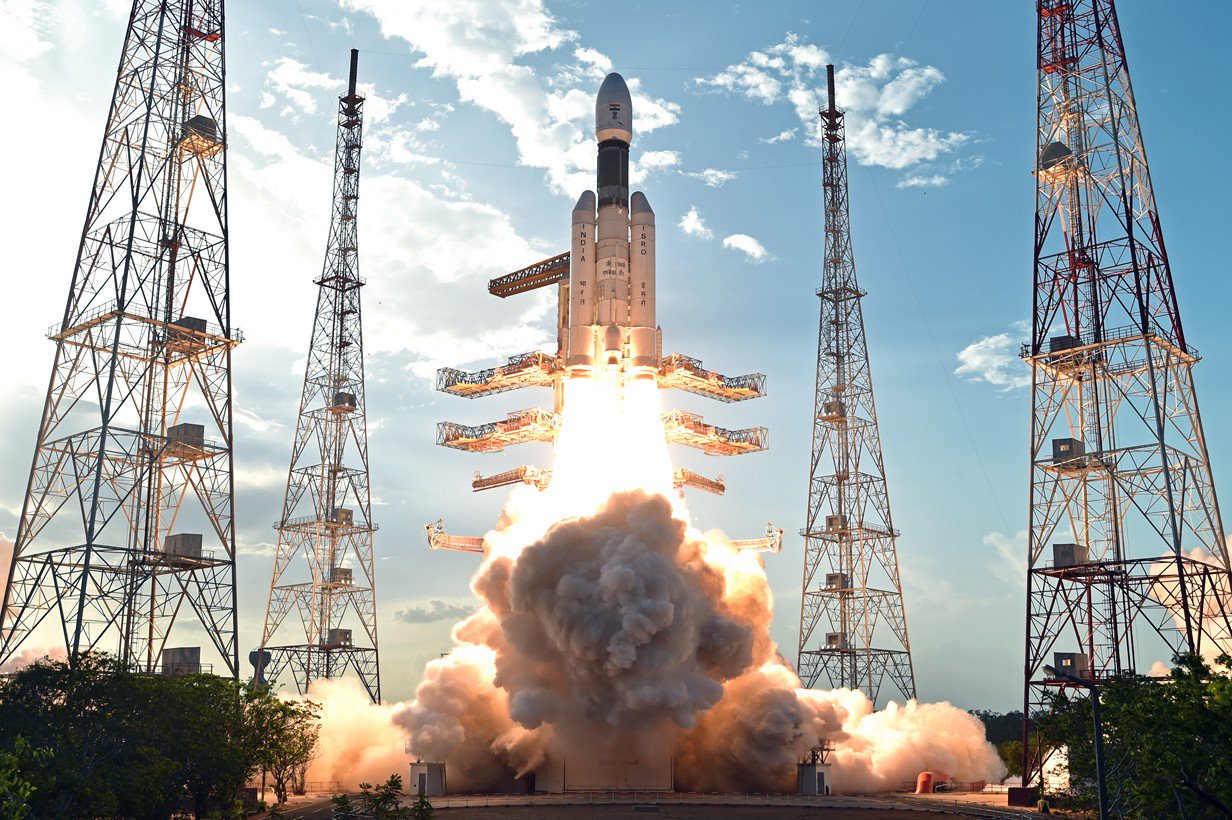
Space Brief 25 Oct 2025
Today's brief covers significant growth forecasts for global defense satellite communications, the integration of hypersonic missiles, cyber authority expansion in the Army, and more pivotal military developments.


Launch Date
April 8, 1992
Launch Site
Launch Pad
LC31
Launch Vehicle
Soyuz-U
NORAD ID
21928
International Designator
1992-018A
Decay Date
2/16/1993
Name
COSMOS 2183
Alternative Name
Kosmos-2183
Type
Status
Owner
VVS
Country
Russia
Constellation
N/A
Related Satellites
Major Events
N/A
Length
8
Diameter
2.7
Span
8.5
Dry Mass
3790
Launch Mass
3790
Shape
Cyl + 2 Pan
Radar Cross Section
21.9125
Visual Magnitude
Unknown
Color
Unknown
Material Composition
Unknown
Payload
Neman No. 8L
Purpose
Reconnaissance, photo (data transmitting)
Mission
Reconnaissance, photo (data transmitting)
Manufacturer
TSSKB
Life Expectancy
10 months
Bus
Yantar'-4KS1
Configuration
Yantar Bus
Motor
Unknown
Equipment
Unknown
Power System
2 deployable solar arrays, batteries
ADCS
Unknown
Transmitter Frequency
Unknown
Learn more about satellites and other related topics.
Today's brief covers significant growth forecasts for global defense satellite communications, the integration of hypersonic missiles, cyber authority expansion in the Army, and more pivotal military developments.
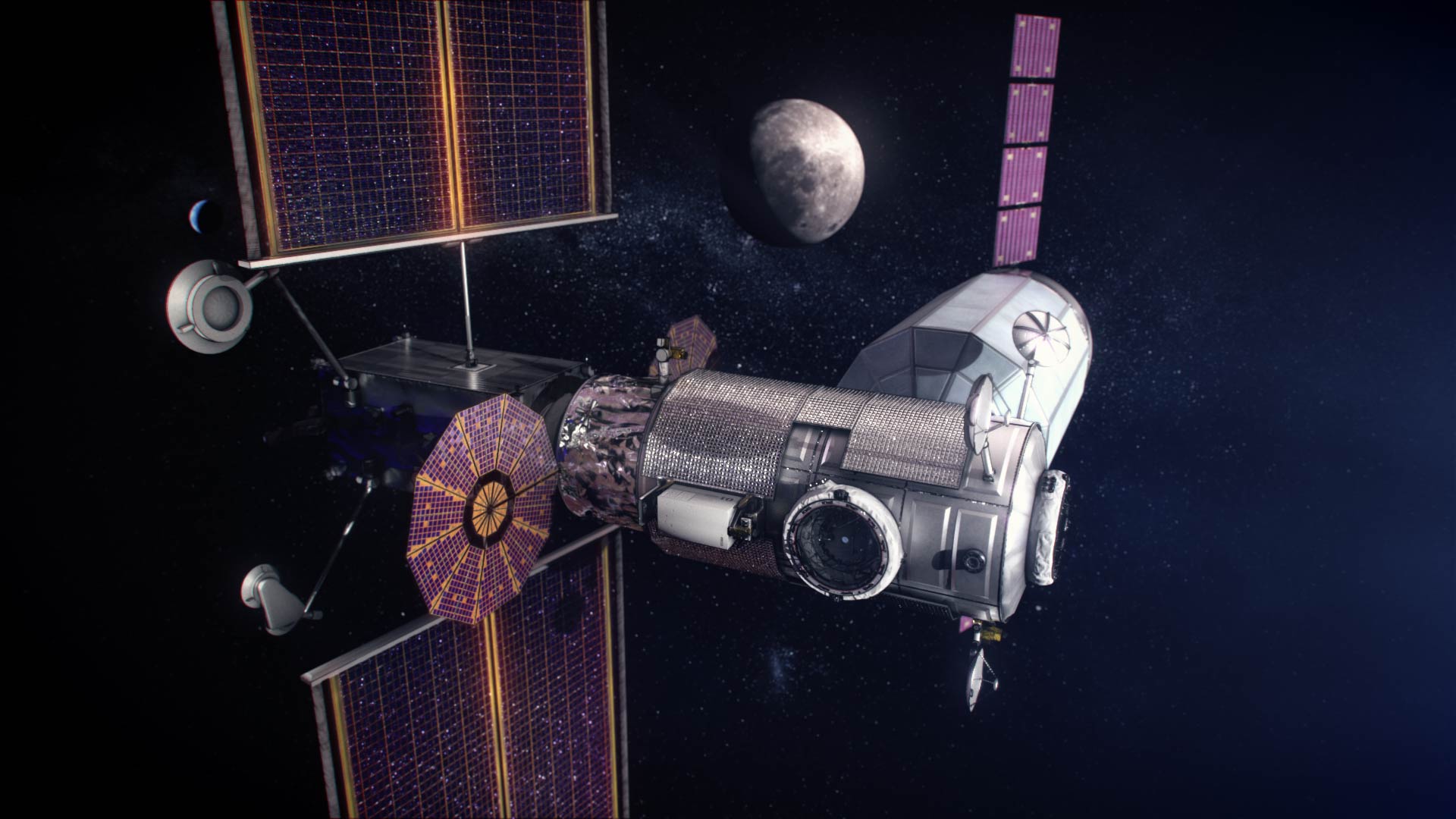
The volume of space between Earth and the Moon is roughly a thousand times larger than the orbit we actually watch, and almost none of it is under surveillance. As the U.S. and China race to build lunar outposts, the Space Force is scrambling to put eyes on a region it has been effectively blind to.
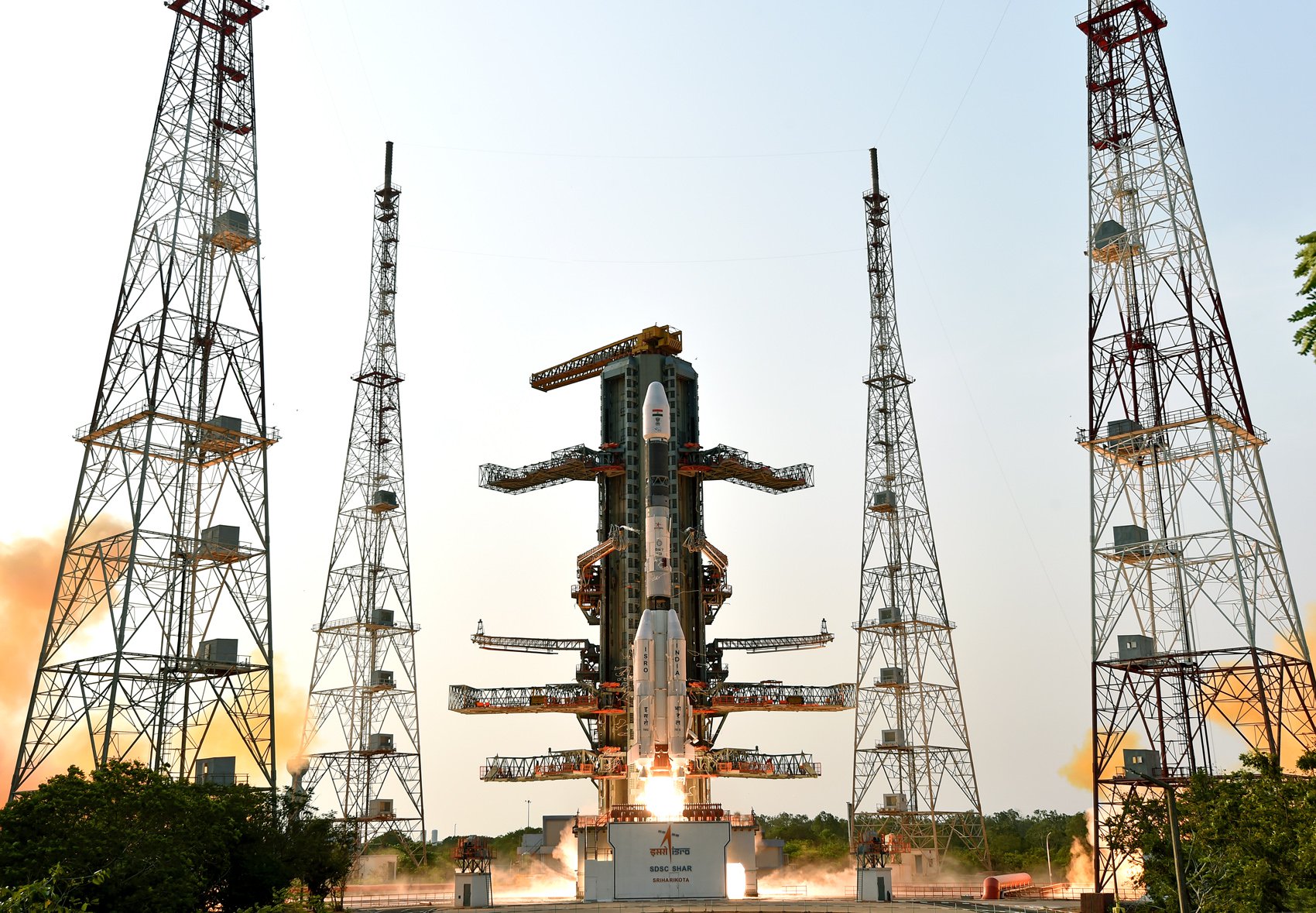
Today's highlights include a record-breaking high-altitude image of the sun, SpaceX's latest Starlink satellite launch, and various military developments. Stay informed with detailed updates on launches, reentries, and the latest advancements in drone technology.

Today's brief highlights a Pentagon satellite network challenge, the expanding use of AI in military strategy, and advancements in commercial launch vehicle production.
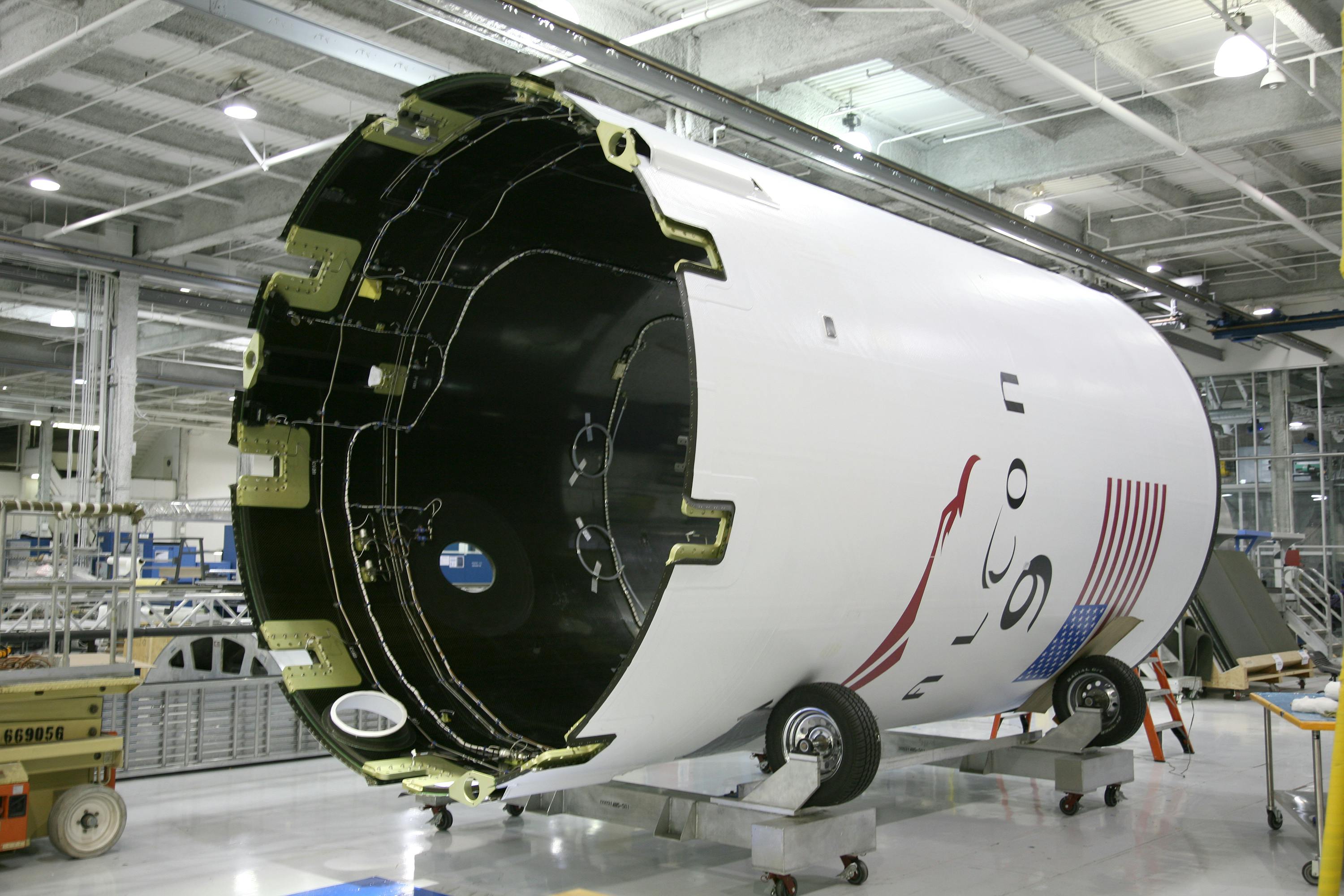
SpaceX prepares for a monumental sixth Starship test flight while achieving a historic Falcon 9 booster landing. Meanwhile, a Starlink satellite lights up the night sky as it reenters Earth's atmosphere.

SpaceX sets a new reuse record with Falcon 9's 27th flight, continuing its Starlink deployment while facing challenges with Starship development.
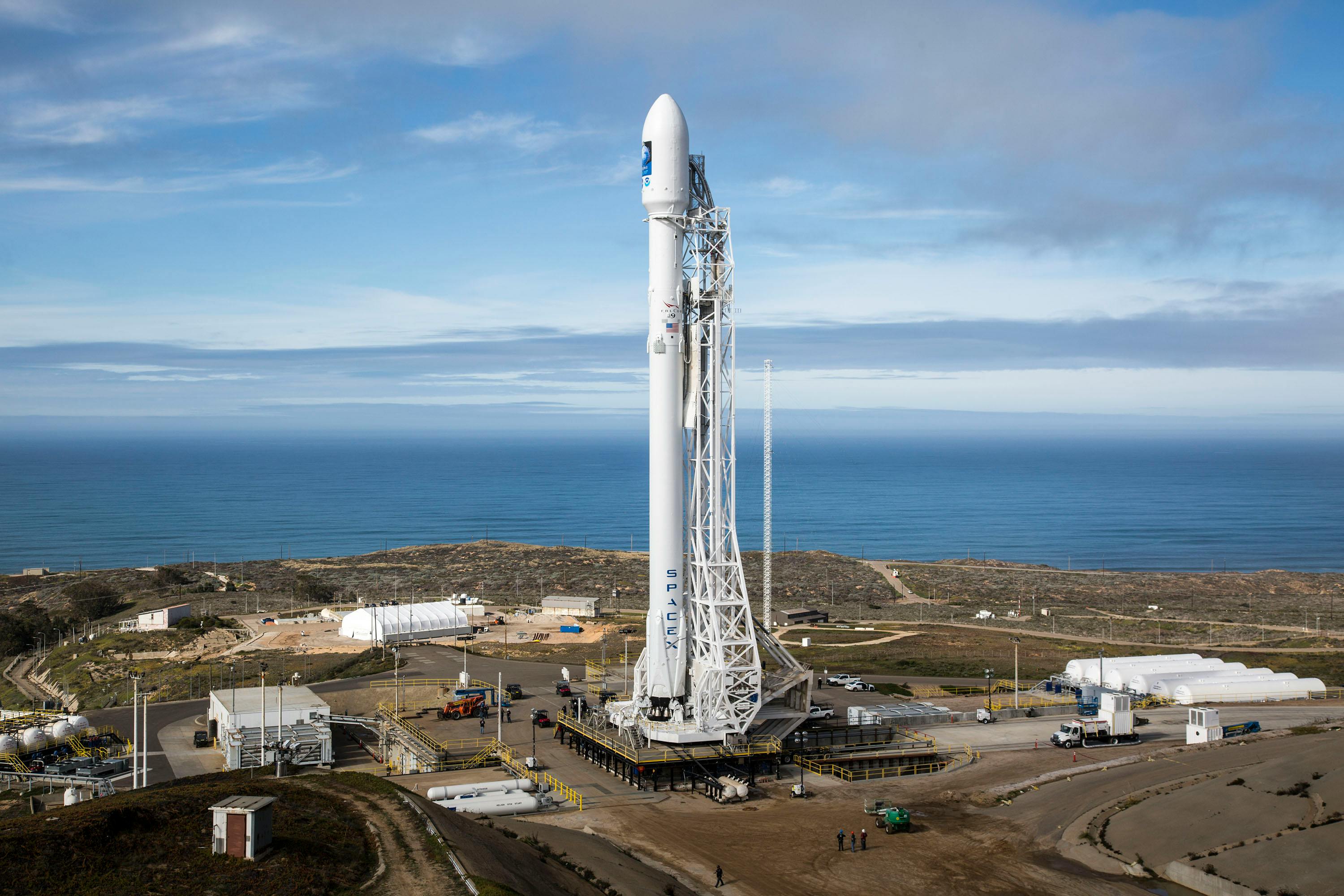
SpaceX readies Starlink 17-32 launch of 25 satellites from Vandenberg. Orbital data center economics draw attention from Musk and Bezos. 9,614 Starlink sats on orbit.

NASA confirms first-ever ISS medical evacuation for January 14 via Crew Dragon. SpaceX launches 29 Starlink satellites in third mission of 2026. Artemis 2 moon mission timeline unaffected.