


X Report 4 Feb 2025
Canada reconsiders Starlink contract amidst US tariff delays, and new concerns arise over falling space debris.


Launch Date
February 26, 1992
Launch Site
FRGUI
Launch Pad
ELA2
Launch Vehicle
Ariane 44L
NORAD ID
21893
International Designator
1992-010A
Epoch
Sat, 04 Jul 2026 04:32:35 GMT
Apogee
Calculating...
Perigee
Calculating...
Inclination
14.58°
Right Ascension
6.19°
Eccentricity
Calculating...
Argument of Perigee
131.09°
Period
1453.70 min
Mean Motion
0.99 rev/day
Latitude
Calculating...
Longitude
Calculating...
Altitude
Calculating...
Velocity
Calculating...
Name
SUPERBIRD-B1
Alternative Name
Superbird B1
Type
Status
Owner
SCC
Country
Japan
Constellation
N/A
Related Satellites
Major Events
N/A
1 21893U 92010A 26185.18930343 -.00000088 00000-0 00000-0 0 9995
2 21893 14.5804 6.1898 0013435 131.0881 46.5373 0.99057744124489
Source: Celestrak
Length
2.4
Diameter
2.2
Span
20.3
Dry Mass
1224
Launch Mass
2560
Shape
Box + 2 Pan
Radar Cross Section
7.9433
Visual Magnitude
Unknown
Color
Unknown
Material Composition
Unknown
Payload
Superbird B1
Purpose
Communication
Mission
Communication
Manufacturer
LOR
Life Expectancy
10 years
Bus
FS-1300
Configuration
SSL-1300
Motor
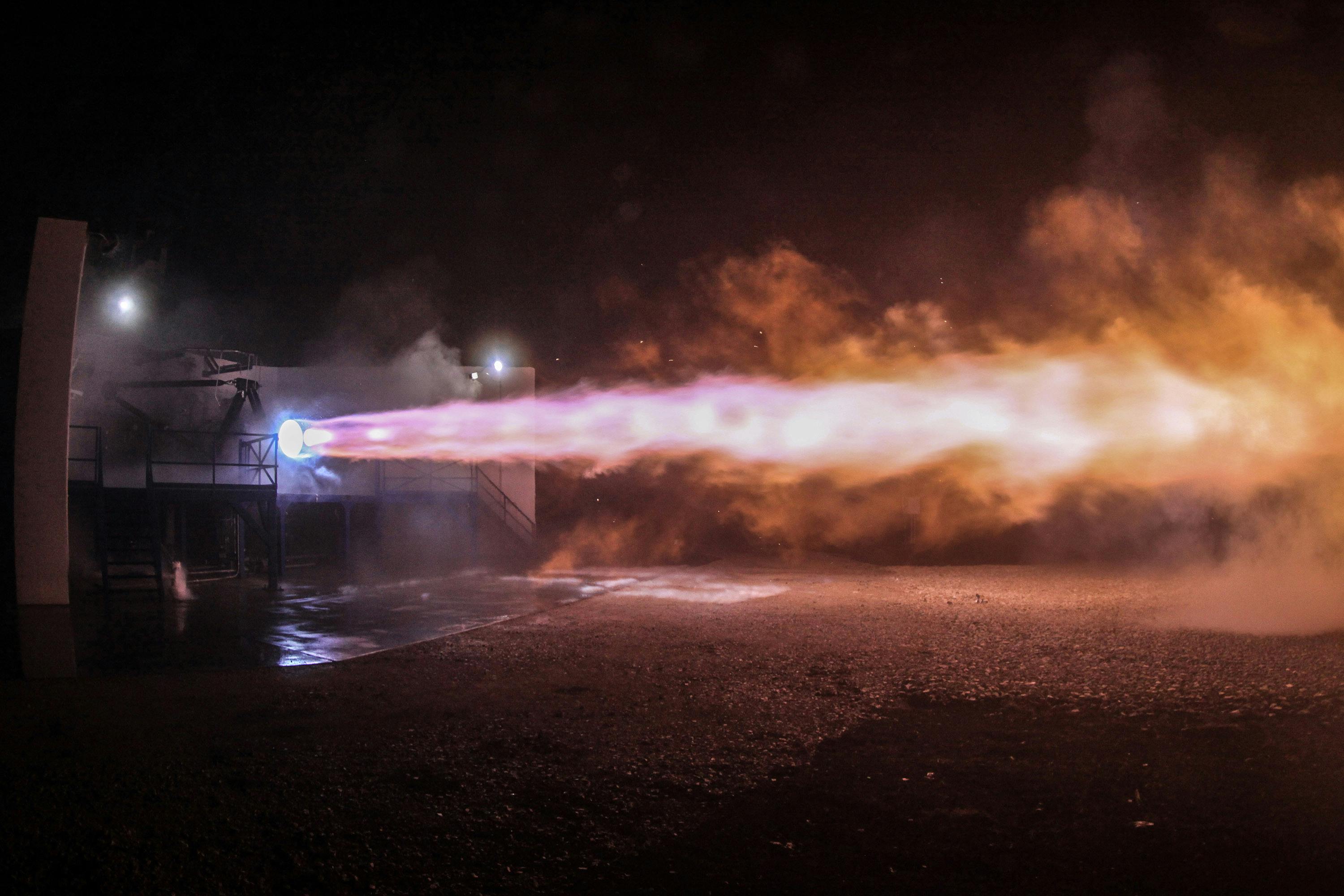
R-4D-11
Equipment
23 Ku-band transponders, 3 Ka-band transponders, 2 X-band transponders
Power System
2 deployable solar arrays, batteries
ADCS
Unknown
Transmitter Frequency
Unknown
Learn more about satellites and other related topics.
Canada reconsiders Starlink contract amidst US tariff delays, and new concerns arise over falling space debris.
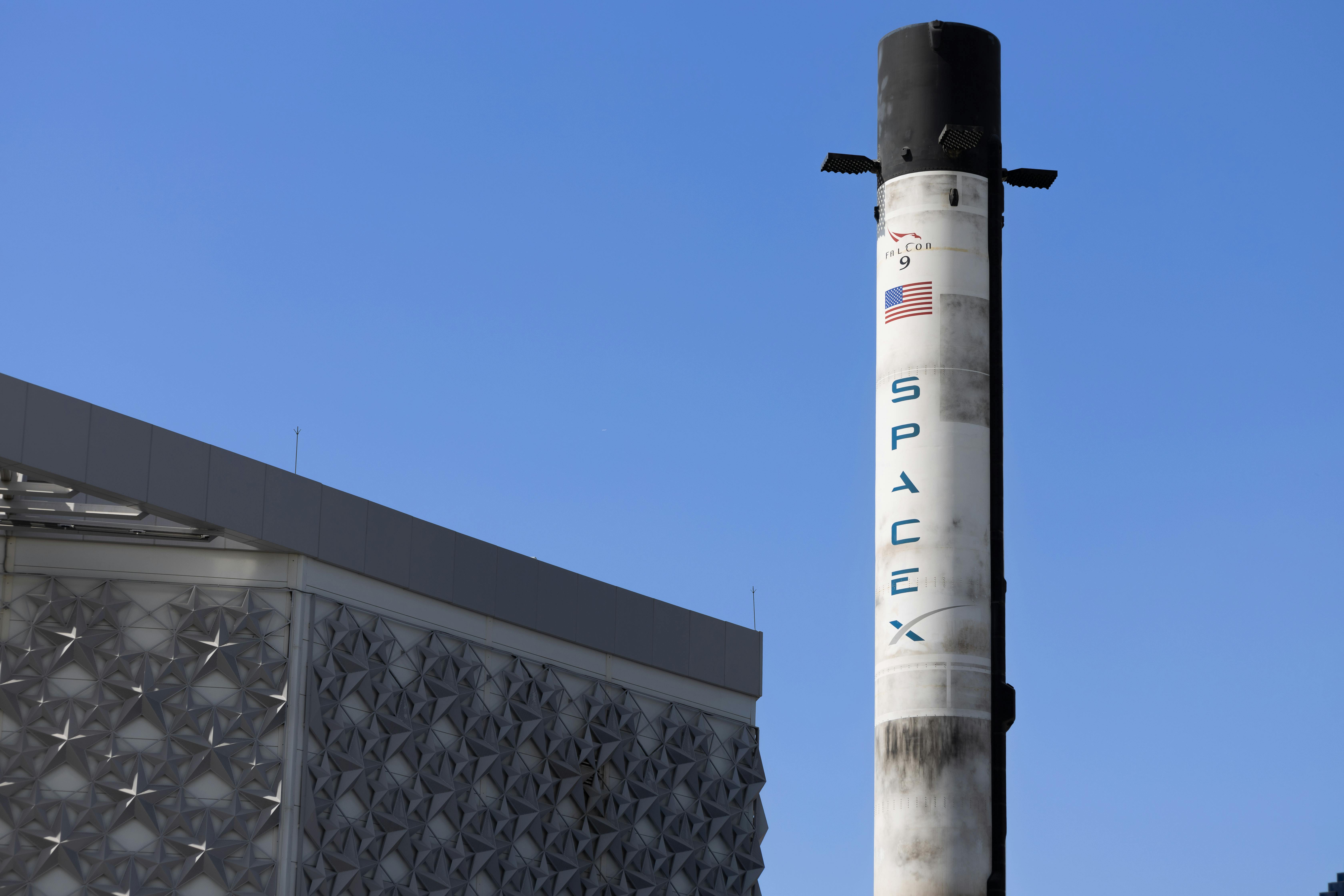
SpaceX achieves a new milestone with the Falcon 9 and Starlink reshapes satellite connectivity landscape.
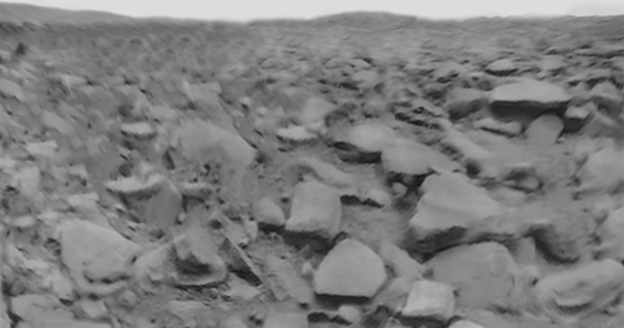
On December 15, 1970, a battered Soviet probe accomplished something no spacecraft had done before - it survived landing on another world and lived to tell about it.
Artemis II grabbed the headlines, but six other missions are quietly approaching milestones that could reshape what we know about Mercury, Mars, asteroids, exoplanets, and the Moon's south pole. Here is what is actually happening with each of them.
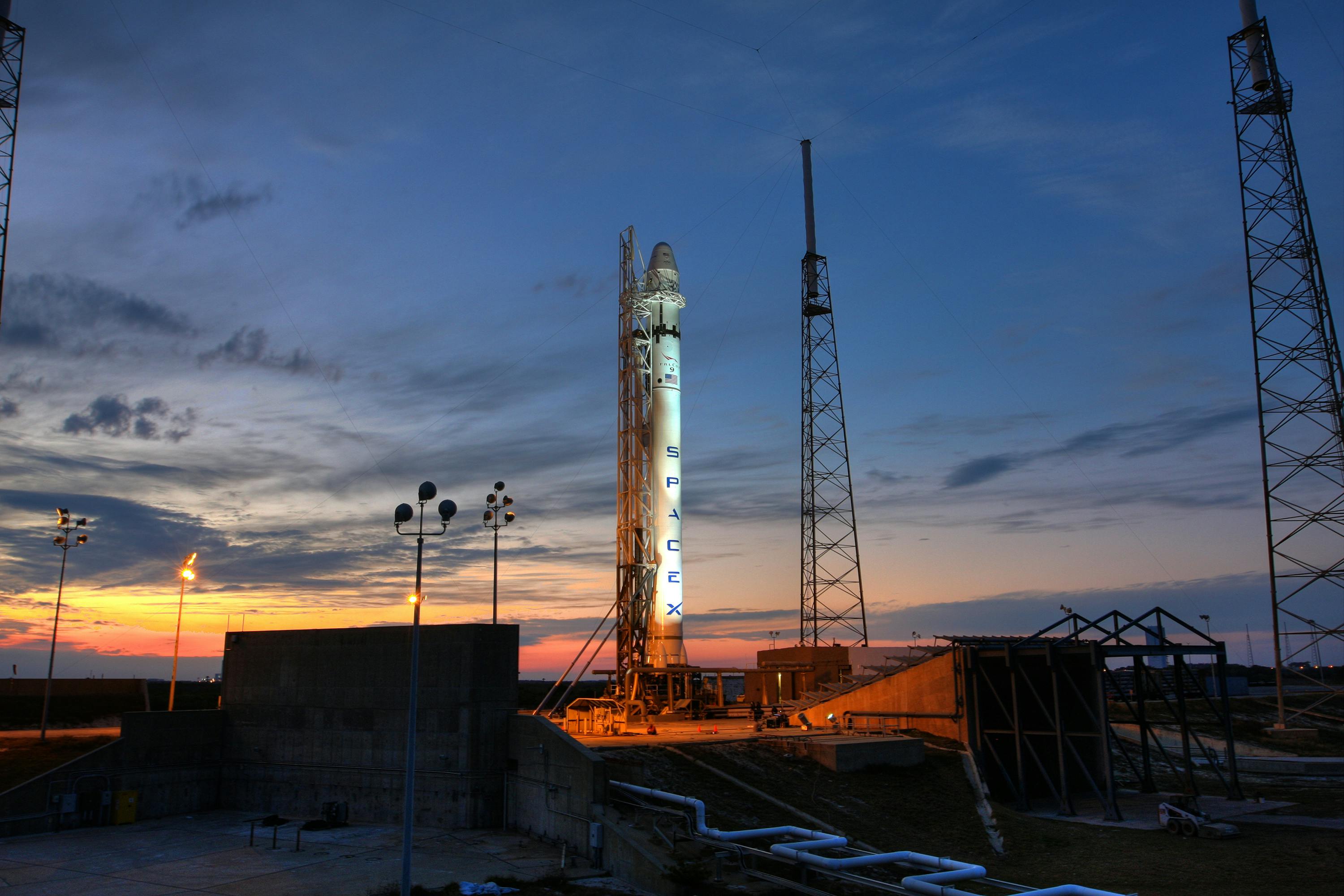
Starlink constellation size in 2026: 9,931 satellites in orbit, 9,920 working from 11,463 launched. Starlink 17-18 adds 25 more from Vandenberg.
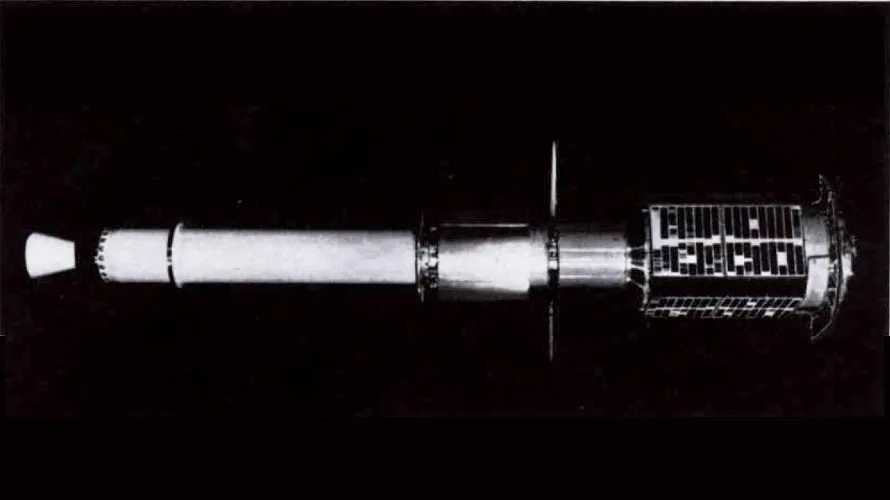
On April 27, 1961, a Scout rocket lifted a 37-kilogram NASA satellite into orbit from Wallops Island carrying the first serious instrument for detecting cosmic gamma rays. Explorer 11 operated for seven months before its tape recorder failed. In that time it registered 22 gamma-ray photons - a pitiful number by modern standards, but enough to launch an entire branch of astronomy.

SpaceX successfully launches 21 Starlink satellites from Florida, marking another milestone in its satellite internet constellation. The Falcon 9 rocket was also successfully recovered at sea.
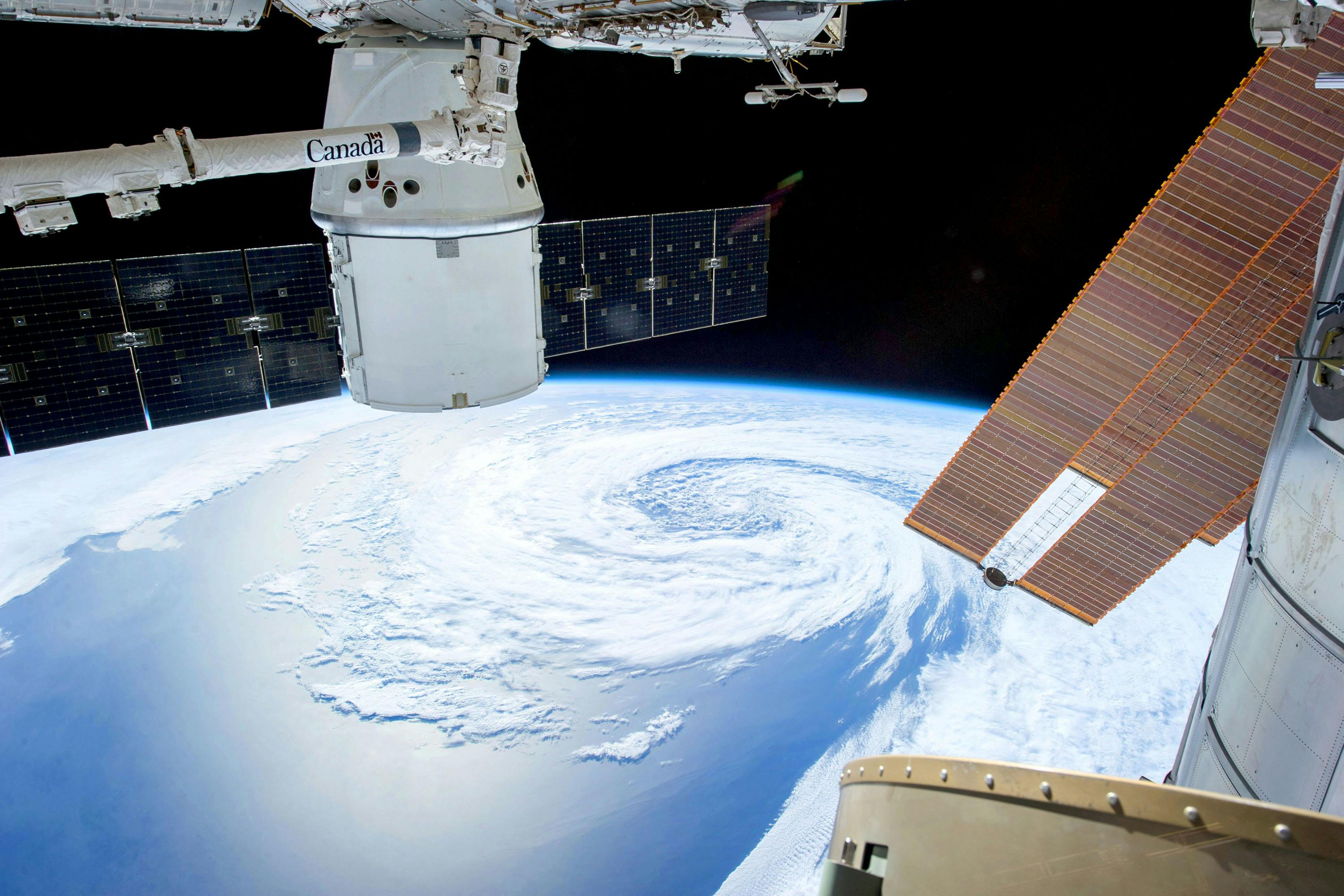
SpaceX edges closer to increased Starship launch approvals, secures lunar rover delivery, eyes potential military collaboration, and continues rapid satellite deployment.