

X Report 11 Sep 2025
SpaceX successfully launched 21 military satellites, marking a key achievement in national security efforts, while preparations continue for the upcoming NASA mission and insights emerge from the Starship development process.


Launch Date
February 11, 1992
Launch Site
TANSC
Launch Pad
N
Launch Vehicle
H-1
NORAD ID
21868
International Designator
1992-007B
Decay Date
2/28/1995
Name
H-1 R/B
Alternative Name
H-I-24F Stage 2
Type
Status
Owner
NASDA
Country
Japan
Constellation
N/A
Related Satellites
Major Events
N/A
Length
10.3
Diameter
2.5
Span
10.3
Dry Mass
1900
Launch Mass
1900
Shape
Cyl
Radar Cross Section
9.6159
Visual Magnitude
Unknown
Color
Unknown
Material Composition
Unknown
Payload
LE-5
Purpose
Unknown
Mission
Unknown
Manufacturer
MHITO
Life Expectancy
Unknown
Bus
LE-5
Configuration
Unknown
Motor
Unknown
Equipment
Unknown
Power System
Unknown
ADCS
Unknown
Transmitter Frequency
Unknown
Learn more about satellites and other related topics.
SpaceX successfully launched 21 military satellites, marking a key achievement in national security efforts, while preparations continue for the upcoming NASA mission and insights emerge from the Starship development process.
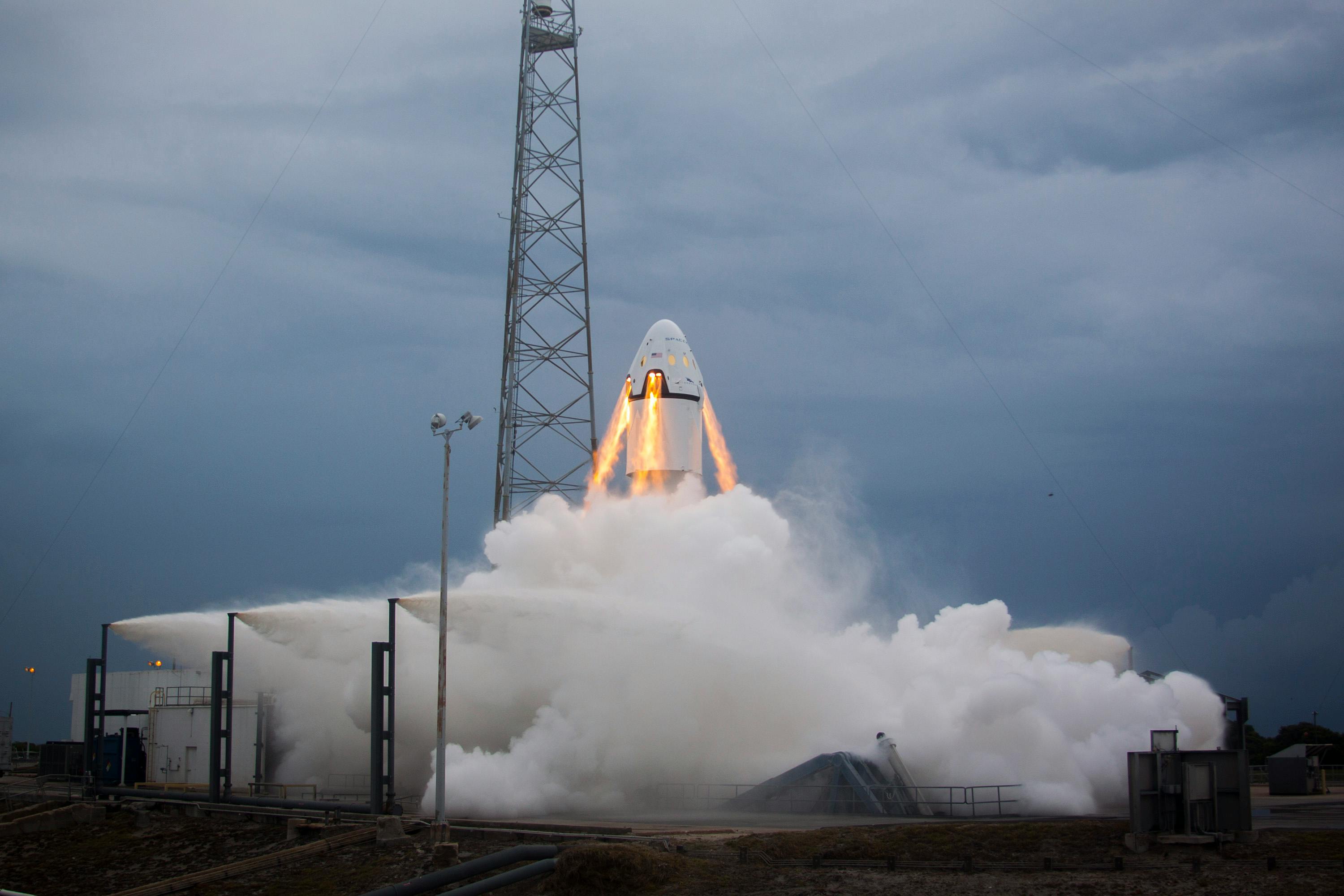
Exciting advancements from SpaceX's Fram2 mission and the pivotal role of biotech in space exploration.

SpaceX's Starship Flight 12 debuts Ship 39 and Booster 19 on May 19, while York Space faces investor confusion as Space Force reorganizes the Space Development Agency.

SpaceX gears up for a Starlink launch from Florida amid ongoing space policy discussions. A closer look at the OneWeb satellite series in our Satellite Spotlight.

SpaceX made significant strides with the successful launch of Starlink satellites and the approval for the redevelopment of SLC-6, reinforcing its foothold in commercial spaceflight.

Fifty-nine years ago, a revolutionary new rocket thundered skyward from Cape Kennedy, testing the spacecraft that would eventually carry astronauts to the lunar surface
Katalyst's Link spacecraft passes key testing milestone ahead of June 2026 launch to rescue NASA's $500M SPARCS telescope. In-space servicing mission will create trackable conjunction risk during approach and docking phase.
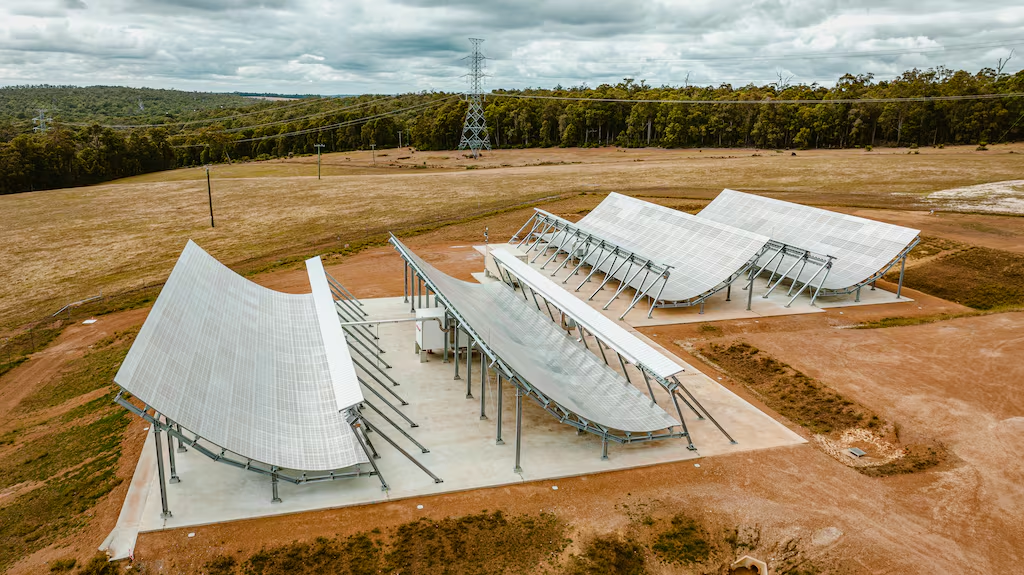
A startup built on Cold War-era radar science now tracks 25,000 objects in orbit - and the Pentagon can't get enough of it. But can its radars really compete with the Space Surveillance Network?