


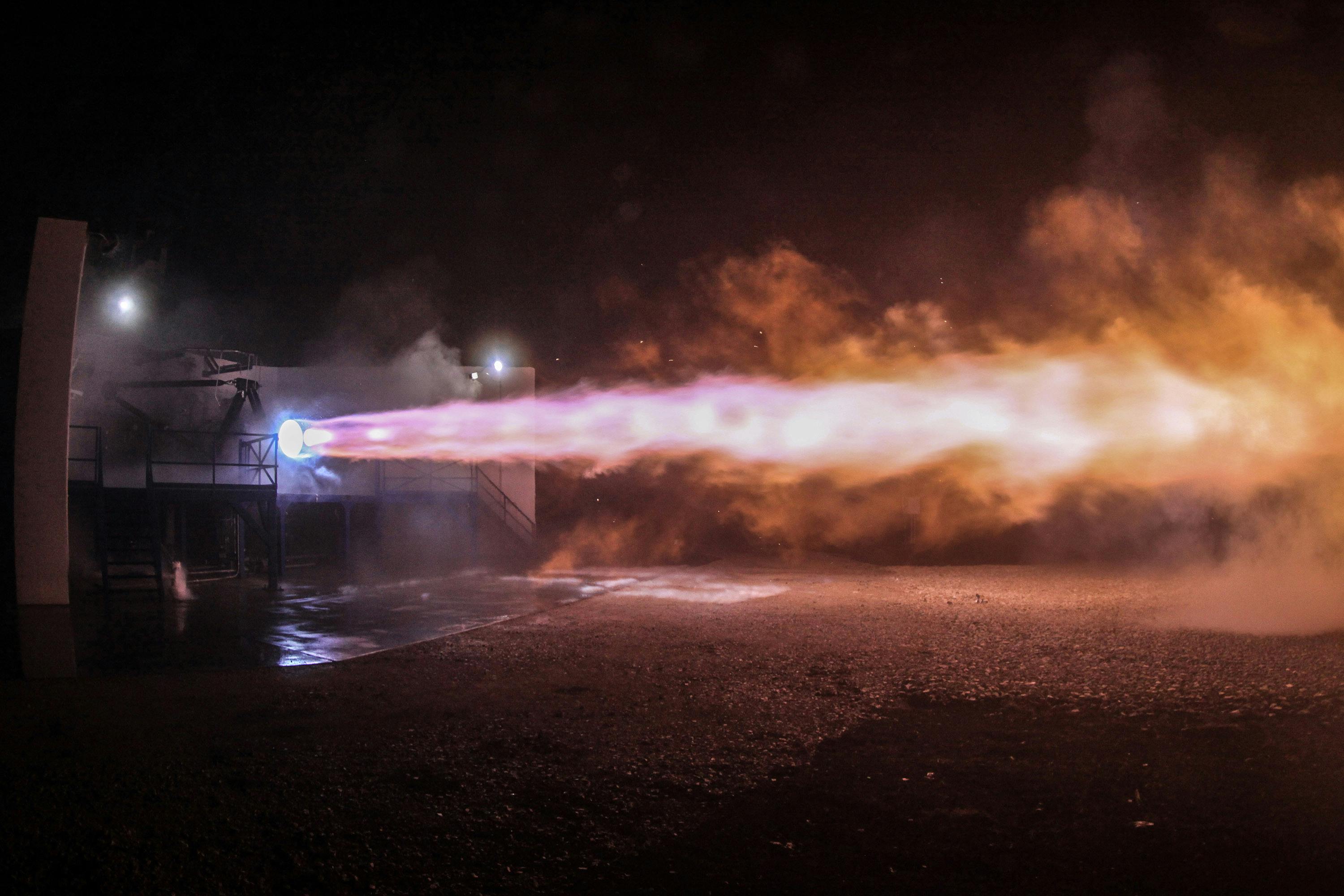
X Report 7 Apr 2025
SpaceX prepares for another Starlink launch today, following a successful deployment over the weekend from Florida's Space Coast.


![COSMOS 2178 [GLONASS] Satellite Image](/images/sat/21854.jpg)
Launch Date
January 29, 1992
Launch Site
Launch Pad
LC81/23
Launch Vehicle
Proton-K/DM-2
NORAD ID
21854
International Designator
1992-005B
Epoch
Fri, 03 Jul 2026 06:29:59 GMT
Apogee
Calculating...
Perigee
Calculating...
Inclination
64.90°
Right Ascension
69.47°
Eccentricity
Calculating...
Argument of Perigee
32.58°
Period
675.72 min
Mean Motion
2.13 rev/day
Latitude
Calculating...
Longitude
Calculating...
Altitude
Calculating...
Velocity
Calculating...
Name
COSMOS 2178 [GLONASS]
Alternative Name
Kosmos-2178
Type
Status
Owner
VVS
Country
Russia
Constellation
N/A
Related Satellites
Major Events
N/A
1 21854U 92005B 26184.27082244 -.00000011 00000-0 00000-0 0 9999
2 21854 64.9014 69.4700 0031779 32.5762 144.9077 2.13105845267875
Source: Celestrak
Length
4
Diameter
1.5
Span
7.8
Dry Mass
1200
Launch Mass
1300
Shape
Cyl + Ant + 2 Pan
Radar Cross Section
2.9351
Visual Magnitude
Unknown
Color
Unknown
Material Composition
Unknown
Payload
Uragan No. 69L
Purpose
Navigation
Mission
Navigation
Manufacturer
POL
Life Expectancy
3 years
Bus
Uragan
Configuration
3-Axis stabilized
Motor
?
Equipment
?
Power System
2 deployable solar arrays, batteries
ADCS
Unknown
Transmitter Frequency
Unknown
Learn more about satellites and other related topics.
SpaceX prepares for another Starlink launch today, following a successful deployment over the weekend from Florida's Space Coast.

Space Force suspends all Vulcan launches pending solid rocket booster investigation. Rocket Lab scrubs HASTE hypersonic vehicle launch. Military space funding hits record highs.
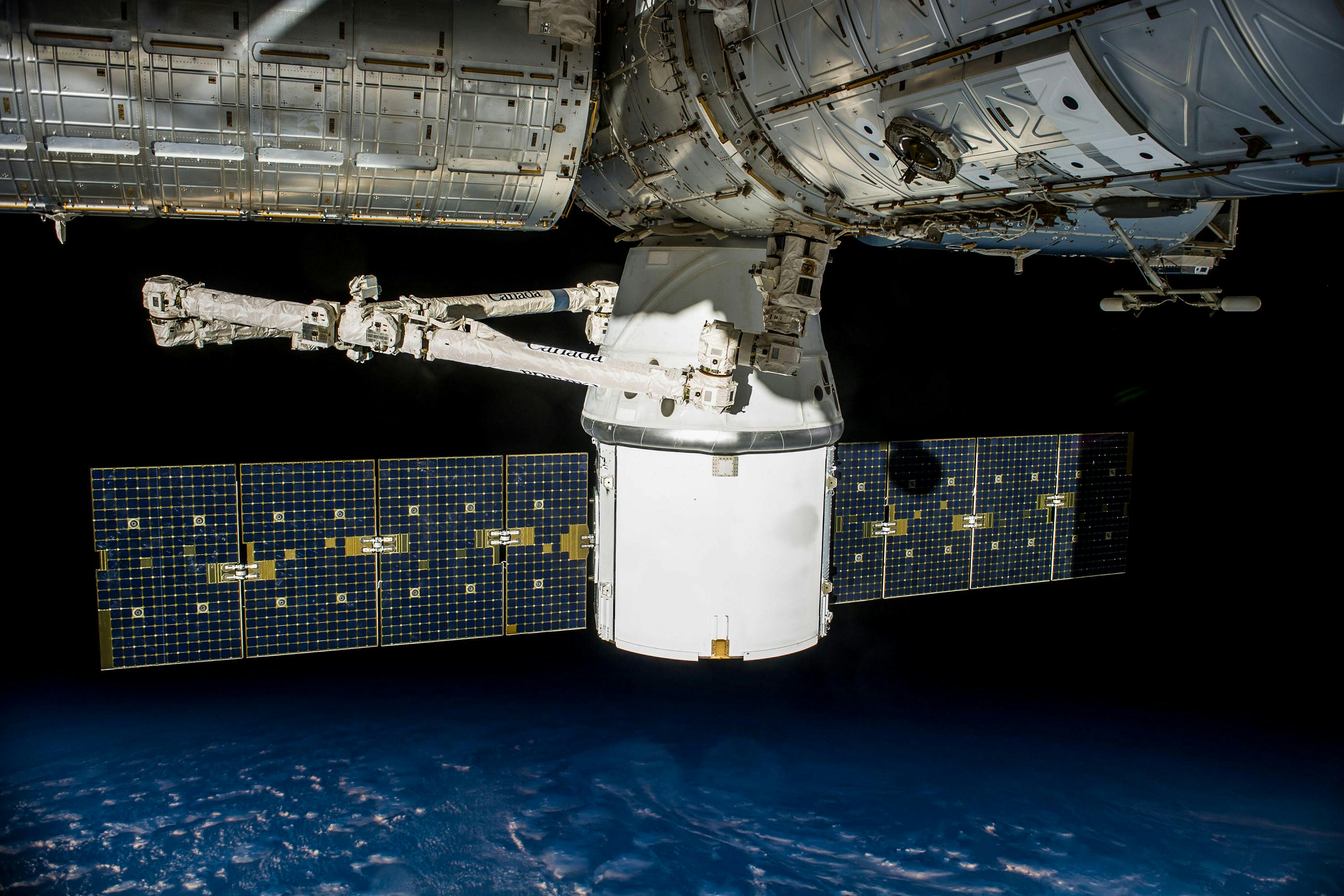
Cape Canaveral launch site activities intensify; SpaceX explores new subscription model for Trump's Golden Dome.
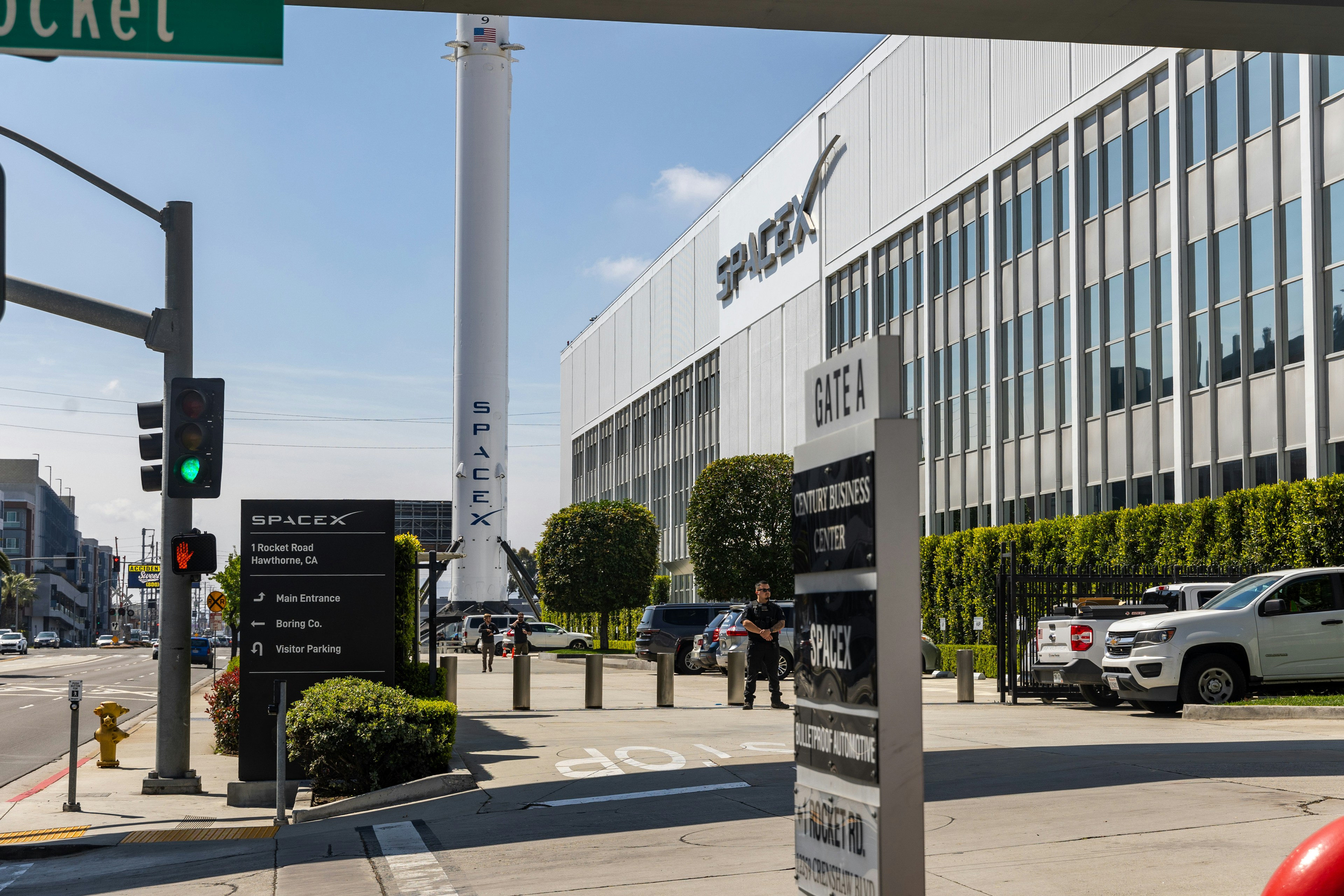
SpaceX's Crew-10 mission safely docks with the ISS, setting up for a crew rotation. Starlink continues its global expansion with additional satellite deployments.
Today's brief covers China's ongoing assessments following a potential debris strike on Shenzhou-20, SpaceX's record-breaking Starlink launch, Rocket Lab's delay of the Neutron rocket, and more.
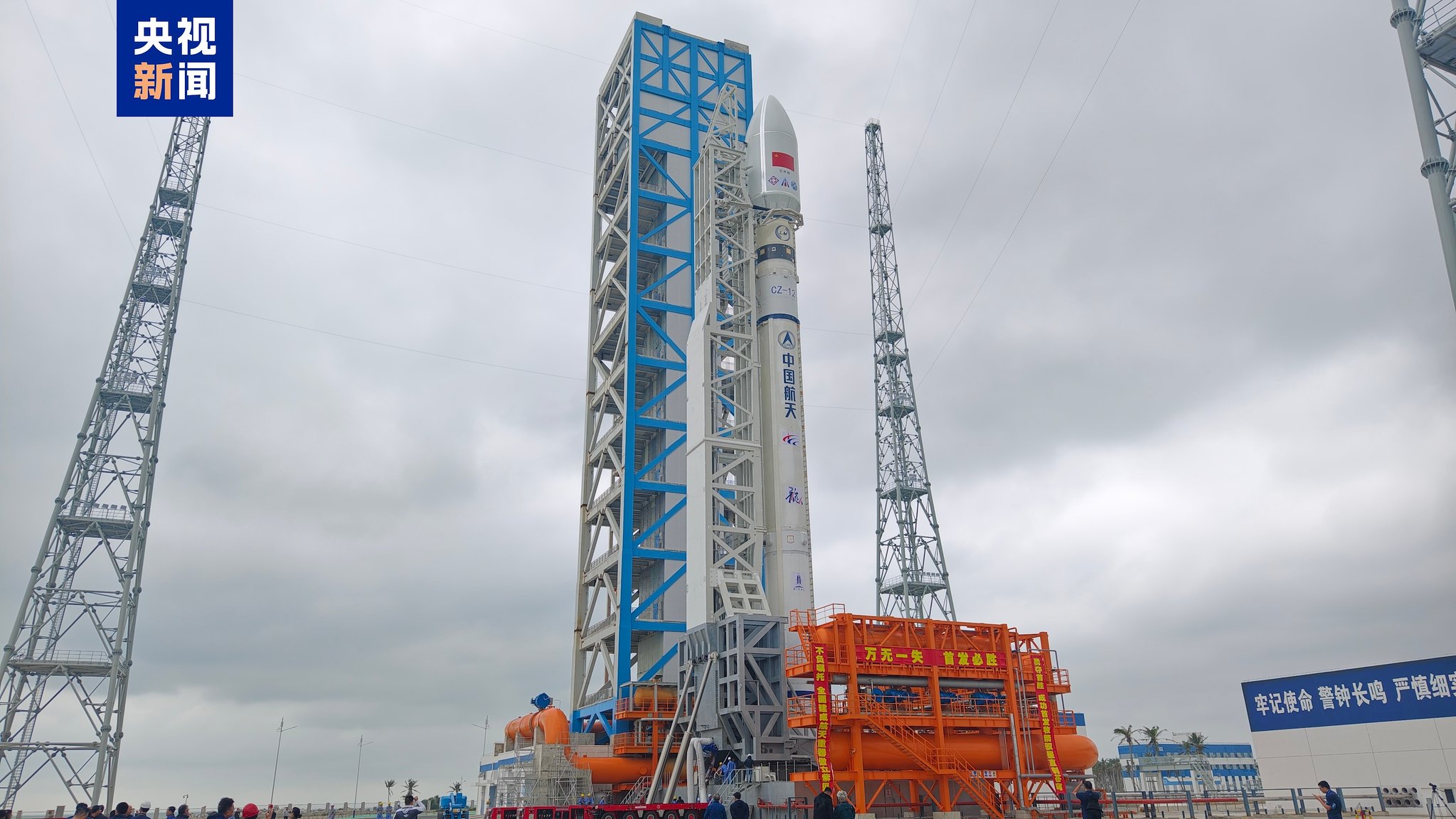
Today's brief covers SpaceX's Starship launch approval, Antares' nuclear funding, and shifts in global space defense strategies.

ULA's Vulcan rocket grounded, imperiling Space Force WGS-11 communications satellite and Next-Gen OPIR missile warning payload. Both missions lack backup launch options.

A look at how tracking the space station offers a unique view of space exploration.