



Space Brief 28 Apr 2025
Today's highlights include SpaceX's 250th Starlink mission, a key Senate vote for NASA's next administrator, and insights into satellite missions and movements.


Launch Date
November 22, 1991
Launch Site
Launch Pad
LC81/23
Launch Vehicle
Proton-K/DM-2
NORAD ID
21789
International Designator
1991-079A
Epoch
Sat, 04 Jul 2026 05:23:46 GMT
Apogee
Calculating...
Perigee
Calculating...
Inclination
13.23°
Right Ascension
340.24°
Eccentricity
Calculating...
Argument of Perigee
13.94°
Period
1436.45 min
Mean Motion
1.00 rev/day
Latitude
Calculating...
Longitude
Calculating...
Altitude
Calculating...
Velocity
Calculating...
Name
COSMOS 2172
Alternative Name
Kosmos-2172
Type
Status
Owner
UNKSR
Country
USSR
Constellation
N/A
Related Satellites
Major Events
N/A
1 21789U 91079A 26185.22484852 -.00000195 00000-0 00000-0 0 9996
2 21789 13.2350 340.2381 0003080 13.9354 345.2462 1.00246854 47524
Source: Celestrak
Length
5.5
Diameter
2.5
Span
9
Dry Mass
1900
Launch Mass
2100
Shape
Cyl + 2 Pan + Plate
Radar Cross Section
5.0118
Visual Magnitude
Unknown
Color
Unknown
Material Composition
Unknown
Payload
Geizer No. 18L
Purpose
Military relay
Mission
Military relay
Manufacturer
NPOPM
Life Expectancy
Unknown
Bus
Geizer
Configuration
MSS-2500-GSO
Motor
4 x SPT-70 Stationary Plasma Thrusters
Equipment
Slav-2 and Sintez C-band transponders
Power System
2 deployable solar arrays, batteries
ADCS
Unknown
Transmitter Frequency
Unknown
Learn more about satellites and other related topics.
Today's highlights include SpaceX's 250th Starlink mission, a key Senate vote for NASA's next administrator, and insights into satellite missions and movements.

Space Force selects 14 companies for $1.8 billion Andromeda program to replace GSSAP geosynchronous surveillance satellites with commercial alternatives through 2036.
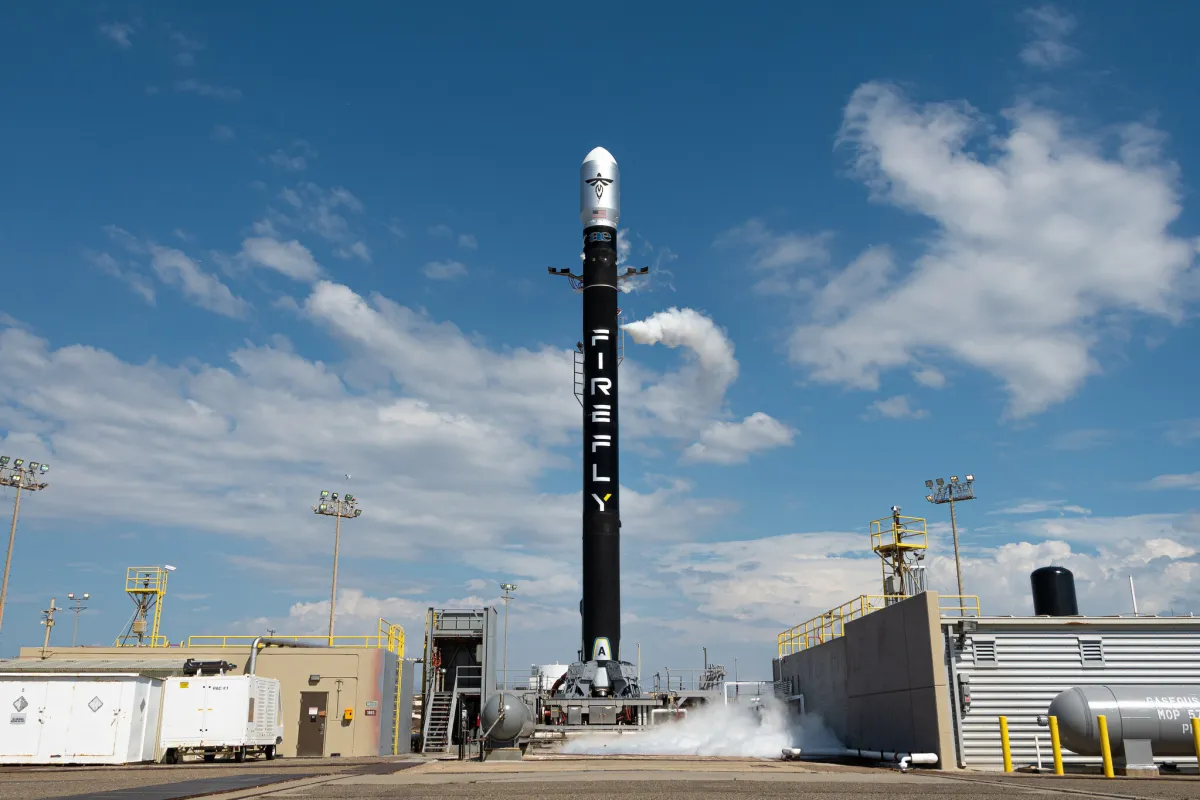
Explore exciting updates on satellite reentries impacting Earth's atmosphere, China's ambitious space exploration plans, and the latest advancements in the search for extraterrestrial life.
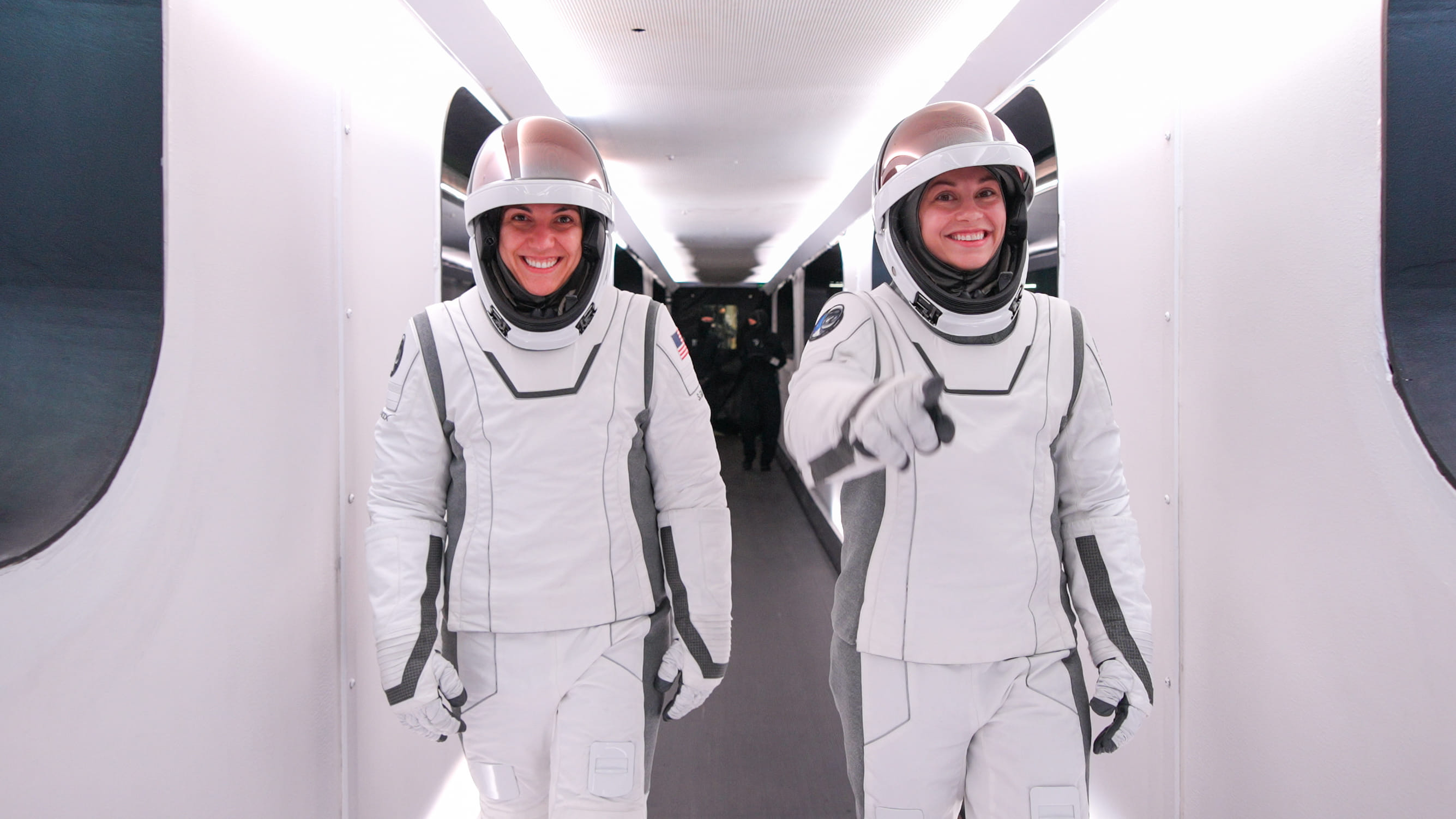
A recap of notable space events including the Soyuz MS-26 launch to the ISS, Polaris Dawn's altitude achievement, and satellite tracking updates.

SpaceX celebrates significant milestones with its 500th Falcon launch and the continued expansion of Starlink connectivity.

Today's highlights include significant data release from NASA's Atmospheric Waves Experiment, SpaceX's dual launches of Crew-10 and Starlink satellites, and intriguing findings from the arctic ice studies.
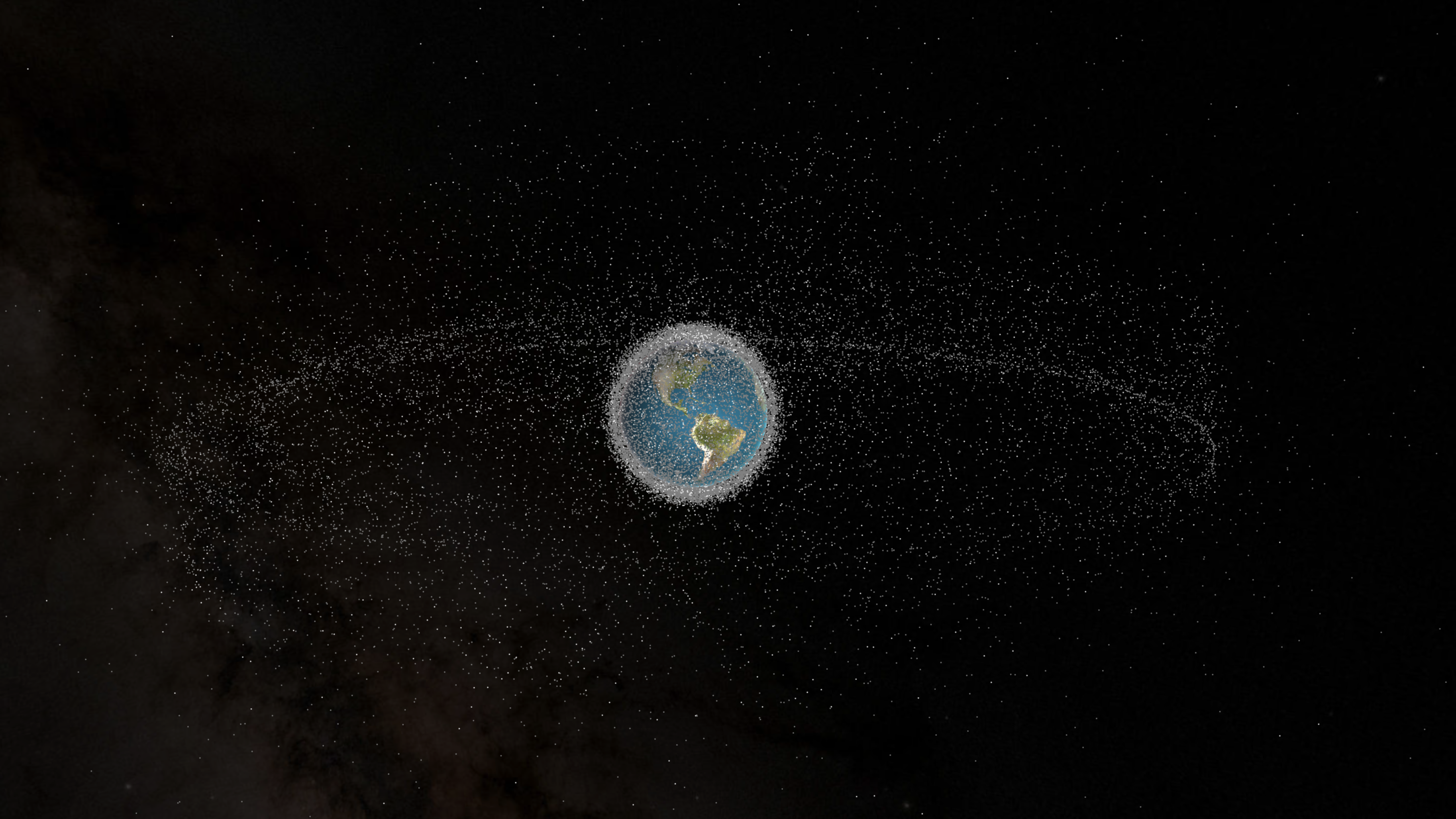
From shattered satellites to exploded rocket stages, space debris poses a growing risk to satellites, space stations, and astronauts. Here's a deep dive into what causes space debris, notable generating events, and what we're doing about it.
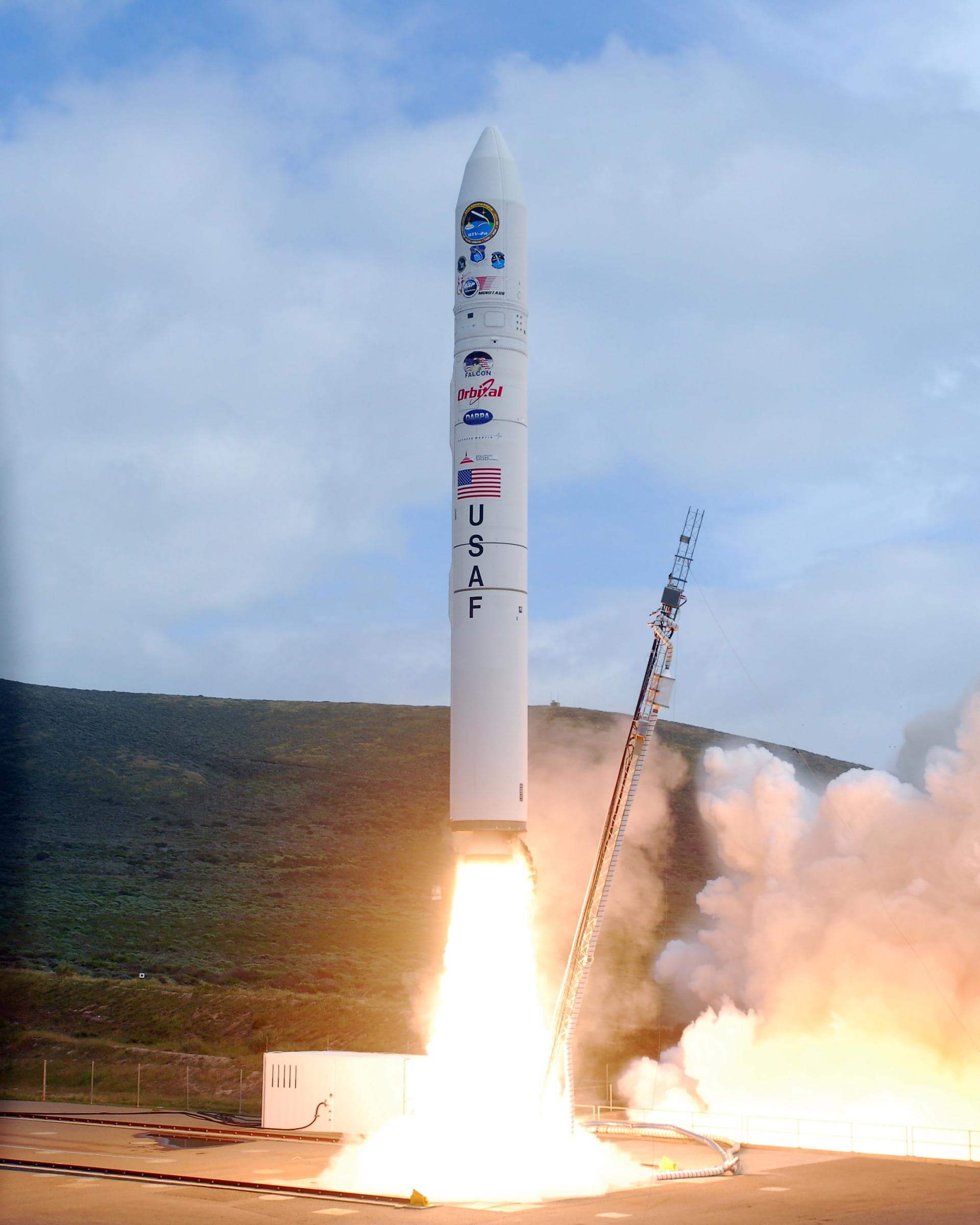
Today's brief covers crucial developments in satellite technology and operations, including new Starlink launches, groundbreaking satellite data on flood waves, and pivotal changes in South African telecom policy driven by Starlink.