

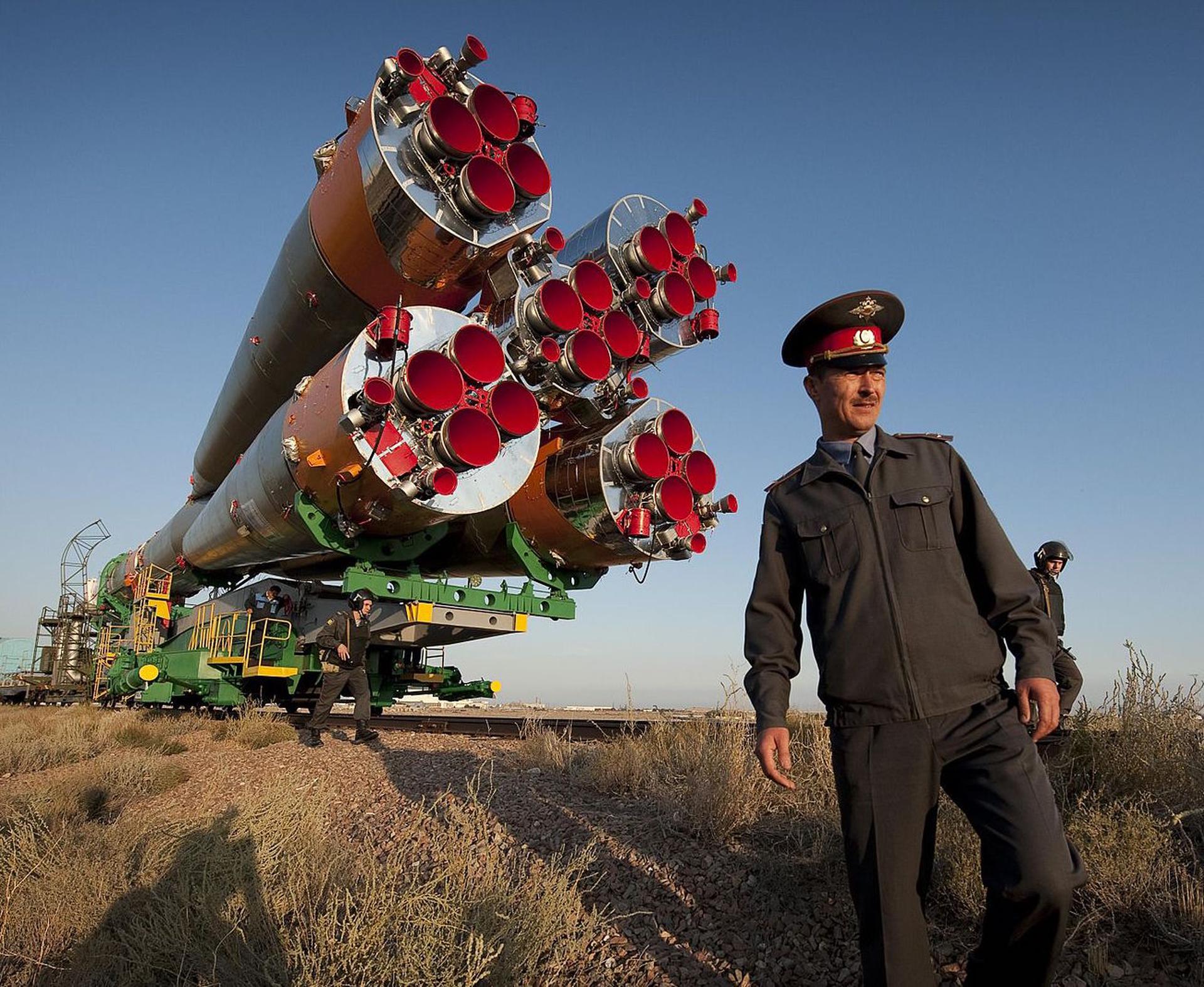
Space Brief 10 Nov 2024
Long March 2C launches four PIESAT-2 radar satellites, Gilmour Space secures Australia's first orbital launch permit, NASA extends ISS cargo contracts through 2030, ESA and Arianespace face industry crossroads.


Launch Date
November 20, 1991
Launch Site
PLMSC
Launch Pad
LC43/3
Launch Vehicle
Soyuz-U
NORAD ID
21787
International Designator
1991-078A
Decay Date
1/18/1992
Name
COSMOS 2171
Alternative Name
Kosmos-2171
Type
Status
Owner
UNKSR
Country
USSR
Constellation
N/A
Related Satellites
Major Events
N/A
Length
6.3
Diameter
2.7
Span
6.3
Dry Mass
2886
Launch Mass
2886
Shape
Cyl + 2 Pan
Radar Cross Section
22.94
Visual Magnitude
Unknown
Color
Unknown
Material Composition
Unknown
Payload
Kobal't No. 539
Purpose
Reconnaissance, photo (film return type)
Mission
Reconnaissance, photo (film return type)
Manufacturer
TSSKB
Life Expectancy
Unknown
Bus
Yantar'-4K2
Configuration
Yantar Bus, main reentry module, 2 small reentry capsules
Motor
Unknown
Equipment
Unknown
Power System
2 deployable solar arrays, batteries
ADCS
Unknown
Transmitter Frequency
Unknown
Learn more about satellites and other related topics.
Long March 2C launches four PIESAT-2 radar satellites, Gilmour Space secures Australia's first orbital launch permit, NASA extends ISS cargo contracts through 2030, ESA and Arianespace face industry crossroads.
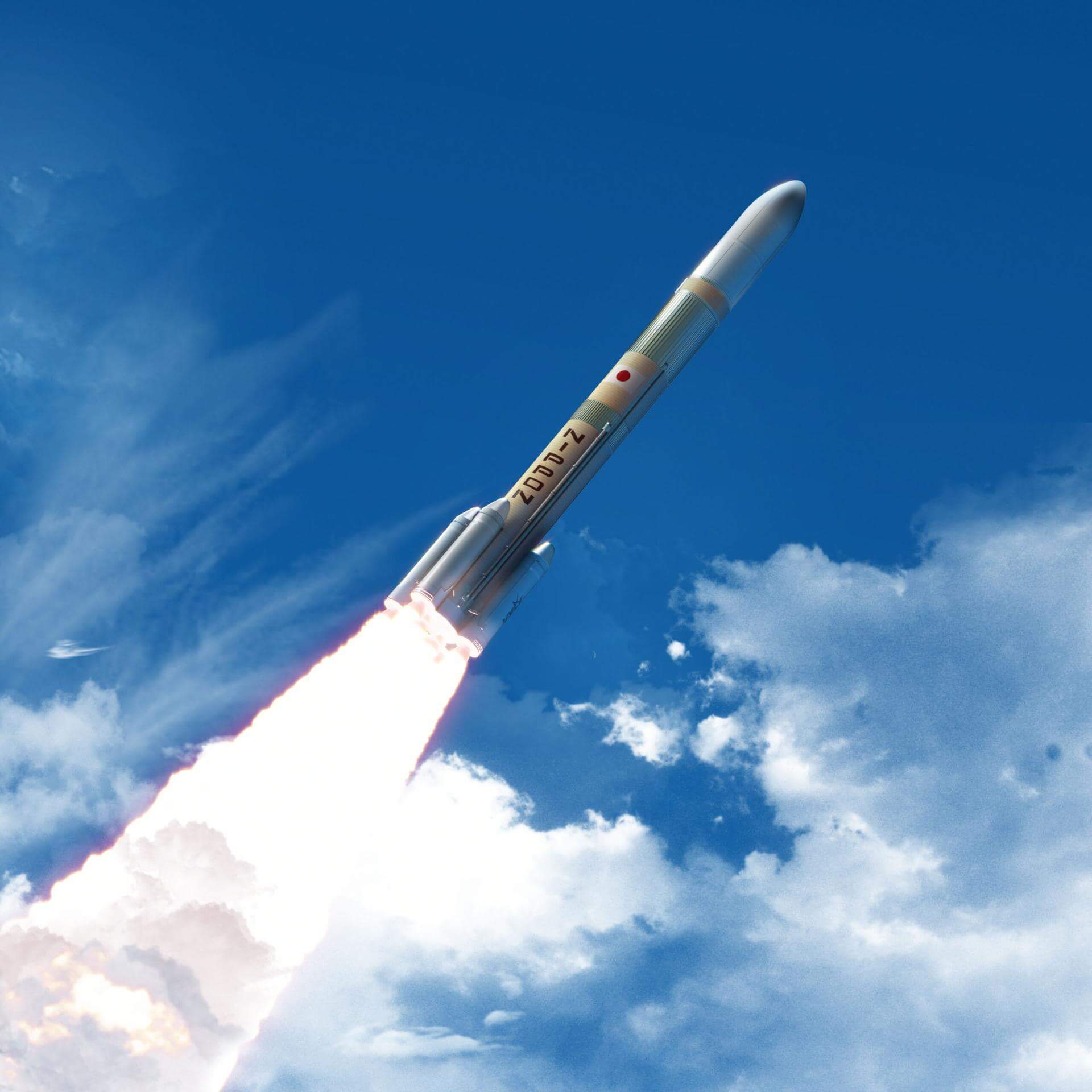
Today's highlights include Firefly's acquisition of SciTec, DARPA's vision for a moon economy, and ESA's new deep space antenna in Australia. Stay updated on the latest in space intelligence and defense technology transformations, plus noteworthy rogue planet phenomena.
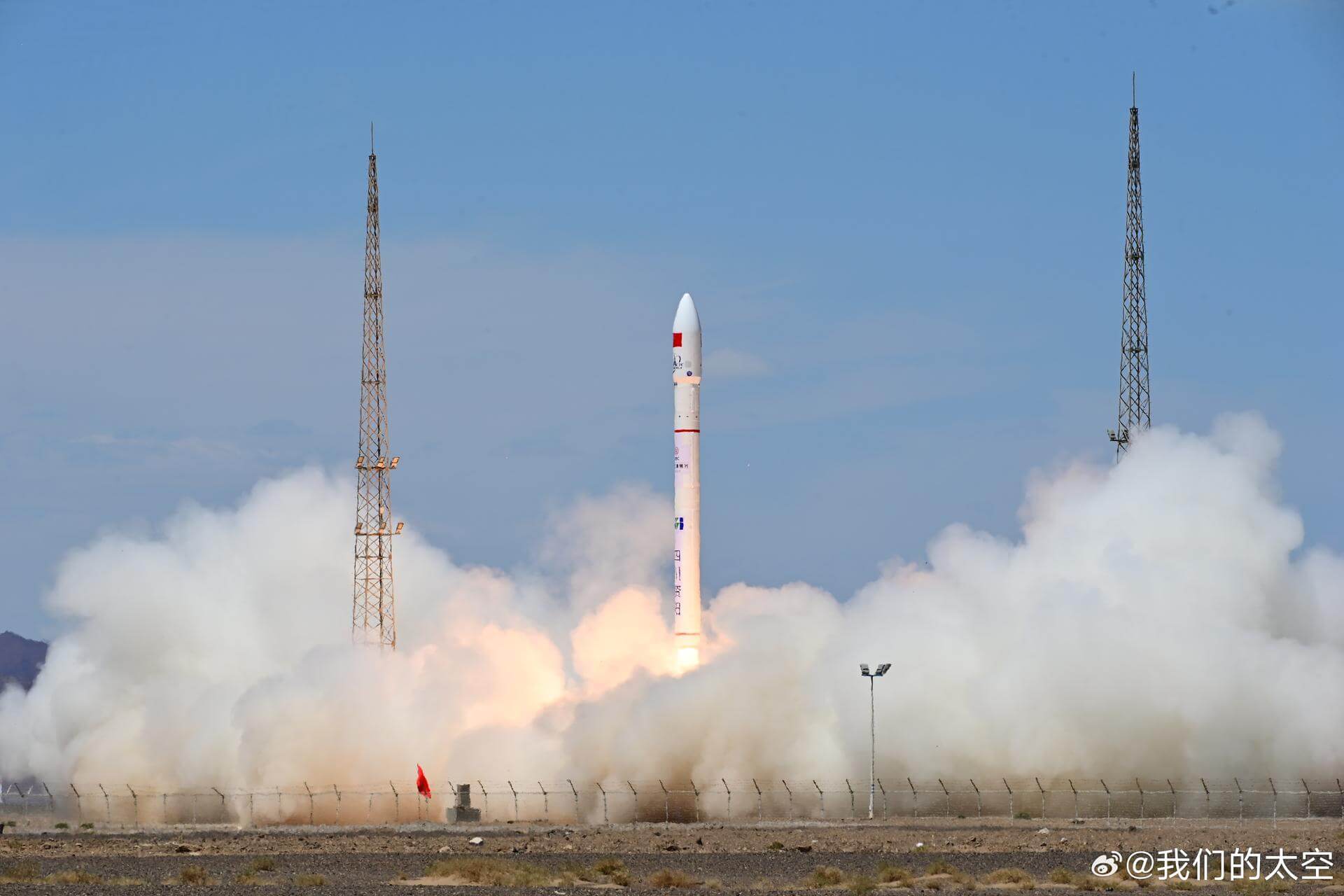
Today's Space Brief covers imminent launches, new developments in space technology, and strategic military contributions to satellite defense systems.

Today's briefing covers a new naming system by Space Force, China's space advances, drone defense at Cape Canaveral, and more military updates impacting space operations.

Today's brief highlights significant advancements in satellite launches, new defense contracts, and technological integrations between major firms in the space sector.
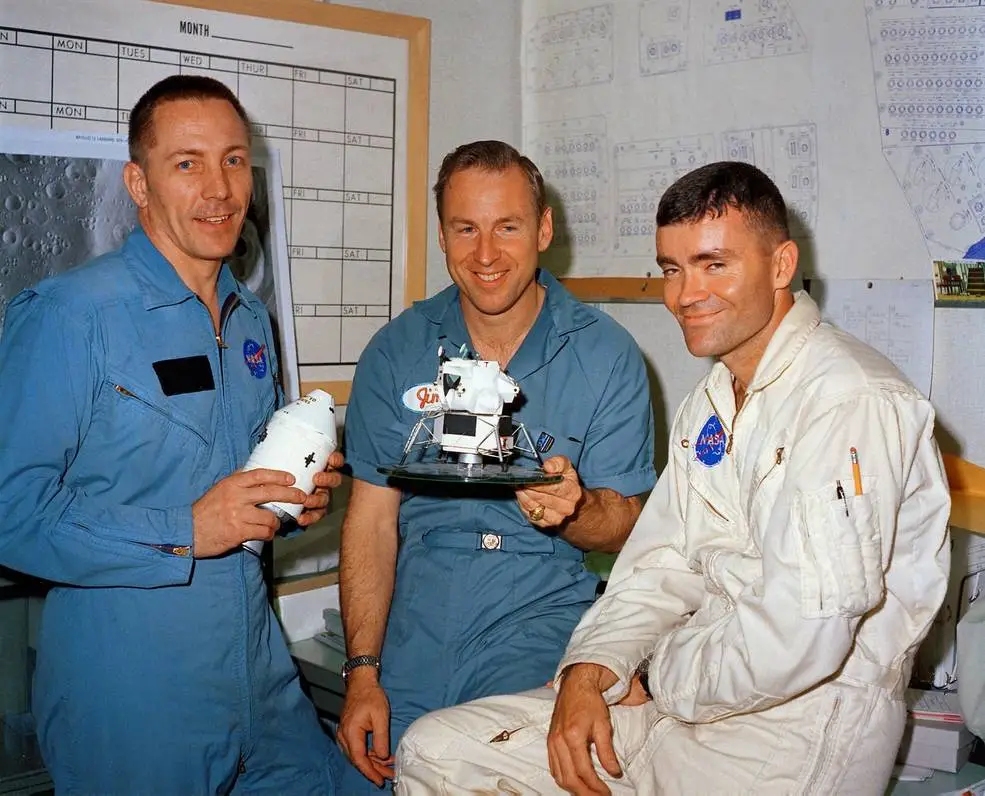
An overlooked thermostat, eight hours of overheating on a Florida launch pad, and 200,000 miles of coasting through deep space. Then Oxygen Tank No. 2 tore itself apart, and three men had to figure out how to come home alive in a spacecraft designed to land on the Moon.
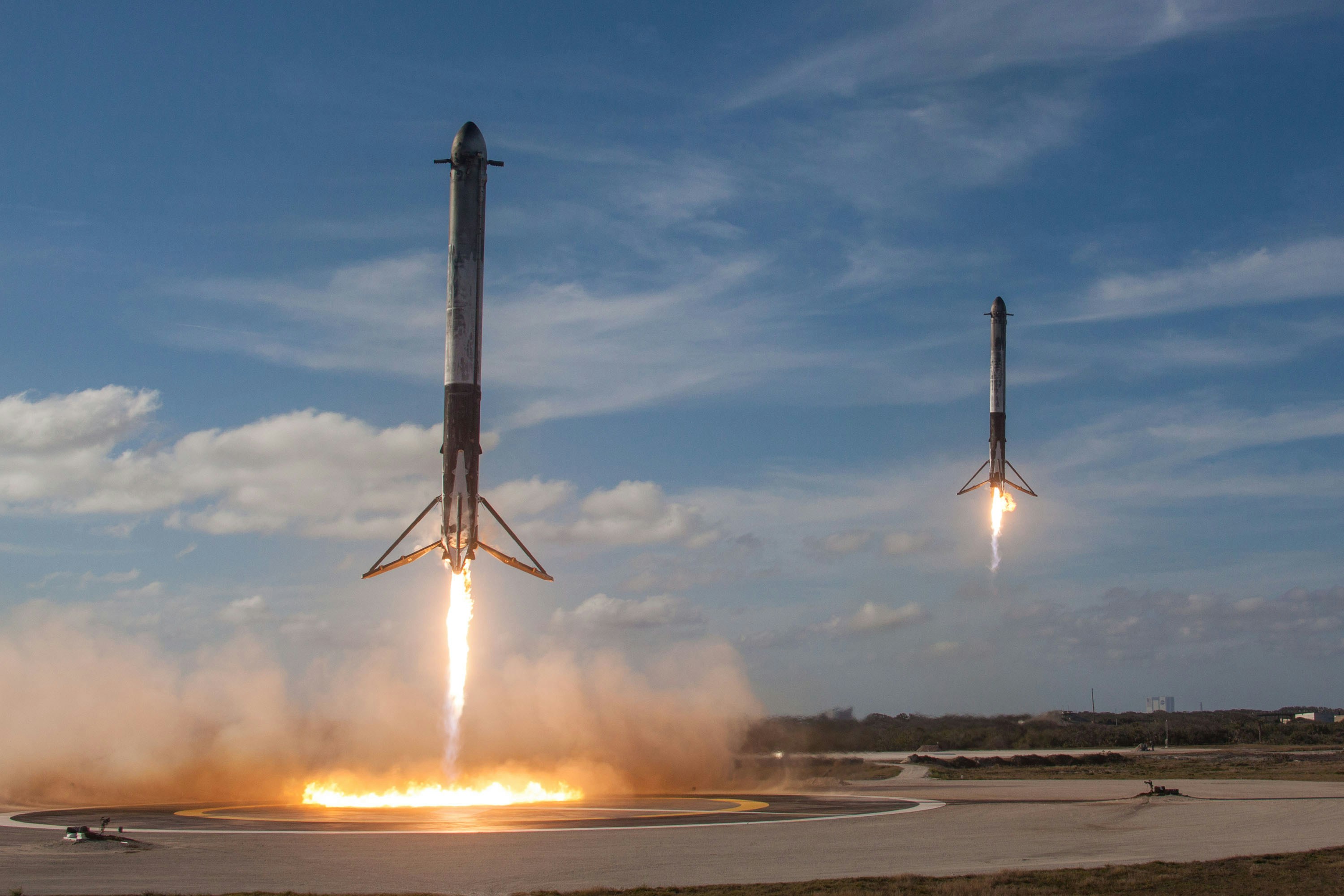
SpaceX is exploring alternative options for static fire tests amid infrastructure setbacks, emphasizing their adaptability in operations.

SpaceX advances pre-launch tests amid Starlink deployment surge and strategic expansions in Texas.