

X Report 2 Feb 2025
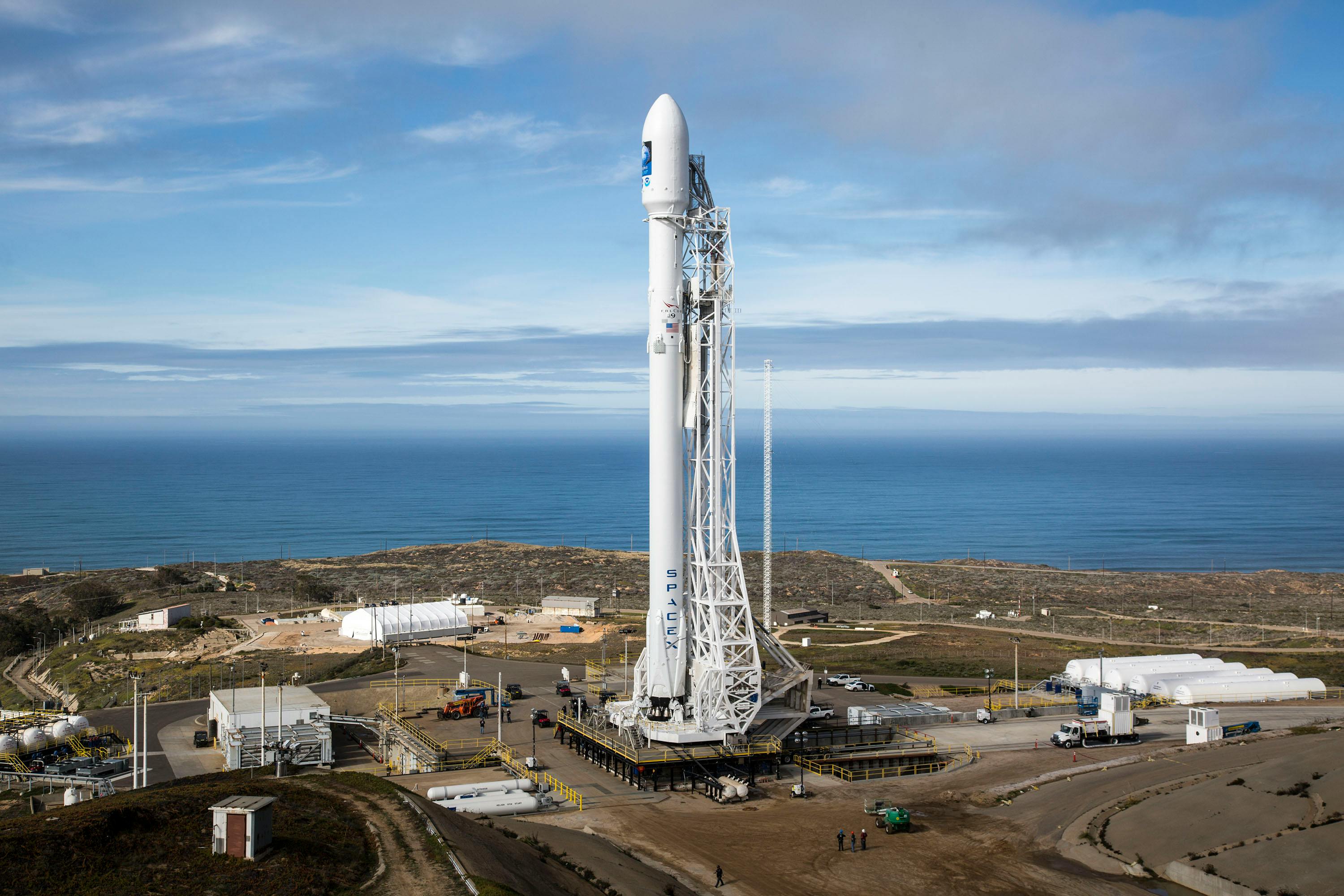
SpaceX successfully launched 43 Starlink satellites across two missions, marking significant achievements at Cape Canaveral and Vandenberg Space Force Bases.


Launch Date
October 2, 1991
Launch Site
Launch Pad
LC1
Launch Vehicle
Soyuz-U2
NORAD ID
21735
International Designator
1991-069A
Decay Date
3/25/1992
Name
SOYUZ-TM 13
Alternative Name
Soyuz TM-13
Type
Status
Owner
NPOE
Country
USSR
Constellation
N/A
Related Satellites
Major Events
N/A
Length
7.2
Diameter
2.2
Span
10.6
Dry Mass
2850
Launch Mass
2850
Shape
Sphere + Cone + Cyl + 2 Pan
Radar Cross Section
19.17
Visual Magnitude
Unknown
Color
Unknown
Material Composition
Unknown
Payload
Soyuz 7K-STM No. 63
Purpose
Crewed spacecraft
Mission
Crewed spacecraft
Manufacturer
NPOE
Life Expectancy
Unknown
Bus
7K-STM
Configuration
Unknown
Motor
KTDU-80 (S5.80)
Equipment
Unknown
Power System
2 deployable fixed solar arrays, batteries
ADCS
Unknown
Transmitter Frequency
Unknown
Learn more about satellites and other related topics.
SpaceX successfully launched 43 Starlink satellites across two missions, marking significant achievements at Cape Canaveral and Vandenberg Space Force Bases.

Vandenberg Space Force Base opens a new launch site that may accommodate SpaceX's Starship. Meanwhile, Starlink continues to expand its service capabilities.
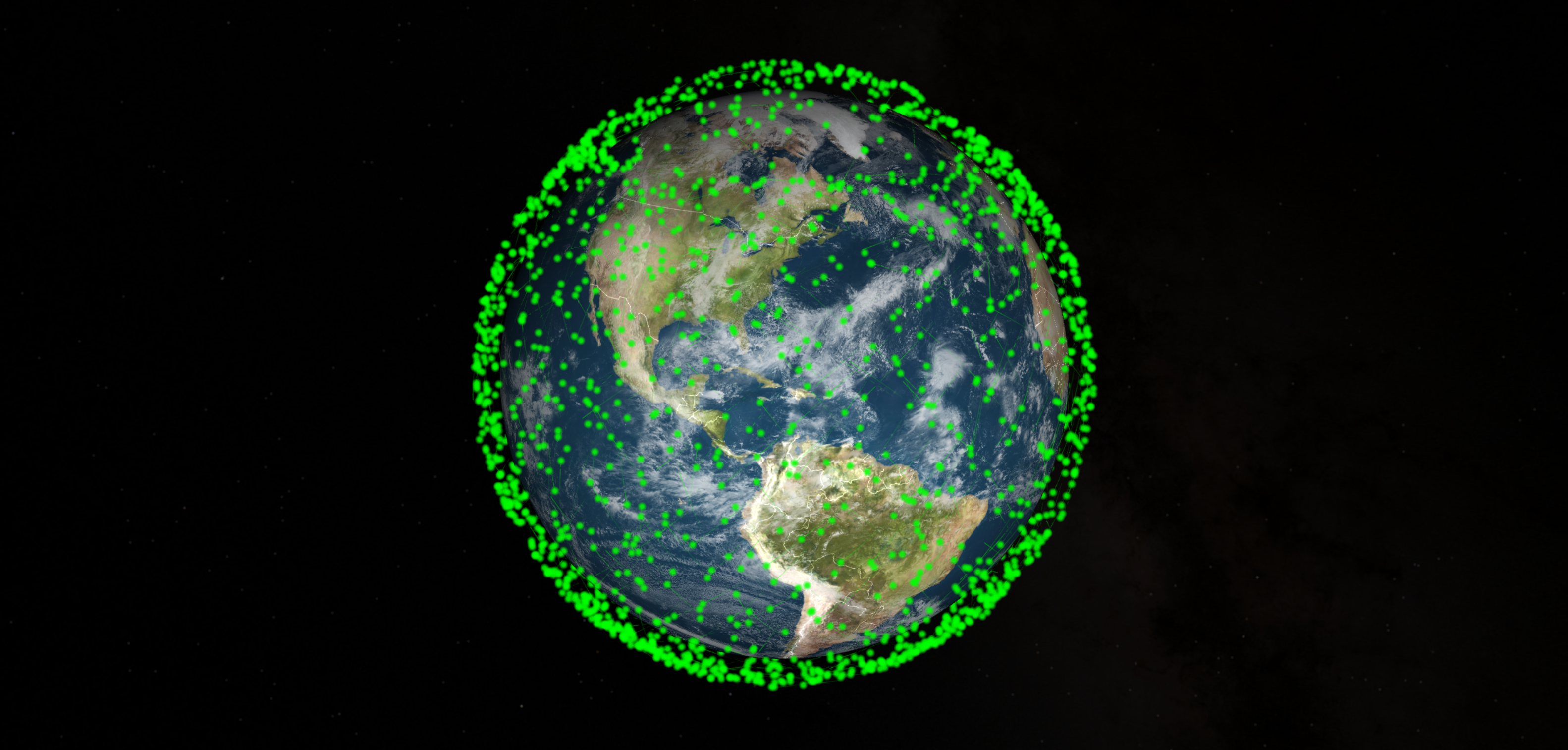
SpaceX quietly built the world's largest 4G network without a single cell tower. Over 650 satellites now connect standard smartphones directly from orbit, and most people carrying compatible phones don't know the service exists.

Today's highlights include the ongoing Crew-11 mission launch and Starship preparations for its upcoming test flight.

Discover today's key space events: SpaceX's Starlink launch, rocket debris risks, and advancements in nuclear rocket technology.
A HIGH-risk conjunction between STARLINK-4621 and the defunct SL-18 rocket body leads the July 11 safety picture, with eight Starlink satellites set to reenter through July 14.
Space Force confirmed 9 companies won orbital Air Moving Target Indication contracts. Capability shifts airborne surveillance to satellites for expanded coverage and survivability.
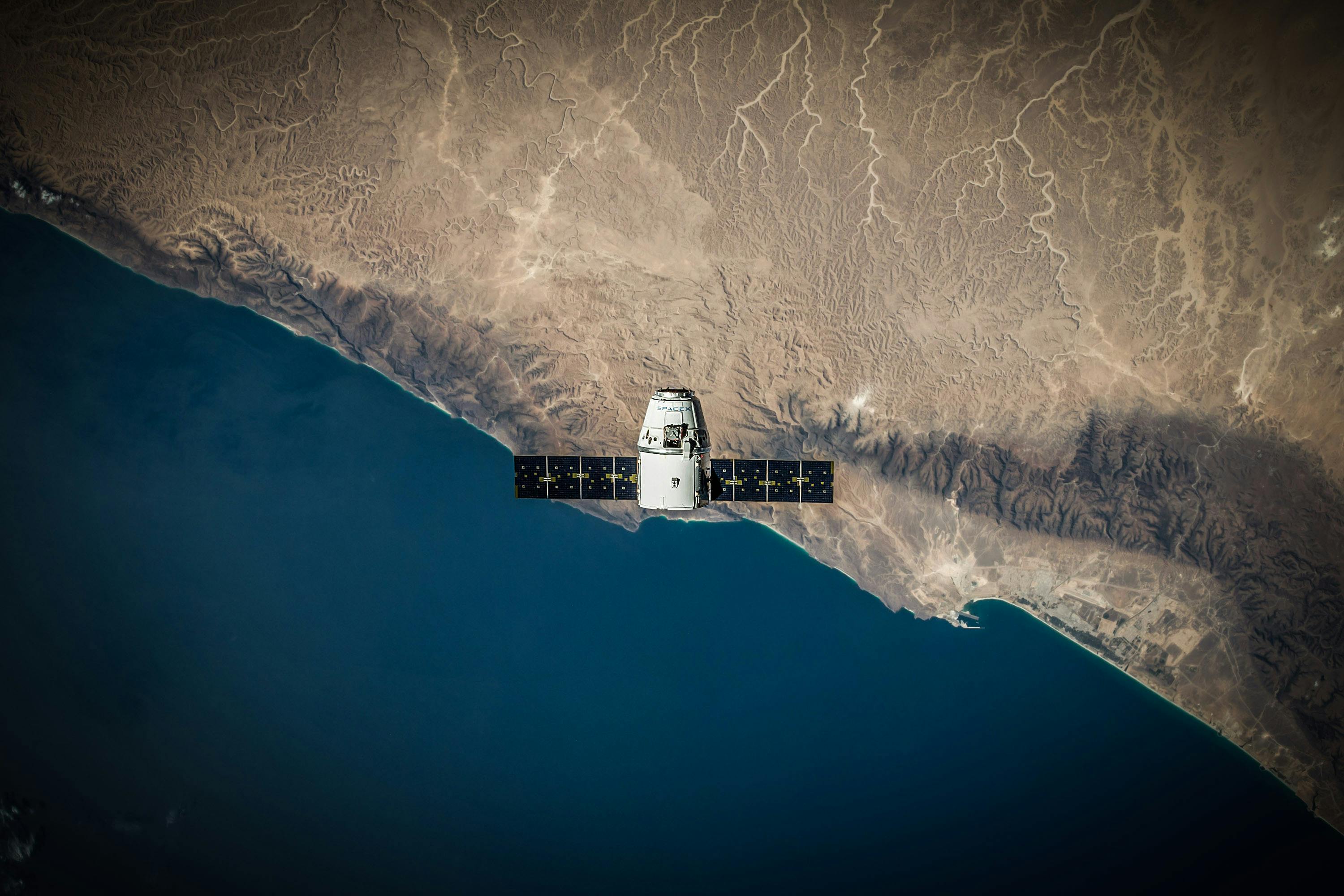
SpaceX's Falcon 9 lofts 11,000 lbs aboard Cygnus NG-24 to the ISS as Amazon pushes Leo's commercial debut to mid-2026.