

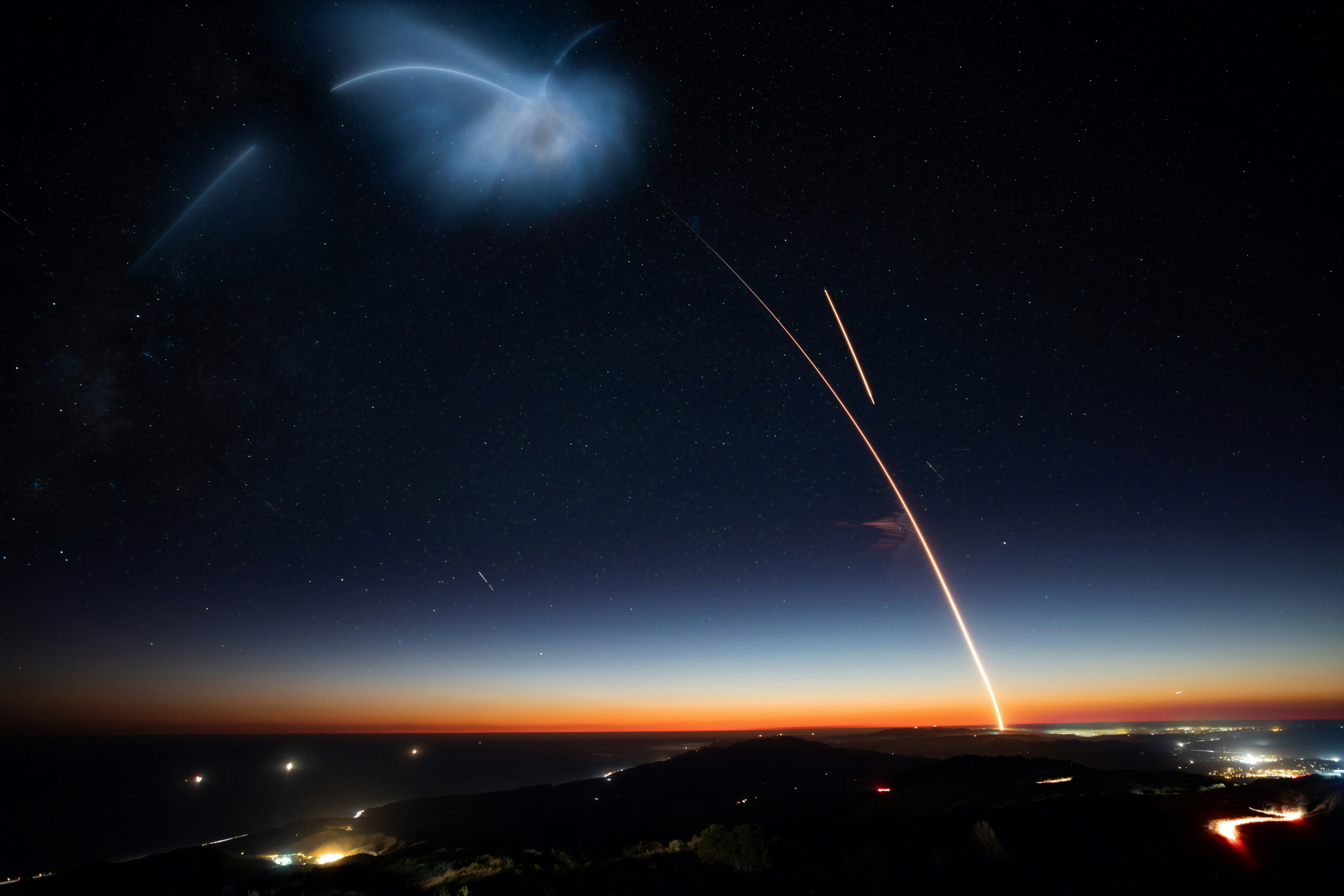
X Report 2 May 2025
SpaceX successfully launched 28 more Starlink satellites from Cape Canaveral, marking another milestone in its satellite constellation expansion.


Launch Date
May 11, 1966
Launch Site
Launch Pad
LC31
Launch Vehicle
Vostok 8A92M
NORAD ID
02169
International Designator
1966-038B
Decay Date
7/12/1989
Name
SL-3 R/B
Alternative Name
Vostok-2M (N04) Stage 3
Type
Status
Owner
RVSN
Country
USSR
Constellation
N/A
Related Satellites
Major Events
N/A
Length
3.8
Diameter
2.6
Span
3.8
Dry Mass
1440
Launch Mass
1440
Shape
Cyl
Radar Cross Section
11.3307
Visual Magnitude
Unknown
Color
Unknown
Material Composition
Unknown
Payload
8A92ME
Purpose
Unknown
Mission
Unknown
Manufacturer
PROG
Life Expectancy
Unknown
Bus
Blok-E
Configuration
Unknown
Motor
Unknown
Equipment
Unknown
Power System
Unknown
ADCS
Unknown
Transmitter Frequency
Unknown
Learn more about satellites and other related topics.
SpaceX successfully launched 28 more Starlink satellites from Cape Canaveral, marking another milestone in its satellite constellation expansion.

SpaceX faced delays in launching its 10th Starship test flight while successfully deploying a Cargo Dragon to resupply the ISS, marking a significant milestone in the ongoing collaboration with NASA.

Thirty-five years ago, Voyager 1 captured a revolutionary series of images from the edge of our solar system, forever changing how humanity sees its place in the cosmos

Transporter 16 carries 119 payloads: SpaceX's rideshare mission targets Sun-synchronous orbit from Vandenberg, one of its densest manifests yet.
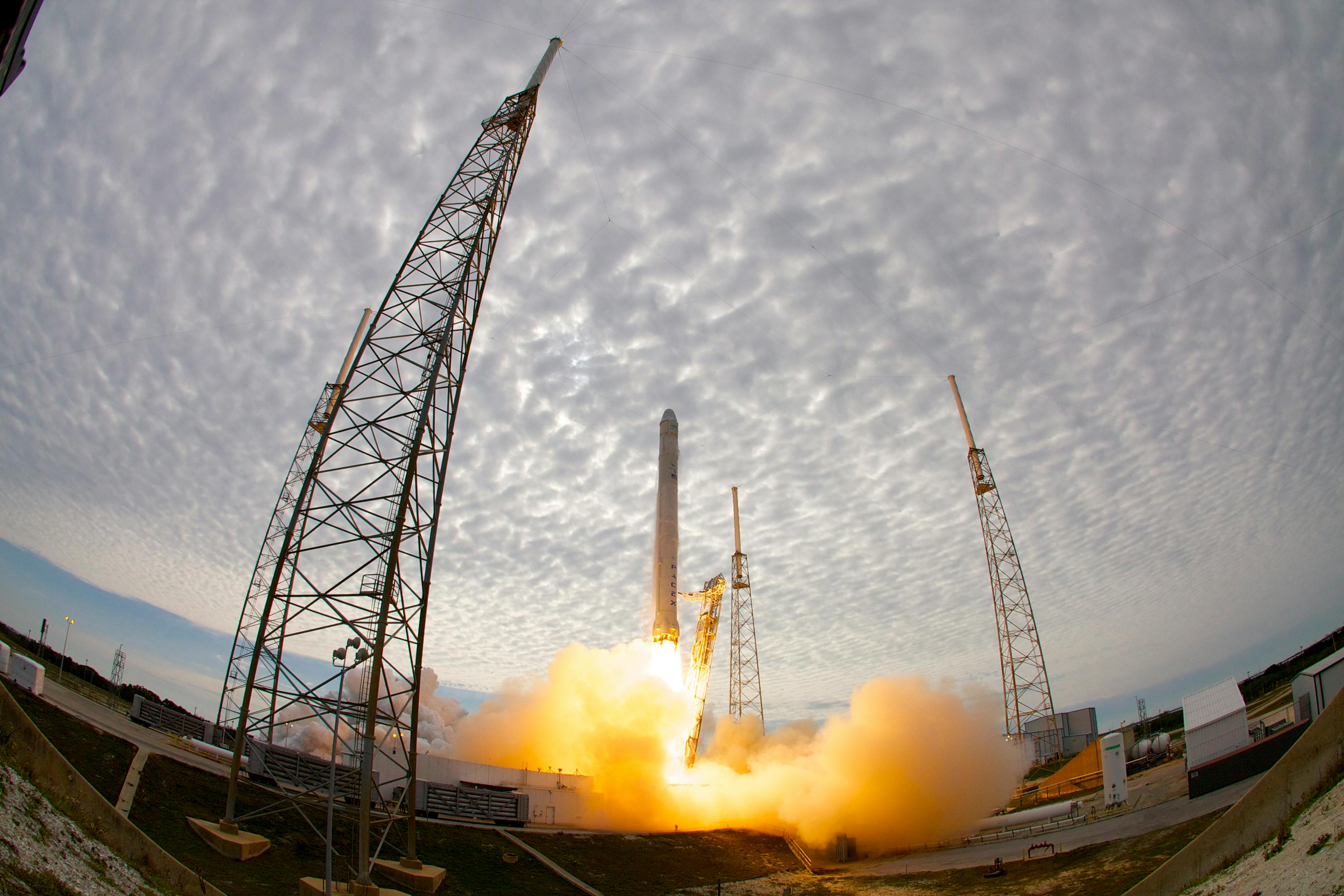
Major breakthroughs as SpaceX prepares to bring astronauts home and multiple launches unfold this week.
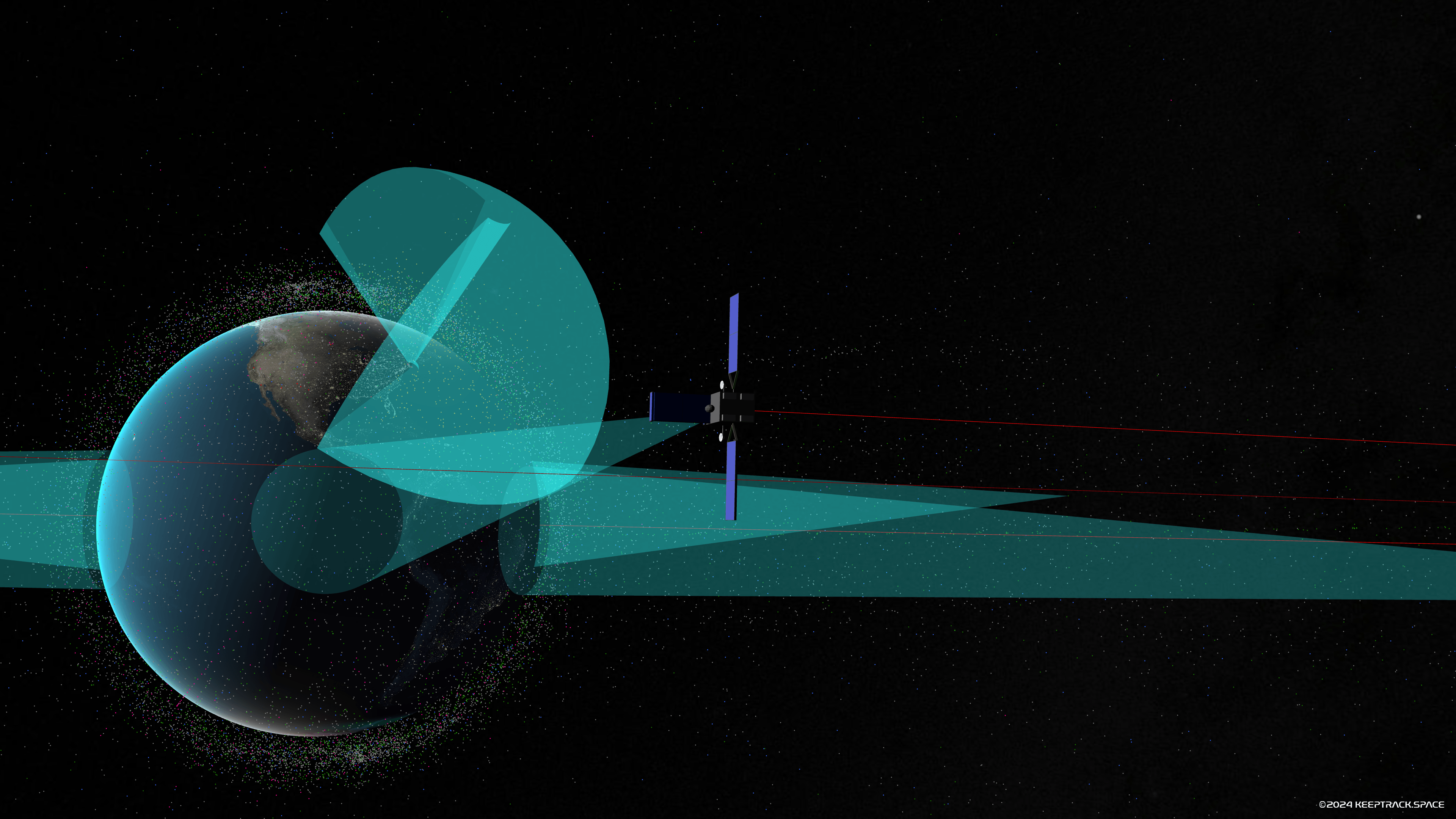
The latest update introduces 3D satellite FOV cones, advanced sensor capabilities, and enhanced timelines, improving the way users interact with satellite data.
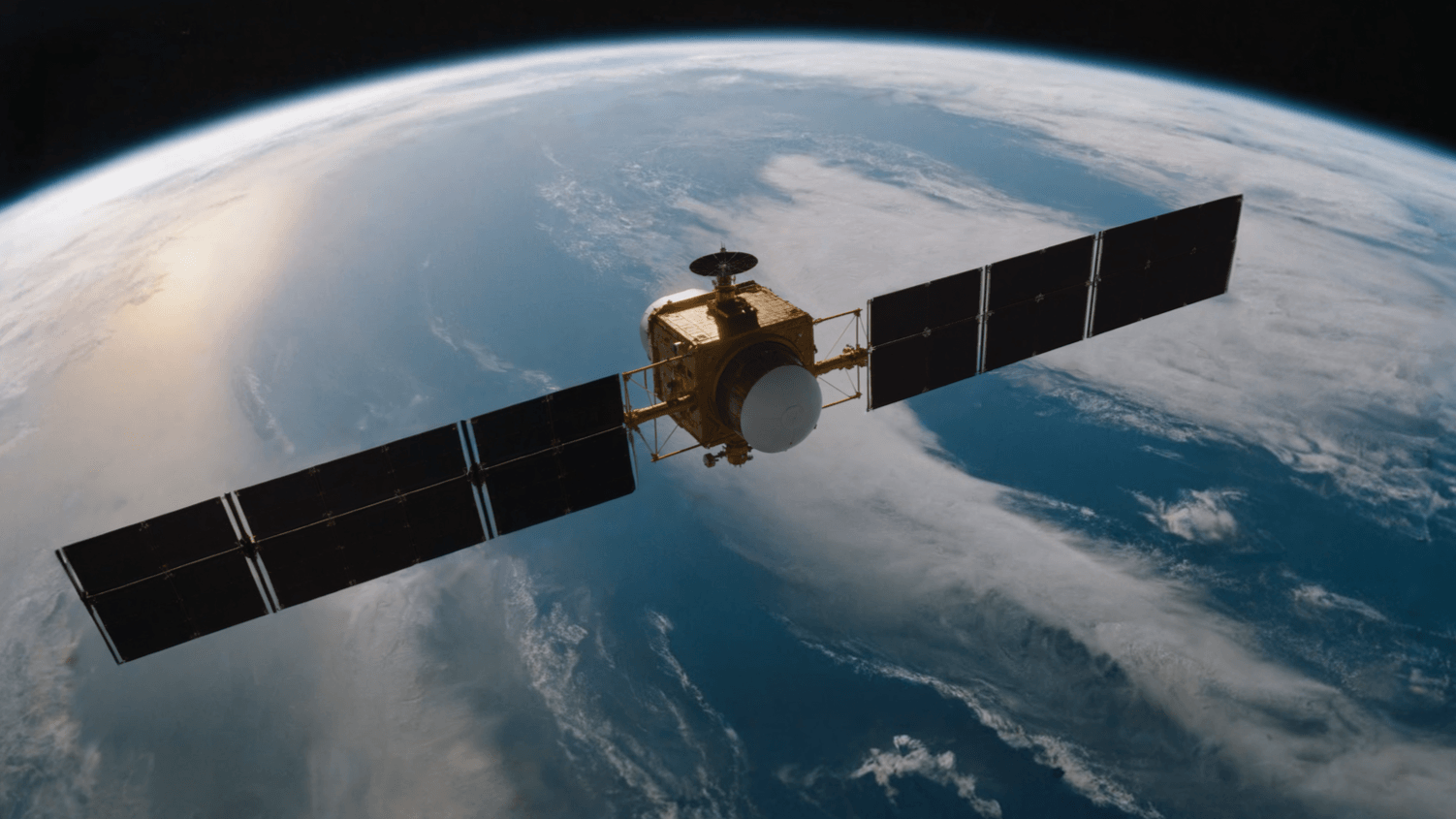
Today's highlights include General Dynamics' contract extension with SDA, ABL Space Systems layoffs, NASA's Crew-9 mission adjustments, and Galactic Energy's successful satellite launch.

Today's Space Brief covers a crucial weather data decision by the U.S. Defense Department, an innovative power supply for aerospace systems, advancements in satellite link technology, and Norway's maritime surveillance. AI/ML tools for airspace management and concerns about defense testing capabilities are also highlighted.