

X Report 23 Jan 2025
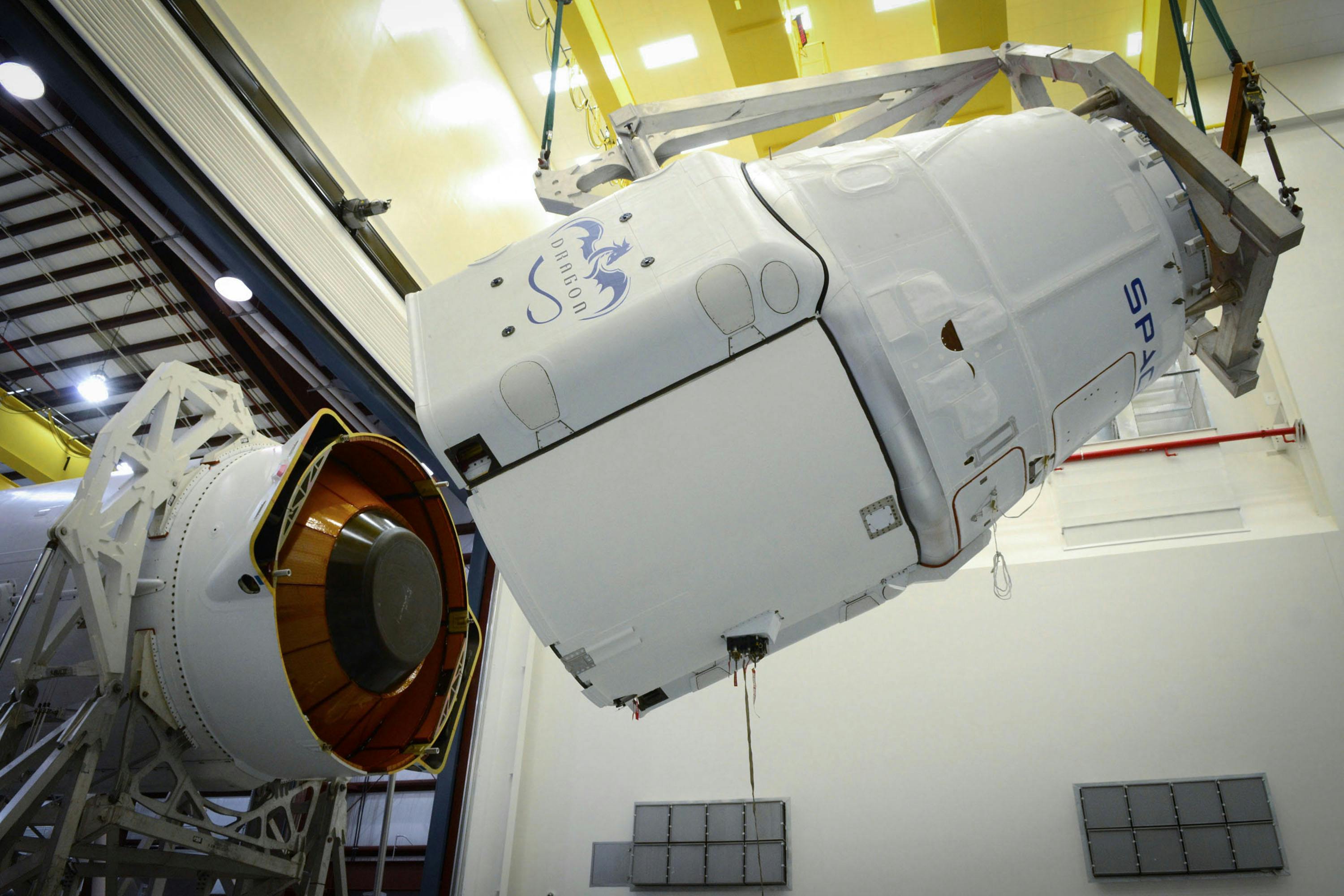
SpaceX gears up for Starship Flight 8 amidst Starlink's growing presence in global internet markets.



Launch Date
February 19, 1986
Launch Site
Launch Pad
LC1
Launch Vehicle
Soyuz-U
NORAD ID
21650
International Designator
1986-017FF
Decay Date
8/13/1991
Name
MIR DEB
Alternative Name
Garbage bag
Type
Status
Owner
NPOE
Country
USSR
Constellation
N/A
Related Satellites
Major Events
N/A
Length
0
Diameter
0
Span
0
Dry Mass
0
Launch Mass
0
Shape
N/A
Radar Cross Section
0.08
Visual Magnitude
Unknown
Color
Unknown
Material Composition
Unknown
Payload
Unknown
Purpose
Unknown
Mission
Unknown
Manufacturer
Unknown
Life Expectancy
Unknown
Bus
Unknown
Configuration
Unknown
Motor
Unknown
Equipment
Unknown
Power System
Unknown
ADCS
Unknown
Transmitter Frequency
Unknown
Learn more about satellites and other related topics.
SpaceX gears up for Starship Flight 8 amidst Starlink's growing presence in global internet markets.

Today's Space Brief covers Blue Origin's historic all-female spaceflight, the selection of companies for nuclear microreactor development by DIU, and NATO's adoption of AI technology for military planning.

SpaceX's Falcon Heavy flew for the first time in 18 months on April 29, while Starlink hit 51 Falcon 9 launches in 2026 with 10,280 satellites working.

SpaceX's Fram2 mission marks a historic first in polar orbit travel, while DARPA unexpectedly detects Falcon 9 reentry using atmospheric listening.
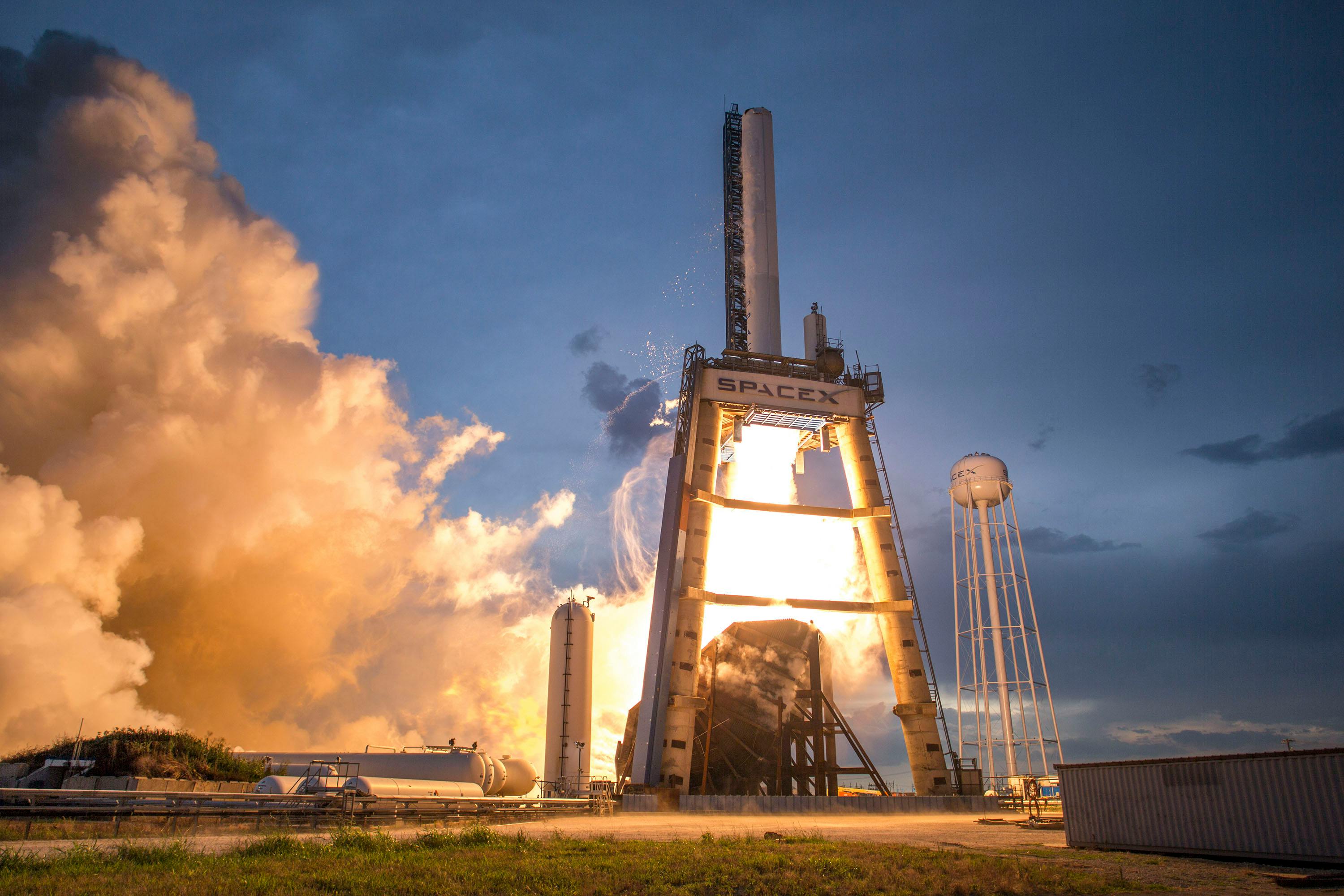
SpaceX wins a $4.16B Pentagon contract for missile-tracking satellites, while hitting its 50th Starlink launch of 2026 in a landmark May.

DARPA's robotic satellite servicing mission targets GEO orbit by summer 2026. NASA adds six SpaceX crew missions as Boeing Starliner remains uncertified.

Today's brief covers key developments in satellite launches, missile defense strategies, advanced IoT satellite connectivity, and the projected growth of the satellite market driven by defense needs.
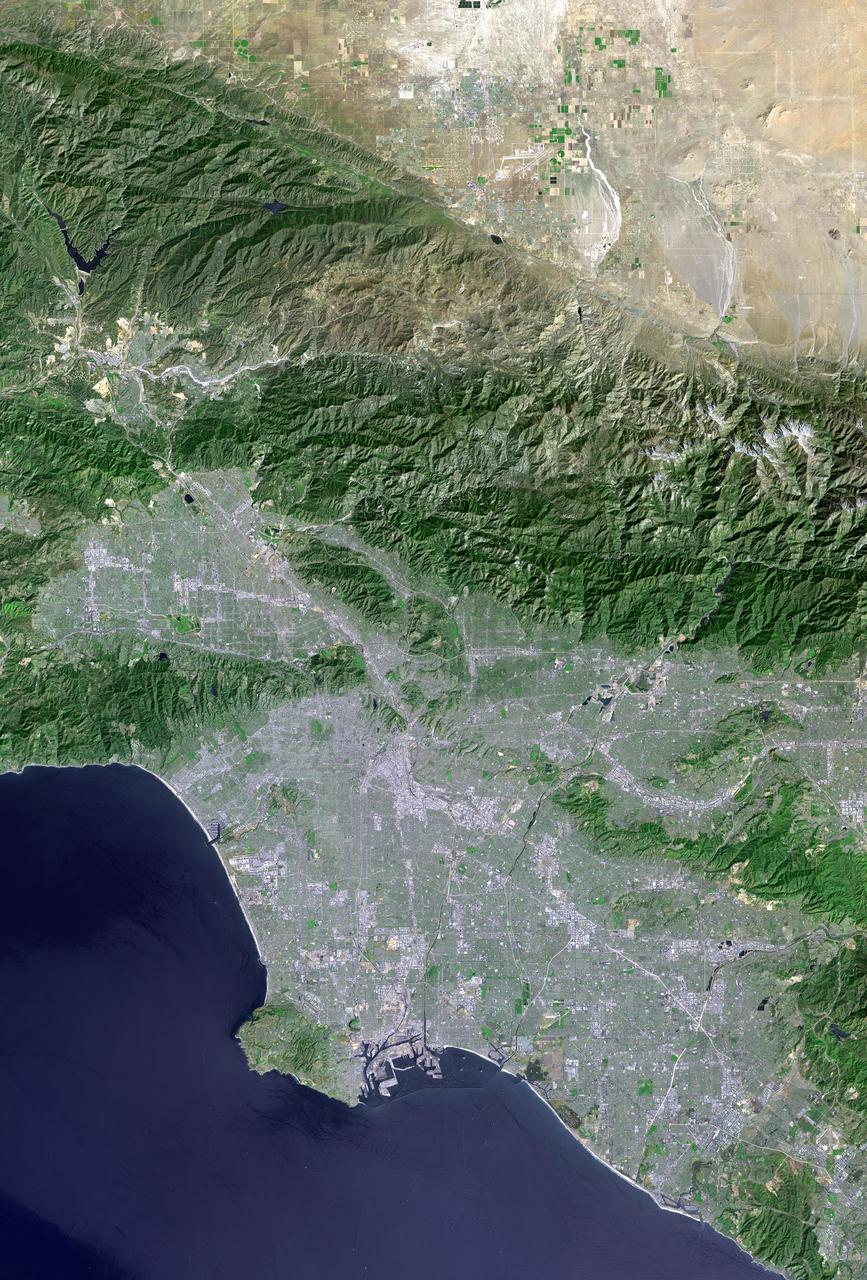
Landsat 7 launched on April 15, 1999, designed to last five years. It operated for twenty-five, survived a failure that destroyed a fifth of every image it took, and became part of the longest continuous record of Earth's surface ever assembled. Then they made the data free.