MIR DEB (21618)

COSPAR: 1986-017EW | Alt Name: EO-9 EVA-5 debris (Sofora)
DECAYED

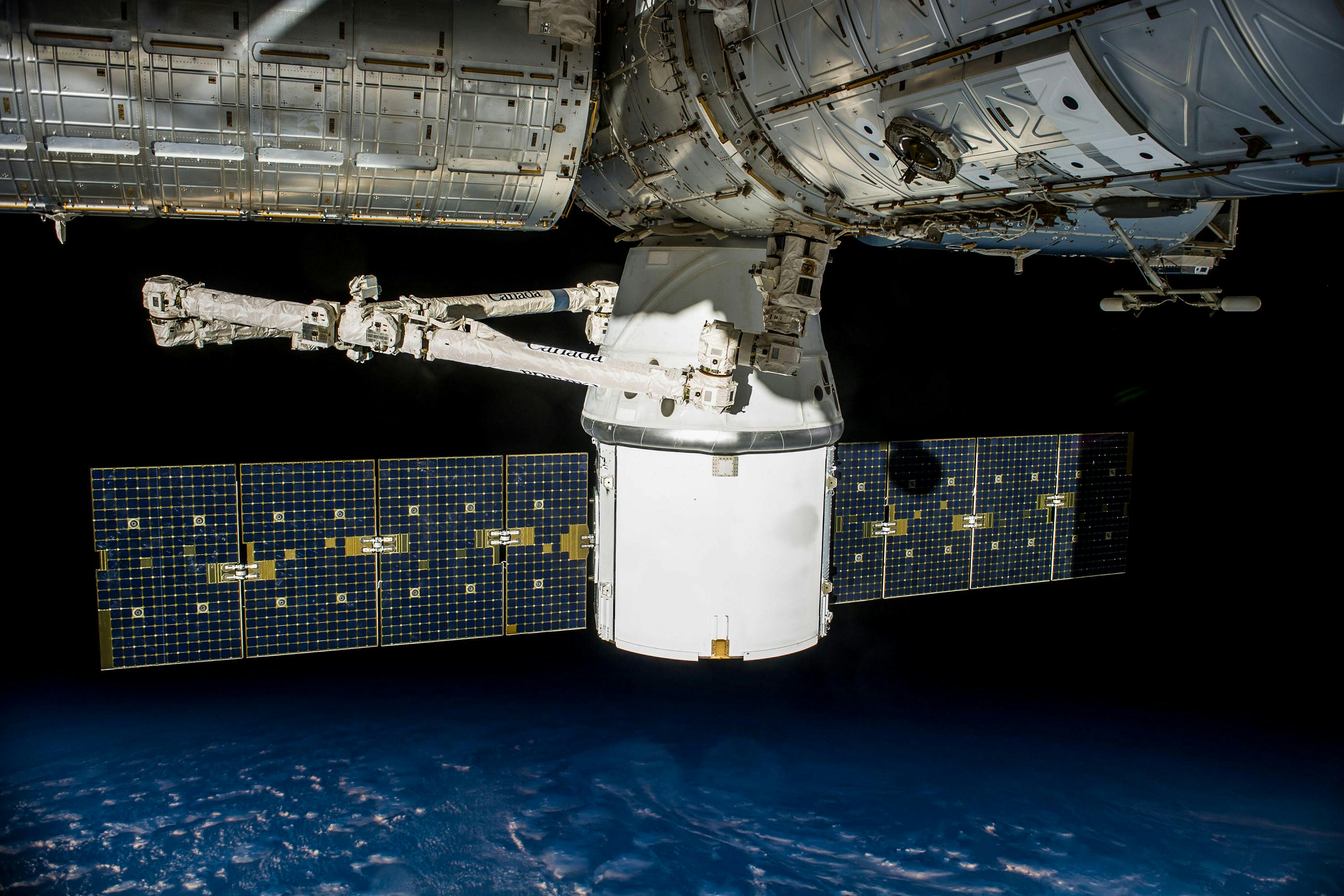
Image
MIR DEB Satellite Image
Additional Sources
Launch Details

Launch Date

February 19, 1986

Launch Pad

LC1

Launch Vehicle

Soyuz-U

Orbital Elements

NORAD ID

21618

International Designator

1986-017EW

Decay Date

8/15/1991

Basic Satellite Info

Name

MIR DEB

Alternative Name

EO-9 EVA-5 debris (Sofora)

Type

Debris

Status

Space Junk

Owner

NPOE

Country

USSR

Constellation

N/A

Related Satellites

Major Events

N/A

Summary
Space debris, also known as space junk, encompasses all non-functional objects orbiting Earth such as defunct satellites, spent rocket stages, and fragments from collisions or disintegrations. Over time, this debris can accumulate and create an increasingly hazardous environment in orbit. Even tiny fragments, traveling at extremely high velocities, can inflict significant damage on operational satellites and spacecraft. If left unmanaged, the density of debris raises the risk of catastrophic collisions and further fragmentation, compounding the problem and threatening the safety and sustainability of space activities.
Physical Characteristics

Length

0

Diameter

0

Span

0

Dry Mass

0

Launch Mass

0

Shape

N/A

Radar Cross Section

0.33

Visual Magnitude

Unknown

Color

Unknown

Material Composition

Unknown

Technical Details

Payload

RCS 0.3

Purpose

Unknown

Mission

Unknown

Manufacturer

Unknown

Life Expectancy

Unknown

Bus

Unknown

Configuration

Unknown

Motor

Unknown

Equipment

Unknown

Power System

Unknown

ADCS

Unknown

Transmitter Frequency

Unknown

Satellite Articles

View All Posts »

Learn more about satellites and other related topics.

AI Outperforms Human Planners in Air Force Battle Management Test | KeepTrack Space Brief

AI Outperforms Human Planners in Air Force Battle Management Test | KeepTrack Space Brief

AI tools outperform human planners in Air Force battle management experiment. DARPA pursues quantum computing interoperability. Canada's Atlantic Spaceport Complex gets environmental approval.

SpaceX Starfall Secret Capsule Targets Space Manufacturing | KeepTrack X Report

SpaceX Starfall Secret Capsule Targets Space Manufacturing | KeepTrack X Report

SpaceX's disk-shaped Starfall reentry vehicle debuts as the constellation hits 10,671 working satellites across low Earth orbit.

Space Brief 29 Sep 2025

Space Brief 29 Sep 2025

Today's Space Brief discusses significant military satellite launches, groundbreaking agreements for lunar nuclear power, and Italy's satellite strategy dilemma. Additionally, we cover the Dream Chaser's upcoming demonstration flight and new Pentagon contracts for rocket motor production.

Vulcan GEM 63XL Passes Static Fire; February Anomaly Still Under Investigation | KeepTrack Space Brief

Vulcan GEM 63XL Passes Static Fire; February Anomaly Still Under Investigation | KeepTrack Space Brief

Northrop Grumman's GEM 63XL solid rocket booster passed static fire testing, but ULA's investigation into a February 2026 Vulcan in-flight anomaly remains open. No RTF date set.

How does Google Map's Satellite View Feature Work?

How does Google Map's Satellite View Feature Work?

Learn which satellites take photos and why we can't get updates instantly.

LeoLabs and the Business of Watching Everything

LeoLabs and the Business of Watching Everything

A startup built on Cold War-era radar science now tracks 25,000 objects in orbit - and the Pentagon can't get enough of it. But can its radars really compete with the Space Surveillance Network?

SpaceX Targets 600th Falcon Booster Landing on Starlink 17-22 | KeepTrack X Report

SpaceX Targets 600th Falcon Booster Landing on Starlink 17-22 | KeepTrack X Report

SpaceX attempts its 600th Falcon 9 booster landing during the Starlink 17-22 mission, adding 25 satellites from Vandenberg SFB.

The Day a Jupiter-Bound Spacecraft Traveled Past Venus

The Day a Jupiter-Bound Spacecraft Traveled Past Venus

Thirty-five years ago, NASA's Galileo spacecraft made a crucial flyby of Venus, pioneering a complex path through the inner solar system that would revolutionize planetary exploration