


Space Brief 28 Aug 2025
Today's briefing covers collaborations enhancing defense capabilities, new satellite technologies entering the market, and strategic shifts in military satellite applications.


Launch Date
July 17, 1991
Launch Site
AFWTR
Launch Pad
RW04/22
Launch Vehicle
Pegasus/HAPS
NORAD ID
21586
International Designator
1991-051G
Decay Date
1/23/1992
Name
MICROSAT 7
Alternative Name
Microsat 7
Type
Status
Owner
DARPA
Country
United States
Constellation
N/A
Related Satellites
Major Events
N/A
Length
0.2
Diameter
0.5
Span
0.5
Dry Mass
19
Launch Mass
21
Shape
Cyl
Radar Cross Section
0.3175
Visual Magnitude
Unknown
Color
Unknown
Material Composition
Unknown
Payload
Microsat 7
Purpose
Experimental communication
Mission
Experimental communication
Manufacturer
DSI
Life Expectancy
4 years (planned); 1 year (achieved)
Bus
Picostar
Configuration
PicoStar
Motor
Cold gas N2 propulsion
Equipment
1 UHF transponder digital store and forward communications system
Power System
Solar cellsm batteries
ADCS
Unknown
Transmitter Frequency
Unknown
Learn more about satellites and other related topics.
Today's briefing covers collaborations enhancing defense capabilities, new satellite technologies entering the market, and strategic shifts in military satellite applications.
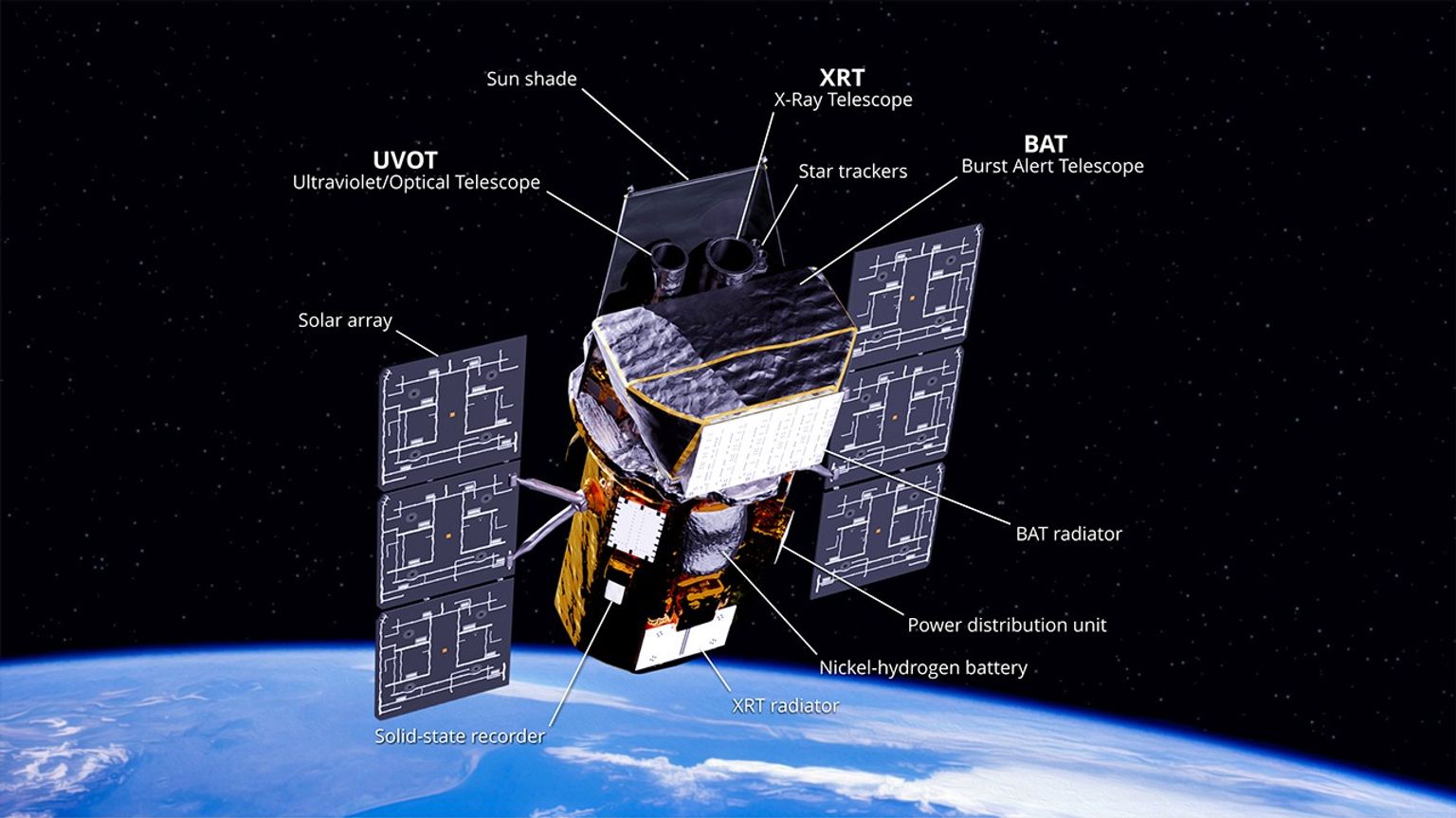
Designed for a two-year mission to catch gamma-ray bursts in the act, Swift is now 21 years old, slowly falling out of the sky, and the subject of an unprecedented private rescue mission. Nobody planned for it to be this hard to let go.
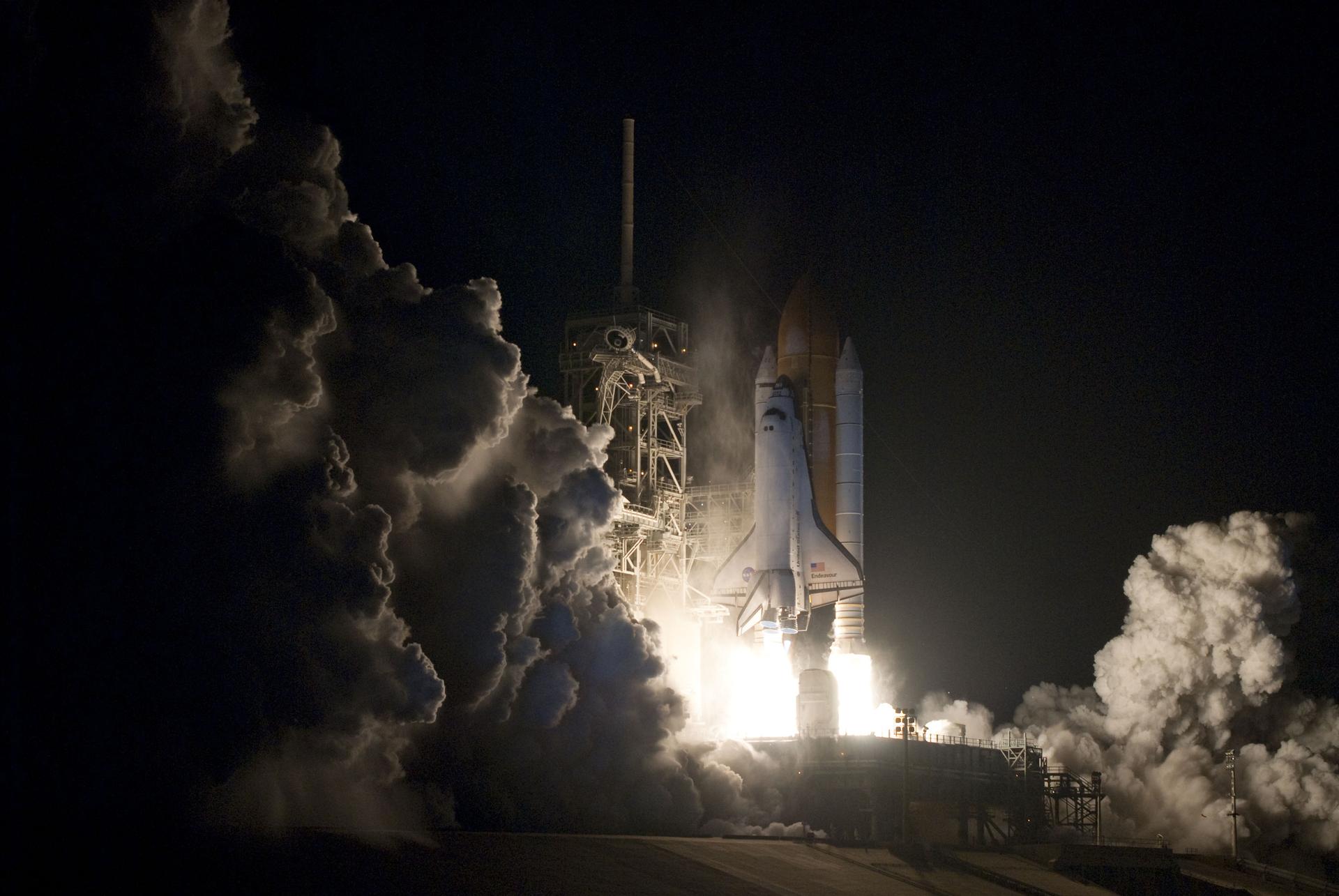
Fifteen years ago, Space Shuttle Endeavour launched on a mission that would give International Space Station astronauts their most spectacular view of Earth through the innovative Cupola observatory
NASA delays Artemis 2 for SLS upper stage fix and pad rollback. SpaceX Falcon 9 booster shatters reuse record with 33rd flight. Tory Bruno joins Blue Origin for defense work.

SpaceX's secretive Starfall reentry demo launched June 23 as Starmind AI constellation targets 1M orbital compute nodes.

SpaceX targets May 19 for Starship Flight 12 debut, while CRS-34 delivers 6,500 lbs of cargo to ISS aboard a Falcon 9.
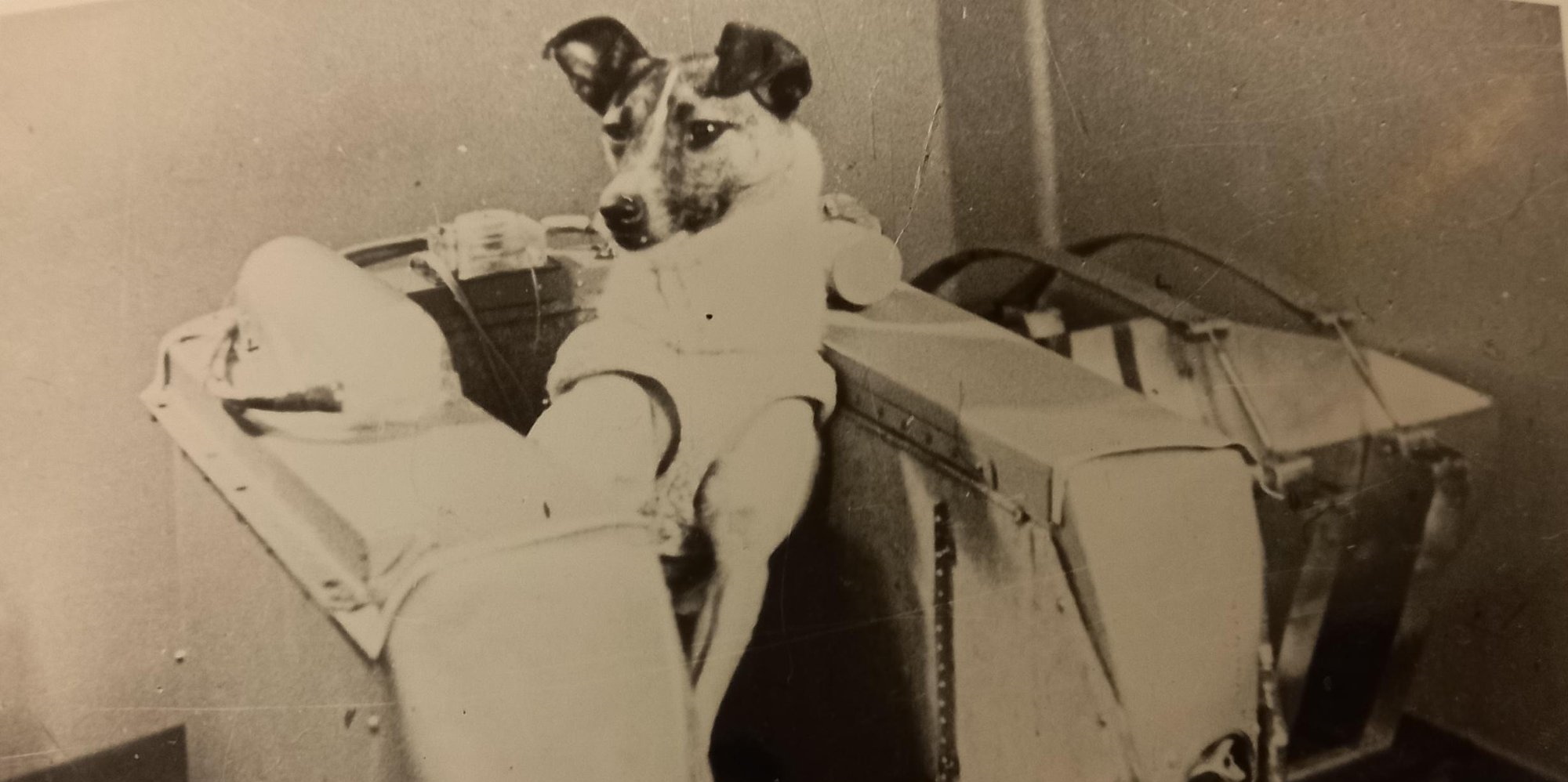
On April 14, 1958, Sputnik 2 burned up over the North Atlantic, carrying the remains of a stray dog from Moscow who had been dead for five months. The Soviet Union told the world she survived for days. It took forty-five years for the truth to come out.
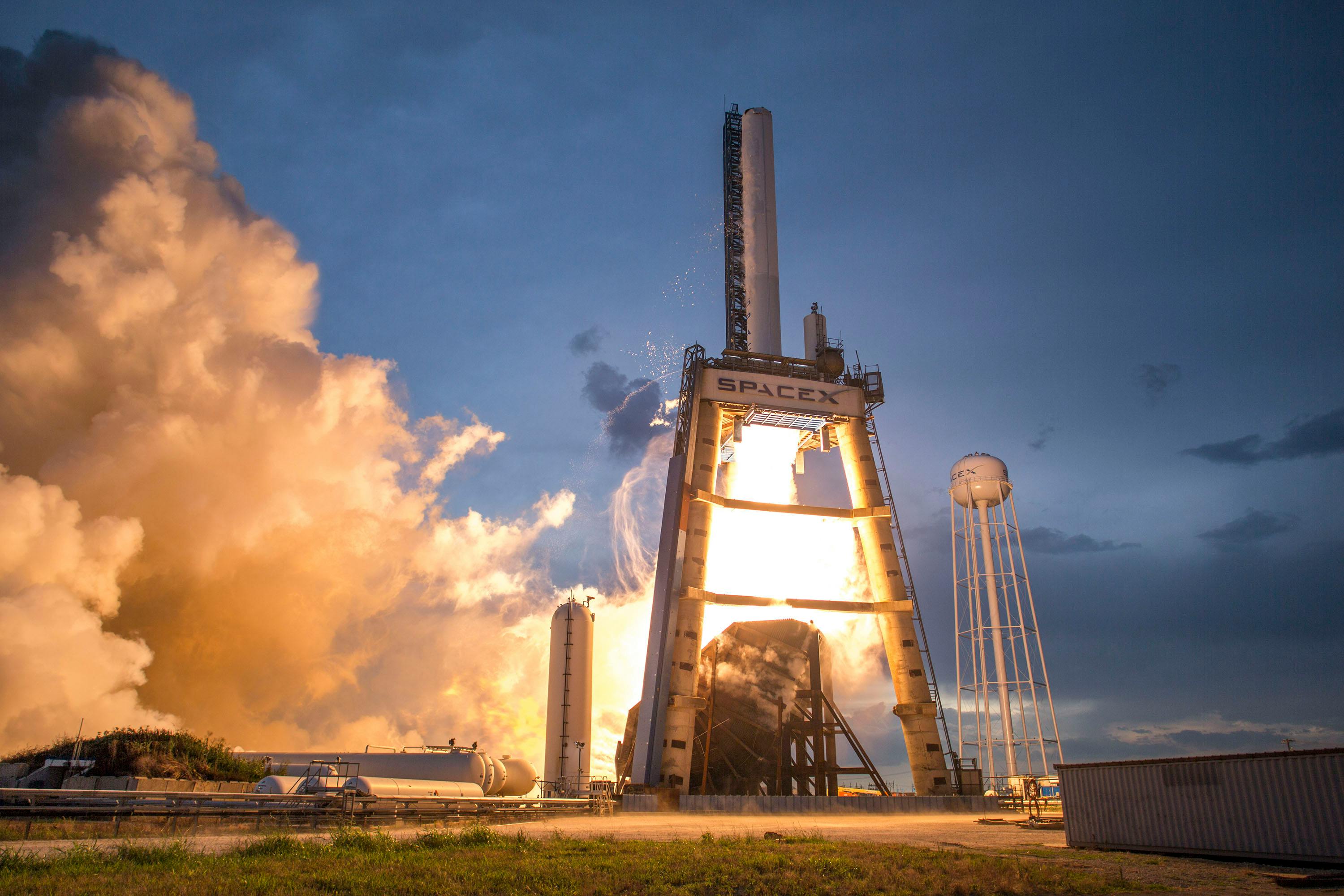
SpaceX successfully launched the latest GPS satellite for the U.S. military, while the FAA has initiated a mishap investigation on a recent Starship test flight. CEO Elon Musk provided updates on the future of the Starship program, indicating ambitious plans ahead.