


Gunter's Space Page
Why this unassuming website has become the backbone of space research for enthusiasts and professionals alike


Launch Date
July 17, 1991
Launch Site
AFWTR
Launch Pad
RW04/22
Launch Vehicle
Pegasus/HAPS
NORAD ID
21582
International Designator
1991-051C
Decay Date
1/24/1992
Name
MICROSAT 3
Alternative Name
Microsat 3
Type
Status
Owner
DARPA
Country
United States
Constellation
N/A
Related Satellites
Major Events
N/A
Length
0.2
Diameter
0.5
Span
0.5
Dry Mass
19
Launch Mass
21
Shape
Cyl
Radar Cross Section
0.0689
Visual Magnitude
Unknown
Color
Unknown
Material Composition
Unknown
Payload
Microsat 3
Purpose
Experimental communication
Mission
Experimental communication
Manufacturer
DSI
Life Expectancy
4 years (planned); 1 year (achieved)
Bus
Picostar
Configuration
PicoStar
Motor
Cold gas N2 propulsion
Equipment
1 UHF transponder digital store and forward communications system
Power System
Solar cellsm batteries
ADCS
Unknown
Transmitter Frequency
Unknown
Learn more about satellites and other related topics.
Why this unassuming website has become the backbone of space research for enthusiasts and professionals alike
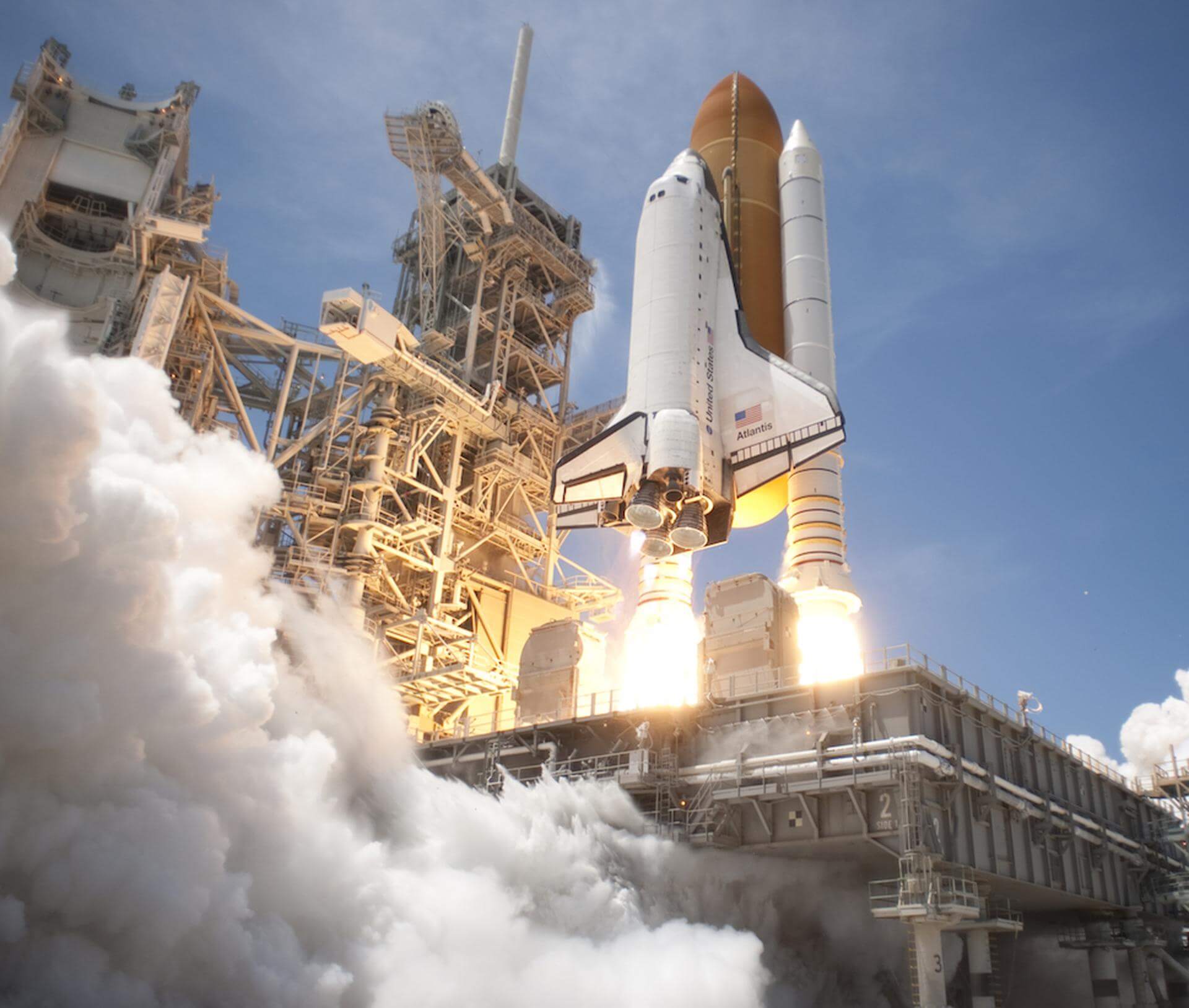
U.S. Space Force increased Andromeda contract ceiling to $6.2 billion for next-generation space situational awareness satellites replacing GSSAP and SILENTBARKER programs.
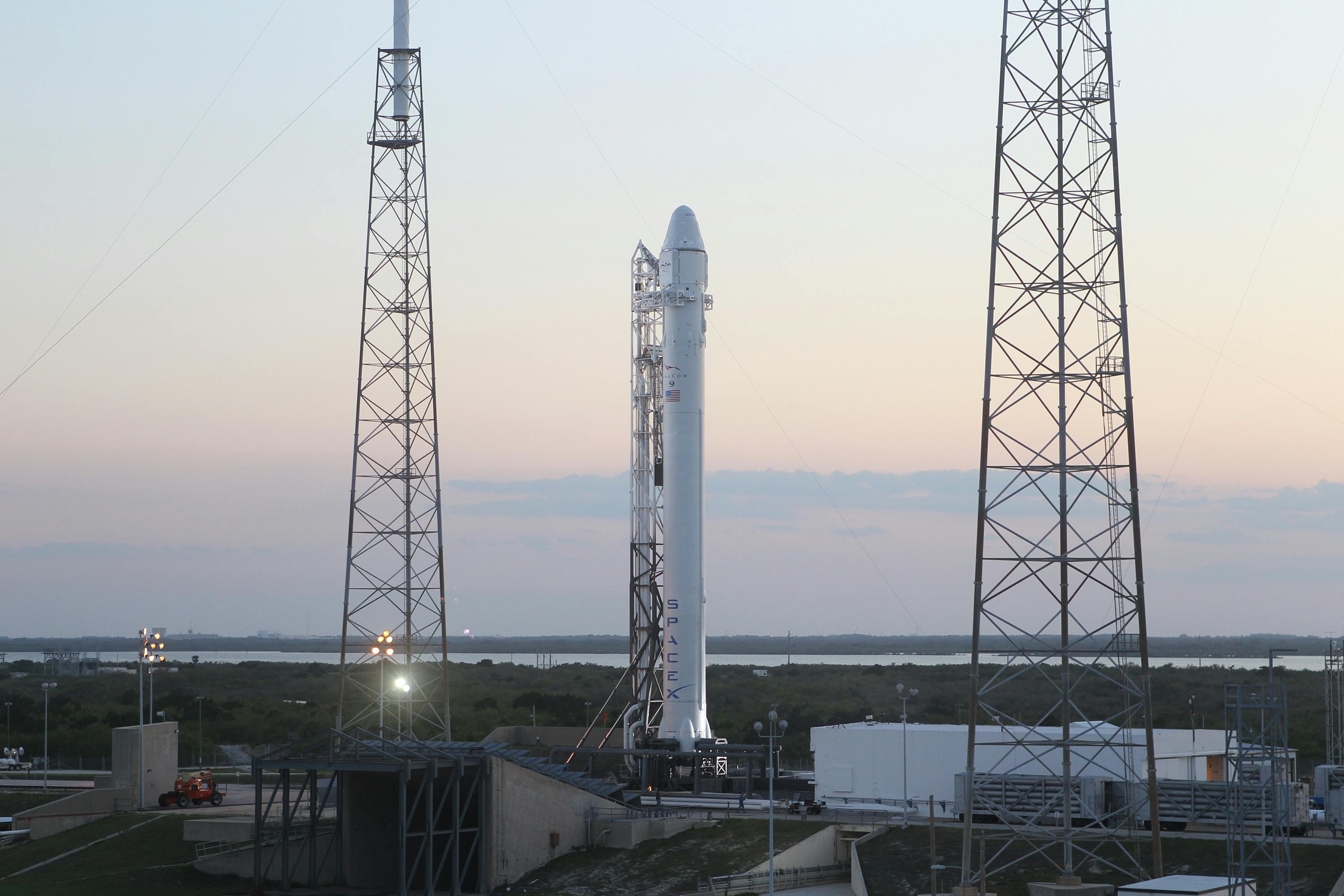
SpaceX targets July 16 for Starship Flight 13, testing V3 fixes and deploying functioning Starlink satellites for the first time.

Today's Space Brief covers potential changes in the procurement strategies for the Space Force, developments in missile detection technology, and budgetary impacts on space programs.
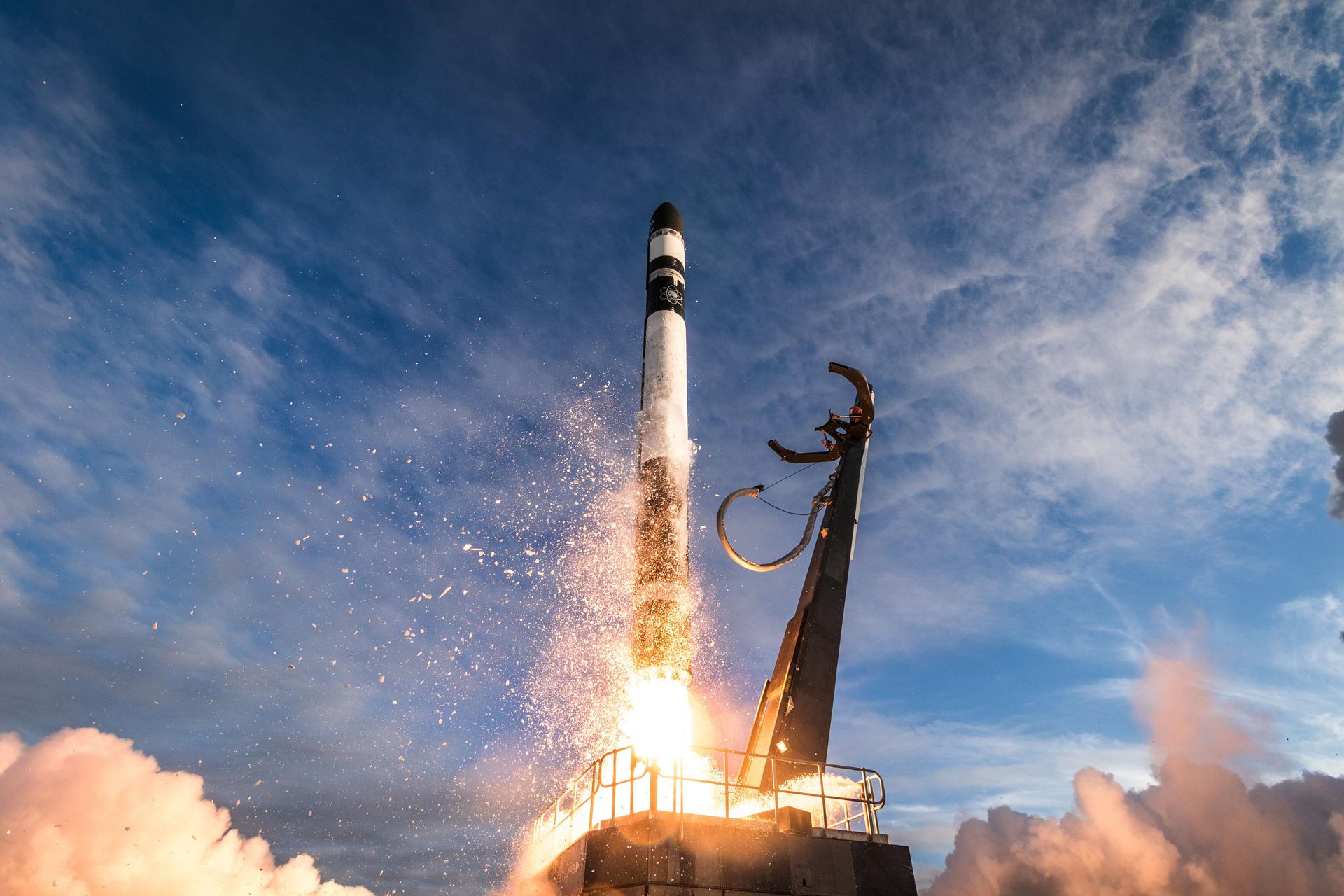
Today's briefing covers the U.S. Space Force's substantial investments in commercial satellite services, a strategic military shift, Chinese space station upgrades, and NASA's policy changes.

SpaceX carried out a double-header Starlink launch from both coasts while milestones from Max Space and Lux Aeterna signal growth in the commercial space sector.

What happens when space objects come home: the fiery physics of returning from orbit and why predicting where debris lands is so difficult

Today’s brief highlights developments including the Crew-11 launch preparations and the impact of Starlink satellites on radio telescope observations.