


X Report 14 Aug 2025
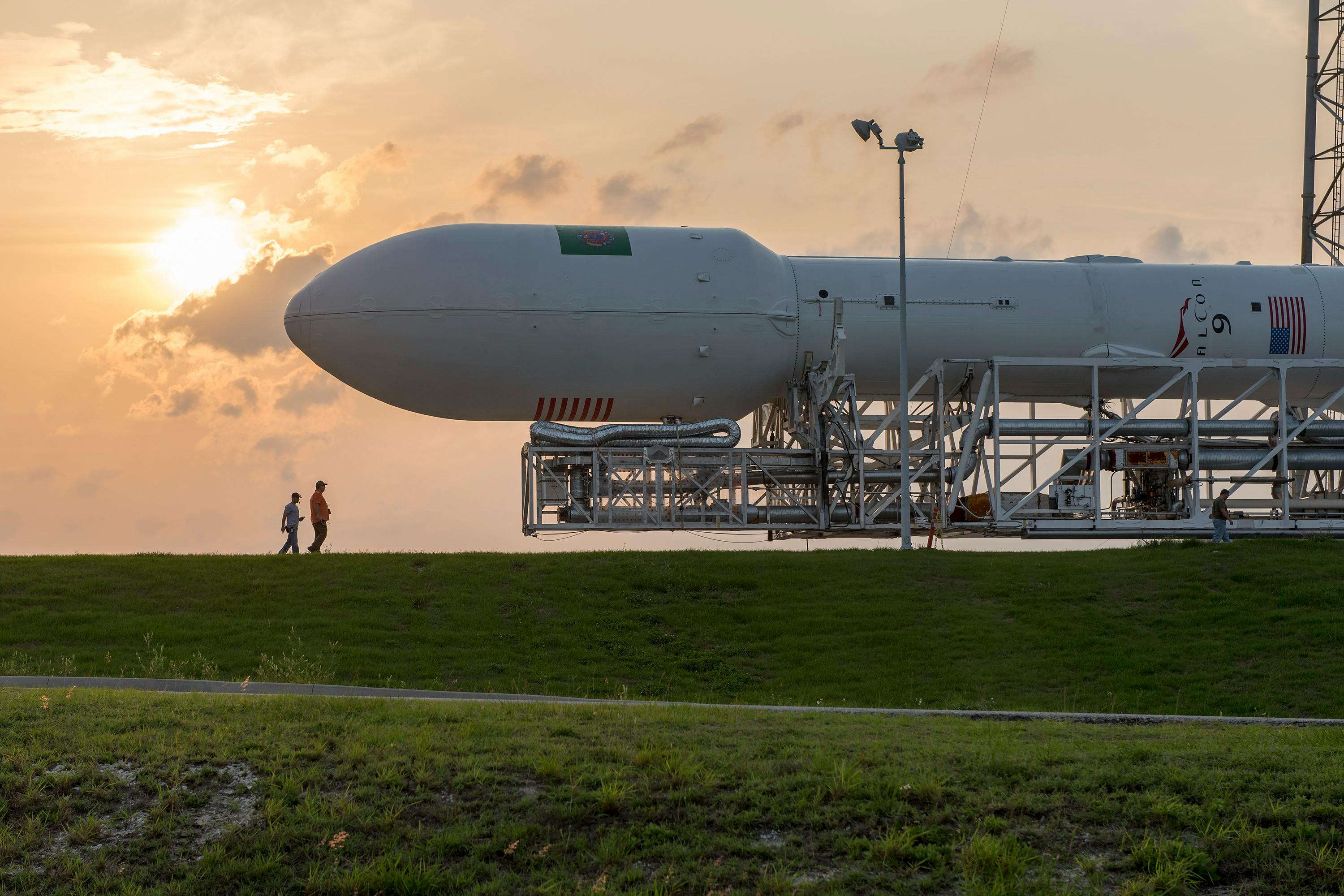
SpaceX successfully launched a batch of Starlink satellites today while introducing new features to enhance user experience. Their rideshare program continues to see increased demand, proving popular among customers.


Launch Date
April 22, 1966
Launch Site
AFWTR
Launch Pad
PALC-D
Launch Vehicle
Scout B
NORAD ID
02150
International Designator
1966-034A
Epoch
Sat, 04 Jul 2026 00:44:07 GMT
Apogee
Calculating...
Perigee
Calculating...
Inclination
82.37°
Right Ascension
165.63°
Eccentricity
Calculating...
Argument of Perigee
347.75°
Period
113.99 min
Mean Motion
12.63 rev/day
Latitude
Calculating...
Longitude
Calculating...
Altitude
Calculating...
Velocity
Calculating...
Name
OPS 1527 (OV3-1)
Alternative Name
OV3-1
Type
Status
Owner
OAR
Country
United States
Constellation
N/A
Related Satellites
Major Events
N/A
1 02150U 66034A 26185.03064261 .00019529 00000-0 10176-2 0 9994
2 02150 82.3699 165.6317 1386254 347.7499 9.2834 12.63266814404001
Source: Celestrak
Apologies, there is no summary for this satellite yet. I am working to generate these for every object in the catalog, but it is going to take time.
Length
0.7
Diameter
0.7
Span
0.7
Dry Mass
69
Launch Mass
69
Shape
Oct Cyl
Radar Cross Section
0.7756
Visual Magnitude
Unknown
Color
Unknown
Material Composition
Unknown
Payload
OV3-1
Purpose
Experimental
Mission
Experimental
Manufacturer
SPG
Life Expectancy
Unknown
Bus
OV3
Configuration
Aerojet GUS (General Utility Satellite)
Motor
Unknown
Equipment
see above
Power System
Solar cells, batteries
ADCS
Unknown
Transmitter Frequency
Unknown
Learn more about satellites and other related topics.
SpaceX successfully launched a batch of Starlink satellites today while introducing new features to enhance user experience. Their rideshare program continues to see increased demand, proving popular among customers.
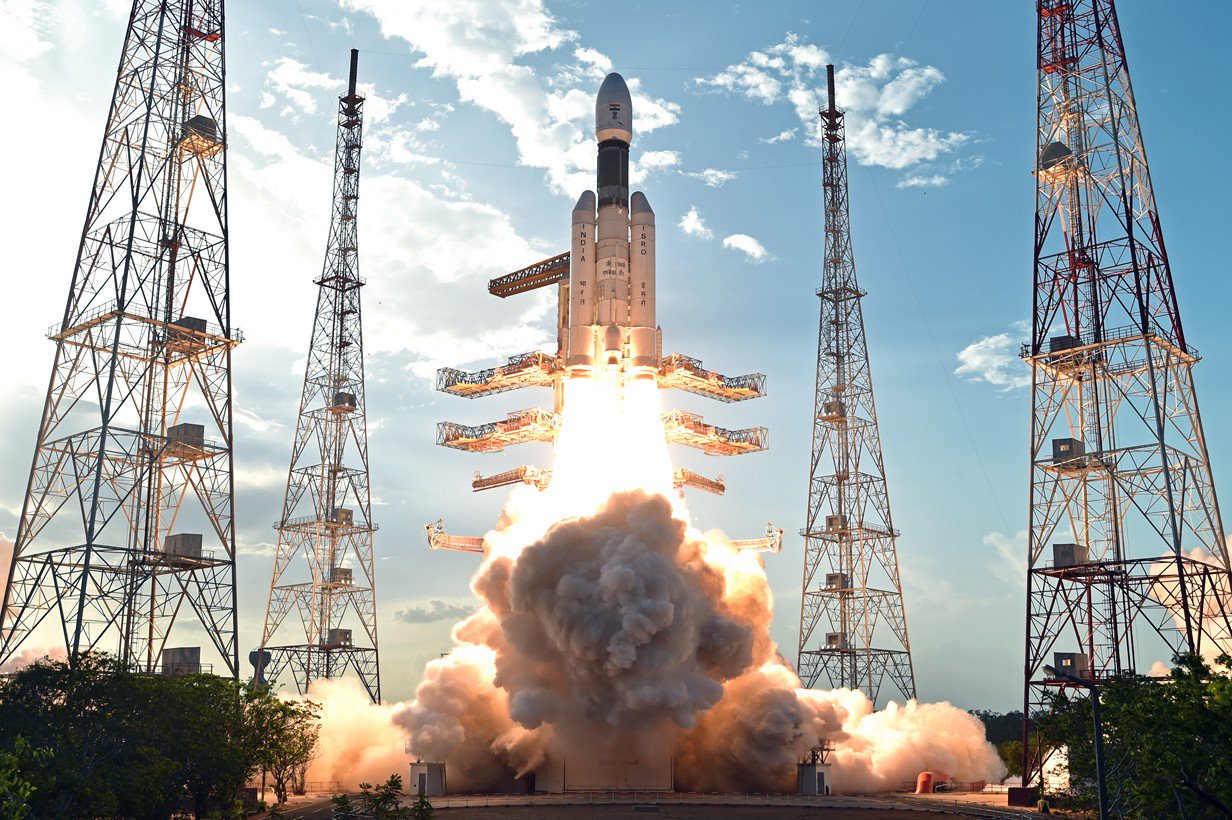
Today's brief covers an increase in Chinese satellite launches, the operational status of the Space Force's ATLAS software, and a significant fundraising event in the defense sector.

SpaceX achieves new milestones with back-to-back launches for the NRO while preparing for groundbreaking crewed polar mission FRAM2.

MDA Space and Hanwha target South Korea's K-LEO defense satellite network. House passes $839B defense bill. Pentagon picks 25 vendors for $150M drone competition.

Artemis 2 splashdown marks first crewed lunar flyby since Apollo 17 in 1972. Four astronauts completed historic mission, validating systems for Artemis 3 landing attempt.
Today's brief covers challenges in Space Force procurement, promising developments in tracking technologies, and significant budget cuts affecting military aerospace projects.

Learn which satellites take photos and why we can't get updates instantly.
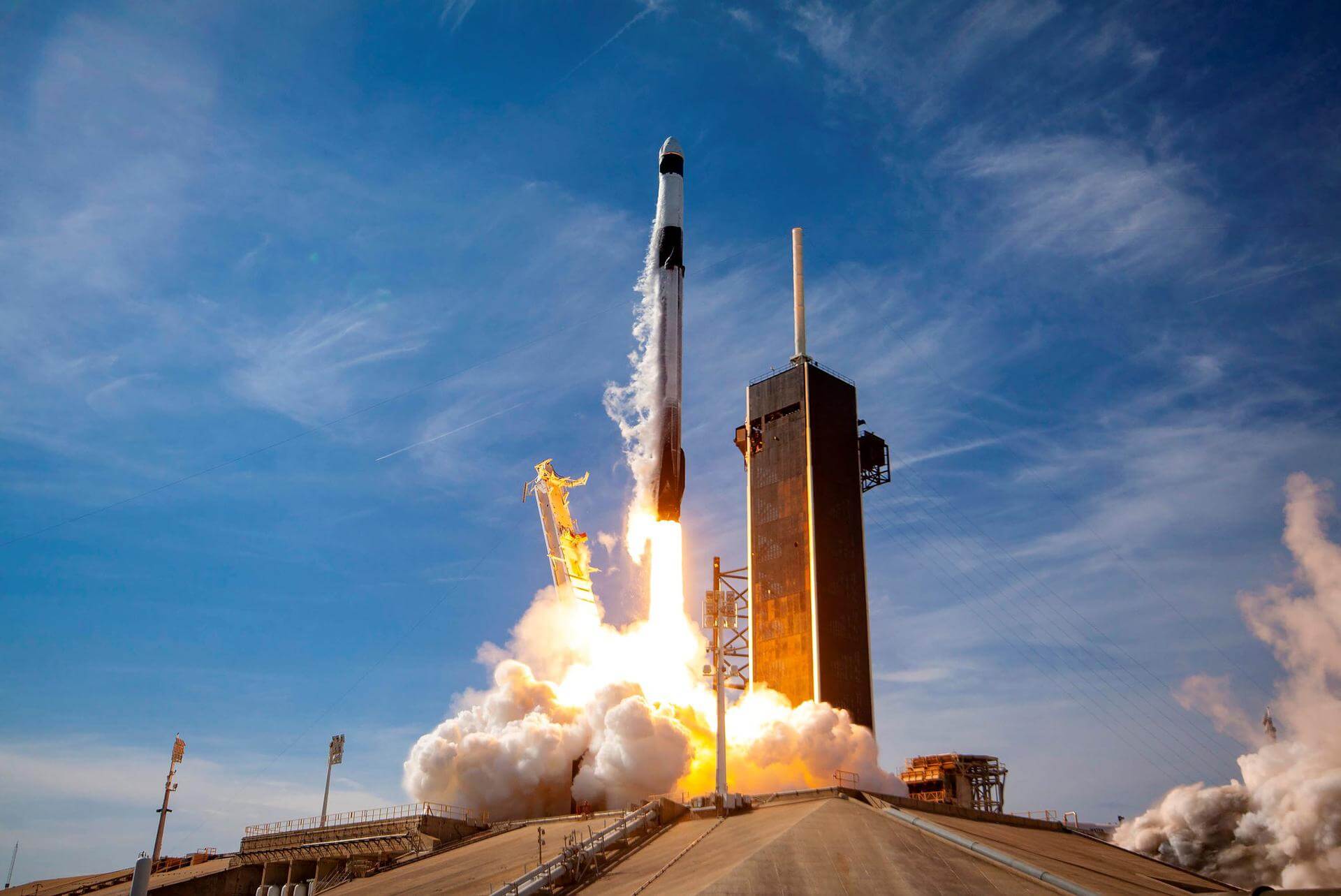
CBO estimates Golden Dome national missile shield at $1.2 trillion over 20 years. Space-based intercept layer could add thousands of satellites to tracked orbital regimes.